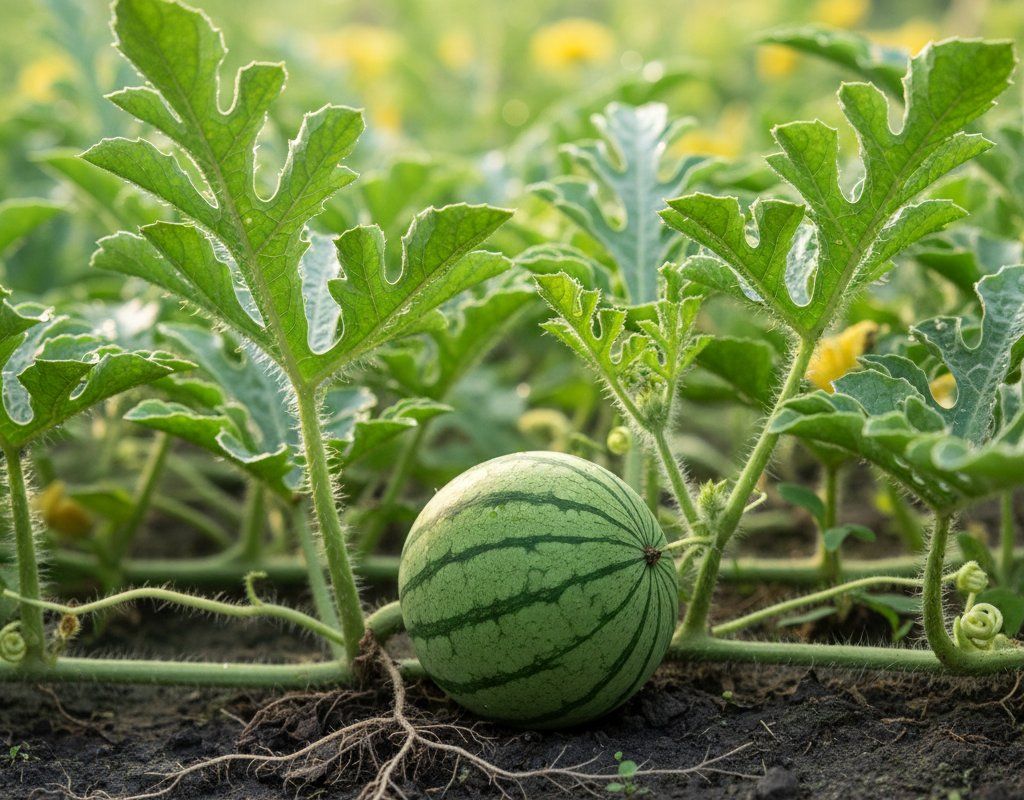
Watermelon in Zone 3A — Great Plains
Citrullus lanatus · Your Complete 2026 Planting Guide
Planning Ahead — Great!
You’re ahead of the season. Here’s when to start.
Mark Your Calendar
How to Plant Watermelon in Zone 3A — Great Plains
Here are all your options for getting watermelon in the ground, from the easiest method to more advanced approaches.
Direct Sow Seeds
RecommendedDirect sowing is not typical for Watermelon.
Needs warm soil. Direct sow works in zones 6+. Start indoors in colder zones.
Buy Starts
Works WellEarly to mid June
around June 8
Plant purchased starts after last frost (May 25).
Start Seeds Indoors
Works WellMid May through early June
around May 18
Then transplant: Early to mid June
Start seeds 3-5 weeks before transplanting outdoors.
Handle seedlings carefully — melons resent root disturbance.
Transplant Outdoors
Timing InfoEarly to mid June
around June 8
Wait until nighttime temperatures stay above 50°F.
Timing is critical in your zone — don’t delay!
Overview
Watermelons bring pure summer joy to the Great Plains table, offering sweet relief from our scorching prairie heat. These sprawling vines transform our fertile prairie soil into a patch of paradise, producing fruit that tastes worlds better than anything shipped from distant fields. There's something deeply satisfying about growing your own watermelons here—they love our intense sunshine and thrive in the same conditions that challenge other crops.
Growing watermelons in our Zone 3A climate requires respect for timing, but don't let our 108-day growing season intimidate you. Yes, we face extreme temperature swings and the constant threat of early frost, but watermelons are surprisingly well-suited to our conditions once established. With proper timing and wind protection, you'll be harvesting sweet, juicy melons just as summer reaches its peak.
Starting Seeds Indoors
Starting watermelon seeds indoors makes sense when you want to maximize every day of our short growing season. Begin seeds from mid-May through early June, roughly three weeks before you plan to transplant outdoors. This timing helps you sidestep our variable spring weather while getting plants established before the heat peaks.
Set up seed trays in a warm spot—watermelons need soil temperatures around 75-80°F to germinate reliably. Bottom watering works best for these large seeds, preventing damping-off while maintaining consistent moisture. Once seedlings emerge, they'll need strong light to prevent stretching in those final weeks indoors.
Handle watermelon seedlings with extreme care, as these vines deeply resent root disturbance. Use biodegradable pots or large cell trays to minimize transplant shock. Our Prairie springs can be unpredictable, so indoor starting gives you flexibility to wait out late cold snaps without losing precious growing time.
Transplanting Outdoors
Wait until early to mid-June before moving watermelon transplants outdoors—these tender plants cannot tolerate even a whisper of frost. Soil temperature should consistently reach 65°F or higher, and nighttime lows should stay above 50°F. Our Great Plains weather can throw curveballs, so err on the side of caution.
Harden off transplants gradually over a full week, starting with just a few hours of morning sun and building up their tolerance to our intense prairie conditions. Pay special attention to wind protection during this process—young watermelon plants can be shredded by our constant Plains breezes.
Space plants a generous 72-96 inches apart, giving these sprawling vines room to spread across your prairie soil. Choose a sheltered location with wind protection if possible, and consider using row covers during the first week after transplanting. Even in June, unexpected cool nights can set back these heat-loving plants significantly.
Watering Watermelon in Zone 3A (Great Plains)
Watermelons are water-hungry crops that demand consistent moisture throughout their growing cycle, especially challenging given our variable 15-35 inch annual rainfall. These plants need about 1.5-2 inches of water weekly during active growth, increasing to 2-2.5 inches when fruits are developing. Our hot prairie summers with typical highs reaching 93°F mean you'll likely supplement natural rainfall significantly.
Water deeply at the base of plants rather than overhead—our low-to-moderate humidity levels help prevent foliar diseases, but targeted watering conserves precious moisture while reducing evaporation. Check soil moisture using the finger test, pushing down 2 inches near the root zone. If it's dry at that depth, it's time to water thoroughly until moisture penetrates 8-10 inches down.
During fruit development, maintain steady soil moisture to prevent cracking or hollow heart. However, reduce watering by about half during the final 1-2 weeks before harvest—this concentrates sugars and intensifies flavor. Watch for wilting during our afternoon heat; slight wilting is normal, but severe drooping indicates water stress.
Apply a 3-4 inch layer of organic mulch around plants to conserve moisture and moderate soil temperature swings. In our wind-prone climate, secure mulch well or use heavier materials like shredded bark. Signs of overwatering include yellowing leaves and soft, rotting spots on developing fruit, while underwatered plants show persistent wilting and stunted growth.
🧪Fertilizing Watermelon
Feeding Schedule
Organic Fertilizer Options
Harvest Time
Your first watermelons should be ready for harvest in early September, right around the time our first frost typically threatens. This timing makes every melon precious—you're racing against the calendar to get fruit mature before cold weather arrives. Watch for several reliable ripeness indicators rather than relying on size alone.
The ground spot where the melon rests changes from white to creamy yellow when ripe, and the tendril closest to the fruit attachment turns brown and dry. A ripe watermelon produces a deep, hollow thump when knocked with your knuckles—green melons sound higher-pitched and solid. The skin becomes dull rather than glossy, and you may notice the characteristic "bloom" or waxy coating disappears.
Cut melons from the vine with sharp pruners rather than pulling, leaving a short stem attached. Handle carefully to avoid bruising. Unlike some fruits, watermelons won't ripen further once removed from the vine, so accuracy in timing matters greatly.
As September progresses and frost threatens, harvest any melons showing signs of maturity even if they seem slightly underripe—a close-to-ripe melon picked before frost beats a perfect melon lost to freezing temperatures. Cover plants with row covers or blankets during light frost warnings to extend your harvest window by a few precious days.
Common Problems in Zone 3A (Great Plains)
Fusarium Wilt Watch for wilting that starts on one side of the plant, progressing to yellowing leaves and eventual plant collapse. Cut open affected stems to reveal telltale brown streaking inside. This soil-borne fungus thrives in our warm prairie soils and can persist for years, making crop rotation essential.
Plant resistant varieties marked with 'F' on seed packets, and maintain soil pH above 6.5 to discourage the pathogen. Rotate watermelons and related crops (cucumbers, squash) on a 4-year cycle. Remove and destroy affected plants immediately—don't compost infected material. Our intense summer heat can help with soil solarization if you catch infections early.
Anthracnose Dark, sunken circular spots appear on fruit, stems, and leaves, often with pink or orange spore masses during humid periods. This fungal disease spreads rapidly during our occasional heavy rainfall events and can destroy entire crops if left unchecked.
Remove infected plant debris promptly and avoid overhead watering to prevent splash dispersal. Apply copper fungicide preventatively before symptoms appear, especially during wet spells. Our typically low humidity helps limit this disease, but vigilance during rainy periods protects your harvest. Always use clean, disease-free seeds from reputable sources.
Poor Pollination Small, misshapen, or underdeveloped fruits indicate pollination problems, common when our prairie winds discourage pollinator activity or extreme heat affects flower viability. Flowers may bloom abundantly but drop without setting fruit, or fruits develop lopsided and hollow.
Plant pollinator-attracting flowers nearby to draw bees despite windy conditions. Hand-pollinate using a small brush during calm morning hours when flowers are most receptive. Provide windbreaks to create calmer microclimates around plants, and avoid pesticides during flowering periods. Our intense heat can interfere with pollination—morning hand-pollinating works better than waiting for afternoon when temperatures soar.
Great Plains Specific Challenges: Our combination of hot summers, variable rainfall, and constant wind creates unique stresses for watermelons. The intense prairie sun can scald developing fruits, while sudden hailstorms can destroy crops overnight. Wind protection and consistent watering become absolutely critical for success in our challenging climate.
Best Companions for Watermelon
Plant these nearby for healthier Watermelon and better harvests.

Keep Away From
Companion Planting Details
Corn makes an excellent companion for watermelons in Great Plains gardens, providing natural windbreaks that shelter the sprawling vines from our constant prairie breezes. Plant corn on the north or west side of watermelon patches to block prevailing winds while both crops benefit from similar watering schedules. Radishes planted around watermelon hills help break up compacted prairie soil and may deter cucumber beetles, while their quick maturity means they're harvested before competing for space.
Sunflowers create additional wind protection while attracting beneficial pollinators crucial for watermelon fruit set. Position them strategically around your melon patch to create calm microclimates. Avoid planting watermelons near potatoes—they compete for similar nutrients and potatoes can harbor diseases that affect melons. The deep prairie soil has room for strategic spacing, so use companion plants to create favorable microclimates rather than cramming everything together.
🌸Best Flowers to Plant with Watermelon
These flowers protect your Watermelon from pests and attract pollinators for better harvests.


Get a Reminder When It's Time to Plant
We'll email you when key planting windows open for your zone.