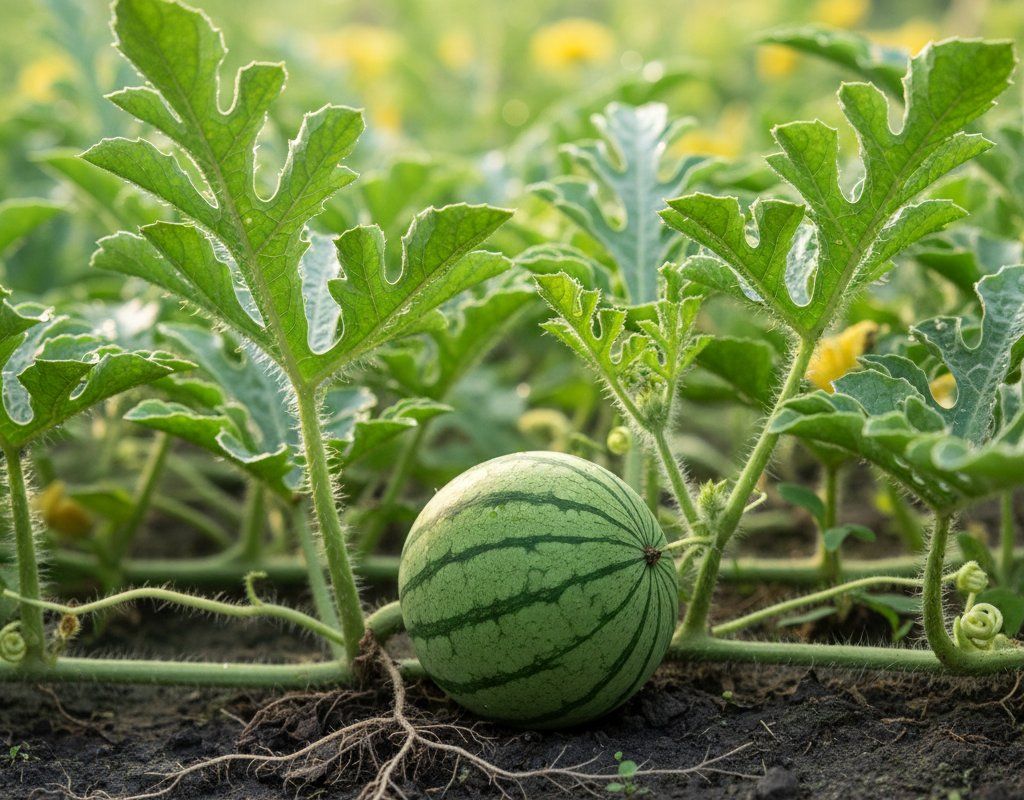
Watermelon in Zone 3B — Mountain West
Citrullus lanatus · Your Complete 2026 Planting Guide
Planning Ahead — Great!
You’re ahead of the season. Here’s when to start.
Mark Your Calendar
How to Plant Watermelon in Zone 3B — Mountain West
Here are all your options for getting watermelon in the ground, from the easiest method to more advanced approaches.
Direct Sow Seeds
RecommendedDirect sowing is not typical for Watermelon.
Needs warm soil. Direct sow works in zones 6+. Start indoors in colder zones.
Buy Starts
Works WellEarly to mid June
around June 8
Plant purchased starts after last frost (May 25).
Start Seeds Indoors
Works WellMid May through early June
around May 18
Then transplant: Early to mid June
Start seeds 3-5 weeks before transplanting outdoors.
Handle seedlings carefully — melons resent root disturbance.
Transplant Outdoors
Timing InfoEarly to mid June
around June 8
Wait until nighttime temperatures stay above 50°F.
Timing is critical in your zone — don’t delay!
Overview
Growing watermelon in the Mountain West isn't just possible—it's incredibly rewarding when you hit that sweet spot of timing and technique. Our intense high-altitude sun actually helps these heat-lovers develop exceptional sweetness, while our cool nights preserve those sugars instead of letting the plant burn them off overnight. There's nothing quite like biting into a watermelon you've coaxed through our challenging conditions, knowing you've mastered one of gardening's trickier crops.
Yes, our 108-day growing season makes watermelon a bit of a sprint, and those late spring freezes mean you can't rush the planting. But watermelons are surprisingly adaptable to our Mountain conditions once you understand their rhythm. The key is working with our climate patterns rather than fighting them—starting at just the right moment when soil temperatures have truly stabilized.
Starting Seeds Indoors
Starting watermelon seeds indoors makes sense in the Mountain West, but it's not your only option. If you want to maximize your growing window or grow larger varieties that need every day of our short season, start seeds indoors from mid-May through early June, about three weeks before you plan to transplant.
Set up seed trays in a warm spot—watermelon seeds need soil temperatures around 70-80°F to germinate well. A heating mat under your seed trays works perfectly for this. Use bottom watering to keep the soil consistently moist without creating fungal problems, which our low humidity actually helps prevent compared to more humid regions.
Handle the seedlings very carefully when it's time to move them. Watermelons hate root disturbance more than most vegetables, so consider using biodegradable pots that can go straight into the ground. With our late spring character here in the Mountain West, indoor starting gives you a head start while outdoor conditions are still too risky.
Transplanting Outdoors
Transplant your watermelon seedlings outdoors from early to mid-June, once nighttime temperatures consistently stay above 50°F and soil has warmed to at least 65°F. This timing protects against those surprise cold snaps that can still hit us well into May at altitude.
Harden off seedlings gradually over a week by placing them outside for increasingly longer periods. Start with just a few hours of morning sun, then build up their tolerance to our intense UV and temperature swings. Space plants 72-96 inches apart—watermelon vines need serious room to spread, and good air circulation helps prevent disease in our occasional humid spells.
Plant on a calm day if possible, since our Mountain winds can stress newly transplanted seedlings. Consider temporary wind protection for the first week while they establish. Water thoroughly after transplanting and keep soil consistently moist as the plants settle into their new home.
Watering Watermelon in Zone 3B (Mountain West)
Watermelons are thirsty plants, and our dry Mountain climate with only 10-20 inches of annual rainfall means you'll be doing most of the work. Plan to provide about 1-2 inches of water per week during the growing season, increasing to 2-3 inches during peak fruit development in July and August.
Check soil moisture using the finger test—stick your finger 2 inches deep near the base of the plant. If it's dry at that depth, it's time to water deeply. Our low humidity means water evaporates quickly from the soil surface, so you need to get water down to where the roots actually are.
Water at the base of plants rather than overhead, both to conserve water in our dry climate and to prevent fungal issues on leaves. Drip irrigation or soaker hoses work especially well here. Signs of underwatering include wilting during the heat of the day (even with our moderate 85°F highs) and small, poorly formed fruit. Overwatering shows up as yellowing leaves and increased susceptibility to root problems.
Stop watering or reduce significantly during the week before harvest—this concentrates sugars in the fruit and prevents that disappointing watery taste. A thin layer of straw mulch helps retain moisture and keeps fruit off the ground, but don't pile it too thick since our cool nights mean you want soil to absorb daytime heat.
🧪Fertilizing Watermelon
Feeding Schedule
Organic Fertilizer Options
Harvest Time
Your first watermelons should be ready for harvest in early September, right around when we start watching for first frost warnings. With 85 days to maturity, timing your planting for early June gives you this narrow but workable harvest window before winter arrives.
Three reliable signs tell you when a watermelon is ripe: the ground spot (where the fruit touches soil) changes from white to creamy yellow, the nearest tendril turns brown and dry, and the melon sounds hollow when you thump it with your knuckles. All three indicators should align—don't harvest based on just one sign.
Cut the stem with clean pruning shears rather than pulling the fruit, which can damage the vine and any remaining melons. Unlike some fruits, watermelons won't ripen further once picked, so patience is crucial even when September frost threatens.
As our early September frost date approaches, harvest any melons showing at least two ripeness indicators. They might not be perfectly sweet, but they'll be edible. Cover vines with row cover or sheets if light frost is predicted and you have fruits that need just a few more days—sometimes you can squeeze out another week of growing time.
Common Problems in Zone 3B (Mountain West)
Fusarium Wilt What it looks like: Wilting starts on one side of the plant and spreads, with yellow leaves beginning on one side. If you cut the stem open, you'll see brown streaks inside.
What causes it: This soil-borne fungus loves our alkaline Mountain soils and persists for years once established. It enters through roots and spreads through the plant's water system.
How to fix/prevent it: No cure exists once a plant is infected—remove and destroy it immediately. Choose resistant varieties marked with 'F' on seed packets. Rotate your melon crops to different areas on a 4-year cycle and work compost into soil to improve drainage, since our clay-heavy soils can harbor this fungus.
Anthracnose What it looks like: Dark, sunken circular spots appear on fruit, leaves, and stems. In wet weather, you might see pink or orange spore masses in the center of spots.
What causes it: This fungal pathogen spreads through rain splash, though our low humidity generally keeps it in check compared to more humid regions.
How to fix/prevent it: Remove infected plant debris immediately and avoid overhead watering. A preventative copper fungicide spray can help during wet spells. Our dry climate actually works in your favor here—this disease struggles in low humidity conditions.
Poor Pollination What it looks like: Small, misshapen fruit that develops unevenly, or flowers that bloom but drop off without forming fruit.
What causes it: Insufficient pollinator activity, often due to our cool nights dropping below optimal temperatures for bee activity, or timing issues between male and female flowers.
How to fix/prevent it: Plant bee-attracting flowers like sunflowers nearby. Hand-pollinate using a small brush to transfer pollen from male to female flowers in early morning. Our intense Mountain sun actually helps with fruit set once pollination occurs.
Mountain West Specific Challenges: Our combination of intense UV, alkaline soil, and temperature swings creates unique stress conditions for watermelons. The good news is our low humidity reduces many fungal problems, while our cool nights actually improve sugar development in ripening fruit.
Best Companions for Watermelon
Plant these nearby for healthier Watermelon and better harvests.

Keep Away From
Companion Planting Details
Corn makes an excellent companion for watermelons in our Mountain conditions, providing natural wind protection from our gusty afternoons while both crops appreciate similar watering schedules. Plant corn on the north side so it doesn't shade your heat-loving melons. Radishes work well as a quick crop between melon hills early in the season—they'll be harvested before the vines spread, and their taproot helps break up our sometimes compacted Mountain soils.
Sunflowers planted around the melon patch attract beneficial pollinators and provide additional windbreak protection. Avoid planting potatoes near watermelons, as they compete for similar soil nutrients and potatoes can harbor diseases that affect melons. In our short growing season, every plant needs to contribute positively to your garden ecosystem.
🌸Best Flowers to Plant with Watermelon
These flowers protect your Watermelon from pests and attract pollinators for better harvests.


Get a Reminder When It's Time to Plant
We'll email you when key planting windows open for your zone.