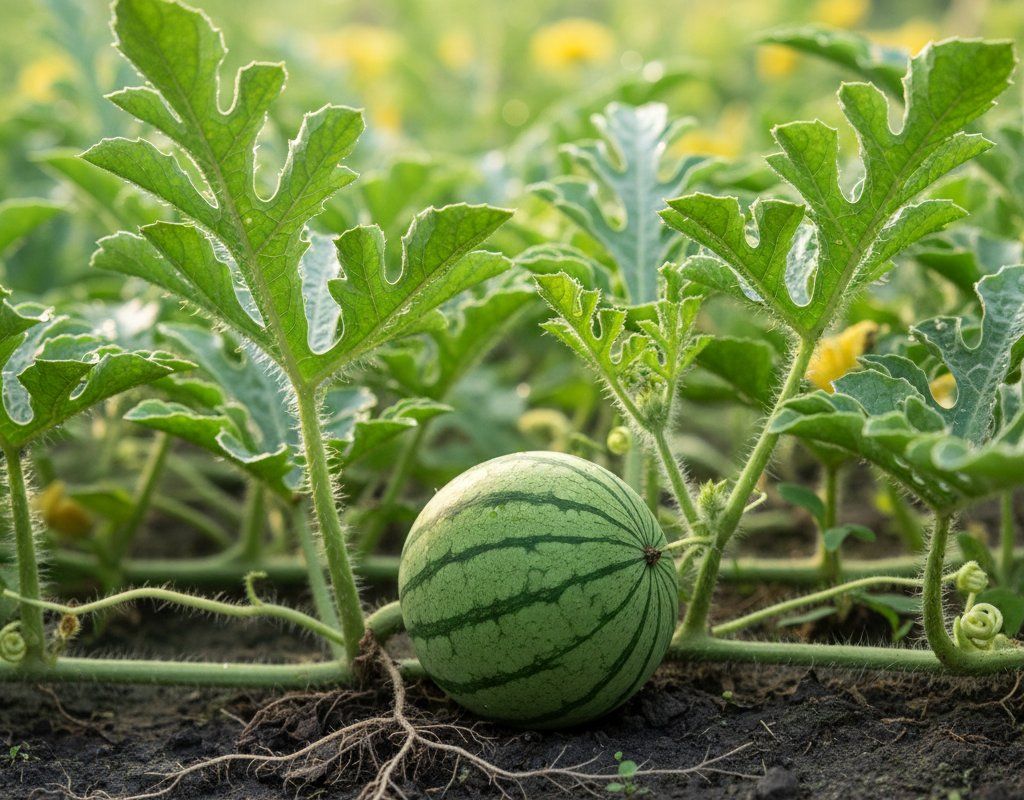
Watermelon in Zone 4A — Midwest
Citrullus lanatus · Your Complete 2026 Planting Guide
Planning Ahead — Great!
You’re ahead of the season. Here’s when to start.
Mark Your Calendar
How to Plant Watermelon in Zone 4A — Midwest
Here are all your options for getting watermelon in the ground, from the easiest method to more advanced approaches.
Direct Sow Seeds
RecommendedLate May through mid June
around May 29
Direct sow as soon as conditions allow.
Needs warm soil. Direct sow works in zones 6+. Start indoors in colder zones.
Buy Starts
Works WellLate May through mid June
around May 29
Plant purchased starts after last frost (May 15).
Start Seeds Indoors
Works WellEarly to late May
around May 8
Then transplant: Late May through mid June
Start seeds 3-5 weeks before transplanting outdoors.
Handle seedlings carefully — melons resent root disturbance.
Transplant Outdoors
Timing InfoLate May through mid June
around May 29
Wait until nighttime temperatures stay above 50°F.
Plan to transplant within a few weeks of your target date.
Overview
Growing watermelons in our Zone 4A Midwest climate gives you those sweet, juicy fruits that taste nothing like the grocery store versions. With our fertile soil and adequate summer heat, watermelons thrive here once the soil warms up, producing impressive harvests that make the wait worthwhile. The moderate-to-humid conditions and reliable rainfall create ideal growing conditions for these heat-loving vines.
Our 128-day growing season gives watermelons enough time to mature, though you'll need to time things right with our variable spring weather. The key is waiting until the soil truly warms up—Memorial Day weekend is your reliable marker here in the Midwest. Once established, watermelons love our summer heat spells and respond well to our natural rainfall patterns.
Starting Seeds Indoors
Starting watermelon seeds indoors works in our Zone 4A climate, but it's not the preferred method since melons hate root disturbance. If you choose this route, start seeds in early to late May, about 3 weeks before you plan to transplant outside. This timing aligns with our moderate-to-late spring character, giving you flexibility around Memorial Day weekend.
Use individual peat pots or biodegradable containers to minimize root shock, and keep seeds warm at 75-80°F for germination. Bottom watering works best—set your seed trays in shallow water rather than watering from above. Provide strong light once seedlings emerge, either from a sunny south window or grow lights.
Handle seedlings with extreme care since watermelons resent any root disturbance. The slightest damage to roots can set plants back weeks or kill them entirely, which is why direct sowing often produces better results in our Midwest growing conditions.
Transplanting Outdoors
Transplant watermelon seedlings outside from late May through mid-June, once soil temperatures consistently reach 65°F and night temperatures stay above 50°F. Wait until after Memorial Day to be safe—our Midwest springs can surprise you with late cold snaps even into early June.
Harden off seedlings gradually over a full week, starting with just 2-3 hours of outdoor exposure and increasing daily. Our variable spring weather makes this step crucial since young plants need time to adjust to outdoor conditions, wind, and temperature swings.
Space transplants 6-8 feet apart in rows, giving these sprawling vines plenty of room to spread. Plant them in the warmest, most protected spot in your garden since transplanted melons need extra time to establish before our summer heat spells arrive.
Direct Sowing
Direct sowing works best for watermelons in our Midwest climate and produces stronger, more resilient plants. Sow seeds from late May through mid-June, once soil temperatures reach 65-70°F consistently. You can check this with a soil thermometer pushed 2 inches deep—don't rely on air temperature alone.
Prepare planting areas by working compost into our naturally fertile soil, creating slightly raised mounds to improve drainage and heat absorption. Plant 3-4 seeds per hill, spacing hills 6-8 feet apart in all directions. Our clay soil benefits from this mound approach since it warms faster and drains better than flat plantings.
Thin to the strongest 1-2 plants per hill once seedlings have their first true leaves. Direct-sown watermelons develop stronger root systems that better handle our summer heat spells and can tap into moisture deeper in the soil during drier periods.
Watering Watermelon in Zone 4A (Midwest)
Watermelons need consistent, deep watering throughout the growing season, but our Midwest climate requires a strategic approach. With 30-40 inches of annual rainfall and moderate-to-humid summers, you'll supplement rather than provide all the water these thirsty plants need. During fruit development, they require about 1-2 inches of water weekly, including rainfall.
Check soil moisture using the finger test—push your finger 2 inches deep near the plant base. If it's dry at that depth, it's time to water deeply. Our clay soil holds moisture well but can become waterlogged during heavy summer rains, so avoid watering if soil feels soggy. Water at the base of plants rather than overhead since our moderate-to-humid conditions can promote fungal diseases when leaves stay wet.
Reduce watering 1-2 weeks before harvest to concentrate sugars and improve flavor—this timing usually works well with our natural late-summer dry spells. During our typical 86°F summer days, established vines might need deep watering twice weekly, but always check soil moisture first since our frequent rainfall can make additional watering unnecessary.
Apply 2-3 inches of organic mulch around plants to retain soil moisture and keep roots cool during summer heat spells. Straw or shredded leaves work well in our climate, helping maintain consistent soil moisture while allowing excess water to drain during heavy Midwest thunderstorms.
🧪Fertilizing Watermelon
Feeding Schedule
Organic Fertilizer Options
Harvest Time
Expect your first watermelons from late August through mid-September, about 85 days after planting. This timing works perfectly with our growing season, giving fruits time to mature before our first frost typically arrives in mid-September. Multiple indicators help determine ripeness since watermelons don't continue ripening once picked.
Look for the ground spot—the area where the watermelon rests on soil—to change from white to creamy yellow or pale yellow. The tendril nearest the fruit attachment point turns brown and dry when the melon is ripe. A ripe watermelon also sounds hollow when thumped with your knuckles, though this takes practice to recognize.
Harvest by cutting the stem with clean pruners rather than pulling, which can damage the vine and any remaining developing fruits. Once picked, watermelons don't improve in sweetness or flavor, so timing is crucial.
As first frost approaches in mid-September, harvest any remaining fruits regardless of size. Green watermelons won't ripen after frost damage, but smaller melons can still be used for pickles or preserves. Cover vines with row covers if frost threatens but melons need just another week or two to mature.
Common Problems in Zone 4A (Midwest)
Fusarium Wilt Wilting starts on one side of the plant and spreads, with yellow leaves appearing first on the affected side. Cut stems show brown streaks inside. Our warm, humid summers create ideal conditions for this soil-borne fungus, which persists in soil for years and enters through roots. Plant resistant varieties marked with 'F' on seed packets, rotate watermelons to different garden areas on a 4-year cycle, and maintain soil pH above 6.5. Remove and destroy infected plants immediately—don't compost them.
Anthracnose Dark, circular, sunken spots appear on fruits, stems, and leaves, often with pink or orange spore masses during wet weather. Our moderate-to-humid conditions and frequent summer rains favor this fungal disease, which spreads through rain splash. Remove infected plant debris, avoid overhead watering, and apply copper fungicide preventatively. Plant disease-free seeds and ensure good air circulation by proper spacing.
Poor Pollination Fruits develop small, misshapen, or fail to form despite abundant flowers. This happens when male and female flowers don't overlap in timing or when pollinators are scarce during cool, wet periods. Hand-pollinate using a small brush to transfer pollen from male to female flowers (female flowers have a small fruit bulge behind the bloom). Plant pollinator-friendly flowers nearby and avoid pesticides during flowering.
Midwest Specific Challenges: Our clay soil can create drainage issues during heavy summer rains, leading to root problems and fungal diseases. Summer heat spells stress plants and reduce pollinator activity, while our variable spring weather can delay soil warming and planting times. The moderate-to-humid conditions favor fungal diseases, making proper spacing and air circulation essential for healthy watermelon production.
Best Companions for Watermelon
Plant these nearby for healthier Watermelon and better harvests.

Keep Away From
Companion Planting Details
Corn makes an excellent companion for watermelons, providing partial shade during the hottest part of summer heat spells while the low-growing watermelon vines act as living mulch around corn stalks. Radishes planted nearby help break up our clay soil and mature quickly, making room for spreading watermelon vines. Sunflowers attract beneficial pollinators essential for watermelon fruit set and can provide windbreak protection during severe weather.
Avoid planting watermelons near potatoes since both are heavy feeders that compete for the same soil nutrients in our fertile but finite garden space. Potatoes can also harbor similar soil-borne diseases that affect watermelons, making crop rotation more difficult in smaller Midwest gardens where space is limited.
🌸Best Flowers to Plant with Watermelon
These flowers protect your Watermelon from pests and attract pollinators for better harvests.


Get a Reminder When It's Time to Plant
We'll email you when key planting windows open for your zone.