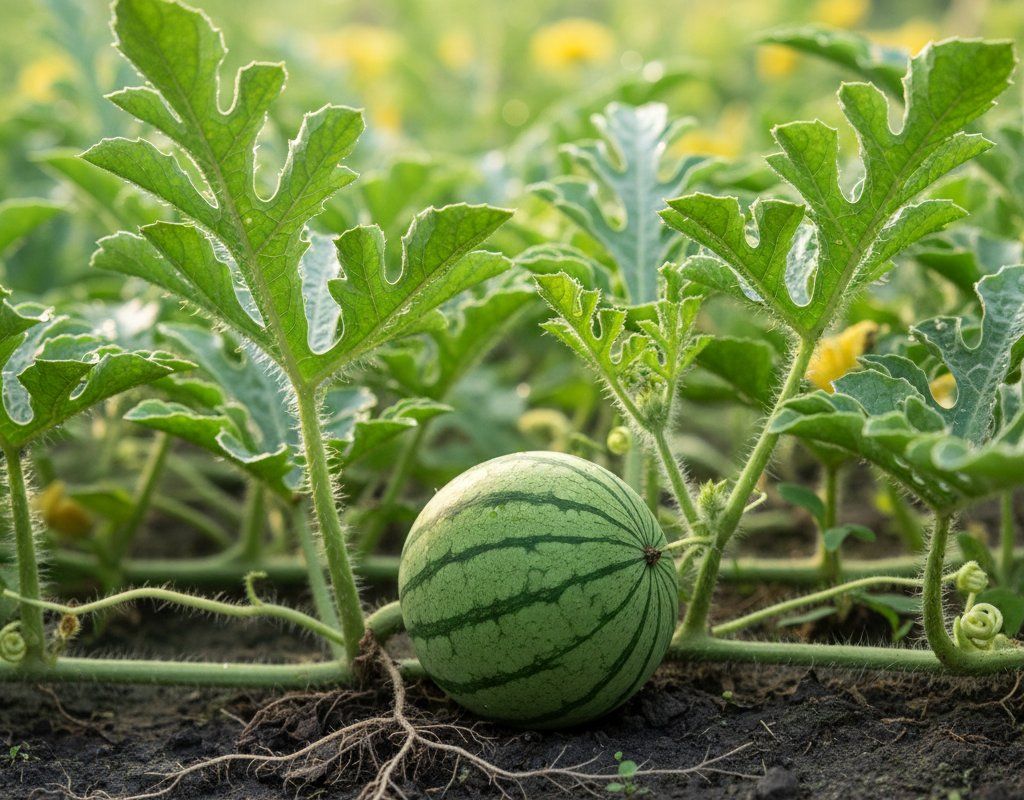
Watermelon in Zone 4A — Mountain West
Citrullus lanatus · Your Complete 2026 Planting Guide
Planning Ahead — Great!
You’re ahead of the season. Here’s when to start.
Mark Your Calendar
How to Plant Watermelon in Zone 4A — Mountain West
Here are all your options for getting watermelon in the ground, from the easiest method to more advanced approaches.
Direct Sow Seeds
RecommendedEarly June
around June 3
Direct sow as soon as conditions allow.
Needs warm soil. Direct sow works in zones 6+. Start indoors in colder zones.
Buy Starts
Works WellEarly June
around June 3
Plant purchased starts after last frost (May 20).
Start Seeds Indoors
Works WellEarly to late May
around May 13
Then transplant: Early June
Start seeds 3-5 weeks before transplanting outdoors.
Handle seedlings carefully — melons resent root disturbance.
Transplant Outdoors
Timing InfoEarly June
around June 3
Wait until nighttime temperatures stay above 50°F.
Plan to transplant within a few weeks of your target date.
Overview
Growing watermelon in our Mountain West high-altitude climate might seem ambitious, but when you bite into a sun-warmed melon you grew yourself at 5,000+ feet, you'll understand why it's worth the effort. Our intense mountain sunlight and cool nights create surprisingly sweet, flavorful fruit that puts store-bought melons to shame. The dramatic day-night temperature swings that challenge so many crops actually work in watermelon's favor, concentrating sugars and developing complex flavors.
Yes, watermelons are heat-lovers that need a long season, and our 118-day growing window keeps things interesting. But with proper timing and a few Mountain-specific tricks, you can absolutely grow beautiful melons here. The key is working with our late spring start and making the most of our brief but intense summer growing season.
Starting Seeds Indoors
Starting watermelon seeds indoors makes sense if you want to squeeze every possible day from our short season, though it's not the preferred method since melons hate root disturbance. If you go this route, start seeds indoors during early to late May, about 3 weeks before your planned transplant date in early June.
Use biodegradable peat pots or paper pots that can go directly into the ground to minimize transplant shock. Plant 2-3 seeds per pot about ½ inch deep in warm, well-draining seed starting mix. Keep soil temperature around 75-80°F for best germination - bottom heating mats work well in our cool mountain homes. Once seedlings emerge, they need strong light for 12-14 hours daily.
Water from the bottom to prevent damping off, and keep seedlings warm and protected from our late spring temperature swings. Handle very carefully at transplant time - even slight root disturbance can set watermelons back weeks, which we can't afford with our abbreviated growing season.
Transplanting Outdoors
Transplant watermelon seedlings outdoors in early June, after soil has warmed and nighttime temperatures stay consistently above 50°F. Our mountain springs are notoriously unpredictable, so wait for stable weather rather than rushing the calendar.
Harden off seedlings gradually over a full week, starting with just an hour of filtered morning sun and working up to full exposure. Space plants 6-8 feet apart each direction - watermelons are sprawling vines that need serious room to spread. Plant the entire biodegradable pot to avoid disturbing roots, setting it slightly deeper than the seedlings were growing indoors.
Watch weather forecasts carefully during the first few weeks after transplanting. Even in early June, we can get surprise cold snaps or hail that will devastate tender transplants. Have row covers or buckets ready to protect plants if temperatures threaten to drop below 55°F at night.
Direct Sowing
Direct sowing is the preferred method for watermelons since they resent transplanting, and it works well in our Mountain climate if you time it right. Wait until early June when soil temperature reaches at least 65°F - use a soil thermometer rather than guessing, since our high-altitude soils warm slower than air temperatures suggest.
Prepare planting areas by working compost into the soil and creating slight mounds to improve drainage and heat absorption. Plant 3-4 seeds per hill, spacing hills 6-8 feet apart each direction. Plant seeds 1 inch deep in our typically dry conditions, covering with loose soil that won't crust over.
The key advantage of direct sowing here is avoiding transplant shock that can cost you 2-3 weeks of growth - time we simply don't have to spare. Once seedlings emerge, thin to the strongest 1-2 plants per hill. This method works best when you can provide consistent moisture and protection from our intense UV during the vulnerable seedling stage.
Watering Watermelon in Zone 4A (Mountain West)
Watermelons are among the thirstiest crops you'll grow in our dry Mountain climate, needing consistent deep watering throughout their growing season. Our low humidity and intense high-altitude sun mean plants lose moisture rapidly, especially during fruit development when melons are literally filling with water.
Provide 1-2 inches of water weekly through deep, infrequent watering sessions rather than daily sprinkles. Water at soil level to avoid wetting foliage in our low-humidity climate where foliar diseases aren't typically a concern, but efficient water use is critical. Check soil moisture with the finger test - stick your finger 2 inches deep near the base of plants, and water when soil feels dry at that depth.
During fruit development from mid-July through mid-August, increase watering to ensure consistent soil moisture. However, reduce watering during the final 1-2 weeks before harvest to concentrate sugars and prevent bland, watery fruit. This timing is crucial with our late-August to mid-September harvest window.
Apply 2-3 inches of organic mulch around plants to conserve moisture and keep soil temperatures stable during our cool mountain nights. Grass clippings or shredded leaves work well and help stretch your precious irrigation water further in our 10-20 inch annual rainfall climate.
🧪Fertilizing Watermelon
Feeding Schedule
Organic Fertilizer Options
Harvest Time
Your first watermelons will be ready for harvest during late August through mid-September, roughly 85 days after planting. In our short season, you'll typically get one main flush of fruit rather than continuous harvests, so timing is everything.
The most reliable ripeness indicator is the ground spot - where the melon rests on soil. This spot changes from white to creamy yellow when the fruit is ripe. Also check the tendril nearest to where the fruit attaches to the vine; it turns brown and dry when the melon is ready. A ripe watermelon gives a deep, hollow thump when you knock on it, rather than a high-pitched sound from an unripe fruit.
Cut melons from the vine with a sharp knife rather than pulling them off. Unlike some fruits, watermelons won't ripen further once harvested, so don't pick them early hoping they'll improve. Harvest all remaining fruit before our first frost in mid-September, even if slightly underripe - they'll still be edible and much sweeter than anything from the store.
With our abbreviated season, you might only get 2-4 melons per plant, but they'll be intensely flavored thanks to our cool nights and intense mountain sun. Store ripe melons in a cool, dry place where they'll keep for 2-3 weeks.
Common Problems in Zone 4A (Mountain West)
Fusarium Wilt What it looks like: Wilting starts on one side of the plant and gradually spreads to the entire plant, even with adequate soil moisture. Leaves turn yellow starting from one side, and if you cut the stem open, you'll see brown streaks running through the vascular system.
What causes it: This soil-borne fungus thrives in our alkaline mountain soils and enters through plant roots. Our intense summer sun and warm soil temperatures during July and August create ideal conditions for fusarium to flourish.
How to fix/prevent it: No cure exists once plants are infected - remove and destroy affected plants immediately. Choose resistant varieties marked with 'F' on seed packets. Since the fungus persists in soil for years, rotate your watermelon patch to a different location and avoid planting other cucurbits in infected areas for at least 4 years.
Poor Pollination What it looks like: Fruits that start developing but remain small and misshapen, or flowers that bloom but drop off without forming fruit. You might see partial fruit development where only sections of the melon grow properly.
What causes it: Our high-altitude environment can stress pollinators, especially during temperature swings common in mountain weather. Cold nights below 50°F or intense midday heat above 90°F can reduce bee activity when flowers need pollination.
How to fix/prevent it: Hand-pollinate using a small paintbrush to transfer pollen from male flowers to female flowers (those with small fruits already forming behind them). Plant pollinator-friendly flowers like cosmos or sunflowers nearby. Avoid using any pesticides during flowering period, and provide shallow water dishes for thirsty mountain pollinators.
Anthracnose What it looks like: Dark, sunken circular spots appear on fruits, leaves, and stems. In humid conditions, you might see pinkish or orange spore masses in the center of spots, though this is less common in our dry climate.
What causes it: This fungal disease spreads through water splash and contaminated tools. While less problematic in our low-humidity climate than in humid regions, it can still develop during periods of irrigation or our brief summer thunderstorms.
How to fix/prevent it: Remove infected plant debris immediately and avoid overhead watering. Space plants properly to ensure good air circulation. If the disease appears, apply copper-based fungicide according to label directions, focusing on preventive applications rather than trying to cure infected plants.
Mountain West Specific Challenges: Our combination of intense UV, alkaline soils, and dramatic temperature swings creates unique stresses for watermelons. The good news is our low humidity reduces many fungal problems common in other regions, but our short season means any setback from disease or poor pollination can cost you your entire crop.
Best Companions for Watermelon
Plant these nearby for healthier Watermelon and better harvests.

Keep Away From
Companion Planting Details
Plant watermelons alongside corn, which provides natural windbreak protection from our mountain gusts while the corn benefits from the watermelons' sprawling vines that help retain soil moisture. Radishes make excellent early-season companions - plant them around your melon hills in late May, and they'll be harvested by the time watermelons need the space. Their quick growth helps break up soil and their peppery scent may deter cucumber beetles.
Sunflowers work beautifully as living trellises on the north side of watermelon patches, providing afternoon shade during the hottest part of our summer while attracting beneficial pollinators essential for fruit set. Avoid planting potatoes anywhere near watermelons - they're both heavy feeders competing for the same nutrients, and potatoes can harbor diseases that affect cucurbit family plants. The potato's deeper root system also competes for the consistent moisture watermelons desperately need in our dry climate.
🌸Best Flowers to Plant with Watermelon
These flowers protect your Watermelon from pests and attract pollinators for better harvests.


Get a Reminder When It's Time to Plant
We'll email you when key planting windows open for your zone.