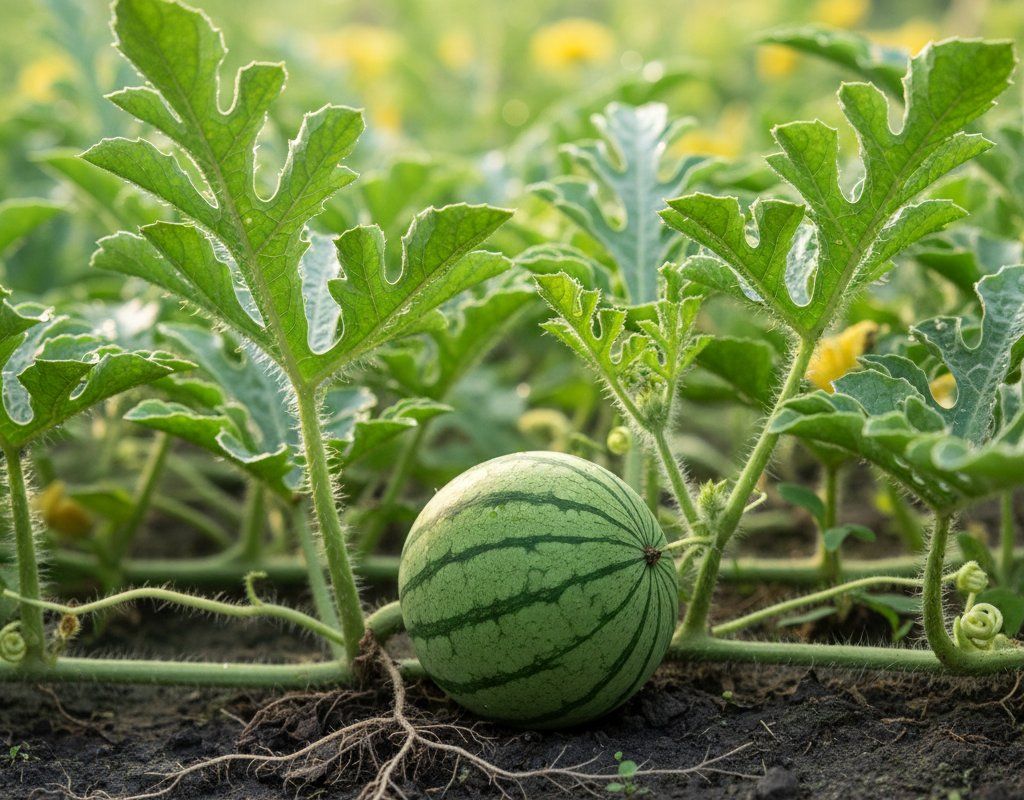
Watermelon in Zone 5A — Mountain West
Citrullus lanatus · Your Complete 2026 Planting Guide
Planning Ahead — Great!
You’re ahead of the season. Here’s when to start.
Mark Your Calendar
How to Plant Watermelon in Zone 5A — Mountain West
Here are all your options for getting watermelon in the ground, from the easiest method to more advanced approaches.
Direct Sow Seeds
RecommendedLate May through mid June
around May 24
Direct sow as soon as conditions allow.
Needs warm soil. Direct sow works in zones 6+. Start indoors in colder zones.
Buy Starts
Works WellLate May through mid June
around May 24
Plant purchased starts after last frost (May 10).
Start Seeds Indoors
Works WellLate April through mid May
around May 3
Then transplant: Late May through mid June
Start seeds 3-5 weeks before transplanting outdoors.
Handle seedlings carefully — melons resent root disturbance.
Transplant Outdoors
Timing InfoLate May through mid June
around May 24
Wait until nighttime temperatures stay above 50°F.
You have a nice window — no need to rush.
Overview
Growing watermelon in our Mountain West climate delivers sweetness that puts grocery store fruit to shame. Our intense high-altitude sun concentrates sugars while cool nights preserve that crisp, juicy texture that makes summer worthwhile. The contrast between our blazing days and crisp evenings creates fruit with exceptional flavor depth that you simply can't replicate at lower elevations.
Yes, watermelons need warmth and our 138-day growing season runs short, but the timing works if you plan it right. Our late spring means waiting until soil truly warms, but once you hit that window from late May into mid-June, our intense Mountain sun takes over. The key is respecting our frost dates and choosing varieties that mature in 85 days or less.
Starting Seeds Indoors
Starting watermelon seeds indoors makes sense when you want to maximize our short season or if you're growing larger varieties that need every possible day. Start seeds from late April through mid-May, about 3 weeks before you plan to transplant outdoors. Our late Mountain spring gives you this narrow window to work with.
Use biodegradable peat pots or cell trays since watermelons hate root disturbance. Keep soil temperature around 75-80°F for best germination. Bottom watering works better than overhead watering to prevent damping off in our dry air.
Handle seedlings like precious cargo when transplanting. Watermelons resent being moved, so disturb roots as little as possible. If you started in peat pots, plant the entire pot and ensure it's completely buried so it decomposes properly in our alkaline soil.
Transplanting Outdoors
Transplant watermelon seedlings outdoors from late May through mid-June, when nighttime temperatures stay consistently above 50°F. Our Mountain nights can still dip surprisingly low even in late May, so wait for that reliable warmth window. Soil should feel warm to your hand, not just air temperature.
Harden off seedlings gradually over a full week before transplanting. Start with 2 hours of morning sun, then increase daily exposure while watching for our intense UV to stress young plants. Even in late May, our high-altitude sun can shock tender seedlings that aren't prepared.
Space plants 6-8 feet apart in all directions. Watermelons sprawl extensively, and proper spacing improves air circulation in our low humidity climate. Plant in raised rows or mounds to help soil warm faster and drain better, especially important with our spring snowmelt and occasional late-season hail.
Direct Sowing
Direct sowing works best for watermelons in our Mountain climate since they hate transplant shock. Wait until late May through mid-June when soil temperature reaches 65-70°F consistently. Our intense sun warms soil quickly once air temperatures stabilize, but patience pays off here.
Prepare planting areas by creating slightly raised mounds 6-8 inches high and 3 feet wide. This helps soil warm faster and provides excellent drainage. Work in compost to improve our typically alkaline soil, aiming for a pH between 6.0-6.8. Plant 3-4 seeds per mound, spacing mounds 6-8 feet apart.
Cover seeds with row covers or clear plastic tunnels for the first few weeks to trap heat and protect from our cold nights. Remove covers once plants start flowering to allow pollinator access. Our low humidity means less disease pressure, making direct sowing more reliable than in humid climates.
Watering Watermelon in Zone 5A (Mountain West)
Watermelons need consistent, deep watering throughout their growing cycle, which requires attention in our dry Mountain climate. Plan on 1-2 inches per week, including any rainfall. Our typical 10-20 inches annual precipitation means you'll be doing most of the watering yourself, especially during fruit development.
Water deeply at soil level rather than overhead. Our low humidity means plants aren't prone to foliar diseases, but ground-level watering conserves precious water and delivers it where roots need it most. Use the finger test: stick your finger 2 inches into soil near the base of plants. If it's dry, water deeply until you see water pooling slightly.
During fruit development, maintain steady moisture but reduce watering 1-2 weeks before harvest. This concentrates sugars and prevents bland, watery fruit. Watch for wilting during our hottest afternoon hours as your cue to increase watering frequency. Our intense sun and low humidity can stress plants quickly.
Apply 3-4 inches of straw mulch around plants to retain moisture and keep soil temperatures stable. In our Mountain climate, mulch also protects developing fruit from ground contact and reduces water needs during our dry summers.
🧪Fertilizing Watermelon
Feeding Schedule
Organic Fertilizer Options
Harvest Time
First watermelons typically ripen from mid-August through late September in our Mountain climate, about 85 days from planting. You'll get your earliest harvest from direct-sown melons planted in late May, while later plantings may race against our first frost in late September.
Check for ripeness using multiple indicators: the ground spot where the melon touches soil turns from white to creamy yellow, the tendril closest to the fruit attachment turns brown and dry, and the melon sounds hollow when thumped. The surface also loses its glossy shine and becomes dull. Don't rely on just one sign.
Cut melons from the vine with sharp pruners rather than pulling, leaving about an inch of stem attached. Handle carefully since watermelons don't ripen further once picked. Our intense UV can sunscald exposed fruit, so check hidden melons that may have developed under foliage.
As first frost approaches in late September, harvest all mature fruit regardless of perfect ripeness indicators. Cover plants with row covers on cold nights to extend the season by a week or two, but be prepared to harvest everything before that hard freeze arrives.
Common Problems in Zone 5A (Mountain West)
Fusarium Wilt You'll notice wilting on one side of the plant first, then spreading across the entire vine. Leaves turn yellow starting from one side, and if you cut the stem, you'll see brown streaks inside. This soil-borne fungus thrives in our warm Mountain soils and persists for years once established.
The fungus enters through roots and there's no cure once plants are infected. Remove and destroy affected plants immediately. Prevention works best: choose varieties labeled with 'F' for fusarium resistance, rotate crops on a 4-year cycle, and keep soil pH above 6.5. Our alkaline soil naturally helps discourage this fungus.
Poor Pollination Fruits develop small, misshapen, or not at all when pollination fails. You'll see flowers blooming but dropping off, or partially developed melons that stop growing. Our high altitude can stress pollinators, and cool morning temperatures may reduce their activity during crucial pollination windows.
Plant sunflowers and native wildflowers nearby to attract more pollinators to your garden. Hand-pollinate with a small brush if needed, transferring pollen from male flowers (on stems) to female flowers (with tiny fruits behind them). Avoid pesticides during flowering and provide shallow water sources for bees.
Anthracnose Dark, sunken circular spots appear on fruits, stems, and leaves. In wet conditions, you might see pink or orange spore masses in the center of spots. This fungal disease spreads through rain splash and thrives in humidity, though our dry Mountain air usually keeps it manageable.
Remove infected plant debris and avoid overhead watering. Our low humidity naturally reduces anthracnose pressure compared to humid regions. Apply copper fungicide preventatively if you've had problems before, and always use clean, disease-free seeds from reputable sources.
Mountain West Specific Challenges: Our intense UV can stress watermelon plants and cause fruit sunscald, while sudden hail storms can damage developing melons in minutes. Cold nights even in summer can slow growth, and our alkaline soil may require pH adjustment for optimal nutrient uptake.
Best Companions for Watermelon
Plant these nearby for healthier Watermelon and better harvests.

Keep Away From
Companion Planting Details
Plant watermelons with corn, radishes, and sunflowers for the best Mountain growing results. Corn provides natural windbreaks against our afternoon gusts while creating beneficial microclimates that trap heat during cool nights. The corn's vertical growth doesn't compete with sprawling watermelon vines for ground space.
Radishes planted around watermelon mounds help break up our often-compacted Mountain soils while deterring cucumber beetles. Sunflowers attract the pollinators that watermelons desperately need in our high-altitude environment where bee populations can be sporadic. Avoid planting near potatoes, which can harbor similar pests and compete for the deep watering that both crops require in our dry climate.
🌸Best Flowers to Plant with Watermelon
These flowers protect your Watermelon from pests and attract pollinators for better harvests.


Get a Reminder When It's Time to Plant
We'll email you when key planting windows open for your zone.