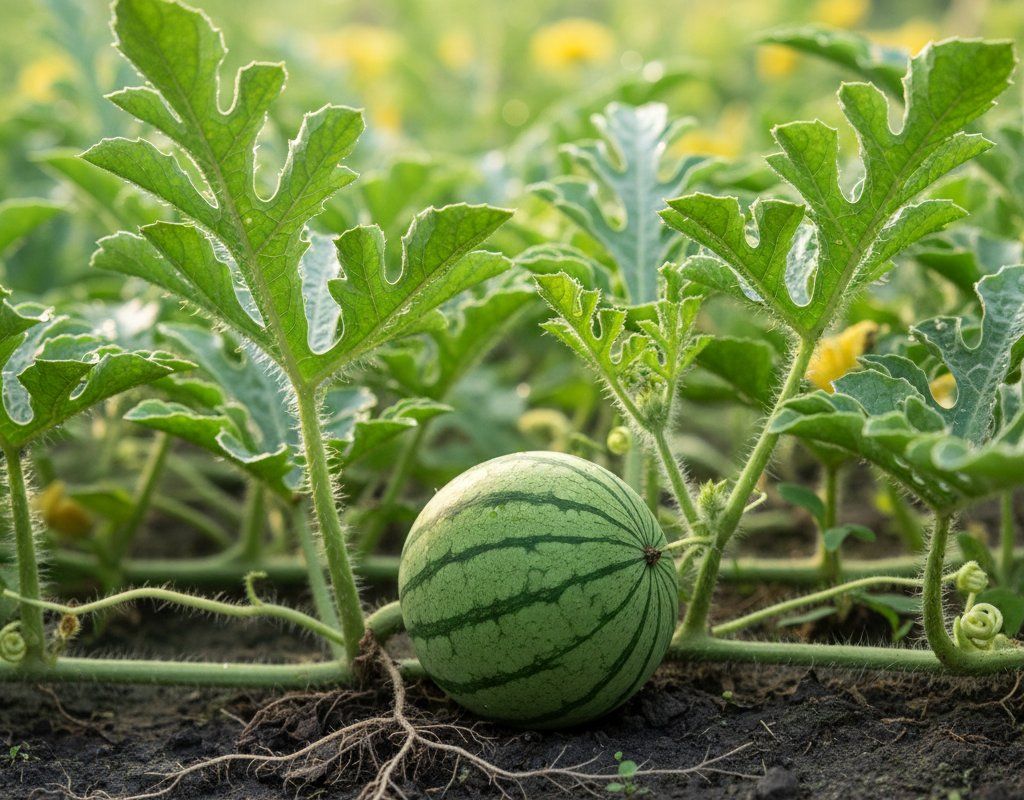
Watermelon in Zone 5A — Northeast
Citrullus lanatus · Your Complete 2026 Planting Guide
Planning Ahead — Great!
You’re ahead of the season. Here’s when to start.
Mark Your Calendar
How to Plant Watermelon in Zone 5A — Northeast
Here are all your options for getting watermelon in the ground, from the easiest method to more advanced approaches.
Direct Sow Seeds
RecommendedMid May through late June
around May 15
Consider succession planting every 2-3 weeks for continuous harvest.
Needs warm soil. Direct sow works in zones 6+. Start indoors in colder zones.
Buy Starts
Works WellMid May through mid June
around May 15
Plant purchased starts after last frost (May 1).
Start Seeds Indoors
Works WellMid April through early May
around April 24
Then transplant: Mid May through mid June
Start seeds 3-5 weeks before transplanting outdoors.
Handle seedlings carefully — melons resent root disturbance.
Transplant Outdoors
Timing InfoMid May through mid June
around May 15
Wait until nighttime temperatures stay above 50°F.
You have a nice window — no need to rush.
Overview
Growing watermelon in Zone 5A might seem ambitious, but our Northeast summers pack enough heat and humidity to ripen these sweet giants. The payoff is incredible – nothing beats the satisfaction of slicing into a sun-warmed melon you grew yourself, especially when our cool nights concentrate those sugars into intensely sweet flesh that puts store-bought melons to shame.
With our 153-day growing season and tendency toward late spring warmth, watermelons need strategic timing and variety selection. Choose early varieties (85 days or less) and focus on getting them established quickly once soil temperatures cooperate. The key is working with our compressed summer window, not against it.
Starting Seeds Indoors
Starting watermelon seeds indoors makes sense if you want to maximize our short growing season or have a particularly cool spring. Begin mid-April through early May, about 3 weeks before your planned transplant date. This gives you a jumpstart when late spring weather keeps soil temperatures too cool for direct sowing.
Use individual peat pots or biodegradable containers since melons hate root disturbance. Keep seeds warm (75-80°F) and provide strong light once they germinate. Bottom watering works best – set your seed trays in shallow water rather than watering from above.
Handle seedlings carefully when transplanting. Even minor root disturbance can set them back weeks, and in our climate, you can't afford that delay. If you're not confident about gentle transplanting, direct sowing is often more reliable.
Transplanting Outdoors
Transplant watermelon seedlings mid-May through mid-June, once nighttime temperatures consistently stay above 55°F and soil has warmed to at least 65°F. Our late springs make patience essential – rushing transplants into cool soil often means starting over.
Harden off seedlings gradually over a full week, starting with an hour outdoors in filtered sun and building up to full exposure. Space plants 6-8 feet apart in all directions – they'll sprawl across significant territory by midsummer.
Watch weather forecasts carefully during transplant season. Even late May can bring unexpected cool snaps that stress young plants. Keep row covers handy for protection during those first few vulnerable weeks.
Direct Sowing
Direct sowing is the most reliable method for watermelons in our Northeast climate. Wait until mid-May through late June when soil temperature reaches 65°F consistently – cold, wet soil means poor germination and potential seed rot.
Prepare planting areas by working compost into our typically rocky New England soil, creating loose, well-draining mounds about 12 inches wide. Plant 3-4 seeds per hill, spacing hills 6-8 feet apart. Cover seeds with ½ inch of fine soil and keep consistently moist until germination.
Once seedlings emerge, thin to the strongest plant per hill. Direct-sown plants often outperform transplants since they develop strong root systems without transplant shock. The trade-off is a later start, but in our climate, robust root development often wins over extra weeks of stressed transplant growth.
Watering Watermelon in Zone 5A (Northeast)
Watermelons are thirsty plants that need consistent moisture throughout their growing cycle, requiring about 1-2 inches of water weekly. In our moderate Northeast summers with typical highs around 82°F, you'll likely need to supplement our 40-50 inches of annual rainfall during dry spells.
Check soil moisture using the finger test – stick your finger 2 inches deep near the base of the plant. If it's dry at that depth, it's time to water. Our moderate-to-humid conditions mean you should water at the base rather than overhead to prevent foliar diseases that thrive in humid air.
During fruit development, maintain steady soil moisture but avoid waterlogged conditions. Inconsistent watering leads to cracking or poor flavor development. About 2 weeks before harvest, reduce watering to concentrate sugars – this is especially effective with our cool nights that naturally enhance sugar production.
Mulch around plants with straw or shredded leaves to retain moisture and suppress weeds. In our climate, organic mulch also helps moderate soil temperature swings between our warm days and cool nights.
🧪Fertilizing Watermelon
Feeding Schedule
Organic Fertilizer Options
Harvest Time
Expect your first watermelons from early August through early October, depending on variety and planting timing. With 85-day varieties, melons planted in mid-May should be ready by mid-August – perfect timing for peak summer enjoyment.
Look for several ripeness indicators: the ground spot (where the melon sits) turns from white to creamy yellow, the tendril closest to the fruit stem turns brown and dry, and the melon sounds hollow when thumped. The skin develops a dull finish rather than glossy shine.
Harvest by cutting the stem with clean shears rather than pulling. Watermelons don't continue ripening once picked, so wait for full maturity signs. Handle carefully – even small nicks can lead to rapid spoilage.
As early October approaches and first frost threatens, harvest any melons showing partial ripeness indicators. While they won't sweeten further, they're still usable for preserves or pickled rinds – nothing goes to waste in our short growing season.
Common Problems in Zone 5A (Northeast)
Fusarium Wilt This shows up as wilting on one side of the plant first, with yellowing leaves that gradually spread across the entire plant. If you cut the stem open, you'll see brown streaks inside. Our moderate soil temperatures can still favor this soil-borne fungus, especially in poorly-draining areas common in rocky New England soil. Plant resistant varieties marked with 'F' on seed packets, rotate crops on a 4-year cycle, and improve drainage in heavy clay areas.
Anthracnose Look for sunken, dark circular spots on fruit, leaves, and stems. In wet weather, you might see pink or orange spore masses in the spots. Our moderate-to-humid summers provide ideal conditions for this fungal disease, especially when combined with frequent rainfall. Remove infected plant material immediately, avoid overhead watering, and apply copper fungicide preventatively during humid periods.
Poor Pollination Fruits develop small, misshapen, or fail to form entirely despite flowering. This often happens when cool spring weather delays pollinator activity or creates timing mismatches between male and female flowers. Plant pollinator-friendly flowers nearby, consider hand-pollinating with a small brush during cool mornings, and avoid pesticide applications during bloom time.
Northeast Specific Challenges Our moderate summer heat and even rainfall create perfect conditions for fungal problems, while our compressed growing season leaves little room for replanting if disease strikes early. The combination of humid air and cool nights can promote foliar diseases, making good air circulation and base watering especially important for healthy fruit development.
Best Companions for Watermelon
Plant these nearby for healthier Watermelon and better harvests.

Keep Away From
Companion Planting Details
Plant watermelons alongside corn, which provides natural windbreaks for the sprawling vines while creating beneficial microclimates in our sometimes breezy Northeast summers. Radishes make excellent early companions – plant them around watermelon hills in spring, harvest them before the melons need space, and benefit from the radishes' soil-loosening effect in our rocky ground.
Sunflowers planted nearby attract beneficial pollinators crucial for good fruit set, especially important given our shorter pollinator season. Avoid planting near potatoes, which can harbor similar pests and compete for the deep soil nutrients that watermelons need for proper fruit development. In our nutrient-challenged New England soils, this competition can significantly impact melon size and sweetness.
🌸Best Flowers to Plant with Watermelon
These flowers protect your Watermelon from pests and attract pollinators for better harvests.


Get a Reminder When It's Time to Plant
We'll email you when key planting windows open for your zone.