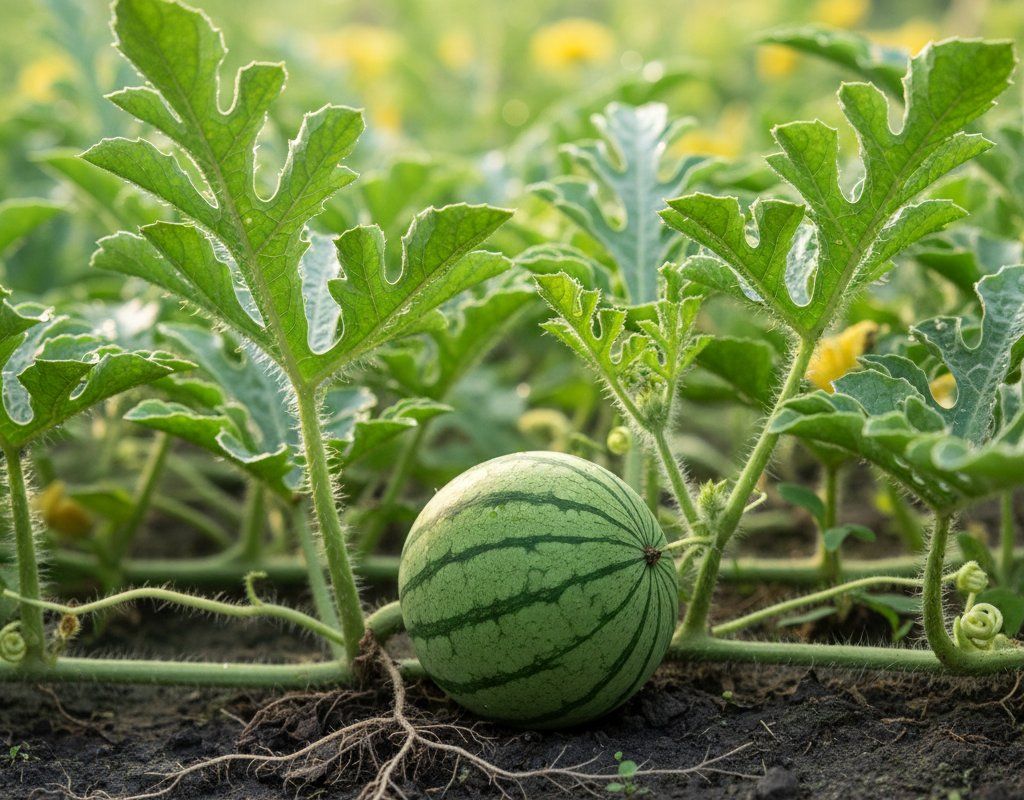
Watermelon in Zone 5A — Great Plains
Citrullus lanatus · Your Complete 2026 Planting Guide
Planning Ahead — Great!
You’re ahead of the season. Here’s when to start.
Mark Your Calendar
How to Plant Watermelon in Zone 5A — Great Plains
Here are all your options for getting watermelon in the ground, from the easiest method to more advanced approaches.
Direct Sow Seeds
RecommendedEarly May through early July
around May 9
Consider succession planting every 2-3 weeks for continuous harvest.
Needs warm soil. Direct sow works in zones 6+. Start indoors in colder zones.
Buy Starts
Works WellEarly May through early June
around May 9
Plant purchased starts after last frost (April 25).
Start Seeds Indoors
Works WellMid April through early May
around April 18
Then transplant: Early May through early June
Start seeds 3-5 weeks before transplanting outdoors.
Handle seedlings carefully — melons resent root disturbance.
Transplant Outdoors
Timing InfoEarly May through early June
around May 9
Wait until nighttime temperatures stay above 50°F.
You have a nice window — no need to rush.
Overview
Growing watermelons on the Plains gives you fruit that puts grocery store offerings to shame – deep red flesh bursting with juice that actually tastes like summer. Our intense sunshine and fertile prairie soil create perfect conditions for developing those complex, sweet flavors that make biting into a home-grown watermelon feel like pure luxury. The satisfaction of harvesting a 20-pound melon you started from seed makes every bit of effort worthwhile.
Yes, our extreme weather and variable rainfall present challenges, but with our 168-day growing season, you have plenty of time to work with watermelons' 85-day maturity window. The key is understanding our spring's unpredictable nature and planning your planting timing around soil temperature rather than calendar dates.
Starting Seeds Indoors
Starting watermelon seeds indoors makes sense if you want to maximize your growing season or if you're dealing with a particularly challenging spring. Start seeds mid-April through early May, about 3 weeks before you plan to transplant outdoors. Use biodegradable peat pots since melons hate root disturbance – you'll plant the whole pot directly in the ground.
Set up your seed trays in a warm spot (75-85°F) with good light once they germinate. Bottom watering works best to prevent damping-off disease and keeps seedlings from getting too leggy. Keep the soil consistently moist but not waterlogged.
Remember that our Plains springs can swing from 80°F one day to freezing the next, so indoor starting gives you insurance against late cold snaps. However, watermelons actually prefer direct seeding since they don't transplant easily – only start indoors if you're pushing the season limits.
Transplanting Outdoors
Transplant your watermelon seedlings outdoors from early May through early June, once soil temperatures consistently stay above 65°F and night temperatures don't drop below 50°F. That usually means waiting until after our last average frost date, but watch the actual weather rather than the calendar.
Harden off seedlings for a full week before transplanting – our Plains wind can shock tender plants quickly. Start with 2-3 hours of morning sun and gradually increase exposure. Space plants 6-8 feet apart in all directions; they need room to sprawl and adequate air circulation.
Plant on a calm day if possible, and water deeply after transplanting. Be prepared to cover plants with row covers or water walls if unexpected cool weather threatens – our spring temperature swings can still catch you off guard even in late May.
Direct Sowing
Direct sowing is the preferred method for watermelons on the Plains, and you have a generous window from early May through early July. Wait until soil temperature reaches at least 65°F at a 2-inch depth – use a soil thermometer rather than guessing. Cold soil leads to poor germination and fungal problems.
Prepare planting areas by working compost into our prairie soil, which usually drains well but benefits from extra organic matter. Plant seeds 1 inch deep in hills spaced 6-8 feet apart, planting 4-6 seeds per hill. Once seedlings are established and past the first true leaf stage, thin to the strongest 2-3 plants per hill.
The beauty of direct sowing is avoiding transplant shock, which watermelons particularly dislike. Seeds planted in late May or early June still have plenty of time to mature before our first fall frost in early October. Even July plantings can work for shorter-season varieties if you choose 75-day types.
Watering Watermelon in Zone 5A (Great Plains)
Watermelons are thirsty plants that need consistent moisture throughout the growing season, which can be challenging with our variable Plains rainfall. They require about 1-2 inches of water per week, including rainfall, but our typical 15-35 inches annually means you'll be supplementing regularly during dry spells.
During fruit development, increase watering to ensure steady growth – inconsistent moisture leads to cracking or poor flavor development. Use the finger test by pushing 2 inches into the soil near plants; if it's dry at that depth, it's time to water deeply. Water at the base of plants rather than overhead to prevent foliar diseases, though our low-to-moderate humidity helps reduce disease pressure compared to more humid regions.
About 1-2 weeks before harvest time, reduce watering significantly to concentrate sugars and improve flavor. This timing takes practice, but watching for the ground spot to change from white to creamy yellow helps you gauge when to start backing off water.
Mulch around plants with straw or grass clippings to conserve moisture and reduce competition from weeds. Our hot summers and frequent wind can dry out soil quickly, making mulch especially valuable for maintaining consistent soil moisture through our intense growing season.
🧪Fertilizing Watermelon
Feeding Schedule
Organic Fertilizer Options
Harvest Time
Your first watermelons should be ready from early August through early October, depending on when you planted and which variety you chose. Look for three key signs of ripeness: the ground spot (where the melon sits on soil) turns from white to creamy yellow, the tendril nearest to the fruit's stem turns brown and dry, and the melon sounds hollow when thumped with your knuckles.
Harvest in the morning when temperatures are cooler, cutting the stem with sharp pruners rather than pulling the fruit. Unlike some melons, watermelons don't continue ripening once removed from the vine, so make sure they're truly ready before cutting.
Store harvested melons in a cool, dry place where they'll keep for 2-3 weeks. Whole melons handle our temperature swings better than cut fruit, which should be refrigerated and eaten within a few days.
As first frost approaches in early October, harvest any remaining fruit regardless of size – even unripe watermelons make decent pickles or preserves. Cover plants with row covers if you need to buy a few extra days, but don't expect miracles once nighttime temperatures consistently drop into the 40s.
Common Problems in Zone 5A (Great Plains)
Fusarium Wilt Watch for wilting that starts on one side of the plant first, then spreads to the entire vine. Leaves turn yellow beginning on the affected side, and if you cut the stem open, you'll see brown streaks inside. This soil-borne fungus thrives in our warm prairie soils and can persist for years once established.
Prevention is your best defense since there's no cure once plants are infected. Choose resistant varieties marked with 'F' on seed packets, rotate watermelons to different garden areas on a 4-year cycle, and maintain soil pH above 6.5. Remove and destroy affected plants immediately – don't compost them.
Anthracnose This fungal disease creates sunken, dark circular spots on fruit, leaves, and stems. During humid periods, you might see pink or orange spore masses in the center of spots. Our low-to-moderate humidity helps reduce pressure from this disease compared to more humid regions, but wet springs can still trigger problems.
Avoid overhead watering and remove infected plant debris promptly. Apply copper-based fungicides preventatively if you've had problems before, and always use disease-free seeds from reputable sources. Good air circulation between plants helps prevent spore buildup.
Poor Pollination Fruits that start developing but remain small, become misshapen, or drop off entirely usually indicate pollination problems. You might see flowers blooming abundantly but failing to set fruit, or fruits that develop unevenly with thick ends and thin middles.
Hand-pollinate using a small brush to transfer pollen from male flowers (on stems) to female flowers (with small fruit visible at the base). Plant pollinator-friendly flowers nearby and avoid using pesticides during bloom time. Our Plains wind can actually help with pollination once bees visit your plants.
Great Plains Specific Challenges: Our combination of intense heat, frequent wind, and variable rainfall creates unique stresses for watermelons. Wind protection becomes essential for young plants, while our hot, dry summers require consistent irrigation despite watermelons' relatively good heat tolerance. Hail storms can devastate crops overnight, making season extension techniques valuable for getting multiple planting windows.
Best Companions for Watermelon
Plant these nearby for healthier Watermelon and better harvests.

Keep Away From
Companion Planting Details
Corn makes an excellent companion for watermelons, providing natural wind protection that young vines desperately need on the Plains. The corn's upright growth doesn't compete with watermelons' spreading habit, and both crops appreciate similar soil conditions and watering schedules. Plant corn on the windward side of your watermelon patch for maximum protection.
Radishes planted around watermelon hills help break up soil compaction and may deter cucumber beetles, while sunflowers create additional windbreaks and attract pollinators essential for fruit set. Avoid planting potatoes anywhere near watermelons – they're susceptible to similar diseases and can increase pressure from shared pests like wireworms, which are common in our prairie soils.
🌸Best Flowers to Plant with Watermelon
These flowers protect your Watermelon from pests and attract pollinators for better harvests.


Get a Reminder When It's Time to Plant
We'll email you when key planting windows open for your zone.