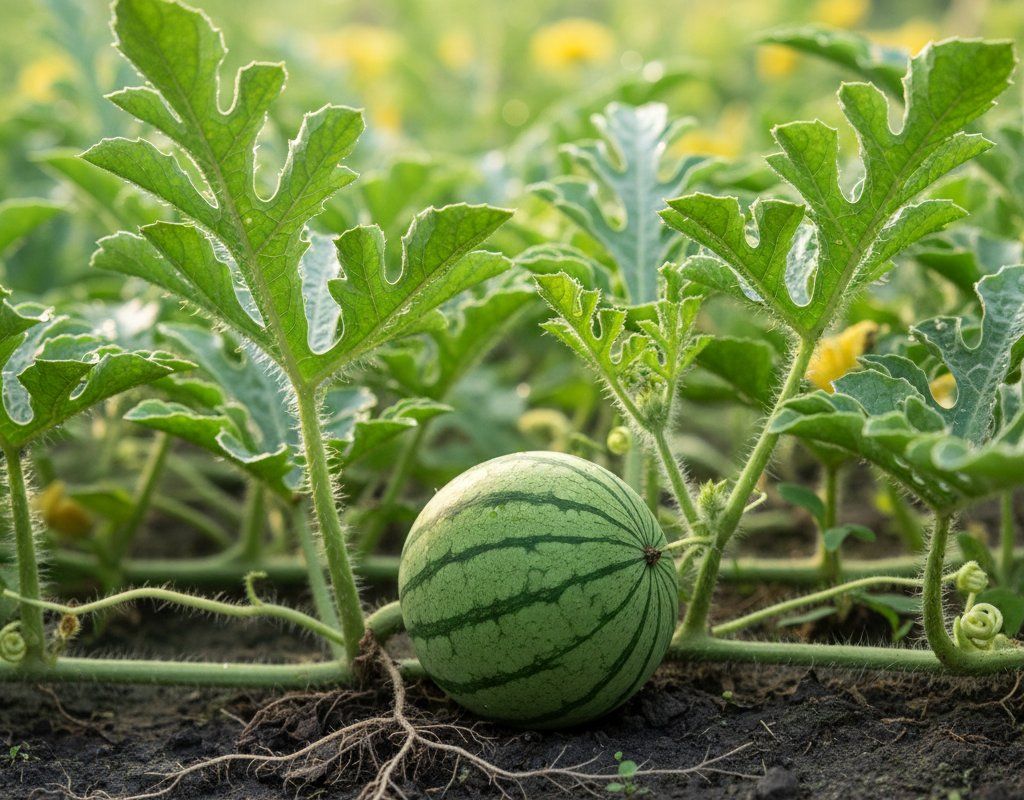
Watermelon in Zone 5B — Midwest
Citrullus lanatus · Your Complete 2026 Planting Guide
Planning Ahead — Great!
You’re ahead of the season. Here’s when to start.
Mark Your Calendar
How to Plant Watermelon in Zone 5B — Midwest
Here are all your options for getting watermelon in the ground, from the easiest method to more advanced approaches.
Direct Sow Seeds
RecommendedEarly May through early July
around May 9
Consider succession planting every 2-3 weeks for continuous harvest.
Needs warm soil. Direct sow works in zones 6+. Start indoors in colder zones.
Buy Starts
Works WellEarly May through early June
around May 9
Plant purchased starts after last frost (April 25).
Start Seeds Indoors
Works WellMid April through early May
around April 18
Then transplant: Early May through early June
Start seeds 3-5 weeks before transplanting outdoors.
Handle seedlings carefully — melons resent root disturbance.
Transplant Outdoors
Timing InfoEarly May through early June
around May 9
Wait until nighttime temperatures stay above 50°F.
You have a nice window — no need to rush.
Overview
Growing watermelon in our Zone 5B Midwest gardens gives you the satisfaction of slicing into a perfectly sweet, juicy melon that no grocery store can match. Our fertile soil and summer heat create ideal conditions for developing those complex flavors, while our adequate rainfall means less irrigation stress during the critical growing months. There's nothing quite like a sun-warmed watermelon picked fresh from your own patch on a hot August afternoon.
While our shorter growing season requires some planning, watermelon is absolutely doable here with our 168-day season. The key is working with our variable spring weather and getting plants established after the soil truly warms up. Once summer heat arrives, these vines take off in our rich Midwest soil.
Starting Seeds Indoors
Starting watermelon indoors can give you a head start, but it's not the preferred method since melons hate root disturbance. If you want to try it, start seeds from mid-April through early May, about 3 weeks before you plan to transplant outdoors. Use individual peat pots or biodegradable containers that can go straight into the ground.
Keep seed trays warm (80-85°F) and provide bottom watering to avoid disturbing the seeds. Once seedlings emerge, they need bright light and consistent moisture. Our moderate-to-late spring start means you'll likely need grow lights since natural light isn't reliable enough yet.
Handle transplants very carefully when the time comes. Watermelon seedlings are notoriously finicky about root disturbance, so many Midwest gardeners find direct sowing more reliable despite the shorter season.
Transplanting Outdoors
If you've started watermelon indoors, transplant from early May through early June, after soil temperatures consistently stay above 65°F. Spend a full week hardening off seedlings gradually - start with 2-3 hours outdoors in filtered sun, increasing daily until they can handle full sun and wind.
Space transplants 6-8 feet apart in all directions since these vines will spread extensively. Plant the entire biodegradable pot if you used them, or be extremely gentle removing plants from containers. Even slight root damage can set back growth significantly.
Watch for late cold snaps that can still surprise us in early May. Keep row covers handy for unexpected temperature drops, and don't rush the process - soil that feels warm to your hand is more important than the calendar date.
Direct Sowing
Direct sowing is the recommended method for watermelon in our region. Plant from early May through early July, with the sweet spot being late May when soil has warmed reliably. Check soil temperature at 2-inch depth - you want consistent 70°F or higher for good germination.
Prepare planting areas by working compost into our typically heavy clay soil to improve drainage. Plant 3-4 seeds in hills spaced 6-8 feet apart, covering seeds about 1 inch deep. Once seedlings are established with their first true leaves, thin to the strongest plant per hill.
The extended planting window gives you flexibility with our Midwest weather patterns. Early plantings catch more growing season but risk cool soil delays, while June plantings face less weather stress but need every warm day to mature properly.
Watering Watermelon in Zone 5B (Midwest)
Watermelons need consistent, deep watering throughout their growth cycle, but our moderate-to-humid Midwest summers require a different approach than drier regions. These plants need about 1-2 inches of water weekly, but our 30-40 inches of annual rainfall often provides much of this naturally.
Focus your irrigation during dry spells and the critical fruit development stage from mid-July through August. Water deeply at soil level rather than overhead - our moderate-to-humid conditions make plants more susceptible to fungal issues with wet foliage. Use the finger test: if soil feels dry 2 inches down, it's time to water.
During our typical summer heat spells, increase watering frequency but maintain the same deep soaking approach. A thick layer of straw mulch helps retain soil moisture and prevents clay soil from crusting over. This is especially important during those stretches when temperatures climb toward 90°F for several days.
Stop heavy watering about 1-2 weeks before harvest to concentrate sugars and prevent bland, watery fruit. Light watering to prevent wilting is fine, but avoid soaking the root zone during this final ripening period.
🧪Fertilizing Watermelon
Feeding Schedule
Organic Fertilizer Options
Harvest Time
Your first watermelons will be ready from early August through early October, typically 85 days after sowing. The most reliable ripeness indicator is the ground spot - where the melon touches soil - changing from white to creamy yellow. The tendril closest to the fruit stem also turns brown and dry when the melon is ready.
Give ripe melons the "thump test" - they should sound hollow rather than dull when knocked with your knuckles. The skin becomes dull rather than glossy, and you may notice the melon stops growing noticeably. Unlike tomatoes, watermelons won't ripen further once picked, so accuracy matters.
Cut melons from the vine with a sharp knife rather than pulling, leaving about an inch of stem attached. Handle carefully since the skin is more tender than it appears. Store harvested melons in a cool, dry place where they'll keep for 2-3 weeks.
As our first frost approaches in early October, harvest any melons that show signs of ripening even if they're not perfectly ready. Green melons won't ripen off the vine, but those with some yellow ground spot development may continue improving indoors for a few days.
Common Problems in Zone 5B (Midwest)
Fusarium Wilt Watch for wilting that starts on one side of the plant before spreading, often accompanied by yellowing leaves in the same pattern. If you cut open the stem, you'll see brown streaks inside. This soil-borne fungus loves our warm summer soil and can persist for years once established.
Plant resistant varieties marked with 'F' on seed packets, and rotate your melon crops to different garden areas every 4 years. Our clay soil tends to hold moisture, which can worsen the problem, so focus on improving drainage with compost and raised beds.
Anthracnose This fungal disease shows up as sunken, dark circular spots on fruit, stems, and leaves. During humid weather, you might see pink or orange spore masses in the center of spots. Our moderate-to-humid summer conditions can encourage this disease, especially with overhead watering.
Avoid watering leaves directly, remove infected plant debris promptly, and apply copper fungicide preventatively if you've had problems before. The key is keeping foliage dry during our naturally humid summer evenings.
Poor Pollination Misshapen, small, or underdeveloped fruits signal pollination problems. You might see flowers blooming but dropping off, or partially developed melons that stop growing. This often happens during extreme heat spells when our temperatures spike above 90°F.
Plant pollinator-friendly flowers nearby and avoid pesticide use during flowering. Hand-pollinate with a small brush during morning hours when pollen is most viable. Our summer heat spells can stress both plants and pollinators, so providing water sources helps maintain pollinator activity.
Midwest Specific Challenges Our moderate-to-hot summers with moderate-to-humid conditions create the perfect storm for fungal diseases, while clay soil can lead to drainage issues that stress plants. The combination of adequate rainfall and humidity means focusing on air circulation and avoiding overhead watering becomes especially critical for healthy watermelon production.
Best Companions for Watermelon
Plant these nearby for healthier Watermelon and better harvests.

Keep Away From
Companion Planting Details
Corn makes an excellent watermelon companion in our Midwest gardens, providing natural wind protection during summer storms while the melon vines spread beneath without competing for the same soil nutrients. Radishes planted around melon hills help break up clay soil and can deter cucumber beetles early in the season. Sunflowers planted at the edges of melon patches attract beneficial pollinators while their deep taproots don't compete with the melons' spreading root system.
Avoid planting watermelons near potatoes, as both crops are susceptible to similar fungal diseases that thrive in our humid summer conditions. The proximity increases disease pressure for both plants, and potatoes' shallow root system competes directly with spreading melon vines for nutrients in our fertile but sometimes compacted soil.
🌸Best Flowers to Plant with Watermelon
These flowers protect your Watermelon from pests and attract pollinators for better harvests.


Get a Reminder When It's Time to Plant
We'll email you when key planting windows open for your zone.