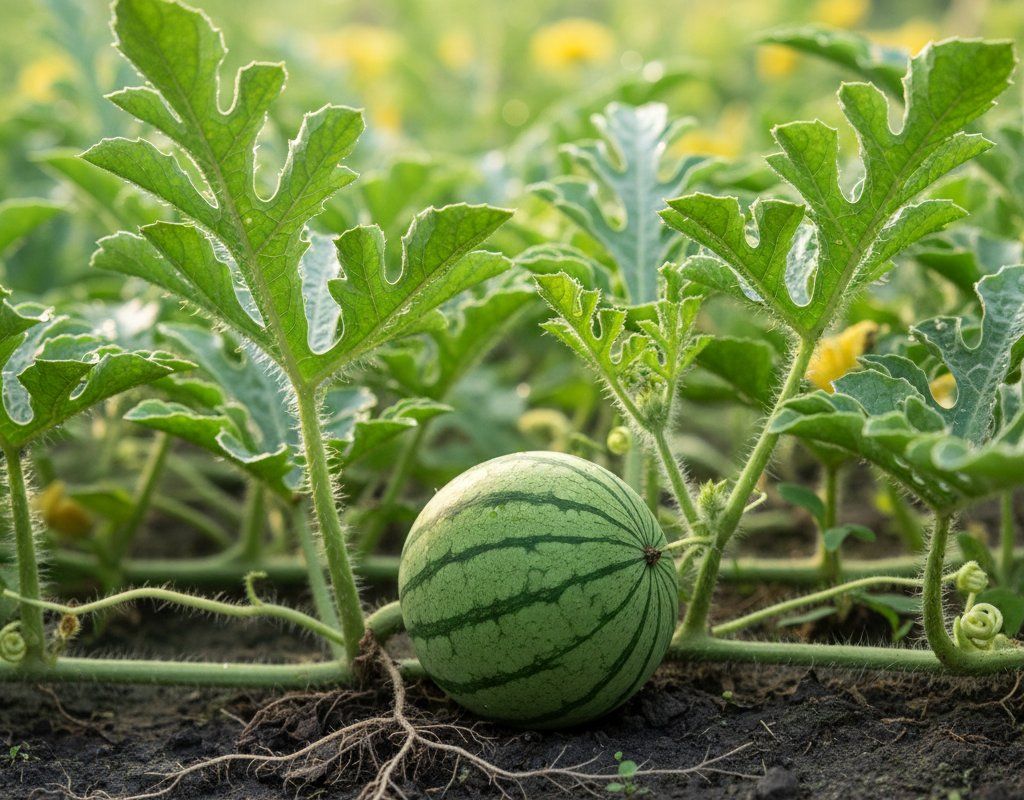
Watermelon in Zone 5B — Mountain West
Citrullus lanatus · Your Complete 2026 Planting Guide
Planning Ahead — Great!
You’re ahead of the season. Here’s when to start.
Mark Your Calendar
How to Plant Watermelon in Zone 5B — Mountain West
Here are all your options for getting watermelon in the ground, from the easiest method to more advanced approaches.
Direct Sow Seeds
RecommendedMid May through late June
around May 19
Direct sow as soon as conditions allow.
Needs warm soil. Direct sow works in zones 6+. Start indoors in colder zones.
Buy Starts
Works WellMid May through mid June
around May 19
Plant purchased starts after last frost (May 5).
Start Seeds Indoors
Works WellLate April through mid May
around April 28
Then transplant: Mid May through mid June
Start seeds 3-5 weeks before transplanting outdoors.
Handle seedlings carefully — melons resent root disturbance.
Transplant Outdoors
Timing InfoMid May through mid June
around May 19
Wait until nighttime temperatures stay above 50°F.
You have a nice window — no need to rush.
Overview
Growing watermelon at high altitude might sound ambitious, but these sweet giants can absolutely thrive in our Mountain West gardens. With our intense sunlight and cool nights, watermelons develop exceptional flavor concentration — the temperature swings that make our climate challenging actually enhance sugar development in the fruit. Plus, our low humidity means fewer fungal diseases to worry about compared to muggy climates.
The key is working with our short 149-day growing season and understanding that watermelons need warmth to get going. While our late spring start means we can't plant as early as gardeners in milder zones, our intense summer sun more than makes up for it. With proper timing and a little attention to soil warming, you'll be slicing into homegrown watermelon by late August.
Starting Seeds Indoors
Starting watermelon seeds indoors gives you a head start in our short Mountain growing season, though it's not the preferred method since melons resent root disturbance. If you choose this route, start seeds in late April through mid-May, about 3 weeks before your planned transplant date. Use biodegradable peat pots or paper pots that can go directly into the ground to minimize transplant shock.
Keep seeds warm — they need soil temperatures around 70-80°F to germinate well. A heat mat under your seed trays helps in our cool spring nights. Use bottom watering to keep the soil consistently moist without waterlogging the seeds. Provide bright light once they sprout, either from a sunny south window or grow lights.
Handle seedlings very carefully when it's time to transplant. Watermelons have sensitive root systems that don't recover well from damage. If you're starting indoors, plan on babying them through the hardening off process.
Transplanting Outdoors
Transplant watermelon seedlings outdoors from mid-May through mid-June, once soil temperatures consistently stay above 60°F and nighttime lows don't drop below 50°F. Even with our late spring, rushing this timing usually backfires — cold soil will stunt growth for weeks.
Harden off seedlings gradually over a full week before transplanting. Start with just a couple hours of morning sun, then gradually increase exposure. Our intense UV at altitude can shock tender seedlings if they're not properly acclimated. Keep them well-watered during this process since our low humidity dries out containers quickly.
Space transplants 6-8 feet apart in all directions — watermelon vines sprawl extensively and need room to spread. Dig the planting hole slightly larger than the root ball and backfill with native soil. Don't amend too heavily; watermelons prefer slightly alkaline conditions that match our natural soil pH.
Direct Sowing
Direct sowing is the preferred method for watermelons in our Mountain climate since it avoids transplant shock entirely. Sow seeds from mid-May through late June, waiting until soil temperatures reach at least 65°F consistently. You can extend your planting window later into June here since our intense summer sun helps vines catch up quickly.
Prepare planting areas by loosening soil to 12 inches deep and creating slight mounds to improve drainage and soil warming. Our alkaline soil actually works well for watermelons — they prefer pH levels between 6.0-7.5. Plant seeds 1 inch deep in groups of 3-4 seeds, spacing these groups 6-8 feet apart. Once seedlings emerge and develop their first true leaves, thin to the strongest plant in each group.
Cover newly planted areas with row covers or clear plastic to trap heat during cool nights. Remove covers once plants start flowering to allow pollinator access. In our short season, every degree of soil warmth counts for getting vines established quickly.
Watering Watermelon in Zone 5B (Mountain West)
Watermelons are thirsty plants that need consistent deep watering throughout the growing season, which is challenging in our dry Mountain climate with only 10-20 inches of annual rainfall. Plan on providing about 1-2 inches of water weekly, adjusting upward during our hottest periods in July and August when temperatures reach the mid-80s.
Water deeply at the base of plants rather than overhead — our low humidity means water evaporates quickly from leaves, and wet foliage can still invite problems despite our dry air. Use the finger test by pushing 2 inches into the soil; if it's dry at that depth, it's time to water. During fruit development, maintain consistent soil moisture to prevent blossom end rot and splitting.
Apply a 3-4 inch layer of organic mulch around plants to conserve moisture and keep soil temperatures stable through our cool nights. Straw or grass clippings work well and don't blow away in our frequent winds like lighter mulches might. Watch for signs of stress: wilting in mid-day heat despite adequate soil moisture usually means the plant can't take up water fast enough in our intense sun.
As harvest approaches in late August, reduce watering frequency about 1-2 weeks before picking to concentrate sugars in the fruit. Underwatered plants show persistent wilting and stunted fruit development, while overwatered ones may have pale, less flavorful melons and increased disease susceptibility.
🧪Fertilizing Watermelon
Feeding Schedule
Organic Fertilizer Options
Harvest Time
Your first watermelons will be ready from mid-August through early October, roughly 85 days after planting. In our short season, most of your harvest will come in a concentrated window during late August and September, so plan accordingly for preserving or sharing the bounty.
Look for several ripeness indicators together: the ground spot where the melon touches soil turns from white to creamy yellow, the tendril nearest the fruit attachment turns brown and dry, and the melon sounds hollow when thumped with your knuckles. The skin should also lose its glossy sheen and become dull. Don't rely on just one sign — use all of them together for the best flavor.
Cut watermelons from the vine with sharp pruners rather than pulling them off, leaving about an inch of stem attached. Unlike some fruits, watermelons won't continue ripening once harvested, so timing is crucial. Handle carefully since the skin can be surprisingly delicate despite its tough appearance.
As first frost approaches in early October, harvest any remaining melons regardless of full ripeness. Small or partially developed fruits won't survive freezing and should be picked for composting or feeding to livestock. Store ripe watermelons in a cool, dry place where they'll keep for 2-3 weeks if handled properly.
Common Problems in Zone 5B (Mountain West)
Fusarium Wilt
This soil-borne fungal disease shows up as wilting on one side of the plant first, then gradually spreads. You'll notice yellowing leaves starting on one side, and if you cut open the stem, you'll see brown streaks inside. Our warm soil temperatures during summer can favor this pathogen, especially in areas where melons have been grown repeatedly.
The fungus persists in soil for years and enters through the root system, making crop rotation essential. Once a plant is infected, there's no cure — remove and destroy it immediately. Plant resistant varieties marked with 'F' on seed packets, rotate melons to different areas on a 4-year cycle, and maintain soil pH above 6.5, which is usually easy in our naturally alkaline Mountain soils.
Anthracnose
Look for sunken, dark, circular spots on fruit, stems, and leaves. During our occasional summer thunderstorms, you might see pink or orange spore masses on these spots. This fungal disease spreads through rain splash and thrives when humidity spikes temporarily during storms.
Remove infected plant debris immediately and avoid overhead watering, which is good practice anyway in our dry climate. Apply copper fungicide preventatively if you've had problems before. Our typically low humidity actually helps prevent this disease most of the season, but watch for it during unusually wet periods.
Poor Pollination
You'll see small, misshapen fruit or flowers that bloom but drop off without setting fruit. Sometimes melons develop unevenly, thick on one end and narrow on the other, indicating incomplete pollination. Our intense UV and occasional temperature swings can stress pollinators or affect flower timing.
Plant pollinator-friendly flowers like sunflowers and native wildflowers nearby to attract bees. Hand-pollinate with a small brush if needed — transfer pollen from male flowers (on stems) to female flowers (with tiny fruits behind them). Avoid pesticides during flowering and provide a water source for bees, which is especially important in our dry climate.
Mountain West Specific Challenges
Our combination of intense UV, low humidity, and cool nights creates unique growing conditions for watermelons. While the dry air reduces fungal diseases, it increases water stress and can intensify pollination challenges. The intense sun helps fruit development but can cause sunscald on exposed melons — use shade cloth during the hottest part of summer days if needed.
Best Companions for Watermelon
Plant these nearby for healthier Watermelon and better harvests.

Keep Away From
Companion Planting Details
Watermelons pair well with corn, which provides afternoon shade for the sprawling vines while the melons act as a living mulch around corn stalks. This traditional "Three Sisters" variation works particularly well in our intense Mountain sun. Radishes planted nearby can help break up compacted soil and may deter cucumber beetles, though they'll be harvested long before watermelon season peaks.
Sunflowers make excellent companions since they attract beneficial pollinators that watermelons need for fruit set, and their tall stems won't compete for ground space with the spreading vines. Avoid planting near potatoes, which can harbor similar pests and diseases, and their different watering needs don't mesh well with watermelons' thirsty nature. In our dry climate, grouping plants with similar water requirements makes irrigation much more efficient.
🌸Best Flowers to Plant with Watermelon
These flowers protect your Watermelon from pests and attract pollinators for better harvests.


Get a Reminder When It's Time to Plant
We'll email you when key planting windows open for your zone.