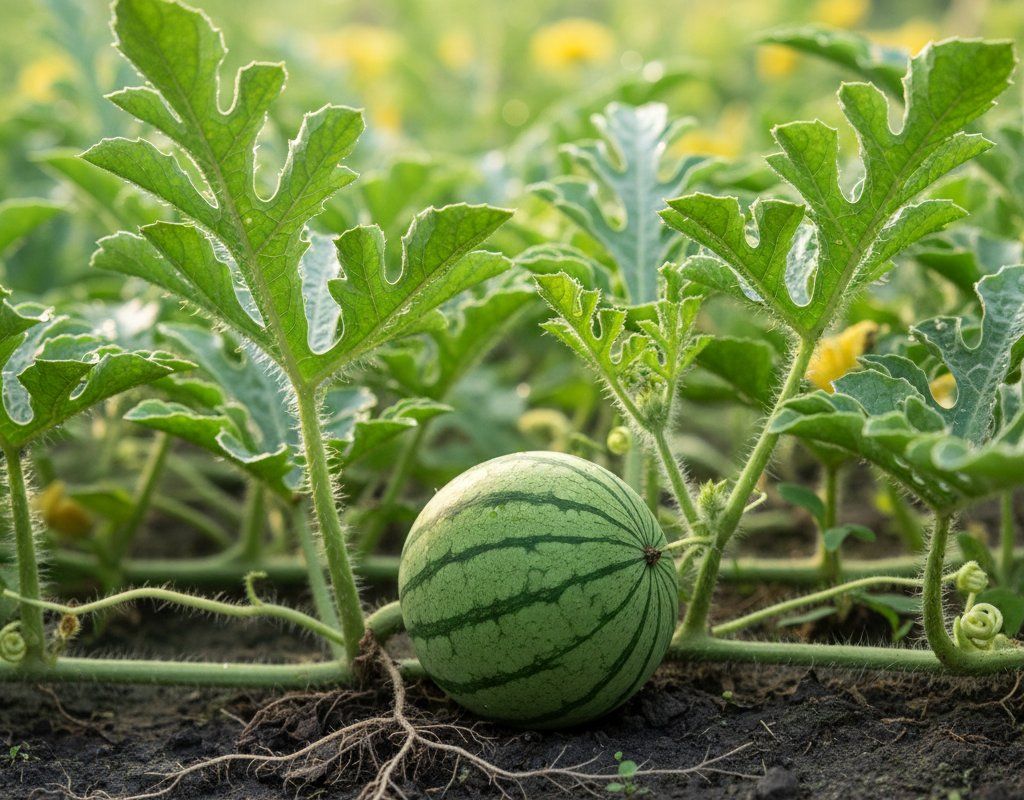
Watermelon in Zone 6A — Northeast
Citrullus lanatus · Your Complete 2026 Planting Guide
Planning Ahead — Great!
You’re ahead of the season. Here’s when to start.
Mark Your Calendar
How to Plant Watermelon in Zone 6A — Northeast
Here are all your options for getting watermelon in the ground, from the easiest method to more advanced approaches.
Direct Sow Seeds
RecommendedEarly May through early July
around May 4
Consider succession planting every 2-3 weeks for continuous harvest.
Needs warm soil. Direct sow works in zones 6+. Start indoors in colder zones.
Buy Starts
Works WellEarly May through early June
around May 4
Plant purchased starts after last frost (April 20).
Start Seeds Indoors
Works WellEarly to late April
around April 13
Then transplant: Early May through early June
Start seeds 3-5 weeks before transplanting outdoors.
Handle seedlings carefully — melons resent root disturbance.
Transplant Outdoors
Timing InfoEarly May through early June
around May 4
Wait until nighttime temperatures stay above 50°F.
You have a nice window — no need to rush.
Overview
Growing watermelons in Zone 6A might seem ambitious, but our 178-day growing season gives you just enough time to enjoy homegrown melons with that perfect balance of sweetness and refreshing crunch that store-bought varieties can't match. The cool nights that define our Northeast summers actually work in your favor, concentrating sugars and developing that incredible flavor that makes the effort worthwhile.
Yes, our short growing season and unpredictable spring weather present challenges, but choosing early varieties and timing your planting right after our last frost in mid-April sets you up for success. With proper planning and attention to our regional growing patterns, you can absolutely harvest sweet, juicy watermelons before that first frost arrives in mid-October.
Starting Seeds Indoors
Starting watermelon seeds indoors makes sense if you want to maximize your growing season or are dealing with particularly rocky New England soil that takes longer to warm up. Start seeds in early to late April, about three weeks before you plan to transplant outdoors.
Set up seed trays in a warm location (70-80°F soil temperature) with good lighting, and use bottom watering to keep the soil consistently moist without disturbing the seeds. Our late spring character means indoor starting gives you a valuable head start, though watermelons really prefer the direct-sow method if your soil conditions allow.
Handle seedlings with extreme care during transplanting—watermelons hate root disturbance and may sulk or die if their roots are damaged. Use biodegradable pots that can be planted directly, or start in larger containers to minimize transplant shock.
Transplanting Outdoors
Transplant your indoor-started watermelon seedlings from early May through early June, timing it for about two weeks after your last expected frost. The soil should be consistently warm (at least 65°F) and nighttime temperatures staying above 50°F—common temperature swings in our Northeast springs can shock young plants.
Harden off seedlings gradually over a full week, starting with just an hour or two outdoors in a protected spot and gradually increasing exposure. This process is especially important in our region where cool, cloudy days can suddenly give way to bright sun and temperature shifts.
Space transplants 6-8 feet apart in all directions—these vines need serious room to spread. Choose your warmest, most protected spot with full sun exposure, ideally on the south side of a fence or building where reflected heat can help extend your growing season.
Direct Sowing
Direct sowing is the preferred method for watermelons in our zone, and you have a generous window from early May through early July to get seeds in the ground. Wait until soil temperature reaches at least 65°F consistently—our rocky New England soil can be slow to warm, so be patient rather than rushing the season.
Prepare planting areas by working compost into the soil and creating slightly raised mounds to improve drainage and soil warming. Plant 4-6 seeds per hill, spacing hills 6-8 feet apart in all directions. Once seedlings emerge and develop their first true leaves, thin to the strongest 2-3 plants per hill.
The beauty of direct sowing in our climate is that seeds germinate when conditions are naturally right, avoiding transplant shock entirely. Even a July planting can work with early varieties, giving you melons by late September—just keep an eye on first frost predictions as October approaches.
Watering Watermelon in Zone 6A (Northeast)
Watermelons are heavy drinkers, especially during fruit development, but our Northeast climate requires a nuanced approach to watering. With our moderate summer heat and 40-50 inches of annual rainfall, you'll need to supplement natural precipitation consistently rather than fighting extreme drought conditions like gardeners in hotter regions.
Provide about 1-2 inches of water per week, checking soil moisture with the finger test—stick your finger 2 inches into the soil near the base of plants. Our moderate-to-humid conditions mean you should water at the base rather than overhead to prevent fungal issues that thrive in humid air. Deep, less frequent watering encourages strong root development that can better handle our occasional dry spells.
During fruit development, maintain consistent moisture to prevent blossom end rot and ensure proper fruit sizing. However, about 1-2 weeks before harvest, reduce watering significantly—this concentrates sugars and improves flavor, particularly important in our climate where cool nights already help with sugar development.
Apply a 2-3 inch layer of straw mulch around plants to retain moisture and suppress weeds, but keep it a few inches away from stems to prevent pest harboring. Our even rainfall distribution means you're managing consistent moisture rather than dramatic wet-dry cycles, making watermelons quite manageable once established.
🧪Fertilizing Watermelon
Feeding Schedule
Organic Fertilizer Options
Harvest Time
Your first watermelons should be ready from late July through mid-October, depending on variety and planting timing. With our 85-day growing season requirement, melons planted in early May will be ready by late July, while those direct-sown in early June will mature in late August to early September.
Look for three key ripeness indicators: the ground spot (where the melon touches soil) turns from white to creamy yellow, the tendril closest to the fruit stem turns brown and dry, and the melon sounds hollow when thumped with your knuckles. In our Northeast climate, these signs are reliable—don't second-guess them hoping for more growth time.
Harvest by cutting the stem with sharp pruners rather than pulling, which can damage the vine and any remaining developing fruit. Unlike tomatoes, watermelons won't continue ripening once removed from the vine, so timing is crucial.
As first frost approaches in mid-October, harvest any melons that show ripeness signs, even if they seem slightly early. A light frost will kill the vines instantly, and while the fruit might survive a very light frost if well-covered, it's better to harvest mature melons before taking that risk.
Common Problems in Zone 6A (Northeast)
Fusarium Wilt You'll notice wilting on one side of the plant first, followed by yellowing leaves that spread across the entire plant. If you cut open an affected stem, you'll see brown streaks inside. This soil-borne fungus persists for years and enters through roots, thriving in our warm summer soil temperatures.
There's no cure once infection strikes—remove and destroy affected plants immediately. Prevention is key: plant resistant varieties marked with 'F' on seed packets, rotate your melon crops on a 4-year cycle, and maintain soil pH above 6.5. Our rocky New England soil often runs acidic naturally, so test and amend accordingly.
Anthracnose Dark, sunken circular spots appear on fruit, stems, and leaves, sometimes showing pink or orange spore masses during our humid periods. This fungal disease spreads through rain splash, which makes it particularly problematic during our wet summers.
Remove infected plant debris immediately and avoid overhead watering, which our moderate-to-humid climate already makes risky for melons. Apply copper-based fungicide preventatively before symptoms appear, use certified disease-free seeds, and practice crop rotation to break the disease cycle.
Poor Pollination Fruits develop small, misshapen, or not at all, despite abundant flowering. You'll see flowers bloom and drop without forming fruit, or partially developed melons that grow unevenly. Cool spring weather can interfere with pollinator activity, while our sometimes unpredictable summer weather affects timing.
Plant pollinator-friendly flowers nearby and avoid pesticide use during flowering periods. Hand-pollinate with a small brush if bee activity seems low—transfer pollen from male flowers (thin stems) to female flowers (swollen base). Our moderate climate is generally pollinator-friendly, but weather swings can disrupt their activity patterns.
Northeast Specific Challenges: Our combination of moderate heat, moderate-to-humid conditions, and even rainfall creates an environment where fungal diseases can establish easily, making preventative care and proper spacing crucial for healthy watermelon production.
Best Companions for Watermelon
Plant these nearby for healthier Watermelon and better harvests.

Keep Away From
Companion Planting Details
Corn makes an excellent companion for watermelons in our Northeast gardens, providing natural windbreaks that protect vines from damage during summer storms and creating beneficial microclimates that can extend your growing season slightly. Plant radishes around the perimeter of your melon patch—they mature quickly in our cool spring conditions and help break up compacted soil while deterring cucumber beetles.
Sunflowers planted on the north side of your watermelon patch provide afternoon shade during our hottest days while attracting beneficial insects and pollinators. Avoid planting near potatoes, which compete for similar nutrients and can harbor pests that affect both crops—particularly important in our region where crop rotation space might be limited by rocky soil and shorter growing seasons.
🌸Best Flowers to Plant with Watermelon
These flowers protect your Watermelon from pests and attract pollinators for better harvests.


Get a Reminder When It's Time to Plant
We'll email you when key planting windows open for your zone.