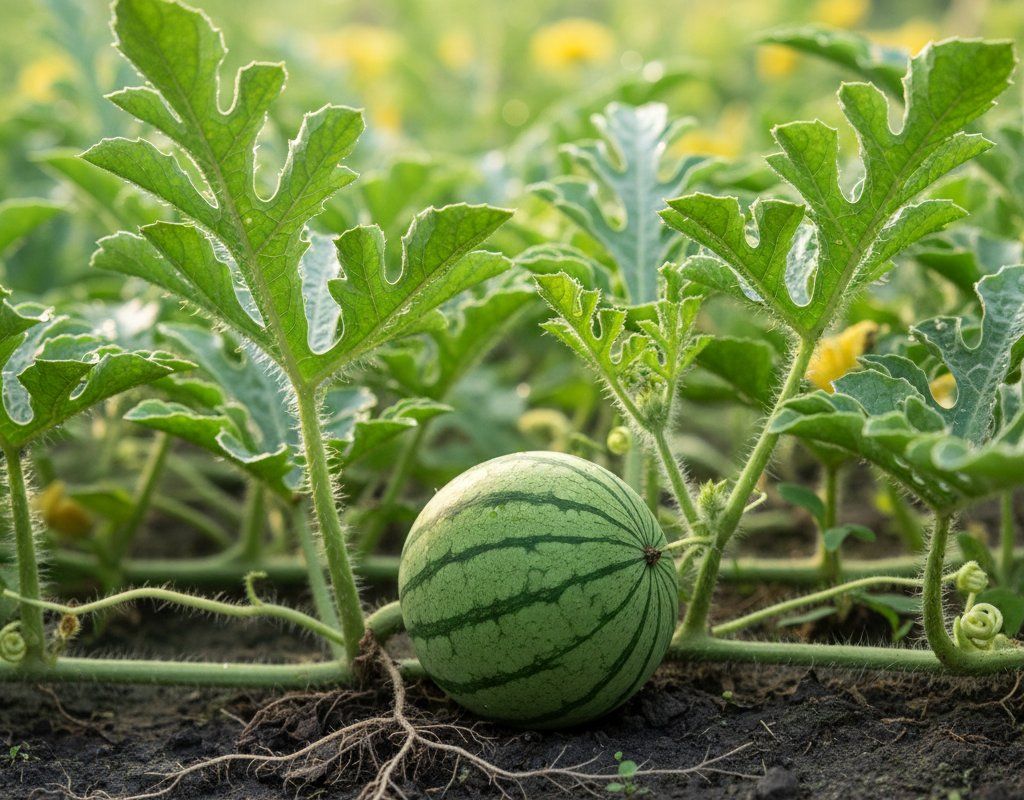
Watermelon in Zone 6A — Great Plains
Citrullus lanatus · Your Complete 2026 Planting Guide
Planning Ahead — Great!
You’re ahead of the season. Here’s when to start.
Mark Your Calendar
How to Plant Watermelon in Zone 6A — Great Plains
Here are all your options for getting watermelon in the ground, from the easiest method to more advanced approaches.
Direct Sow Seeds
RecommendedLate April through mid July
around April 29
Consider succession planting every 2-3 weeks for continuous harvest.
Needs warm soil. Direct sow works in zones 6+. Start indoors in colder zones.
Buy Starts
Works WellLate April through late May
around April 29
Plant purchased starts after last frost (April 15).
Start Seeds Indoors
Works WellEarly to late April
around April 8
Then transplant: Late April through late May
Start seeds 3-5 weeks before transplanting outdoors.
Handle seedlings carefully — melons resent root disturbance.
Transplant Outdoors
Timing InfoLate April through late May
around April 29
Wait until nighttime temperatures stay above 50°F.
You have a nice window — no need to rush.
Overview
Growing watermelons in Zone 6A's Great Plains brings the ultimate summer satisfaction — nothing beats biting into a sun-warmed melon you grew yourself. Our intense sunshine and fertile prairie soil produce watermelons with concentrated sweetness that puts grocery store varieties to shame, while the low humidity means fewer disease problems than gardeners in muggy regions face.
The Plains' extreme weather swings and variable spring can make watermelon timing tricky, but our reliable 188-day growing season gives you plenty of flexibility. With proper timing and wind protection, you'll harvest sweet, juicy melons from late summer through early fall, making those scorching July days worth every drop of sweat.
Starting Seeds Indoors
Starting watermelon seeds indoors makes sense when you want an earlier harvest or if late spring frost threatens your direct-sowing window. Begin seeds in early to late April, about three weeks before your planned transplant date. The variable nature of Plains springs makes indoor starting a good insurance policy.
Use seed trays with warm, well-draining mix and keep soil temperature around 80-85°F for best germination. Bottom watering works best — watermelons hate soggy conditions from the start. Provide strong light once seedlings emerge, as our intense Plains sun will shock weak indoor-grown plants.
Handle seedlings with extreme care when transplanting. Watermelons resent root disturbance more than most crops, so consider biodegradable pots that plant directly in the ground. This method gives you control over timing but requires more attention than direct sowing.
Transplanting Outdoors
Transplant watermelon seedlings outdoors from late April through late May, once soil temperatures stay consistently above 65°F and nighttime lows remain above 50°F. In the Plains, this timing can shift dramatically year to year, so watch soil temperature more than calendar dates.
Harden off seedlings gradually over a full week — our intense sunshine and constant wind can shock indoor-grown plants quickly. Start with just two hours of morning sun, gradually increasing exposure. Space transplants 72-96 inches apart to allow for their sprawling growth habit and to ensure good air circulation in our windy climate.
Choose your most protected spot for transplants, as young watermelon plants are particularly vulnerable to our spring wind gusts and temperature swings. A south-facing location with some wind barrier works best during establishment.
Direct Sowing
Direct sowing is the preferred method for watermelons in our Zone 6A Plains climate. Plant seeds from late April through mid-July, giving you multiple planting windows to work around our unpredictable spring weather. Wait until soil temperature reaches 70°F consistently — cold soil leads to poor germination and stressed plants.
Prepare the soil by working in plenty of compost, as watermelons are heavy feeders that need rich, well-draining prairie soil. Plant seeds 1 inch deep in hills spaced 72-96 inches apart, sowing 4-6 seeds per hill. This wide spacing accommodates their vigorous vine growth and allows for proper air circulation in our windy conditions.
Once seedlings emerge and develop their first true leaves, thin to the two strongest plants per hill. The generous spacing prevents overcrowding and reduces competition for water — crucial in our variable rainfall climate. Direct-sown plants develop stronger root systems better adapted to Plains conditions than transplants.
Watering Watermelon in Zone 6A (Great Plains)
Watermelons have high water needs throughout their growing season, requiring about 1.5-2 inches per week including rainfall. In our variable Plains climate where annual rainfall ranges from 15-35 inches, consistent supplemental watering is essential. Check soil moisture with the finger test — it should be moist 2 inches deep.
During fruit development, watermelons need the most water to size up properly in our hot summer heat averaging 93°F. Water deeply at the base of plants rather than overhead — our low-to-moderate humidity means less disease pressure, but ground-level watering still conserves moisture better in windy conditions. Early morning watering allows plants to take up moisture before the day's heat and wind stress.
Watch for signs of water stress: wilting during hot afternoons, slow fruit development, or leaves turning grayish-green. Overwatering shows as yellowing leaves or split fruit. During our intense summer heat, plants may wilt slightly during peak afternoon hours even with adequate soil moisture — this is normal.
Apply a thick layer of organic mulch around plants to conserve moisture and moderate soil temperature swings. In the final 1-2 weeks before harvest, reduce watering to concentrate sugars and prevent watery fruit — especially important during wet late-summer periods.
🧪Fertilizing Watermelon
Feeding Schedule
Organic Fertilizer Options
Harvest Time
Your first watermelons will be ready from late July through mid-October, typically 85 days after planting. The long Plains summer gives you an extended harvest window, though you'll need to wrap up before our mid-October first frost arrives.
Look for three key ripeness indicators: the ground spot (where the melon sits) turns from white to creamy yellow, the tendril closest to the fruit attachment point turns brown and dry, and the melon produces a hollow sound when thumped. The skin also becomes dull rather than glossy when ripe.
Harvest by cutting the stem with clean pruners rather than pulling — this prevents damage to the vine and reduces disease entry points. Unlike some melons, watermelons won't continue ripening once picked, so timing is critical.
As first frost approaches in mid-October, harvest all remaining melons regardless of size. Green watermelons can be used for pickles or preserves. Store ripe melons in a cool, dry place where they'll keep for 2-3 weeks, perfect for extending your harvest into the cooler fall weather.
Common Problems in Zone 6A (Great Plains)
Fusarium Wilt Watch for wilting that starts on one side of the plant first, with yellow leaves beginning on that same side. Cut open the stem near soil level — brown streaks inside confirm fusarium wilt. This soil-borne fungus thrives in our warm Plains summers and persists in soil for years.
Plant resistant varieties marked with 'F' on seed packets and rotate watermelons on a 4-year cycle. Raise soil pH above 6.5 and avoid overwatering, as wet conditions favor the disease. Remove and destroy infected plants immediately — there's no cure once symptoms appear.
Anthracnose Dark, sunken circular spots appear on fruit, stems, and leaves, often with pink or orange spore masses during humid periods. This fungal disease spreads through rain splash, which can be significant during Plains thunderstorms.
Remove all infected plant material and avoid overhead watering. Apply copper fungicide preventatively if you've had problems before. Our typically low humidity helps limit this disease compared to more humid regions, but wet years can still trigger outbreaks.
Poor Pollination Fruits develop small, misshapen, or fail to size up properly due to insufficient pollination. Flowers may bloom but drop without setting fruit. Our hot summer temperatures above 90°F can stress both plants and pollinators, while strong winds can interfere with bee activity.
Plant sunflowers or other pollinator-attracting flowers nearby, and consider hand-pollinating with a small brush during peak bloom. Provide water sources for bees during our hot, dry periods, and avoid pesticide use during flowering.
Great Plains Specific Challenges Our combination of intense heat, variable rainfall, and constant wind creates unique stresses for watermelons. The extreme temperature swings between day and night can stress plants, while hail poses a constant threat to large, exposed fruits. Wind protection becomes essential not just for seedlings but throughout the season to prevent vine damage and moisture loss.
Best Companions for Watermelon
Plant these nearby for healthier Watermelon and better harvests.

Keep Away From
Companion Planting Details
Plant watermelons alongside corn, which provides natural wind protection for the sprawling vines while the melons shade the soil around corn stalks. Radishes planted early in the season help break up heavy prairie soil before the watermelon vines spread, then can be harvested before competing for space.
Sunflowers make excellent companions, offering wind protection while attracting beneficial pollinators that watermelons need for fruit set. Their deep taproots also help break up compacted soil layers common in prairie soils. Avoid planting near potatoes, as both crops compete heavily for potassium and can harbor similar soil-borne diseases that persist in our relatively dry climate.
🌸Best Flowers to Plant with Watermelon
These flowers protect your Watermelon from pests and attract pollinators for better harvests.


Get a Reminder When It's Time to Plant
We'll email you when key planting windows open for your zone.