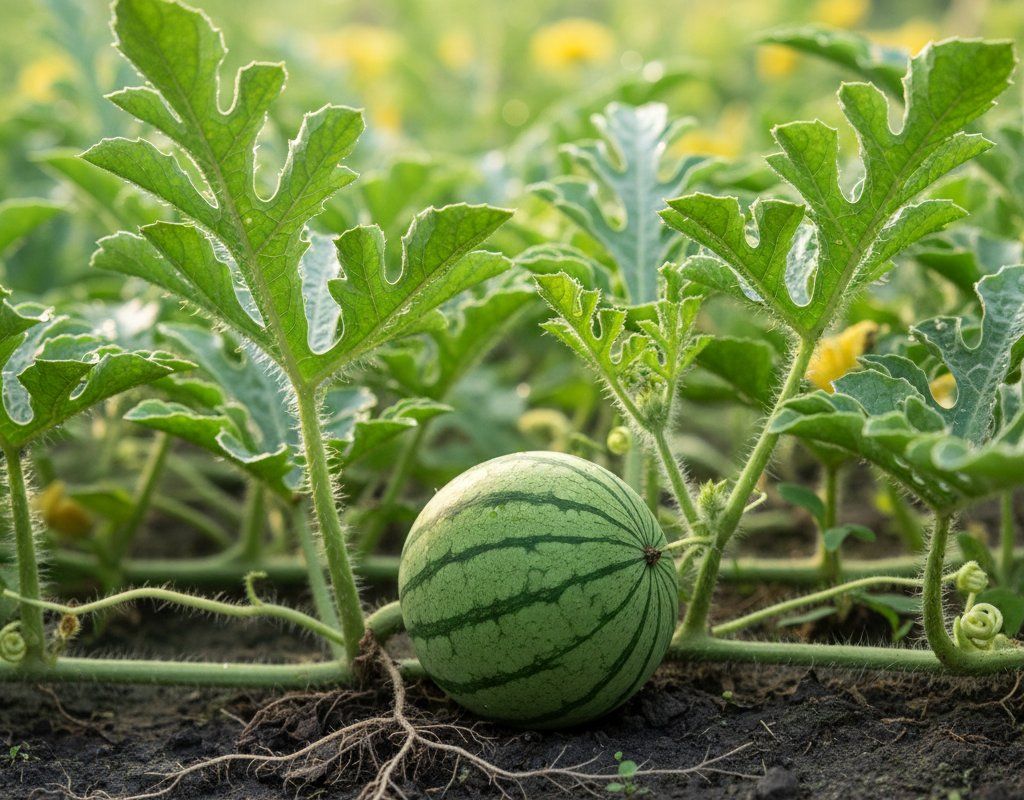
Watermelon in Zone 6B — Mid-Atlantic
Citrullus lanatus · Your Complete 2026 Planting Guide
Planning Ahead — Great!
You’re ahead of the season. Here’s when to start.
Mark Your Calendar
How to Plant Watermelon in Zone 6B — Mid-Atlantic
Here are all your options for getting watermelon in the ground, from the easiest method to more advanced approaches.
Direct Sow Seeds
RecommendedLate April through mid July
around April 24
Consider succession planting every 2-3 weeks for continuous harvest.
Needs warm soil. Direct sow works in zones 6+. Start indoors in colder zones.
Buy Starts
Works WellLate April through late May
around April 24
Plant purchased starts after last frost (April 10).
Start Seeds Indoors
Works WellLate March through mid April
around April 3
Then transplant: Late April through late May
Start seeds 3-5 weeks before transplanting outdoors.
Handle seedlings carefully — melons resent root disturbance.
Transplant Outdoors
Timing InfoLate April through late May
around April 24
Wait until nighttime temperatures stay above 50°F.
You have a nice window — no need to rush.
Overview
Growing your own watermelon in our Mid-Atlantic Zone 6B climate is one of summer's greatest rewards. While store-bought melons often disappoint with their bland, watery flesh, a sun-warmed watermelon picked from your own garden delivers that perfect balance of sweetness and crisp texture that makes you remember why this fruit is a summer staple. Our humid summers and reliable 40-50 inches of annual rainfall actually work in watermelon's favor, providing the consistent moisture these thirsty vines crave.
Your 198-day growing season gives you plenty of room to work with watermelon's 85-day maturity timeline, even accounting for our sometimes unpredictable spring weather. While these tender vines can't handle our late April frosts and need warm soil to thrive, careful timing means you can enjoy homegrown melons from mid-July straight through to first frost in late October. The key is understanding when to plant and being patient with soil temperatures.
Starting Seeds Indoors
Starting watermelon seeds indoors works in our Mid-Atlantic climate, though it's not your best option since these vines prefer direct sowing once soil warms up. If you want an earlier harvest or have limited growing space, start seeds indoors from late March through mid-April, about 3 weeks before your planned transplant date.
Set up seed trays with a quality seed-starting mix and keep them warm—watermelon seeds need soil temperatures between 80-85°F to germinate well. A heat mat helps significantly during our moderate spring weather. Use bottom watering to keep the soil consistently moist without waterlogging, and provide bright light once seedlings emerge.
Handle your seedlings with extra care since watermelons strongly resent root disturbance. Use larger peat pots or newspaper pots that can go directly into the ground, or start in deep cell trays to minimize transplant shock. Even with careful handling, expect some setback compared to direct-sown plants.
Transplanting Outdoors
Plan your watermelon transplants for late April through late May, once soil temperatures consistently reach 65°F and night temperatures stay above 50°F. In our Mid-Atlantic region, this timing helps you avoid both late frost and the transplant stress that comes with cooler soil.
Start hardening off your seedlings a full week before transplanting by gradually exposing them to outdoor conditions. Begin with just a few hours of filtered sunlight, then increase exposure daily. This process is especially important for watermelons since they're quite sensitive to temperature swings, which we often see in our variable spring weather.
Space your transplants 6-8 feet apart in all directions—watermelon vines spread extensively and need room to sprawl. Plant them at the same depth they were growing in their containers, and water gently but thoroughly after transplanting. Consider using row covers for the first few weeks if nighttime temperatures are still dropping into the 50s.
Direct Sowing
Direct sowing is your best bet for watermelons in Zone 6B, giving you the strongest, most productive vines. Wait until late April through mid-July to plant, when soil temperature reaches at least 65°F consistently. Use a soil thermometer to check—this matters more than air temperature for germination success.
Prepare your planting area by working compost into your soil and creating slight mounds about 6 inches high and 2-3 feet across. Our clay soil benefits from this raised planting approach, which improves drainage while warming faster in spring. Plant 4-6 seeds per mound, spacing seeds about 6 inches apart within each mound, then space your mounds 6-8 feet apart.
Once seedlings emerge and develop their first true leaves, thin to the strongest 2-3 plants per mound. This gives you backup in case one plant fails while preventing overcrowding. Your germination window extends well into summer—you can actually start new plantings through mid-July for fall harvest, taking advantage of our long growing season.
Watering Watermelon in Zone 6B (Mid-Atlantic)
Watermelons are among the thirstiest crops you'll grow, needing consistent moisture throughout their growth cycle. Aim for 1-2 inches of water per week, including rainfall. Our Mid-Atlantic region's 40-50 inches of annual precipitation helps, but summer dry spells mean you'll still need to supplement with irrigation, especially during fruit development.
Use the finger test to check soil moisture—stick your finger 2 inches deep near the base of your plants. If it feels dry at that depth, it's time to water deeply. Water at soil level rather than overhead to avoid encouraging fungal problems in our humid climate. A soaker hose or drip irrigation works perfectly, delivering water slowly so it penetrates our clay soil without running off.
During fruit development, increase watering to ensure large, juicy melons. However, reduce watering about 10-14 days before you expect to harvest—this concentrates sugars and prevents split or watery fruit. Watch for wilting in the afternoon heat (normal) versus morning wilting (needs water), and yellowing leaves at the base of the plant (often a sign of overwatering or poor drainage).
Apply a 2-3 inch layer of straw mulch around your plants to conserve moisture and suppress weeds. This is especially valuable in our humid summers, helping maintain consistent soil moisture while keeping the vines and developing fruit off the ground.
🧪Fertilizing Watermelon
Feeding Schedule
Organic Fertilizer Options
Harvest Time
Your first watermelons will be ready from mid-July through late October, depending on when you planted and which variety you chose. With our 85-day average to maturity, spring plantings typically yield their first harvest in mid to late July, while early summer plantings extend your harvest season well into fall.
Look for three key ripeness indicators that work reliably in our climate: the ground spot (where the melon touches soil) changes from white to creamy yellow, the tendril closest to the fruit stem turns brown and dry, and the melon produces a deep, hollow thump when you tap it with your knuckles. A ripe watermelon will also stop growing and developing its glossy sheen.
Harvest by cutting the stem with clean pruning shears rather than pulling the fruit from the vine. Handle carefully since the rind can be surprisingly fragile when ripe. Unlike many fruits, watermelons won't continue ripening once picked, so patience pays off.
As first frost approaches in late October, harvest any remaining melons regardless of size. While smaller melons won't be as sweet as fully mature ones, they're still edible and much better than losing them to frost. Our reliable fall weather often gives you a good warning period to clear the vines.
Common Problems in Zone 6B (Mid-Atlantic)
Fusarium Wilt shows up as yellowing and wilting that starts on one side of the plant, then spreads across the entire vine. Cut open an affected stem and you'll see brown streaks running through the interior tissue. This soil-borne fungus thrives in our warm, humid summers and persists in garden soil for years once established.
Prevention is your only real defense since there's no cure once plants are infected. Remove and destroy affected plants immediately—don't compost them. Look for watermelon varieties with fusarium resistance (marked with 'F' on seed packets) and practice crop rotation, avoiding planting melons or related crops in the same spot for at least 4 years. Raising soil pH above 6.5 also helps suppress the fungus.
Anthracnose appears as dark, sunken spots on fruit, leaves, and stems, often with pink or orange spore masses during our humid weather. This fungal disease spreads rapidly through rain splash, which makes it particularly challenging in our region's summer thunderstorms and high humidity.
Prevent anthracnose by avoiding overhead watering and removing infected plant debris promptly. Space plants properly for good air circulation and apply preventive copper fungicide sprays if you've had problems before. Plant disease-resistant varieties when possible and always use certified, disease-free seeds.
Poor Pollination results in small, misshapen fruit or flowers that bloom but drop without setting fruit. You might see partially developed melons that grow unevenly or stop developing entirely. Our variable spring weather can disrupt pollinator activity, while high humidity sometimes affects pollen viability.
Encourage native pollinators by planting flowers nearby and avoiding pesticide applications during bloom time. If you suspect poor pollination, try hand-pollinating with a small brush, transferring pollen from male flowers (with thin stems) to female flowers (which have small swellings behind the petals). Provide shallow water sources for bees during our hot, humid summers.
Mid-Atlantic Specific Challenges: Our combination of moderate-to-hot temperatures, high humidity, and clay soil creates perfect conditions for fungal diseases while sometimes challenging plant establishment. The humidity that helps watermelons grow also favors disease development, making good air circulation and proper spacing especially important here.
Best Companions for Watermelon
Plant these nearby for healthier Watermelon and better harvests.

Keep Away From
Companion Planting Details
Corn makes an excellent watermelon companion in our Mid-Atlantic gardens, providing natural windbreak protection during summer thunderstorms while the shallow corn roots don't compete heavily with watermelon's deeper root system. Plant radishes around the edges of your watermelon patch—they mature quickly before the vines spread and help break up clay soil while deterring some pests.
Sunflowers planted nearby attract beneficial insects and pollinators that watermelons need for fruit set, plus their tall stems give you vertical growing space without shading the low-growing melon vines. Avoid planting potatoes anywhere near watermelons, as both crops are susceptible to similar soil-borne diseases, and potatoes can harbor pests that readily move to melon plants.
🌸Best Flowers to Plant with Watermelon
These flowers protect your Watermelon from pests and attract pollinators for better harvests.


Get a Reminder When It's Time to Plant
We'll email you when key planting windows open for your zone.