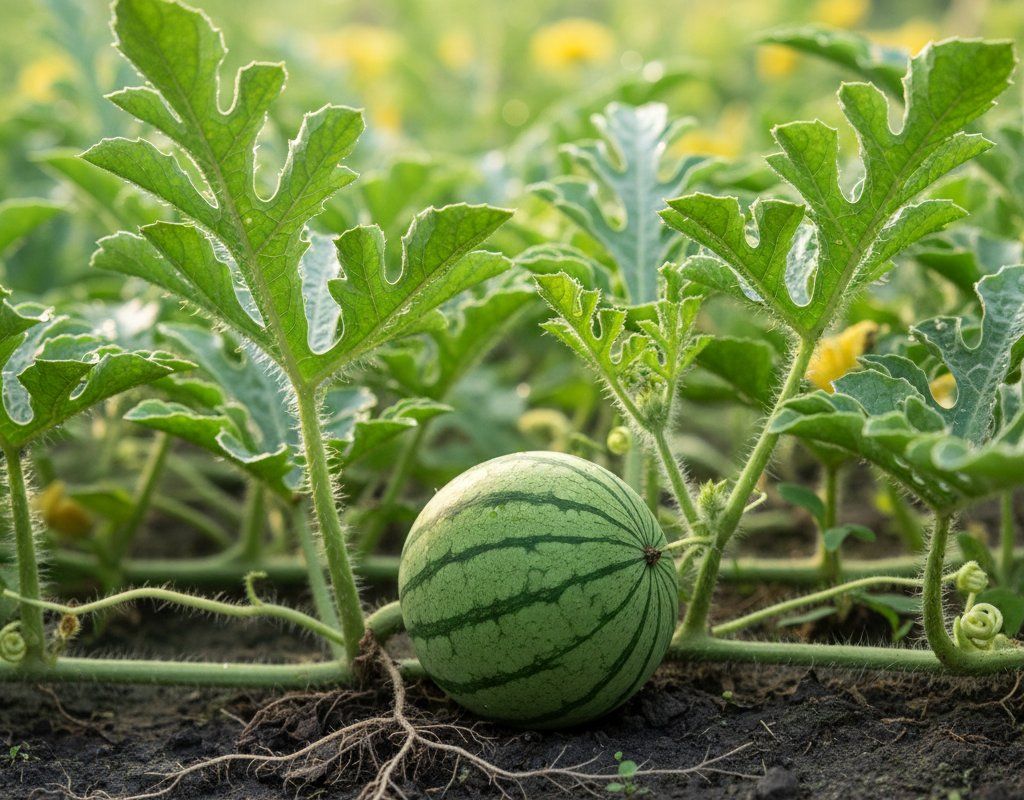
Watermelon in Zone 7A — Midwest
Citrullus lanatus · Your Complete 2026 Planting Guide
Planning Ahead — Great!
You’re ahead of the season. Here’s when to start.
Mark Your Calendar
How to Plant Watermelon in Zone 7A — Midwest
Here are all your options for getting watermelon in the ground, from the easiest method to more advanced approaches.
Direct Sow Seeds
RecommendedLate April through mid July
around April 24
Consider succession planting every 2-3 weeks for continuous harvest.
Needs warm soil. Direct sow works in zones 6+. Start indoors in colder zones.
Buy Starts
Works WellLate April through late May
around April 24
Plant purchased starts after last frost (April 10).
Start Seeds Indoors
Works WellLate March through mid April
around April 3
Then transplant: Late April through late May
Start seeds 3-5 weeks before transplanting outdoors.
Handle seedlings carefully — melons resent root disturbance.
Transplant Outdoors
Timing InfoLate April through late May
around April 24
Wait until nighttime temperatures stay above 50°F.
You have a nice window — no need to rush.
Overview
Growing watermelons in Zone 7A gives you that perfect sweet reward of summer — nothing beats the satisfaction of slicing into a homegrown melon that's been sun-warmed in your own garden. Our Midwest climate delivers the heat and humidity watermelons crave, plus our fertile soil gives them the nutrients they need to develop those deep, complex flavors you just can't get from store-bought melons shipped across the country.
Yes, our variable spring weather can make timing tricky, and those occasional summer heat spells might stress the plants, but with our 193-day growing season, you have plenty of time to get a successful harvest. The key is working with our climate patterns rather than fighting them — wait for truly warm soil, give them consistent water during our sometimes unpredictable summer rainfall, and you'll be harvesting sweet melons from mid-July through October.
Starting Seeds Indoors
Starting watermelon seeds indoors isn't the primary method here in the Midwest, but it makes sense if you want to get a jump on the season or grow longer-season varieties. Start your seeds late March through mid-April, about three weeks before you plan to transplant outdoors. Use seed trays filled with quality seed-starting mix, and keep them consistently warm — around 80°F is ideal for germination.
Set up your seedlings under grow lights or in a sunny south window, and use bottom watering to keep the soil evenly moist without disturbing the emerging seedlings. Our moderate-to-late spring character means you'll likely have your seedlings ready right when soil conditions become favorable for transplanting.
Handle watermelon seedlings with extra care since they really resent root disturbance. Start them in larger cells or biodegradable pots that can go directly into the ground to minimize transplant shock.
Transplanting Outdoors
Transplant your watermelon seedlings outdoors from late April through late May, once soil temperatures have warmed consistently above 65°F and nighttime lows stay above 50°F. Our Midwest springs can be tricky with those temperature swings, so watch the forecast and be ready to protect young transplants with row covers if unexpected cool weather threatens.
Harden off your seedlings gradually over a week, starting with just an hour or two outdoors in a protected spot and gradually increasing their exposure to direct sun and outdoor conditions. This step is especially important here since our spring weather can shift quickly from mild to intense.
Space your transplants 6 to 8 feet apart in all directions — watermelons are sprawling vines that need room to spread. Plant them in your warmest, most protected spot with full sun exposure, and consider using black plastic mulch to help warm the soil and retain moisture during those variable spring conditions.
Direct Sowing
Direct sowing is the recommended method for watermelons in our area, and you have a generous window from late April through mid-July to get seeds in the ground. Wait until soil temperature reaches at least 70°F consistently — our fertile Midwest soil warms up reliably, but don't rush it since cold soil leads to poor germination and potential seed rot.
Prepare your planting area by working compost into the soil and creating slightly raised mounds or rows to improve drainage, especially important if you're dealing with our common clay soil conditions. Plant seeds 1 inch deep and space them 6 to 8 feet apart in all directions — these vines will cover serious ground once they get going.
For the best germination in our climate, plant 3-4 seeds per spot and thin to the strongest seedling once they're established. Our summer heat spells actually help with germination and early growth, so don't worry about providing extra shade — watermelons thrive in our hot, humid summers.
Watering Watermelon in Zone 7A (Midwest)
Watermelons are thirsty plants, especially during fruit development, and need about 1 to 2 inches of water per week throughout the growing season. In our moderate-to-humid Midwest climate with typical summer rainfall of 30-40 inches annually, you'll often get natural help, but summer heat spells and uneven rainfall patterns mean you'll need to supplement regularly.
Use the finger test to check soil moisture — stick your finger 2 inches deep near the base of the plant, and if it's dry, it's time to water deeply. Water at soil level rather than overhead to reduce disease problems in our moderate-to-humid conditions, and apply water slowly so it soaks deep rather than running off.
During fruit development, maintain consistent moisture but reduce watering about 1-2 weeks before harvest to concentrate sugars and improve flavor. Our summer heat spells can stress plants quickly, so watch for wilting in the afternoon heat as a sign they need more water, even if the soil feels okay.
Apply a 3-4 inch layer of straw or grass clipping mulch around plants to conserve moisture and regulate soil temperature during our variable summer conditions. This also helps prevent soil from splashing onto developing fruit during our often intense summer thunderstorms.
🧪Fertilizing Watermelon
Feeding Schedule
Organic Fertilizer Options
Harvest Time
Your first watermelons will be ready from mid-July through mid-October, typically about 85 days from planting depending on the variety. In our climate, early plantings often produce the sweetest melons since they ripen during peak summer heat rather than cooling fall weather.
Look for several signs of ripeness happening together: the ground spot where the melon sits turns from white to creamy yellow, the curly tendril nearest to the fruit stem turns brown and dry, and the melon sounds hollow when you thump it with your knuckles. The skin also becomes dull rather than shiny when fully ripe.
Cut the stem rather than pulling the fruit to avoid damaging the vine, especially if you have other melons still developing. Unlike some fruits, watermelons won't continue ripening once harvested, so make sure they're truly ready before picking.
As our first frost approaches in mid-October, harvest any remaining melons that show signs of ripeness, even if they're not perfect. Green melons can sometimes be used for pickles or preserves, making use of your entire harvest before winter weather ends the season.
Common Problems in Zone 7A (Midwest)
Fusarium Wilt This shows up as wilting on one side of the plant first, gradually spreading to the whole plant even when soil moisture is adequate. Leaves turn yellow starting from one side, and if you cut open an affected stem, you'll see brown streaks running through it. Our warm, humid summers create ideal conditions for this soil-borne fungus, which enters through the root system and persists in soil for years. Once a plant is infected, there's no cure — remove and destroy it immediately. Prevent problems by choosing resistant varieties (look for 'F' on seed packets), rotating watermelons to different garden areas on a 4-year cycle, and raising soil pH above 6.5 since the fungus prefers acidic conditions.
Anthracnose You'll see sunken, dark circular spots on fruit, stems, and leaves, often with pink or orange spore masses visible during wet weather. This fungal disease thrives in our warm, humid summer conditions and spreads rapidly through rain splash — common during our intense thunderstorms. Remove infected plant parts immediately and destroy them rather than composting. Avoid overhead watering, apply copper fungicide preventatively during humid periods, and always use disease-free seeds from reputable sources. Good air circulation helps, so don't crowd plants even in smaller gardens.
Poor Pollination Fruits develop small, misshapen, or fail to develop entirely, and flowers may bloom but then drop off without setting fruit. This often happens when male and female flowers don't overlap in timing, or when hot weather (above 90°F during our heat spells) interferes with pollen viability. Hand-pollinate by transferring pollen from male flowers to female flowers using a small paintbrush early in the morning. Plant pollinator-friendly flowers nearby and avoid using pesticides during flowering periods. Provide a shallow water source for bees during hot, dry spells.
Midwest Specific Challenges Our moderate-to-humid summers with wet-season rainfall create perfect conditions for fungal diseases, so focus on good air circulation and avoid overhead watering when possible. Clay soil can lead to waterlogged conditions during heavy rains, so consider raised beds or mounded planting areas for better drainage.
Best Companions for Watermelon
Plant these nearby for healthier Watermelon and better harvests.

Keep Away From
Companion Planting Details
Corn makes an excellent companion for watermelons in Midwest gardens — the tall stalks provide some afternoon shade during heat spells while the watermelon vines spread beneath without competing for the same soil space. Radishes planted early in the season help break up clay soil and are harvested before the watermelon vines need the space. Sunflowers work well planted on the north side of watermelon patches, attracting beneficial pollinators while providing a windbreak during severe weather.
Avoid planting watermelons near potatoes since they're both heavy feeders that compete for nutrients in the same soil zone, and potatoes can harbor pests that also attack watermelon roots. Keep watermelons away from other cucurbit family plants like cucumbers and squash to prevent cross-contamination of diseases and reduce pest pressure in our humid summer conditions.
🌸Best Flowers to Plant with Watermelon
These flowers protect your Watermelon from pests and attract pollinators for better harvests.


Get a Reminder When It's Time to Plant
We'll email you when key planting windows open for your zone.