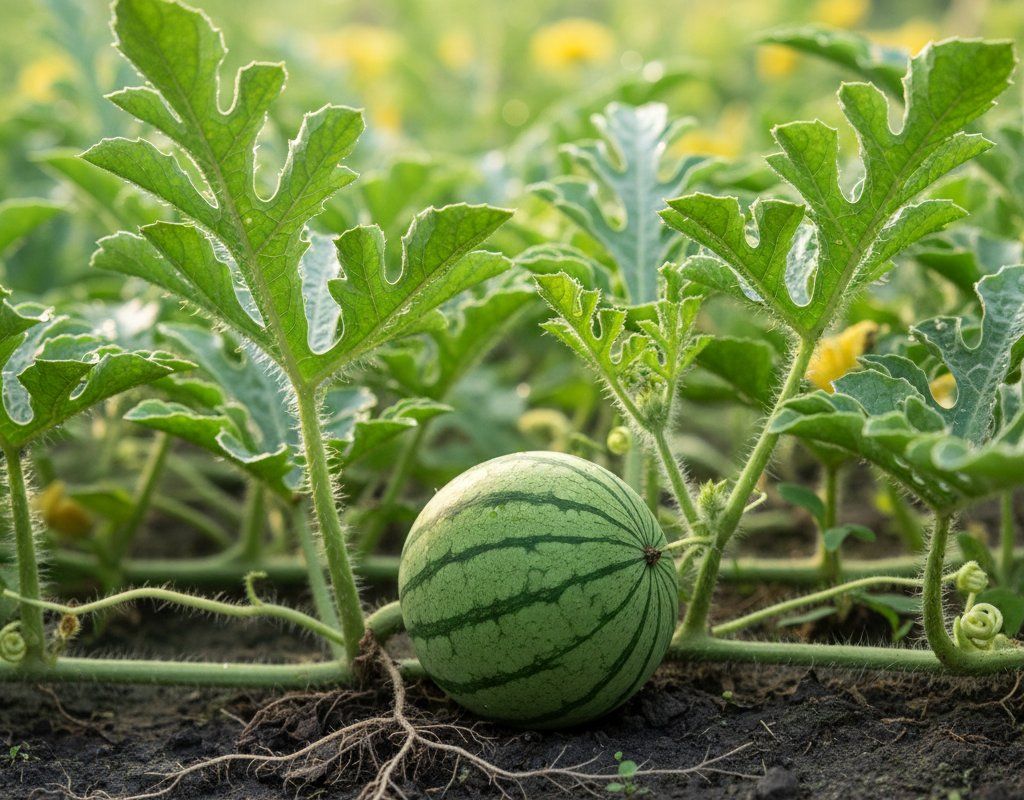
Watermelon in Zone 7B — Desert Southwest
Citrullus lanatus · Your Complete 2026 Planting Guide
Ideal Time: Start Seeds Indoors!
This is the perfect time for the biggest, best harvest.
Start Seeds Now
- Start seeds in trays or pots with seed-starting mix
- Keep soil moist and warm (70-80°F)
- Transplant outdoors Late March through late April
Not Starting from Seed?
Buy starts around March 29 — that works great too!
How to Plant Watermelon in Zone 7B — Desert Southwest
Here are all your options for getting watermelon in the ground, from the easiest method to more advanced approaches.
Direct Sow Seeds
RecommendedLate March through early August
around March 29
Consider succession planting every 2-3 weeks for continuous harvest.
Needs warm soil. Direct sow works in zones 6+. Start indoors in colder zones.
Buy Starts
Works WellLate March through late April
around March 29
Plant purchased starts after last frost (March 15).
Start Seeds Indoors
Works WellEarly to late March
around March 8
Then transplant: Late March through late April
Start seeds 3-5 weeks before transplanting outdoors.
Handle seedlings carefully — melons resent root disturbance.
Transplant Outdoors
Timing InfoLate March through late April
around March 29
Wait until nighttime temperatures stay above 50°F.
You have a nice window — no need to rush.
Overview
Growing watermelon in the Desert Southwest offers incredible rewards – there's nothing quite like biting into a sun-warmed, sugar-sweet melon you've grown yourself during our scorching summers. With our abundant sunshine and two distinct growing seasons, you can harvest watermelons from late June through mid-November, taking advantage of our long, hot growing period that these heat-loving vines absolutely thrive in.
Our extreme heat and arid conditions can challenge watermelon growing, but with proper timing and consistent watering, these challenges become manageable. Your 245-day growing season gives you plenty of flexibility to plant multiple varieties or succession plant for extended harvests, making watermelon one of the most rewarding crops for Desert Southwest gardeners.
Starting Seeds Indoors
Starting watermelon seeds indoors makes sense if you want the earliest possible harvest or if you're growing expensive specialty varieties. Start seeds in early to late March, about three weeks before your planned transplant date. Use deep seed trays since watermelons develop taproots quickly in our warm spring conditions.
Keep seed trays consistently moist using bottom watering – place trays in shallow pans of water rather than watering from above. This prevents disturbing the seeds and reduces damping-off issues in our low-humidity environment. Watermelon seeds germinate quickly in warm conditions, often sprouting within 5-7 days when soil temperature stays around 70°F.
Handle seedlings extremely carefully when transplanting, as watermelons resent root disturbance more than most crops. Consider using biodegradable pots that can be planted directly in the ground to minimize root disruption during our early spring transplanting window.
Transplanting Outdoors
Transplant watermelon seedlings outdoors from late March through late April, once nighttime temperatures consistently stay above 50°F. Your transplant timing depends more on soil temperature than air temperature – wait until soil warms to at least 65°F at planting depth.
Harden off seedlings gradually over one week by placing them outdoors for increasing periods daily. Start with 2-3 hours of morning sun and gradually increase exposure. Our intense desert sun can shock seedlings, so avoid placing them in full afternoon sun initially.
Space transplants 72-96 inches apart – watermelon vines spread extensively and need room for proper air circulation. Plant in well-amended soil with excellent drainage, as our caliche layer can create waterlogged conditions that lead to root rot in heavy clay areas.
Direct Sowing
Direct sowing is the preferred method for watermelons in the Desert Southwest, as these plants establish better without root disturbance. Sow seeds from late March through early August, timing plantings to avoid the worst summer heat during germination. Your prime planting windows are late March through mid-April for early harvest, and mid-July through early August for fall harvest.
Wait until soil temperature reaches 65°F consistently – use a soil thermometer to check at 4-inch depth. Plant seeds 1 inch deep in groups of 3-4, spacing these hills 72-96 inches apart. Thin to the strongest seedling once plants have their first true leaves.
Prepare planting areas by digging through any caliche layer and amending heavy clay with compost to improve drainage. In our alkaline soils, adding sulfur helps lower pH slightly, though watermelons tolerate our naturally high pH better than many crops. Cover newly planted areas with shade cloth during extreme heat spells to prevent soil from overheating.
Watering Watermelon in Zone 7B (Desert Southwest)
Watermelons need consistent, deep watering throughout their growing season in our arid climate – plan on 1-2 inches per week through drip irrigation or soaker hoses. Our extreme summer heat and low humidity mean these plants lose moisture rapidly, especially during fruit development when water stress directly impacts fruit size and sweetness.
Water deeply at soil level rather than overhead to conserve moisture and prevent fungal issues. Check soil moisture using the finger test – stick your finger 2 inches deep near plants. If dry at that depth, it's time to water. During our monsoon season, you may need less supplemental irrigation, but don't rely entirely on sporadic summer storms.
Increase watering frequency during fruit set and early fruit development, but reduce watering 1-2 weeks before expected harvest. This concentration period helps intensify sugar content and prevents waterlogged, bland fruit. Watch for wilting during afternoon heat – temporary wilting is normal, but plants should recover by evening with adequate soil moisture.
Apply 3-4 inches of organic mulch around plants to conserve soil moisture and regulate root temperature. In our intense heat, mulch can mean the difference between thriving plants and stressed, low-producing vines.
🧪Fertilizing Watermelon
Feeding Schedule
Organic Fertilizer Options
Harvest Time
Expect your first watermelons from late June through mid-November, depending on variety and planting date. Most varieties mature in about 85 days from planting, though our extreme summer heat can slow development slightly during July and August plantings.
Look for three key ripeness indicators: the ground spot (where the melon rests on soil) turns from white to creamy yellow, the tendril closest to the fruit stem turns brown and dry, and the melon produces a deep, hollow sound when thumped with your knuckles. All three signs should align – don't rely on just one indicator.
Harvest by cutting the stem with sharp pruners rather than pulling, which can damage the vine and reduce subsequent fruit production. Handle ripe watermelons carefully as they bruise easily in our heat. Plan to harvest during cooler morning hours when possible.
As our first frost approaches in mid-November, harvest any remaining fruit regardless of full ripeness. Unlike tomatoes, watermelons won't continue ripening after harvest, so focus your late-season energy on protecting nearly-mature fruit with row covers during unexpected cool snaps.
Common Problems in Zone 7B (Desert Southwest)
Fusarium Wilt Wilting starts on one side of the plant, then spreads to the entire vine. Leaves turn yellow starting from one side, and if you cut the stem open, you'll see brown streaks running through it. This soil-borne fungus thrives in our warm soils and persists for years once established. Plant resistant varieties marked with 'F' on seed packets, rotate watermelons to different garden areas every 4 years, and maintain soil pH above 6.5. Once infected, remove and destroy the entire plant – there's no cure.
Anthracnose Dark, sunken circular spots appear on fruit, stems, and leaves, sometimes with pink or orange spore masses visible during our monsoon humidity. This fungal disease spreads through rain splash and contaminated tools. Remove infected plant debris immediately, avoid overhead watering, and apply copper fungicide preventatively before symptoms appear. In our low-humidity climate, this problem mainly occurs during monsoon season.
Poor Pollination Fruits develop small, misshapen, or fail to develop entirely despite abundant flowering. This happens when pollinators can't work effectively during extreme heat periods or when male and female flowers don't bloom simultaneously. Hand-pollinate using a small brush to transfer pollen from male flowers (thin stems) to female flowers (bulge behind bloom) during cooler morning hours. Plant pollinator-attracting flowers nearby and provide shallow water sources for bees during our hot, dry periods.
Desert Southwest Specific Challenges Our extreme heat and intense UV can cause sunscald on developing fruit – use shade cloth or position melons so vines provide natural shading. The combination of alkaline soil and irrigation water can lead to nutrient lockup, particularly iron deficiency showing as yellowing between leaf veins. Our sudden monsoon downpours after dry periods can cause fruit splitting, so maintain consistent soil moisture rather than allowing dramatic wet-dry cycles.
Best Companions for Watermelon
Plant these nearby for healthier Watermelon and better harvests.

Keep Away From
Companion Planting Details
Plant watermelons with corn and sunflowers, which provide beneficial afternoon shade during our extreme summer heat while not competing significantly for root space. Corn's vertical growth habit maximizes garden space, and sunflowers attract beneficial pollinators essential for fruit set. Radishes make excellent early companions – plant them around watermelon hills in spring, as they'll mature and be harvested before the vines spread, helping break up compacted soil in the process.
Avoid planting watermelons near potatoes, which compete for similar nutrients and can harbor similar pests. In our Desert Southwest conditions, focus on companions that either provide shade, attract pollinators, or improve soil structure without competing for the extensive root space and consistent moisture that watermelons require in our arid climate.
🌸Best Flowers to Plant with Watermelon
These flowers protect your Watermelon from pests and attract pollinators for better harvests.


Get a Reminder When It's Time to Plant
We'll email you when key planting windows open for your zone.