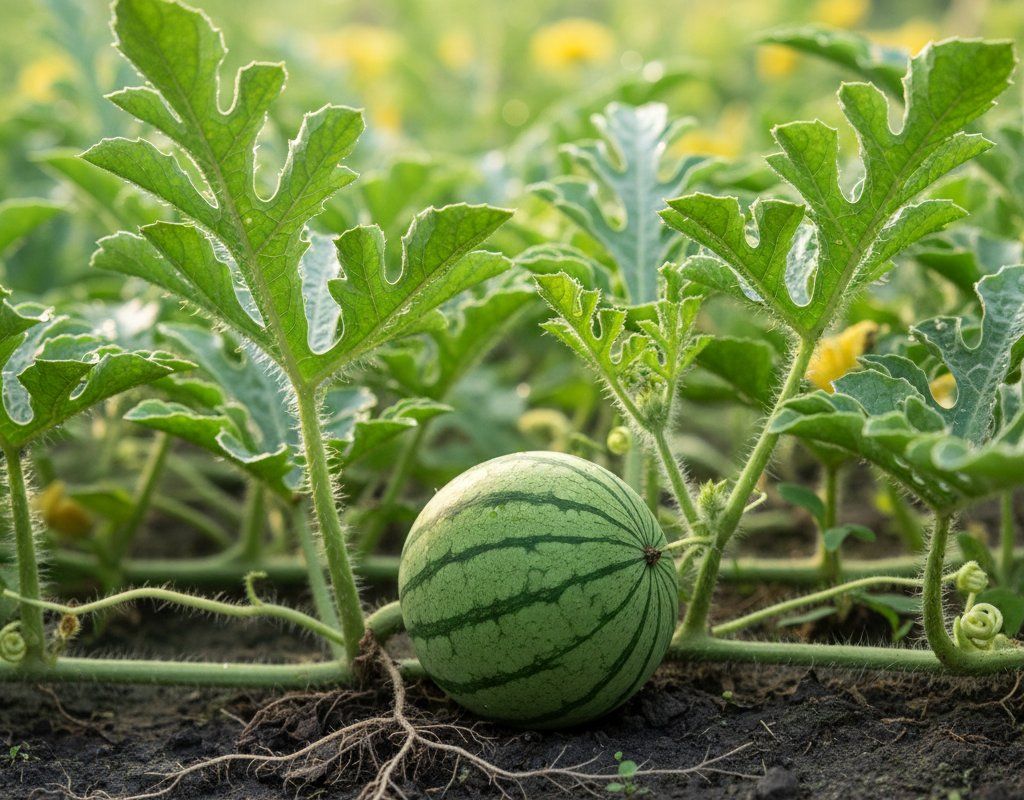
Watermelon in Zone 7B — Southeast
Citrullus lanatus · Your Complete 2026 Planting Guide
Planning Ahead — Great!
You’re ahead of the season. Here’s when to start.
Mark Your Calendar
How to Plant Watermelon in Zone 7B — Southeast
Here are all your options for getting watermelon in the ground, from the easiest method to more advanced approaches.
Direct Sow Seeds
RecommendedEarly April through early August
around April 3
Consider succession planting every 2-3 weeks for continuous harvest.
Needs warm soil. Direct sow works in zones 6+. Start indoors in colder zones.
Buy Starts
Works WellEarly April through early May
around April 3
Plant purchased starts after last frost (March 20).
Start Seeds Indoors
Works WellEarly to late March
around March 13
Then transplant: Early April through early May
Start seeds 3-5 weeks before transplanting outdoors.
Handle seedlings carefully — melons resent root disturbance.
Transplant Outdoors
Timing InfoEarly April through early May
around April 3
Wait until nighttime temperatures stay above 50°F.
You have a nice window — no need to rush.
Overview
Growing watermelons in Zone 7B's long Southeast summers is pure gardening satisfaction. With our 235-day growing season and reliable afternoon thunderstorms, you can grow sweet, juicy melons that put anything from the grocery store to shame. These heat-loving vines thrive in our hot, humid climate and give you months of anticipation before that perfect harvest moment.
Yes, our clay soil and disease pressure from all that humidity can challenge melon growers, but proper timing and variety selection make it completely manageable. You'll be working with nature's schedule rather than fighting it, and the payoff of homegrown watermelon on a sweltering July afternoon makes every effort worthwhile.
Starting Seeds Indoors
Starting watermelon seeds indoors isn't the preferred method, but it can work if you want an earlier harvest or live in a particularly cool microclimate. Start seeds in early to late March, about three weeks before your planned transplant date. Use individual peat pots or seed cells since melons hate root disturbance.
Keep seed trays warm (75-80°F) and use bottom watering to prevent damping off in our humid spring conditions. Your moderate spring weather means you won't need to rush this process like gardeners in harsher climates do. Seedlings need strong light once they emerge, so supplement with grow lights if your indoor space is dim.
Handle the seedlings like they're made of glass when transplant time comes. Watermelons are notorious for transplant shock, and any root damage can set them back weeks in our growing season.
Transplanting Outdoors
If you started seeds indoors, transplant your watermelon seedlings in early April through early May, after soil temperatures consistently stay above 65°F. Our spring weather can be unpredictable with late cold snaps, so watch the forecast carefully. You want nighttime temperatures staying above 60°F for at least a week before transplanting.
Harden off seedlings for a full week by gradually increasing their outdoor exposure. Start with just morning sun for a few hours, then work up to full days outside. Our afternoon thunderstorms can batter tender seedlings, so bring them in during heavy weather while they're acclimating.
Space transplants 6-8 feet apart in all directions since watermelon vines spread aggressively. Plant them at the same depth they were growing in their containers, and water them in well with a starter fertilizer solution.
Direct Sowing
Direct sowing is absolutely the way to go with watermelons in our climate. You can sow seeds from early April through early August, giving you multiple planting opportunities throughout our long season. Wait until soil temperature reaches 70°F consistently - cold soil will cause seeds to rot rather than germinate.
Prepare your planting area by working compost into the clay soil to improve drainage. Our heavy soils hold too much moisture for young melon plants, so this step is crucial. Plant seeds 1 inch deep in hills spaced 6-8 feet apart, with 3-4 seeds per hill. You'll thin to the strongest seedling once they're established.
The beauty of direct sowing here is that you avoid transplant shock entirely. Seeds planted directly into warm Southeast soil germinate quickly and establish strong root systems that handle our summer heat and humidity much better than transplanted seedlings.
Watering Watermelon in Zone 7B (Southeast)
Watermelons need consistent, deep watering throughout their growth cycle, but our wet-summer climate means you'll need to be strategic rather than just turning on the sprinkler. During fruit development, these plants need about 1-2 inches of water per week, including rainfall. Use the finger test - stick your finger 2 inches into the soil, and water deeply if it feels dry.
Our 45-55 inches of annual rainfall means you'll rarely need supplemental water during July thunderstorm season, but watch carefully during dry spells in late spring and early fall. When you do water, soak the soil thoroughly at the base of plants rather than overhead watering. Our humid conditions create perfect fungal disease conditions when leaves stay wet.
Mulch heavily around plants with straw or shredded leaves to retain moisture and keep clay soil from crusting over after our heavy downpours. This also keeps developing fruit off the ground where it can rot in our humid conditions. Watch for yellowing leaves (overwatering) or wilting during morning hours (underwatering).
About two weeks before you expect harvest, reduce watering significantly. This concentrates sugars in the fruit and prevents bland, watery melons - especially important with our frequent late-season rains that can dilute flavor right before harvest time.
🧪Fertilizing Watermelon
Feeding Schedule
Organic Fertilizer Options
Harvest Time
Your first watermelons will be ready for harvest in late June through early July if you planted in April, continuing through early November for succession plantings. After 85 days from planting, start watching for ripeness indicators rather than just counting days, since our variable spring weather affects exact timing.
Look for three key signs: the ground spot (where the melon sits) turns from white to creamy yellow, the curly tendril nearest the fruit attachment turns brown and dry, and the melon sounds hollow when you thump it with your knuckles. The skin also becomes dull rather than glossy, and you'll hear a deep, resonant thunk instead of a higher-pitched thud.
Cut the stem with pruning shears rather than pulling the fruit, which can damage the vine and affect other developing melons. Harvest in the morning when temperatures are cooler - watermelons are heavy and you'll appreciate not wrestling with them in 92°F afternoon heat.
As first frost approaches in early November, harvest any remaining melons regardless of perfect ripeness. They won't continue ripening off the vine, but slightly underripe melons still make excellent pickles or preserves for extending your harvest season.
Common Problems in Zone 7B (Southeast)
Fusarium Wilt Watch for wilting that starts on one side of the plant before spreading, yellowing leaves beginning on just one side, and brown streaks when you cut into the stem. This soil-borne fungus loves our warm, moist clay soils and can persist for years once established. There's no cure once plants are infected - remove and destroy affected plants immediately. Plant resistant varieties (look for 'F' on seed packets), rotate your melon patch on a 4-year cycle, and work to improve soil drainage since the fungus thrives in waterlogged clay.
Anthracnose Sunken, dark circular spots appear on fruit, stems, and leaves, often with pinkish spore masses during our humid weather. This fungal disease spreads rapidly via rain splash - exactly what we get with afternoon thunderstorms. Remove infected plant debris immediately, avoid overhead watering completely, and apply copper fungicide preventatively early in the season. The key is prevention since our hot, humid summers create perfect anthracnose conditions.
Poor Pollination Small, misshapen fruit or flowers that bloom but fall off without setting fruit indicate pollination problems. Hot weather above 95°F can interfere with pollination, and our humidity sometimes reduces pollinator activity. Plant pollinator-attracting flowers nearby, provide shallow water sources for bees, and avoid any pesticides during flowering. Hand-pollinate with a small brush early morning when it's cooler if you're seeing consistent pollination failure.
Southeast Specific Challenges: Our combination of clay soil, high humidity, and intense summer heat creates the perfect storm for fungal diseases while potentially stressing pollinators during the hottest weeks. Focus on soil improvement for drainage and disease prevention rather than fighting problems after they start.
Best Companions for Watermelon
Plant these nearby for healthier Watermelon and better harvests.

Keep Away From
Companion Planting Details
Corn makes an excellent companion for watermelons since it provides afternoon shade during our hottest summer days while the melon vines spread beneath without competing for the same soil nutrients. Radishes planted early in the season help break up clay soil before you direct-sow melon seeds, then harvest quickly to make room. Sunflowers attract beneficial insects and pollinators that melons need for fruit set, plus they handle our heat and humidity as well as the watermelons do.
Avoid planting potatoes anywhere near watermelons since both are susceptible to similar fungal diseases that thrive in our humid climate. Keep them separated by at least 20 feet to prevent disease spread through soil splash during our heavy thunderstorms.
🌸Best Flowers to Plant with Watermelon
These flowers protect your Watermelon from pests and attract pollinators for better harvests.


Get a Reminder When It's Time to Plant
We'll email you when key planting windows open for your zone.