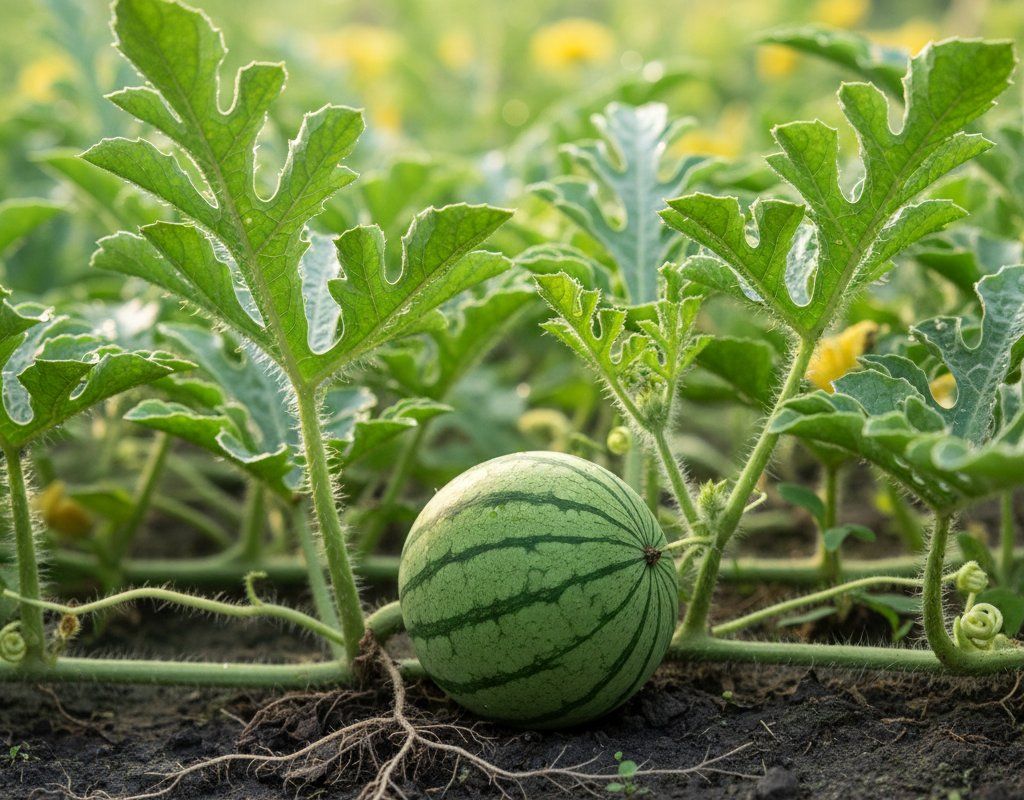
Watermelon in Zone 8A — Southeast
Citrullus lanatus · Your Complete 2026 Planting Guide
Ideal Time: Start Seeds Indoors!
This is the perfect time for the biggest, best harvest.
Start Seeds Now
- Start seeds in trays or pots with seed-starting mix
- Keep soil moist and warm (70-80°F)
- Transplant outdoors Late March through late April
Not Starting from Seed?
Buy starts around March 29 — that works great too!
How to Plant Watermelon in Zone 8A — Southeast
Here are all your options for getting watermelon in the ground, from the easiest method to more advanced approaches.
Direct Sow Seeds
RecommendedLate March through early August
around March 29
Consider succession planting every 2-3 weeks for continuous harvest.
Needs warm soil. Direct sow works in zones 6+. Start indoors in colder zones.
Buy Starts
Works WellLate March through late April
around March 29
Plant purchased starts after last frost (March 15).
Start Seeds Indoors
Works WellEarly to late March
around March 8
Then transplant: Late March through late April
Start seeds 3-5 weeks before transplanting outdoors.
Handle seedlings carefully — melons resent root disturbance.
Transplant Outdoors
Timing InfoLate March through late April
around March 29
Wait until nighttime temperatures stay above 50°F.
You have a nice window — no need to rush.
Overview
Growing watermelons in our Zone 8A Southeast gardens is pure summer magic. Our long, hot growing season and reliable afternoon thunderstorms create perfect conditions for these heat-loving vines to produce massive, sweet fruit that puts any grocery store melon to shame. There's nothing quite like biting into a sun-warmed watermelon you grew yourself during our sweltering July afternoons.
While our hot and humid summers can bring disease pressure and pest challenges, watermelons actually thrive in our climate when you time things right. With our 245-day growing season stretching from mid-March through mid-November, you have plenty of flexibility to work around weather patterns and still get multiple plantings in for a continuous harvest all summer long.
Starting Seeds Indoors
Starting watermelon seeds indoors isn't the preferred method here in the Southeast, but it can give you a head start if you want early fruit or are dealing with finicky varieties. Start seeds indoors during early to late March, about 3 weeks before you plan to transplant outside.
Use biodegradable peat pots since watermelons hate root disturbance - you'll plant the whole pot to avoid shocking the roots. Keep seed trays warm (75-85°F) and use bottom watering to prevent damping off in our humid spring conditions. A heating mat works wonders for quick germination.
The main advantage of indoor starting here is getting fruit a few weeks earlier, but honestly, direct sowing works so well in our moderate spring weather that most Southeast gardeners skip the indoor fuss. Only bother with indoor starts if you're growing expensive heirloom varieties or want bragging rights for the first ripe melon on the block.
Transplanting Outdoors
If you started seeds indoors, transplant your watermelon seedlings outside from late March through late April, once soil temperatures consistently hit 65°F and nighttime lows stay above 60°F. Our spring weather can be unpredictable with those temperature swings, so watch the forecast carefully.
Harden off seedlings gradually over a week by moving them outside for longer periods each day. This is especially important in our climate since indoor-grown plants need time to adjust to our humidity and afternoon thunderstorms. Plant the entire biodegradable pot to minimize root disturbance, spacing plants 6-8 feet apart in all directions.
Choose a sunny, well-drained spot since watermelons need full sun and hate sitting in waterlogged clay soil. If you're dealing with heavy clay like most of us, consider building raised beds or mounding soil to improve drainage before those summer downpours arrive.
Direct Sowing
Direct sowing is the way to go for watermelons in the Southeast - it's easier, more reliable, and these heat-lovers actually prefer it. You can direct sow from late March through early August, giving you multiple planting windows for continuous harvests.
Wait until soil temperature reaches 65°F consistently before sowing. In our clay soil, work in compost or aged manure to improve drainage and fertility. Plant seeds 1 inch deep in hills or rows, spacing them 6-8 feet apart - these vines spread like crazy and need room to roam. Plant 3-4 seeds per hill and thin to the strongest seedling once they're established.
The beauty of direct sowing here is that seeds germinate quickly in our warm spring soil and don't suffer transplant shock. Late plantings (June through early August) often outperform early ones since the plants hit their stride during our peak summer heat when watermelons are happiest. Just make sure late plantings have enough time to mature before our first frost in mid-November.
Watering Watermelon in Zone 8A (Southeast)
Watermelons are thirsty plants that need consistent moisture, especially during our hot and humid summers when temperatures regularly hit 92°F. They require about 1-2 inches of water per week, but here's the thing about Southeast gardening - our 45-55 inches of annual rainfall means you'll need to adjust your watering based on what Mother Nature provides.
During our typical wet summer pattern with afternoon thunderstorms, you might not need to water much at all for weeks at a time. But when we hit those occasional dry spells, watermelons suffer quickly. Check soil moisture with the finger test - stick your finger 2 inches deep near the base of the plant. If it's dry, it's time to water deeply at the soil level, never overhead, since our humid conditions already create perfect disease conditions.
Water at the base of plants using soaker hoses or drip irrigation to keep leaves dry and reduce disease pressure. In our clay soil, water slowly and deeply rather than frequent light watering to encourage deep root growth. A 2-3 inch layer of organic mulch helps retain moisture and keeps those sprawling vines off wet soil.
Here's a crucial Southeast tip: reduce watering about 2 weeks before harvest to concentrate sugars and prevent splitting during our heavy summer downpours. Overwatered melons taste diluted and can crack open just when they're getting ripe.
🧪Fertilizing Watermelon
Feeding Schedule
Organic Fertilizer Options
Harvest Time
Your first watermelons will be ready from late June through mid-November, typically about 85 days after planting. The timing depends on when you planted and which variety you chose - early plantings give you July melons, while late summer plantings extend harvest well into fall.
Look for three key ripeness indicators that work reliably in our climate. First, the ground spot (where the melon sits on soil) changes from white to creamy yellow. Second, the curly tendril nearest the fruit turns brown and dry. Third, a ripe melon sounds hollow when you thump it with your knuckles - you'll hear the difference once you get the hang of it.
Cut melons from the vine with pruning shears rather than pulling them off, leaving about an inch of stem attached. Unlike some fruits, watermelons won't continue ripening once picked, so timing is everything. Test one melon first if you're unsure - better to wait a few more days than harvest too early.
As our first frost approaches in mid-November, harvest any melons that show signs of ripening even if they're not perfect. Green melons won't survive frost, but you can use them for pickles or preserves rather than letting them go to waste.
Common Problems in Zone 8A (Southeast)
Fusarium Wilt
This soil-borne fungal disease shows up as wilting on one side of the plant first, then gradually spreads to the whole plant. You'll see yellowing leaves starting on one side, and if you cut the stem open, there are brown streaks inside. Once it hits, the plant is doomed - there's no cure.
Our warm, humid climate creates perfect conditions for fusarium, and the fungus persists in soil for years. It enters through roots and spreads quickly in temperatures above 80°F, which describes most of our summer. Prevention is key: plant resistant varieties marked with 'F' on seed packets, rotate crops every 4 years, and improve soil drainage since the fungus loves wet conditions.
Anthracnose
This fungal disease creates dark, sunken circular spots on fruit, leaves, and stems. In our humid weather, you'll often see pink or orange spore masses in the centers of spots, especially after our afternoon thunderstorms. Infected fruit becomes unmarketable and rots quickly.
Our hot and humid summers with frequent rain create ideal anthracnose conditions. The fungus spreads through rain splash and contaminated tools. Prevent it by avoiding overhead watering, removing plant debris, and applying copper fungicide preventatively. Space plants well for air circulation and choose resistant varieties when possible.
Poor Pollination
You'll see small, misshapen melons or flowers that bloom but drop off without forming fruit. Sometimes melons start developing but stay tiny or grow unevenly on one end. This is especially frustrating when plants look healthy but don't produce.
Poor pollination happens when beneficial insects can't do their job due to pesticide use, extreme heat (above 95°F), or lack of habitat. Our summer heat can stress pollinators, and Japanese beetles sometimes interfere with flower visits. Attract bees and other pollinators with nearby flowering plants, avoid spraying during bloom, and hand-pollinate with a small brush if needed.
Southeast Specific Challenges: Our combination of intense summer heat, high humidity, and heavy rainfall creates a perfect storm for fungal diseases. The clay soil many of us deal with holds too much moisture, while Japanese beetles and deer add extra pressure. Success comes from choosing disease-resistant varieties, improving drainage, and working with our climate patterns rather than fighting them.
Best Companions for Watermelon
Plant these nearby for healthier Watermelon and better harvests.

Keep Away From
Companion Planting Details
Corn makes an excellent companion for watermelons in the Southeast since the tall stalks provide afternoon shade during our scorching summer heat while the melons spread beneath without competing for the same soil nutrients. Radishes planted around the edges help break up clay soil and deter cucumber beetles, plus they mature quickly before the melon vines spread over them.
Sunflowers work beautifully as living trellises and pollinator magnets - plant them on the north side so they don't shade your melons, and their deep taproots help break through our hard clay subsoil. Avoid planting watermelons near potatoes since both crops attract similar pests and compete for soil nutrients, plus potatoes can harbor diseases that affect melon family plants in our humid conditions.
🌸Best Flowers to Plant with Watermelon
These flowers protect your Watermelon from pests and attract pollinators for better harvests.


Get a Reminder When It's Time to Plant
We'll email you when key planting windows open for your zone.