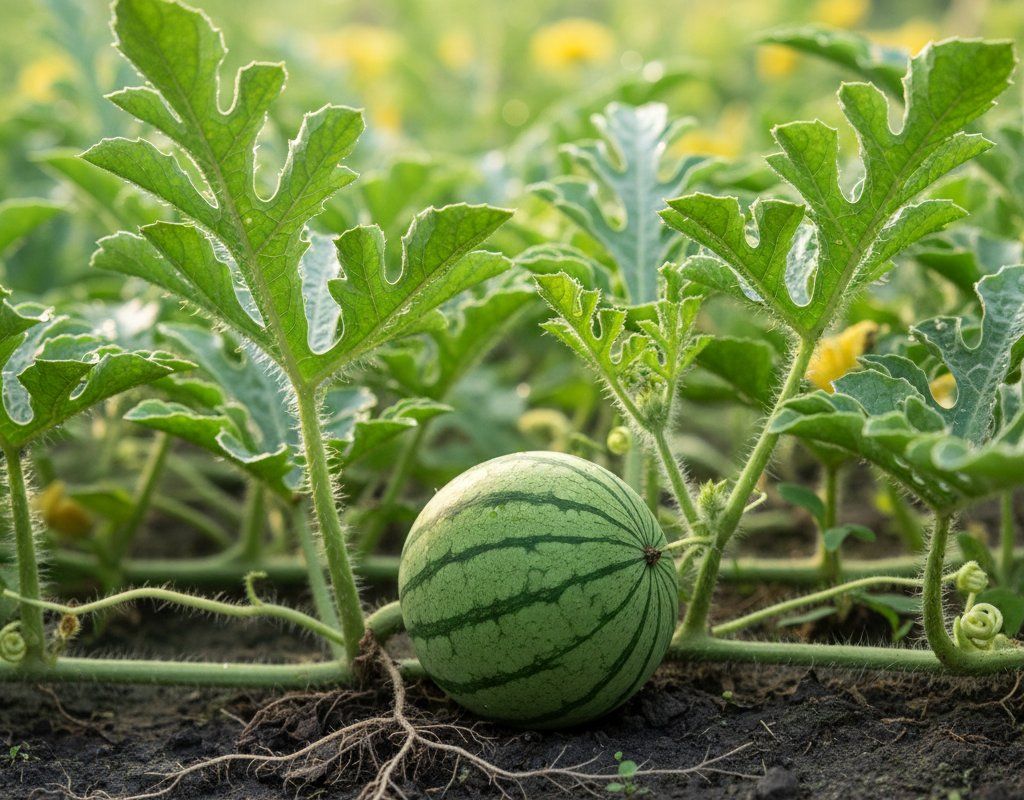
Watermelon in Zone 8B — Northern California
Citrullus lanatus · Your Complete 2026 Planting Guide
Last Call for Seed Starting!
Indoor seed starting window closes in 4 days.
Start Seeds This Week
Start seeds now for transplanting later.
Or Wait for Starts
If you don’t want to start seeds, starts will be available around March 15.
How to Plant Watermelon in Zone 8B — Northern California
Here are all your options for getting watermelon in the ground, from the easiest method to more advanced approaches.
Direct Sow Seeds
RecommendedMid March through mid August
around March 15
Consider succession planting every 2-3 weeks for continuous harvest.
Needs warm soil. Direct sow works in zones 6+. Start indoors in colder zones.
Buy Starts
Works WellMid March through mid April
around March 15
Plant purchased starts after last frost (March 1).
Start Seeds Indoors
Works WellMid February through early March
around February 22
Then transplant: Mid March through mid April
Start seeds 3-5 weeks before transplanting outdoors.
Handle seedlings carefully — melons resent root disturbance.
Transplant Outdoors
Timing InfoMid March through mid April
around March 15
Wait until nighttime temperatures stay above 50°F.
You have a nice window — no need to rush.
Overview
Watermelon thrives in our Northern California Mediterranean climate, where our long warm summers and extended growing season let these heat-loving vines develop their full sweetness. With 269 frost-free days to work with, you can enjoy homegrown melons from early summer clear through fall — something store-bought varieties can't match for flavor and that perfect crisp-sweet texture.
Our dry summers and moderate-to-hot temperatures create ideal conditions for watermelons, though you'll need to stay on top of watering since these aren't drought-tolerant plants. The key is timing your plantings to work with our early springs and late first frost, giving you multiple planting windows throughout the growing season.
Starting Seeds Indoors
Starting watermelon seeds indoors makes sense if you want to get a jump on the season or if you're in a cooler microclimate that needs extra growing time. Sow seeds in mid-February through early March, about 3 weeks before you plan to transplant outdoors.
Use individual peat pots or cell trays since watermelons hate root disturbance. Keep soil temperature around 70-80°F for best germination — a heat mat helps in our still-cool February weather. Bottom watering works best to avoid damaging tender seedlings.
Handle transplants carefully when the time comes. Melons are notoriously fussy about root damage, so if you start indoors, use biodegradable pots you can plant directly into the ground.
Transplanting Outdoors
Move your indoor-started watermelon seedlings outside from mid-March through mid-April, once soil temperatures consistently stay above 65°F and nighttime lows are reliably above 50°F. Our Northern California springs can still surprise you with cool snaps, so watch the forecast.
Harden off seedlings gradually over a week, starting with a few hours of morning sun and building up to full outdoor exposure. Space transplants 6-8 feet apart in all directions — watermelon vines need serious room to sprawl.
Plant on a warm, calm day if possible. Our spring winds can stress newly transplanted seedlings, and afternoon heat can shock them. Early morning planting gives them the whole day to settle in before facing any temperature extremes.
Direct Sowing
Direct sowing is the preferred method for watermelons in our zone, and you have a generous window from mid-March through mid-August. Wait until soil temperature hits 70°F consistently — cold soil will rot the seeds before they germinate.
Prepare planting hills by mixing compost into your native soil and spacing them 6-8 feet apart. Plant 4-6 seeds per hill about 1 inch deep, then thin to the strongest 2-3 plants once they're established. Our clay soils benefit from raised beds or mounded planting areas for better drainage.
For succession planting, sow new hills every 2-3 weeks through early summer. Later plantings will mature in fall when our warm days and cool nights actually improve flavor development. Just make sure your last planting has enough time to mature before our November frost window.
Watering Watermelon in Zone 8B (Northern California)
Watermelons need consistent, deep watering throughout our dry Northern California summer — about 1-2 inches per week depending on your microclimate and soil type. Check soil moisture with the finger test: stick your finger 2 inches down, and if it's dry, it's time to water.
Water deeply at the base of plants rather than overhead. Our low humidity means leaves dry quickly, but wet foliage can still invite fungal problems. Drip irrigation or soaker hoses work perfectly for watermelons, delivering steady moisture right to the root zone while conserving water during our frequent summer restrictions.
During fruit development, maintain steady moisture levels — inconsistent watering can cause fruit to crack or develop poor flavor. However, reduce watering about 1-2 weeks before harvest to concentrate sugars and improve taste. This timing trick works especially well in our predictable dry-summer climate.
Mulch around plants with straw or shredded leaves to retain soil moisture and reduce watering frequency. In our hot inland areas, mulching becomes essential for keeping roots cool and preventing the soil from drying out too quickly between waterings.
🧪Fertilizing Watermelon
Feeding Schedule
Organic Fertilizer Options
Harvest Time
Your first watermelons will be ready from early June through late November, depending on when you planted and which variety you're growing. Most take about 85 days from seed to harvest, so plan accordingly based on your sowing dates.
Look for three key ripeness indicators: the ground spot (where the melon touches soil) turns from white to creamy yellow, the tendril closest to the fruit stem turns brown and dry, and the melon sounds hollow when you thump it with your knuckles. All three signs should align — don't rely on just one.
Cut the stem with clean pruners rather than pulling the fruit free. Watermelons don't continue ripening once harvested, so patience pays off. A perfectly ripe melon will have deep, rich coloring and feel heavy for its size.
As our first frost approaches in late November, harvest any remaining melons regardless of size. Green melons won't ripen further, but you can use them for pickles or preserves. Store ripe melons in a cool, dry place where they'll keep for several weeks.
Common Problems in Zone 8B (Northern California)
Fusarium Wilt shows up as wilting on one side of the plant first, then spreading across the entire vine. You'll notice yellow leaves starting on one side, and if you cut the stem, you'll see brown streaks inside. This soil-borne fungus loves our warm summer soil and persists for years once established. Plant resistant varieties marked with 'F' on seed packets, rotate crops on a 4-year cycle, and keep soil pH above 6.5. Once infected, remove and destroy the entire plant.
Anthracnose appears as sunken, dark circular spots on fruit, stems, and leaves. In our occasional humid weather, you might see pink or orange spore masses on the spots. This fungal problem spreads through water splash, so avoid overhead watering and remove any infected plant debris immediately. Copper fungicide applied preventatively helps, especially during our rare summer rains.
Poor Pollination results in small, misshapen fruit or flowers that bloom and drop without setting fruit. This happens when pollinators can't visit during extremely hot days (over 95°F) or when male and female flowers don't bloom simultaneously. Plant pollinator-friendly flowers nearby, hand-pollinate with a small brush during cool morning hours, and avoid any pesticides during flowering time.
Our Northern California climate generally favors watermelons, but our increasingly hot summers and water restrictions can stress plants. The low humidity helps prevent many fungal diseases, while our predictable dry summers make irrigation management crucial for success.
Best Companions for Watermelon
Plant these nearby for healthier Watermelon and better harvests.

Keep Away From
Companion Planting Details
Corn makes an excellent watermelon companion, providing natural trellising for the vines to climb while its roots occupy different soil levels. Radishes planted around the watermelon hills help break up clay soil and deter cucumber beetles in the early season. Sunflowers planted nearby attract beneficial pollinators and provide afternoon shade in our hottest microclimates.
Avoid planting watermelons near potatoes, which can harbor similar soil-borne diseases and compete aggressively for nutrients. In our water-conscious region, grouping watermelons with other high-water plants like corn and squash makes irrigation planning easier and more efficient.
🌸Best Flowers to Plant with Watermelon
These flowers protect your Watermelon from pests and attract pollinators for better harvests.


Get a Reminder When It's Time to Plant
We'll email you when key planting windows open for your zone.