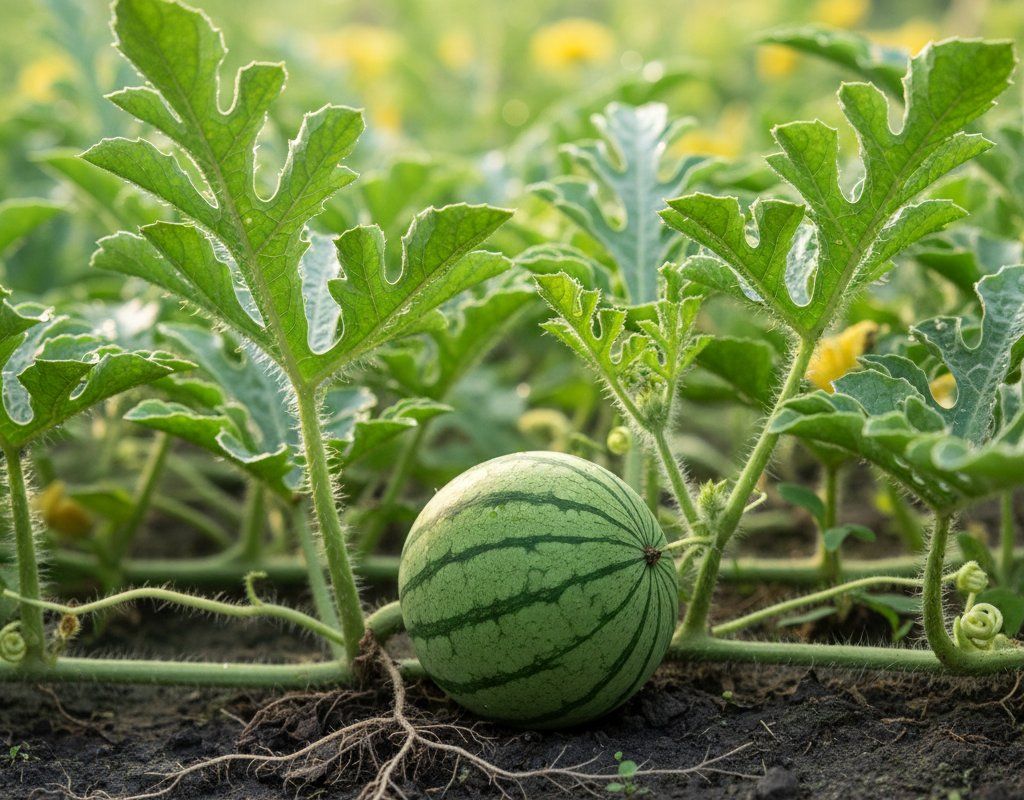
Watermelon in Zone 8B — Pacific Northwest
Citrullus lanatus · Your Complete 2026 Planting Guide
Planning Ahead — Great!
You’re ahead of the season. Here’s when to start.
Mark Your Calendar
How to Plant Watermelon in Zone 8B — Pacific Northwest
Here are all your options for getting watermelon in the ground, from the easiest method to more advanced approaches.
Direct Sow Seeds
RecommendedMid April through late July
around April 19
Consider succession planting every 2-3 weeks for continuous harvest.
Needs warm soil. Direct sow works in zones 6+. Start indoors in colder zones.
Buy Starts
Works WellMid April through mid May
around April 19
Plant purchased starts after last frost (April 5).
Start Seeds Indoors
Works WellLate March through mid April
around March 29
Then transplant: Mid April through mid May
Start seeds 3-5 weeks before transplanting outdoors.
Handle seedlings carefully — melons resent root disturbance.
Transplant Outdoors
Timing InfoMid April through mid May
around April 19
Wait until nighttime temperatures stay above 50°F.
You have a nice window — no need to rush.
Overview
Growing watermelons in the Pacific Northwest's Zone 8B might seem challenging, but our mild summers and cool nights actually produce exceptionally sweet fruit with concentrated flavor. While store-bought melons often taste watery, your homegrown varieties will have that perfect balance of sweetness and refreshing juice that makes summer memorable. The PNW's dry summer months mean less disease pressure than humid regions face, and our consistent mild temperatures allow steady, even ripening.
Yes, watermelons need warmth and our cool soil springs can delay planting, but with our generous 210-day growing season and reliable dry summers, you have plenty of time to grow full-sized melons. The key is working with our climate patterns rather than against them – starting when soil warms up and choosing varieties that make the most of our extended, mild fall weather.
Starting Seeds Indoors
Starting watermelon seeds indoors makes sense in the PNW if you want to maximize your growing season or try longer-season varieties. Start seeds from late March through mid-April, about three weeks before you plan to transplant outdoors. Our slow spring means this indoor head start can be valuable, especially with our cool soil conditions lasting well into spring.
Set up seed trays in a warm spot (70-80°F works best) and use bottom watering to keep soil consistently moist without waterlogging. Watermelon seeds are large and easy to handle – plant them about half an inch deep in quality seed starting mix. Keep them under grow lights or in a sunny window once they germinate.
Handle seedlings carefully when transplanting – watermelons hate root disturbance and may sulk for weeks if their roots get damaged. Consider using biodegradable pots that can be planted directly, or start them in larger containers to minimize root disruption.
Transplanting Outdoors
Transplant watermelon seedlings outdoors from mid-April through mid-May, once nighttime temperatures consistently stay above 50°F and soil has warmed. In the PNW, this timing usually coincides with when our overcast spring days start giving way to more reliable sunshine. Wait for soil that feels warm to the touch in the morning – cold soil will stunt growth and invite root problems.
Harden off seedlings gradually over a full week, starting with just an hour outdoors and building up to full days. Our spring weather can swing between warm and cool, so this gradual transition is crucial. Space transplants 6-8 feet apart in all directions – watermelon vines sprawl extensively and need room to roam.
Choose a protected spot for the first few weeks after transplanting, as late spring rains and cool snaps can stress young plants. Row covers or clear plastic tunnels help trap warmth during our unpredictable spring weather.
Direct Sowing
Direct sowing is the preferred method for watermelons in the PNW – these plants establish better when their roots aren't disturbed. You can direct sow from mid-April through late July, with the sweet spot being late April through early June when soil has warmed but you still have plenty of growing season ahead. Our 210-day season gives you flexibility in timing.
Wait until soil temperature reaches at least 65°F consistently – use a soil thermometer rather than guessing. In our region, this typically happens a few weeks after our last frost risk passes. Warm soil is critical since cold, wet conditions invite seed rot and damping-off diseases that plague watermelons.
Plant seeds 6-8 feet apart in all directions, creating hills with 2-3 seeds each. Plant about an inch deep in loose, well-draining soil enriched with compost. The generous spacing accommodates their sprawling growth habit and ensures good air circulation – important in our moist spring climate. Thin to the strongest seedling once plants have their first true leaves.
Watering Watermelon in Zone 8B (Pacific Northwest)
Watermelons are thirsty plants that need consistent deep watering, especially during fruit development. In the PNW's dry summer climate, you'll need to supplement natural rainfall with about 1-2 inches of water weekly. Our mild summer temperatures mean less evaporation than hotter regions, but watermelons still need plenty of moisture to develop properly.
Use the finger test regularly – stick your finger 2 inches into the soil near the base of plants. If it's dry at that depth, it's time to water deeply. Our dry summer months mean you'll likely water 2-3 times per week once plants are established, more frequently during fruit-setting and development phases.
Water at soil level rather than overhead to keep leaves dry and prevent fungal issues that can develop during our cool nights. Soaker hoses or drip irrigation work perfectly for watermelons' sprawling growth. Apply a thick layer of straw or grass clipping mulch around plants to retain moisture and reduce watering frequency – particularly helpful during our dry July and August periods.
About 1-2 weeks before harvest, reduce watering to concentrate sugars in the fruit. This timing trick works especially well in our region since late summer is naturally our driest period, helping melons reach peak sweetness just as they're ready to pick.
🧪Fertilizing Watermelon
Feeding Schedule
Organic Fertilizer Options
Harvest Time
Your first watermelons will be ready from mid-July through early November, typically about 85 days from direct seeding. In the PNW, this extended harvest window lets you enjoy homegrown melons well into fall – a real advantage of our long, mild growing season. Early varieties planted in late April will start producing in mid-July, while late sowings can fruit until our first frost arrives in early November.
Look for three key ripeness indicators: the ground spot (where the melon touches soil) changes from white to creamy yellow, the tendril closest to the fruit stem turns brown and dry, and the melon sounds hollow when you thump it with your knuckles. The skin will also lose its glossy sheen and become dull when fully ripe.
Cut the stem with sharp pruners rather than pulling – watermelons don't continue ripening once harvested, so timing is crucial. Unlike tomatoes that can ripen indoors, watermelons must reach full maturity on the vine for best flavor and sweetness.
As our first frost approaches in early November, harvest any remaining full-sized melons even if they're not perfectly ripe. While they won't sweeten further, they'll keep for several weeks in cool storage and still provide that satisfying homegrown taste through late fall.
Common Problems in Zone 8B (Pacific Northwest)
Fusarium Wilt Watch for wilting that starts on one side of the plant, then spreads across the entire vine. Leaves turn yellow starting from one side, and if you cut open the stem, you'll see brown streaks inside. This soil-borne fungus persists for years and enters through roots, thriving in our warm summer soil conditions.
There's no cure once plants are infected – remove and destroy affected plants immediately. Plant resistant varieties marked with 'F' on seed packets, rotate watermelon crops on a 4-year cycle, and keep soil pH above 6.5. Our PNW soil tends toward acidity, so testing and amending with lime may help prevent this problem.
Anthracnose Dark, sunken circular spots appear on fruit, stems, and leaves. During wet weather, you'll see pink or orange spore masses in the center of spots. This fungal disease spreads through rain splash and thrives in warm, humid conditions – particularly problematic during our wet spring periods.
Remove infected fruit and plant debris immediately, and avoid overhead watering to prevent splash dispersal. Apply copper fungicide preventatively during wet spring weather. Our dry summers naturally reduce anthracnose pressure, but spring prevention is key in the PNW climate.
Poor Pollination Small, misshapen fruit or flowers that bloom but drop off indicate pollination problems. Partially pollinated melons develop unevenly and often abort. Cool spring weather can delay pollinator activity, while our mild summers generally support good pollination once established.
Plant bee-attracting flowers nearby and avoid pesticides during bloom. Hand-pollinate with a small brush if needed – male flowers appear first, followed by female flowers with tiny fruit at their base. Our cool nights can sometimes interrupt pollinator activity, making morning hand-pollination especially effective.
Pacific Northwest Specific Challenges: Our cool, wet springs can delay soil warming and encourage fungal problems, while slugs may damage young seedlings. However, our dry summers and mild temperatures create excellent conditions once plants are established, with far fewer pest and disease pressures than humid regions experience.
Best Companions for Watermelon
Plant these nearby for healthier Watermelon and better harvests.

Keep Away From
Companion Planting Details
Plant watermelons alongside corn and sunflowers for natural windbreaks and partial shade during our occasional hot spells. Corn provides vertical structure that doesn't compete for ground space, while sunflowers attract beneficial pollinators crucial for fruit set. Radishes planted around the perimeter help break up soil and may deter some ground pests, plus they'll be harvested long before watermelon vines spread.
Avoid planting near potatoes, which can harbor diseases that affect watermelons and compete heavily for soil nutrients. In our PNW climate, focus on companions that won't shade your melons during our already-mild summers – these heat-loving plants need every bit of sun they can get to ripen properly in our moderate temperatures.
🌸Best Flowers to Plant with Watermelon
These flowers protect your Watermelon from pests and attract pollinators for better harvests.


Get a Reminder When It's Time to Plant
We'll email you when key planting windows open for your zone.