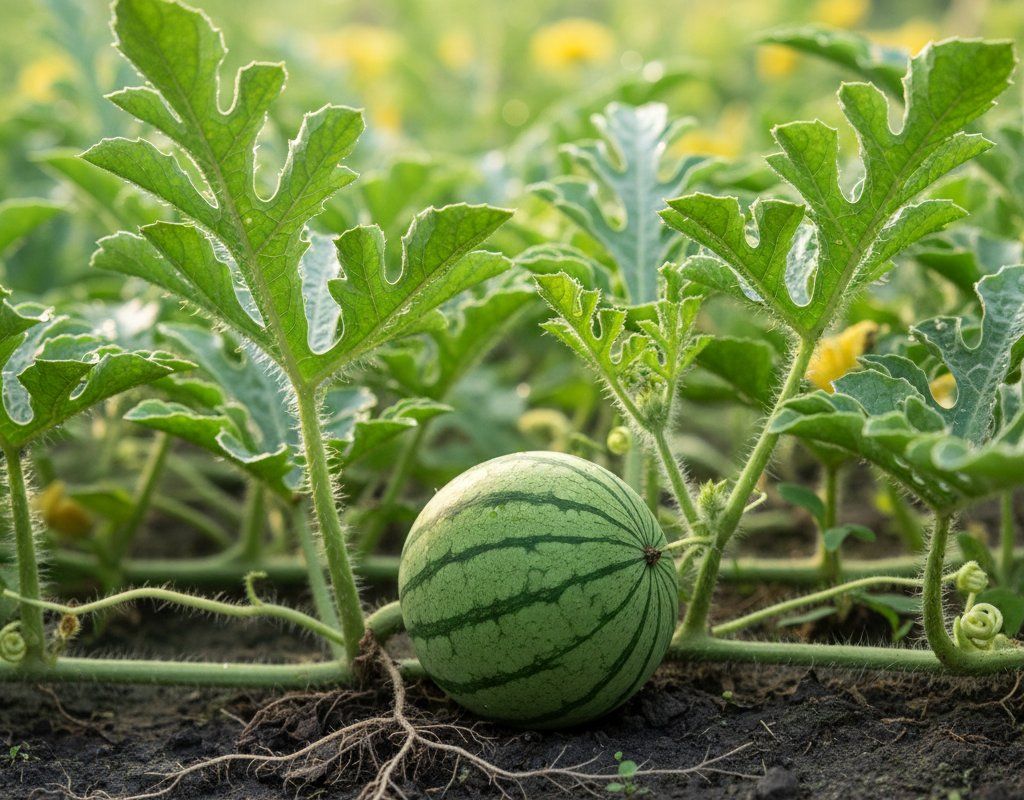
Watermelon in Zone 8B — Texas
Citrullus lanatus · Your Complete 2026 Planting Guide
Missed Seed Starting? No Problem!
Wait for starts to become available.
What to Do
Starts will be available at nurseries in 7 days (around March 11).
How to Plant Watermelon in Zone 8B — Texas
Here are all your options for getting watermelon in the ground, from the easiest method to more advanced approaches.
Direct Sow Seeds
RecommendedMid March through mid August
around March 11
Consider succession planting every 2-3 weeks for continuous harvest.
Needs warm soil. Direct sow works in zones 6+. Start indoors in colder zones.
Buy Starts
Works WellMid March through early April
around March 11
Plant purchased starts after last frost (February 25).
Start Seeds Indoors
Works WellMid February through early March
around February 18
Then transplant: Mid March through early April
Start seeds 3-5 weeks before transplanting outdoors.
Handle seedlings carefully — melons resent root disturbance.
Transplant Outdoors
Timing InfoMid March through early April
around March 11
Wait until nighttime temperatures stay above 50°F.
You have a nice window — no need to rush.
Overview
Watermelon thrives in our Texas heat like few other crops can, turning our long, blazing summers into an advantage rather than a challenge. With 273 growing days and two distinct planting windows, you can grow massive, sweet melons that make store-bought varieties taste like cardboard. Nothing beats stepping into your own garden during a scorching July afternoon and cutting into a perfectly ripe watermelon that's been soaking up our intense Texas sun.
Our unpredictable weather and extreme heat can seem daunting, but watermelons actually love what Texas dishes out. The key is working with our climate patterns rather than fighting them - plant early to beat the worst heat, or time your fall planting to avoid the brutal midsummer stress while still catching plenty of warm weather before our late November frost.
Starting Seeds Indoors
Starting watermelon seeds indoors makes sense if you want to get ahead of the spring planting rush or if you're growing specialty varieties that need extra time. Start seeds from mid-February through early March, about three weeks before you plan to transplant outdoors. Set up seed trays in a warm spot (75-80°F soil temperature) with good light, and use bottom watering to prevent damping-off.
Keep in mind that watermelons hate root disturbance more than most crops. Use biodegradable peat pots or large cell trays so you can transplant the entire root system intact. With our early Texas springs, you'll often get better results direct sowing once soil warms up, but indoor starting works well if you want precise timing or need to work around our unpredictable late-season cold snaps.
Handle those seedlings like they're made of glass - watermelons will sulk for weeks if their roots get disturbed during transplanting.
Transplanting Outdoors
Transplant your watermelon seedlings from mid-March through early April, timing it for when soil temperatures consistently stay above 65°F and our last frost risk has passed. Harden off seedlings gradually over a full week - start with just an hour outdoors in filtered light, then increase exposure daily until they're spending full days outside.
Space plants 72-96 inches apart in all directions since watermelons need serious room to sprawl. These vines will easily spread 15-20 feet in our growing season, so don't crowd them or you'll have a tangled mess by July. Plant on cloudy days or in late afternoon to reduce transplant shock, and water deeply right after planting.
Watch the weather carefully during transplant time - our Texas springs can throw surprise cold fronts or late freezes that will kill tender transplants overnight. Keep row covers handy for unexpected temperature drops, and don't rush the process just because you're eager to get growing.
Direct Sowing
Direct sowing is the preferred method for watermelons in Texas since they hate root disturbance and our long season gives plenty of time for soil-started plants to mature. Sow seeds from mid-March through mid-August, with the sweet spot being April through May for summer harvest, or July for fall melons that ripen in October.
Wait until soil temperature reaches at least 70°F before planting - cold soil leads to poor germination and weak plants. Work compost into the planting area and create small hills or raised rows for better drainage during our unpredictable heavy rains. Plant 3-4 seeds per hill, spacing hills 72-96 inches apart, then thin to the strongest seedling once plants are established.
Your second planting window in July takes advantage of our fall growing season - these melons will mature during September and October when temperatures moderate but days stay warm. This timing often produces sweeter fruit since the plants aren't stressed by extreme summer heat during the critical final ripening phase.
Watering Watermelon in Zone 8B (Texas)
Watermelons are thirsty plants that need consistent, deep watering throughout our hot Texas growing season - plan on providing 1-2 inches per week during active growth and fruit development. With our unpredictable rainfall ranging from 15-50 inches annually, you'll need to supplement irrigation most years to keep plants properly hydrated through our typical 97°F summer days.
Water at soil level rather than overhead to prevent fungal issues in our variable humidity, and use the finger test - stick your finger 2 inches into soil near the plant base. If it's dry at that depth, it's time to water deeply. During fruit development, maintain steady soil moisture to prevent blossom end rot and ensure proper sizing, but reduce watering 1-2 weeks before harvest to concentrate sugars and improve flavor.
Our extreme heat means you'll likely need to water every 2-3 days during July and August, even with mulch. Apply a 3-4 inch layer of organic mulch around plants to conserve moisture and keep soil temperatures from spiking too high, but keep mulch several inches away from the main stem to prevent pest issues.
Signs of underwatering include wilting during the heat of the day (even with adequate soil moisture), while overwatering shows up as yellowing leaves and poor fruit development. During flash flood periods common in Texas, ensure your planting area drains well since waterlogged soil will kill these plants quickly.
🧪Fertilizing Watermelon
Feeding Schedule
Organic Fertilizer Options
Harvest Time
Your first watermelons will be ready from early June through late November, depending on planting timing - spring-planted melons typically ripen in June through August, while summer plantings harvest September through November. With 85 days to maturity, track your planting dates so you know when to start checking for ripeness indicators.
Look for three key signs that your watermelon is perfectly ripe: the ground spot (where the melon touches soil) changes from white to creamy yellow or orange, the tendril nearest to where the fruit attaches turns brown and dry, and the melon sounds hollow when you thump it with your knuckles. A ripe watermelon also loses its glossy sheen and develops a dull, matte appearance.
Harvest in the morning when temperatures are cooler, using a sharp knife to cut the stem rather than pulling the fruit. Unlike some melons, watermelons won't continue ripening once picked, so make sure they're fully mature before cutting from the vine.
As our late November frost approaches, harvest any remaining melons even if they're not perfectly ripe - they'll keep for several weeks in cool storage and are still good for cooking or preserves. Green watermelons can be pickled or used in stir-fries, so nothing goes to waste.
Common Problems in Zone 8B (Texas)
Fusarium Wilt What it looks like: Plants start wilting on one side first, then the entire plant collapses even with adequate soil moisture. Leaves turn yellow starting from one side, and if you cut the stem open, you'll see brown streaks running through the vascular system.
What causes it: This soil-borne fungus thrives in our warm Texas soil temperatures and can persist for years once established. It enters through the roots and blocks water uptake, which is especially deadly during our hot summers when plants need maximum water flow.
How to fix/prevent it: No cure exists once plants are infected - remove and destroy affected plants immediately. Plant varieties marked with 'F' on seed labels for fusarium resistance, rotate watermelons on a 4-year cycle, and raise soil pH above 6.5 since the fungus prefers acidic conditions.
Anthracnose What it looks like: Dark, sunken circular spots appear on fruits, stems, and leaves. During humid periods, you'll notice pink or orange spore masses in the centers of these spots, especially after our summer thunderstorms.
What causes it: This fungal disease loves our warm temperatures combined with high humidity and spreads rapidly via rain splash during our unpredictable storm patterns. Contaminated seeds can also introduce the problem.
How to fix/prevent it: Remove infected fruits and plant debris immediately, avoid overhead watering, and apply copper fungicide preventatively before humid periods. Buy certified disease-free seeds and rotate crops annually to break the disease cycle.
Poor Pollination What it looks like: Fruits are small, misshapen, or develop unevenly on one end. You might see flowers blooming prolifically but then dropping off without setting fruit, or fruits that start developing but stop growing.
What causes it: Our extreme heat can shut down pollinator activity during the hottest part of summer days, and temperature swings can affect flower timing so male and female flowers don't overlap properly.
How to fix/prevent it: Plant pollinator-attracting flowers like sunflowers and zinnias nearby, hand-pollinate with a small paintbrush during early morning hours, and avoid any pesticide use during flowering. Provide shallow water sources for bees during our drought periods.
Texas Specific Challenges: Our variable humidity creates perfect conditions for fungal diseases, while extreme heat stress can shut down pollination and cause plants to drop flowers. Fire ants often interfere with ground-nesting native pollinators, and our unpredictable rainfall patterns can swing from drought stress to waterlogged soil in a matter of days, both of which stress watermelon plants significantly.
Best Companions for Watermelon
Plant these nearby for healthier Watermelon and better harvests.

Keep Away From
Companion Planting Details
Corn makes an excellent watermelon companion in Texas since the tall stalks provide afternoon shade during our most brutal heat while the watermelon vines spread beneath without competing for vertical space. Plant radishes around your watermelon hills - they'll mature quickly in spring before the melons need the space, and their roots help break up clay soil common in many Texas areas. Sunflowers planted nearby attract beneficial pollinators and predatory insects while their deep roots don't compete with the watermelons' spreading root system.
Avoid planting potatoes anywhere near watermelons since both crops are susceptible to similar fungal diseases that thrive in our humid conditions, and potatoes can harbor pests that will move to your melon vines. The timing also doesn't work well - potatoes prefer our cooler spring weather while watermelons need consistently warm soil, so you'd be fighting different growing requirements in the same space.
🌸Best Flowers to Plant with Watermelon
These flowers protect your Watermelon from pests and attract pollinators for better harvests.


Get a Reminder When It's Time to Plant
We'll email you when key planting windows open for your zone.