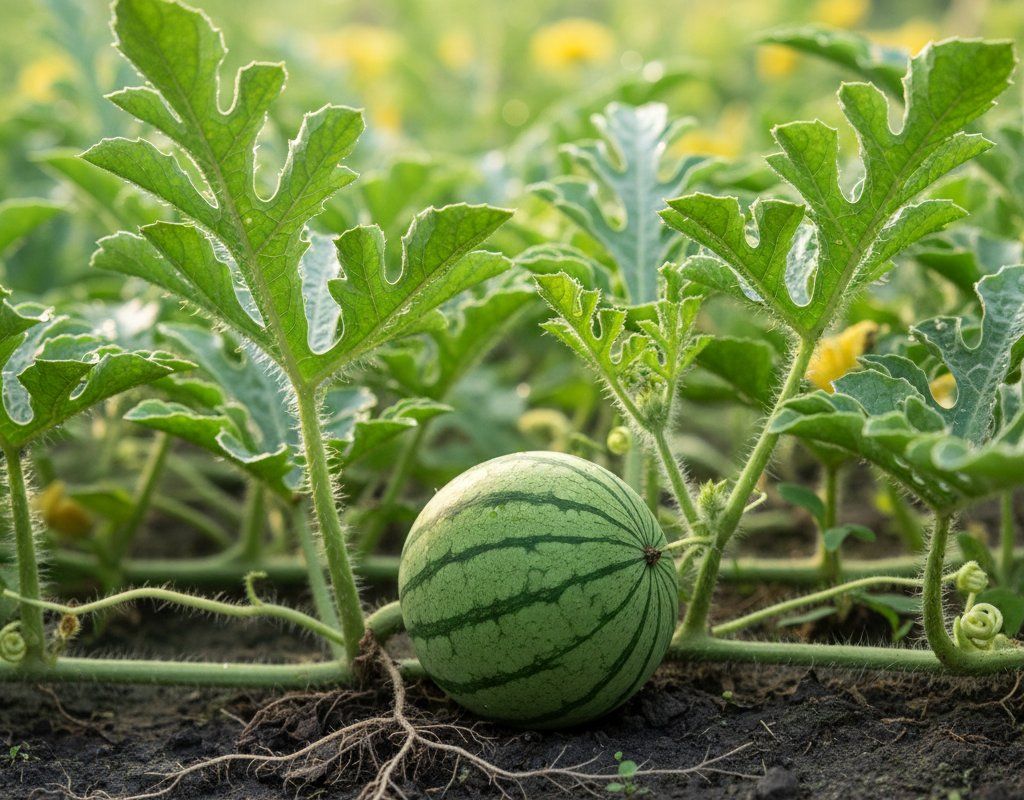
Watermelon in Zone 9A — Florida
Citrullus lanatus · Your Complete 2026 Planting Guide
Time to Buy Starts!
Seed starting window passed, but starts are available now.
Buy Starts Now
Head to your local nursery, Home Depot, or farmers market for transplants.
- Look for stocky plants with dark green leaves
- Avoid leggy seedlings or plants already flowering
- Check that roots aren't circling the pot (rootbound)
How to Plant Watermelon in Zone 9A — Florida
Here are all your options for getting watermelon in the ground, from the easiest method to more advanced approaches.
Direct Sow Seeds
RecommendedMid February through mid September
around February 15
Consider succession planting every 2-3 weeks for continuous harvest.
Needs warm soil. Direct sow works in zones 6+. Start indoors in colder zones.
Buy Starts
Works WellMid February through mid March
around February 15
Plant purchased starts after last frost (February 1).
Start Seeds Indoors
Works WellMid January through early February
around January 25
Then transplant: Mid February through mid March
Start seeds 3-5 weeks before transplanting outdoors.
Handle seedlings carefully — melons resent root disturbance.
Transplant Outdoors
Timing InfoMid February through mid March
around February 15
Wait until nighttime temperatures stay above 50°F.
You have a nice window — no need to rush.
Overview
Watermelon is one of Florida's most rewarding crops, perfectly suited to our long growing season and hot summers. Nothing beats biting into a sweet, juicy melon you grew yourself - especially when store-bought watermelons often taste like sugary water. With our 327-day growing season and subtropical climate, you can actually grow multiple crops per year if you time it right.
Our extreme humidity and fungal pressure can challenge watermelon growers, but Florida's reversed growing calendar actually works in your favor. Plant in late winter for a spring harvest, or start a fall crop to avoid the worst summer heat. The key is understanding that watermelons need warmth but not our brutal midsummer conditions.
Starting Seeds Indoors
Starting watermelon seeds indoors makes sense if you want to get a jump on the season or have limited garden space to prepare. Start seeds mid-January through early February, about 3 weeks before your last frost risk passes. Use biodegradable peat pots since watermelons hate root disturbance - you'll plant the whole pot directly in the ground.
Set up your seed trays in a warm spot (75-85°F) with good light once they germinate. Bottom watering works best to prevent damping-off in our humid conditions. Your seedlings will be ready for hardening off by mid-February when our spring weather starts warming up.
Keep in mind that direct sowing is actually easier in Florida since our soil warms quickly in late winter. Indoor starting mainly gives you better control over germination rates and lets you baby them through those early weeks.
Transplanting Outdoors
Transplant your watermelon seedlings mid-February through mid-March, after soil temperatures stay consistently above 65°F. This timing catches our mild spring weather before the heat and humidity become overwhelming. Space plants 6-8 feet apart in all directions - watermelons are vigorous vines that need room to spread.
Harden off seedlings gradually over a week before transplanting. Start with 2-3 hours of morning sun, then increase exposure daily. Our spring weather can be unpredictable with occasional cool snaps, so watch the forecast and be ready to cover plants if temperatures drop unexpectedly.
Handle the root ball carefully during transplanting. If using peat pots, tear the rim off and rough up the sides before planting - sometimes the pot walls don't break down fast enough in our sandy soil. Water thoroughly after transplanting and mulch around the base to retain moisture.
Direct Sowing
Direct sowing is your best bet for watermelons in Florida. Plant seeds mid-February through mid-September, though spring planting (February-March) and fall planting (August-September) give the best results. Summer plantings struggle with our intense heat and humidity, but they're possible with extra care.
Wait until soil temperature reaches 70°F consistently - usually by mid-February in our area. Plant seeds 1 inch deep in hills spaced 6-8 feet apart, or create raised rows if your soil doesn't drain well. Our sandy soil actually works great for watermelons since they need excellent drainage. Add compost to improve water retention without creating soggy conditions.
For fall crops, plant by early September so fruits have time to mature before cool weather slows growth. Fall watermelons often taste sweeter since they ripen during our mild winter months instead of fighting through summer stress.
Watering Watermelon in Zone 9A (Florida)
Watermelons are thirsty plants that need consistent moisture, especially during fruit development. In Florida's climate, you'll need to provide about 1-2 inches of water per week during active growth, more during our hot summer months. Check soil moisture by sticking your finger 2 inches deep - if it's dry, it's time to water.
Water at the base of plants rather than overhead to reduce fungal problems in our humid climate. Soaker hoses or drip irrigation work perfectly for watermelon patches. During our wet summer season (which delivers 50-65 inches annually), you might not need to supplement much, but monitor your plants since rainfall isn't always reliable or evenly distributed.
Reduce watering about 2 weeks before harvest to concentrate sugars in the fruit. Watch for signs of stress - wilting leaves during the hottest part of the day is normal, but wilting that persists into evening means you need more water. Overwatering shows up as yellowing leaves and poor fruit development.
Mulch heavily around plants with organic material to retain moisture and suppress weeds. In our sandy soil, mulch also prevents nutrients from leaching away during heavy rains. Keep mulch a few inches away from the main stem to prevent pest issues.
🧪Fertilizing Watermelon
Feeding Schedule
Organic Fertilizer Options
Harvest Time
Your first watermelons will be ready mid-May through late December, depending on when you planted. Spring-planted melons typically mature by early summer, while fall crops ripen throughout winter - actually some of the sweetest fruit since they avoid summer stress.
Look for three key ripeness indicators: the ground spot (where the melon touches soil) changes from white to creamy yellow, the tendril nearest the fruit turns brown and dry, and the melon sounds hollow when thumped. The skin also becomes dull rather than shiny, and you can't easily scratch it with your fingernail.
Cut watermelons from the vine with a sharp knife rather than pulling them off. Unlike some fruits, watermelons won't ripen further once picked, so make sure they're truly ready. A ripe watermelon will keep for 2-3 weeks in cool storage.
As our first frost approaches in late December, harvest any remaining fruit even if slightly underripe. Green watermelons won't survive freezing temperatures, though in most Florida locations, you'll likely finish your harvest well before frost becomes a concern.
Common Problems in Zone 9A (Florida)
Fusarium Wilt What it looks like: Wilting starts on one side of the plant, then spreads across the entire vine. Leaves turn yellow, also starting on one side first. If you cut open the stem near the soil line, you'll see brown streaks running through the interior.
What causes it: This soil-borne fungus thrives in our warm, humid conditions and can persist in the soil for years. It enters through the roots and clogs the plant's water-conducting system. Our year-round growing season means the fungus never gets a cold-weather break.
How to fix/prevent it: No cure exists once plants are infected - remove and destroy them immediately. Look for fusarium-resistant varieties marked with 'F' on seed packets. Rotate watermelons to different garden areas on a 4-year cycle, and consider solarizing soil during our hot summer months by covering with clear plastic.
Anthracnose What it looks like: Dark, sunken circular spots appear on fruits, stems, and leaves. In humid weather, you'll see pink or orange spore masses in the center of these spots. Infected areas eventually rot.
What causes it: This fungal disease loves our wet summers and high humidity. It spreads through rain splash and contaminated seeds, making it especially problematic during Florida's rainy season.
How to fix/prevent it: Remove infected plant parts immediately and avoid overhead watering. Apply copper-based fungicide as a preventative measure before symptoms appear. Space plants adequately for air circulation and buy certified disease-free seeds.
Poor Pollination What it looks like: Fruits are small, oddly shaped, or abort early. You might see lots of flowers but no fruit development, or partially developed melons that stop growing.
What causes it: Our extreme summer heat can stress both plants and pollinators. Bees are less active during the hottest parts of the day, and temperatures above 95°F can affect pollen viability.
How to fix/prevent it: Plant pollinator-friendly flowers nearby and avoid pesticides during bloom time. Hand-pollinate with a small brush during cooler morning hours. Provide shallow water sources for bees, especially during dry spells.
Florida Specific Challenges: Our combination of intense heat, extreme humidity, and heavy summer rains creates perfect conditions for fungal diseases. The key is timing your plantings to avoid the worst conditions - spring and fall crops face fewer disease pressures than summer plantings.
Best Companions for Watermelon
Plant these nearby for healthier Watermelon and better harvests.

Keep Away From
Companion Planting Details
Plant watermelons with corn, which provides natural trellising for the vines and creates beneficial microclimates. The corn's height offers afternoon shade during our brutal summer heat, while watermelon's sprawling growth suppresses weeds around corn stalks. Radishes make excellent companions since they mature quickly and break up compacted soil before watermelon roots spread.
Sunflowers planted around the edges of your watermelon patch attract beneficial insects and pollinators while providing wind protection during storm season. Avoid planting near potatoes, which compete for nutrients and can harbor similar pests. In Florida's intense growing conditions, companion plants that offer shade and attract pollinators become especially valuable for helping watermelons thrive.
🌸Best Flowers to Plant with Watermelon
These flowers protect your Watermelon from pests and attract pollinators for better harvests.


Get a Reminder When It's Time to Plant
We'll email you when key planting windows open for your zone.