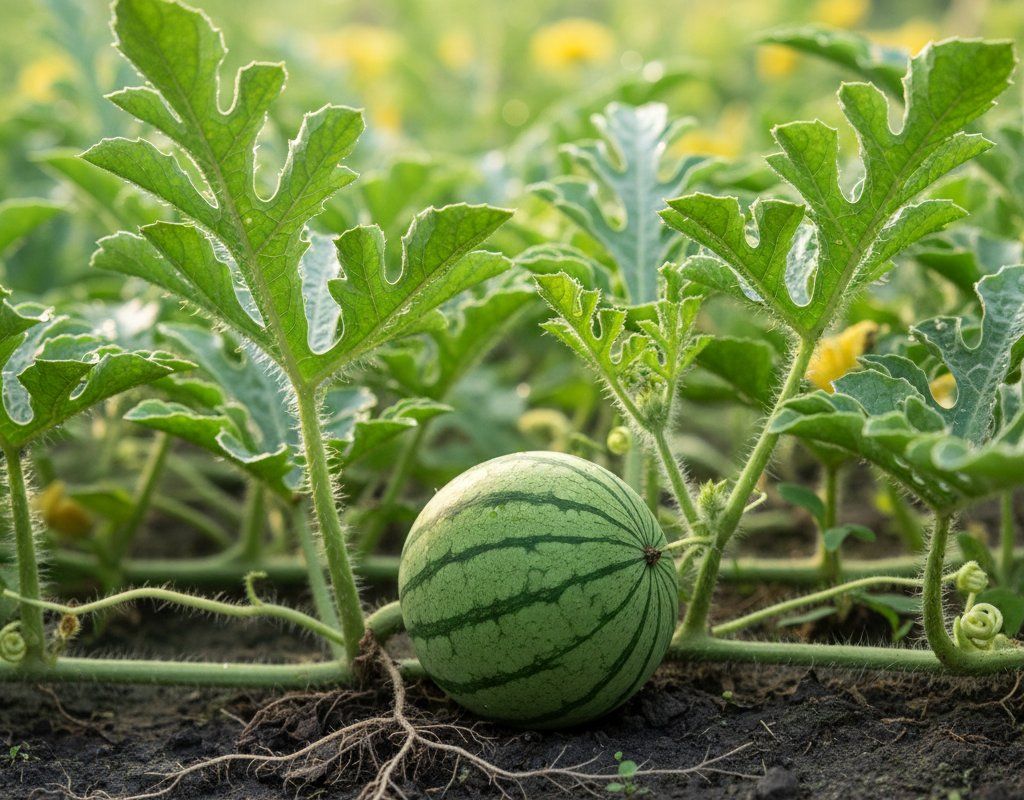
Watermelon in Zone 9A — Northern California
Citrullus lanatus · Your Complete 2026 Planting Guide
Missed Seed Starting? No Problem!
Wait for starts to become available.
What to Do
Starts will be available at nurseries in 2 days (around March 6).
How to Plant Watermelon in Zone 9A — Northern California
Here are all your options for getting watermelon in the ground, from the easiest method to more advanced approaches.
Direct Sow Seeds
RecommendedEarly March through late August
around March 6
Consider succession planting every 2-3 weeks for continuous harvest.
Needs warm soil. Direct sow works in zones 6+. Start indoors in colder zones.
Buy Starts
Works WellEarly March through early April
around March 6
Plant purchased starts after last frost (February 20).
Start Seeds Indoors
Works WellEarly to late February
around February 13
Then transplant: Early March through early April
Start seeds 3-5 weeks before transplanting outdoors.
Handle seedlings carefully — melons resent root disturbance.
Transplant Outdoors
Timing InfoEarly March through early April
around March 6
Wait until nighttime temperatures stay above 50°F.
You have a nice window — no need to rush.
Overview
Growing watermelon in Northern California's Zone 9A gives you access to some of the sweetest, juiciest melons you'll ever taste — far superior to anything you'll find in the grocery store. Our Mediterranean climate with its warm, dry summers and long growing season creates ideal conditions for developing those complex, concentrated flavors that make homegrown watermelons so special. The extended heat helps sugars develop fully, while our low humidity reduces disease pressure that plagues watermelon growers in more humid regions.
While our dry summers and potential water restrictions might seem challenging for a thirsty crop like watermelon, proper timing and water-wise techniques make it completely manageable. With our 288-day growing season and mild winters, you have excellent flexibility in planting dates. The key is working with our natural rainfall patterns and establishing plants before the peak heat arrives.
Starting Seeds Indoors
Starting watermelon seeds indoors makes sense if you want to get a jump on the season or if you're dealing with a particularly cool microclimate in your area. Start seeds in early to late February, about three weeks before you plan to transplant outdoors. Use individual peat pots or biodegradable containers since watermelons absolutely hate having their roots disturbed.
Set up your seed trays in a warm location — watermelon seeds need soil temperatures around 70-80°F to germinate reliably. A heat mat works well in our mild winter conditions. Once seedlings emerge, they'll need bright light from a south-facing window or grow lights. Keep the soil consistently moist using bottom watering rather than overhead watering to prevent damping-off disease.
With Northern California's early spring warming, indoor starting gives you maybe a 2-3 week advantage over direct sowing. However, transplant shock can set watermelons back significantly, so many experienced growers here prefer direct sowing once soil temperatures are right.
Transplanting Outdoors
If you've started seeds indoors, plan to transplant in early March through early April, once soil temperatures consistently reach 65°F and nighttime lows stay above 50°F. Our early spring character means you can often transplant earlier than gardeners in other Zone 9A regions, but watch out for those occasional cold snaps that can roll through in March.
Harden off seedlings gradually over a full week before transplanting. Start with just an hour of morning sun, then increase exposure daily. Northern California's spring sun can be surprisingly intense, especially if you're in an inland valley microclimate. Plant transplants 6-8 feet apart — watermelons need serious space to spread their vines.
Handle the root ball extremely carefully during transplanting. Even minor root disturbance can shock watermelons so severely they'll sulk for weeks. Plant at the same depth they were growing in their containers, water gently, and consider using row covers for the first week if cool nights are forecast.
Direct Sowing
Direct sowing is the preferred method for watermelons in Northern California, and you have a wonderfully long window from early March through late August. The key is waiting for soil temperatures to reach at least 65°F — use a soil thermometer rather than guessing. In our Mediterranean climate, this usually happens by mid-March in most areas, though coastal gardeners might need to wait until early April.
Prepare your planting area by working compost into the soil and creating slight mounds for better drainage and soil warming. Plant seeds 1 inch deep and space them 6-8 feet apart — watermelon vines can easily spread 10-15 feet in our favorable growing conditions. Plant 2-3 seeds per location and thin to the strongest seedling once they're established.
For summer plantings through late August, you're taking advantage of our extended growing season to get melons that will ripen in late fall. These later plantings often perform better than spring plantings since they avoid some pest pressure and mature during our ideal September-October weather. Just ensure you're choosing varieties with 85 days or fewer to maturity.
Watering Watermelon in Zone 9A (Northern California)
Watermelons are genuinely thirsty plants, and in Northern California's dry summer climate, consistent irrigation becomes absolutely critical. Unlike regions with summer rainfall, you'll need to provide every drop these plants receive from late spring through early fall. Plan on deep watering 2-3 times per week, delivering about 1-2 inches of water weekly during fruit development.
Use the finger test to gauge soil moisture — stick your finger 2 inches into the soil near the plants. If it's dry at that depth, it's time to water. Our low humidity means soil dries out faster than you might expect, especially in inland valleys where temperatures regularly hit the upper 80s. Water deeply at the base of plants rather than overhead — our dry air means less disease risk, but targeted watering conserves precious water.
During the peak growing season (June through August), established watermelon vines may need water every other day in hot microclimates. Watch for signs of stress: wilting in the afternoon heat (normal), but also wilting in morning or evening (needs water). Yellowing older leaves often indicates inconsistent watering rather than natural aging.
About two weeks before you expect to harvest, reduce watering frequency to concentrate sugars in the developing fruit. This technique works particularly well in our dry climate and can significantly improve flavor. Mulch around plants with straw or shredded leaves to retain moisture and reduce watering frequency, but keep mulch away from the stem to prevent pest issues.
🧪Fertilizing Watermelon
Feeding Schedule
Organic Fertilizer Options
Harvest Time
Your first watermelons will typically be ready from late May through early July if you planted in spring, with successive harvests continuing through early December for later plantings. Our 85-day varieties mature beautifully in Northern California's consistent warmth, developing full flavor and sweetness that's hard to match in shorter-season regions.
Look for three key ripeness indicators: the ground spot (where the melon rests on soil) changes from white to creamy yellow, the tendril nearest the fruit attachment point turns brown and dry, and the melon produces a deep, hollow sound when thumped rather than a higher-pitched thud. In our dry climate, these visual cues are typically more reliable than in humid regions where ground spots may not develop as clearly.
Harvest in the morning when temperatures are cooler, using a sharp knife to cut the stem rather than pulling the fruit. Watermelons don't continue ripening once picked, so timing is crucial. A ripe watermelon should feel heavy for its size and may have a slightly waxy bloom on the skin.
As early December approaches and first frost threatens, harvest any remaining melons regardless of full ripeness. While they won't sweeten further, partially ripe watermelons can still be used for pickles or preserves. Our long growing season usually allows even late-August plantings to reach full maturity, making Northern California an excellent region for extended watermelon harvests.
Common Problems in Zone 9A (Northern California)
Fusarium Wilt appears as wilting on one side of the plant first, with yellowing leaves that spread gradually to the entire plant. You'll notice brown streaks in the stem when cut open, and the wilting persists even with adequate soil moisture. This soil-borne fungus thrives in our warm soil temperatures and can persist for years in the same location. Unfortunately, there's no cure once plants are infected — remove and destroy affected plants immediately. Prevent future problems by choosing resistant varieties (look for 'F' on seed packets), rotating crops on a 4-year cycle, and maintaining soil pH above 6.5.
Anthracnose shows up as sunken, dark circular spots on fruit, stems, and leaves, sometimes with pink or orange spore masses visible during our brief periods of high humidity or morning dew. While less common in our dry climate than in humid regions, it can still occur, especially with overhead watering or during unusually damp periods. Remove infected plant material immediately, avoid overhead irrigation, and apply copper fungicide preventatively if you've had problems before. Our dry summers actually provide natural protection against this disease compared to other regions.
Poor Pollination results in small, misshapen fruit or flowers that bloom but drop without developing. You'll see partially developed melons that are lopsided or fail to grow beyond a few inches. This often happens when pollinators are scarce due to pesticide use, or when extreme heat (above 95°F) interferes with pollen viability. Hand-pollinate using a small brush to transfer pollen from male flowers (which appear first) to female flowers (which have a small swelling behind the bloom). Plant pollinator-friendly flowers nearby and avoid spraying during bloom time.
Northern California Specific Challenges: Our moderate-to-hot summers and low humidity create generally favorable conditions for watermelons, but water restrictions can limit your ability to provide consistent moisture. Fire season smoke can reduce pollinator activity and stress plants. The wide variation in microclimates means coastal growers may struggle with insufficient heat, while inland valley gardeners deal with intense sun and higher water needs. Plan your irrigation system carefully and consider installing drip irrigation to maximize water efficiency.
Best Companions for Watermelon
Plant these nearby for healthier Watermelon and better harvests.

Keep Away From
Companion Planting Details
Corn makes an excellent companion for watermelons in Northern California gardens, providing beneficial afternoon shade during our hottest summer days while the corn stalks create windbreaks that help conserve soil moisture. The vertical growth of corn complements watermelon's sprawling habit perfectly. Radishes planted around watermelon hills can help break up clay soil common in many NorCal areas while their quick harvest clears space just as watermelon vines begin spreading. Sunflowers planted nearby attract beneficial pollinators crucial for good fruit set and can provide additional wind protection in exposed garden areas.
Avoid planting watermelons near potatoes, which can harbor similar fungal diseases and compete heavily for water and nutrients. In our water-conscious region, this competition becomes especially problematic during dry summers when both crops are establishing their root systems.
🌸Best Flowers to Plant with Watermelon
These flowers protect your Watermelon from pests and attract pollinators for better harvests.


Get a Reminder When It's Time to Plant
We'll email you when key planting windows open for your zone.