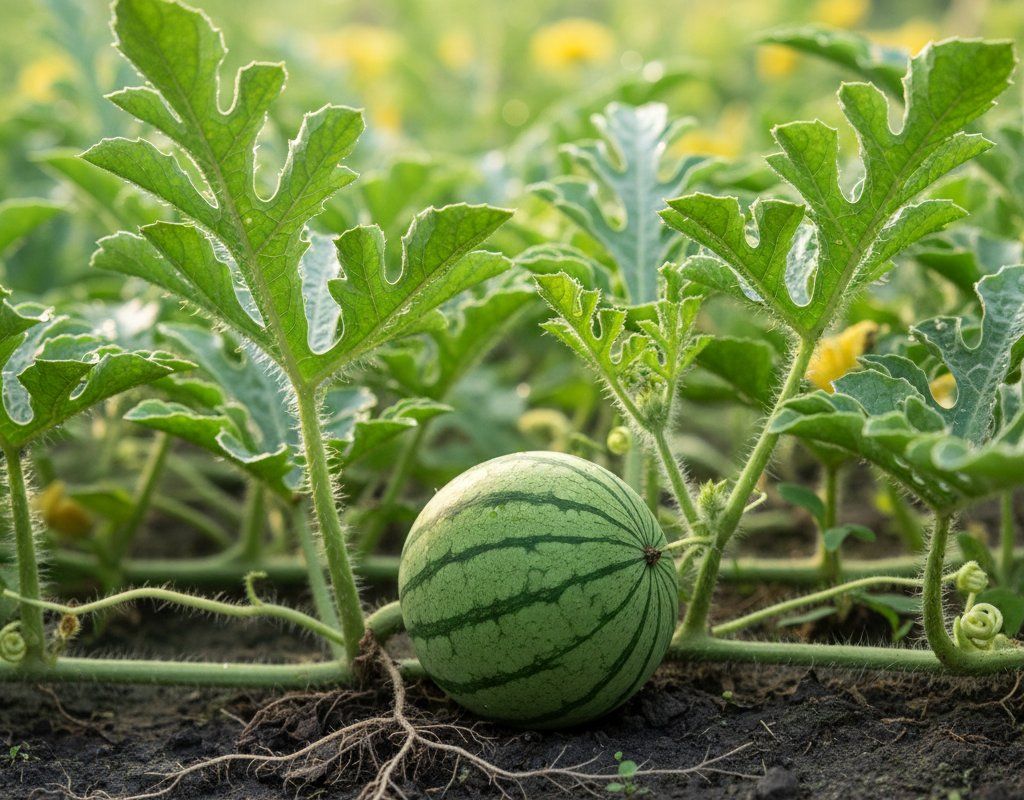
Watermelon in Zone 9B — Florida
Citrullus lanatus · Your Complete 2026 Planting Guide
Still Time to Sow!
The sowing window is still open for Watermelon.
Sow Seeds Soon
Needs warm soil. Direct sow works in zones 6+. Start indoors in colder zones.
How to Plant Watermelon in Zone 9B — Florida
Here are all your options for getting watermelon in the ground, from the easiest method to more advanced approaches.
Direct Sow Seeds
RecommendedEarly February through late September
around February 3
Consider succession planting every 2-3 weeks for continuous harvest.
Needs warm soil. Direct sow works in zones 6+. Start indoors in colder zones.
Buy Starts
Works WellEarly February through early March
around February 3
Plant purchased starts after last frost (January 20).
Start Seeds Indoors
Works WellEarly to late January
around January 13
Then transplant: Early February through early March
Start seeds 3-5 weeks before transplanting outdoors.
Handle seedlings carefully — melons resent root disturbance.
Transplant Outdoors
Timing InfoEarly February through early March
around February 3
Wait until nighttime temperatures stay above 50°F.
You have a nice window — no need to rush.
Overview
Growing watermelons in Zone 9B Florida means enjoying vine-fresh, sweet melons from your own backyard when store-bought varieties pale in comparison. Our extended growing season allows for multiple plantings, and you can grow both traditional varieties and heat-loving types that struggle in cooler climates. There's nothing quite like a sun-warmed watermelon picked at peak ripeness from your own garden.
Florida's extreme humidity and fungal pressure can challenge watermelon growers, but proper timing and variety selection make success entirely achievable. With our 344-day growing season, you have flexibility to plant in spring for summer harvest or time plantings to avoid the worst heat. The key is working with our climate patterns rather than fighting them.
Starting Seeds Indoors
Starting watermelon seeds indoors works best when you want to maximize your growing season or need more control over germination conditions. Plan to start seeds in early to late January, about three weeks before your planned transplant date in early February. This gives you a head start while soil temperatures are still cool.
Set up seed trays in a warm location (75-80°F soil temperature) with good light once seedlings emerge. Use bottom watering to keep soil evenly moist without waterlogging the seeds. Watermelon seeds need consistent warmth and moisture to germinate well.
Handle seedlings carefully since melons resent root disturbance. Use biodegradable pots or large cell trays to minimize transplant shock. Since Florida's spring arrives early compared to northern zones, indoor starting gives you only a modest advantage over direct sowing in our climate.
Transplanting Outdoors
Transplant watermelon seedlings outdoors from early February through early March, once soil temperatures consistently reach 65°F and nighttime lows stay above 50°F. This timing takes advantage of Florida's early spring before summer heat becomes overwhelming.
Harden off seedlings gradually over one week by placing them outside for increasing periods daily. Start with 2-3 hours of morning sun and work up to full days outdoors. Space transplants 72-96 inches apart to accommodate their sprawling vines - watermelons need serious room to spread.
Watch weather forecasts carefully during transplant season, as late cold fronts can still surprise us in February and early March. Have row covers ready for unexpected temperature drops, though severe frost is rare at this point in our season.
Direct Sowing
Direct sowing is the preferred method for watermelons in Florida since they dislike root disturbance and our long growing season allows multiple planting windows. You can direct sow from early February through late September, with spring and early fall being optimal times.
Wait until soil temperature reaches 65°F consistently - usually by mid-February in most of Zone 9B. Prepare planting areas by working compost into our sandy soils and creating slight mounds for better drainage. Plant seeds 1 inch deep and space them 72-96 inches apart, or plant in hills with 3-4 seeds per hill and thin to the strongest seedling.
Spring plantings (February through April) give you summer harvests, while late summer plantings (August through early September) provide fall watermelons when the heat breaks. The extended window lets you stagger plantings for continuous harvests throughout the growing season.
Watering Watermelon in Zone 9B (Florida)
Watermelons have high water needs throughout their growing cycle, requiring about 1-2 inches of water weekly during active growth and fruit development. In Florida's intense summer heat and humidity, consistent moisture becomes even more critical as plants struggle with heat stress.
During our wet summer months (June through September), natural rainfall often meets most watering needs, but monitor soil moisture regularly using the finger test - soil should feel moist 2 inches down. In drier periods, water deeply at the base of plants rather than overhead to minimize fungal issues in our humid climate.
Reduce watering 1-2 weeks before harvest to concentrate sugars and improve flavor - this timing trick works especially well with our predictable growing seasons. However, never let plants become severely stressed, as this can cause bitter fruit or splitting.
Mulch heavily around plants with organic materials to conserve moisture and moderate soil temperature swings. In our sandy soils, water drains quickly, so deep, less frequent watering encourages strong root development better than daily shallow watering.
🧪Fertilizing Watermelon
Feeding Schedule
Organic Fertilizer Options
Harvest Time
Your first watermelons will be ready from late April through late December, depending on planting timing and variety. Most varieties mature in about 85 days from planting, so spring-planted melons ripen in early summer, while late summer plantings provide fall harvests.
Check for ripeness using multiple indicators: the ground spot (where the melon touches soil) turns from white to creamy yellow, the tendril nearest the fruit turns brown and dry, and the melon produces a hollow sound when thumped. Ripe watermelons also develop a dull rather than shiny surface.
Cut melons from the vine with sharp pruners rather than pulling them off - this prevents damage to the plant and other developing fruits. Watermelons don't continue ripening once picked, so timing is crucial for peak sweetness.
As first frost approaches in late December, harvest any remaining melons regardless of full maturity. Green watermelons can be used for pickles or preserves, making use of every bit of your harvest before cold weather ends the season.
Common Problems in Zone 9B (Florida)
Fusarium Wilt What it looks like: Wilting starts on one side of the plant, then spreads across the entire vine. Leaves turn yellow beginning on the affected side, and if you cut the stem, you'll see brown streaks inside. What causes it: This soil-borne fungus thrives in Florida's warm, moist conditions and can persist in soil for years. It enters through root systems and is nearly impossible to eliminate once established. How to fix/prevent it: No cure exists once plants are infected - remove and destroy affected plants immediately. Choose resistant varieties marked with 'F' on seed packets, rotate crops on a 4-year cycle, and maintain soil pH above 6.5 to discourage the fungus.
Anthracnose What it looks like: Dark, sunken circular spots appear on fruits, stems, and leaves. In humid weather, you'll notice pink or orange spore masses in the center of spots. What causes it: This fungal disease loves Florida's combination of warmth and humidity, spreading rapidly through rain splash and contaminated tools or seeds. How to fix/prevent it: Remove infected plant material immediately and avoid overhead watering. Apply preventative copper fungicide during humid periods, use certified disease-free seeds, and maintain good air circulation between plants.
Poor Pollination What it looks like: Fruits are small, misshapen, or fail to develop past tiny sizes. Flowers may bloom abundantly but drop off without setting fruit. What causes it: Insufficient pollinator activity during Florida's intense summer heat, or timing issues where male and female flowers don't overlap properly. How to fix/prevent it: Hand-pollinate using a small brush during early morning hours when flowers are open. Plant pollinator-friendly flowers nearby and provide water sources for bees during our hot summers.
Florida Specific Challenges: Our extreme humidity creates perfect conditions for fungal diseases, while intense summer heat can stress plants and reduce pollinator activity. Sandy soils drain quickly, requiring more frequent watering, and sudden thunderstorms can damage sprawling vines or promote disease spread.
Best Companions for Watermelon
Plant these nearby for healthier Watermelon and better harvests.

Keep Away From
Companion Planting Details
Corn makes an excellent companion for watermelons, providing natural trellising support for smaller melon varieties while sharing similar water and nutrient needs. Plant corn on the north side of watermelon plots to avoid shading. Radishes work well as a quick-growing companion that's harvested before watermelons need the space, plus they help break up compacted soil with their taproots.
Sunflowers attract beneficial pollinators crucial for watermelon fruit set, especially important during Florida's hot summers when pollinator activity naturally decreases. Avoid planting watermelons near potatoes, as both crops can harbor similar pests and diseases, and potatoes may inhibit watermelon growth through allelopathic compounds in the soil.
🌸Best Flowers to Plant with Watermelon
These flowers protect your Watermelon from pests and attract pollinators for better harvests.


Get a Reminder When It's Time to Plant
We'll email you when key planting windows open for your zone.