
Yarrow in Zone 5A — Northeast
Achillea millefolium · Your Complete 2026 Planting Guide
Last Call for Seed Starting!
Indoor seed starting window closes in 2 days.
Start Seeds This Week
Start seeds now for transplanting later.
Or Wait for Starts
If you don’t want to start seeds, starts will be available around April 17.
How to Plant Yarrow in Zone 5A — Northeast
Here are all your options for getting yarrow in the ground, from the easiest method to more advanced approaches.
Buy Starts
RecommendedMid April through mid May
around April 17
Plant purchased starts after last frost (May 1).
Perennial. Buy starts for flowers the first year.
Start Seeds Indoors
Works WellMid February through early March
around February 20
Then transplant: Mid April through mid May
Start seeds 8-10 weeks before transplanting outdoors.
Direct Sow Seeds
Works WellEarly May through mid July
around May 1
Consider succession planting every 2-3 weeks for continuous harvest.
Transplant Outdoors
Timing InfoMid April through mid May
around April 17
Can tolerate light frost, but wait for soil to be workable.
You have a nice window — no need to rush.
Overview
Yarrow is a workhorse in the Northeast garden, and you’ll quickly find it indispensable. Its fern-like foliage and cheerful flowers add beauty, but it’s more than just a pretty face. Yarrow attracts beneficial insects, making it an excellent companion plant, and its flowers are fantastic for drying, letting you make the most of our short growing season.
We Northeast gardeners know the challenges: a late spring frost, a short growing season of around 153 days, and sometimes rocky soil. But with careful timing and a little planning, Yarrow is easy to grow and a rewarding addition to any Zone 5A garden.
Starting Seeds Indoors
Starting Yarrow indoors gives you a head start, especially if you're aiming for blooms the first year. Begin sowing seeds indoors from mid-February through early March, about eight weeks before you plan to transplant them outside. Use seed trays filled with a good seed-starting mix, and keep them consistently moist.
Yarrow seeds need light to germinate, so gently press them onto the surface of the soil instead of burying them. Bottom watering helps prevent damping-off. A heat mat and grow lights can help get things going, especially with our late spring.
Transplanting Outdoors
Transplant your Yarrow seedlings outdoors from mid-April through mid-May, after the danger of a hard frost has passed. Before planting, harden off your seedlings by gradually exposing them to outdoor conditions for about a week. This helps them adjust to the sunlight and temperature changes.
Space the plants 12-18 inches apart in well-drained soil and a sunny location. Keep an eye on the weather forecast; a late frost is always possible, even in late April. Buying established starts will give you flowers the first year.
Direct Sowing
Direct sowing Yarrow is a simple option, especially if you're less concerned about blooms the first year. Sow seeds directly into the garden from early May through mid-July, after the soil has warmed up. Choose a sunny spot with well-drained soil.
Prepare the soil by loosening it and removing any rocks or debris. Gently press the seeds into the soil surface, spacing them 12-18 inches apart. Keep the soil consistently moist until the seedlings emerge. Direct sowing is easy, but you'll have to wait longer for the plants to mature.
Watering Yarrow in Zone 5A (Northeast)
Yarrow is very drought-tolerant once established, making it perfect for our Northeast gardens where we often have periods of dry weather interspersed with our regular rainfall. In the early stages, keep the soil consistently moist, but not soggy. After that, water deeply but infrequently.
During the summer, check the soil moisture by using the "finger test"—stick your finger about two inches into the soil. If it feels dry, it's time to water. Aim for about an inch of water per week, either from rainfall or irrigation. Water at the base of the plant to avoid wetting the foliage and promoting fungal diseases in our moderately humid climate.
Signs of underwatering include wilting or drooping leaves. Overwatering, on the other hand, can lead to floppy growth and root rot. Add a layer of mulch around your plants to help retain moisture and suppress weeds, but avoid piling it up against the stems, which can cause rot.
Pruning & Maintaining Yarrow
Deadheading is key to keeping your Yarrow blooming throughout the summer. As soon as the flowers start to fade, snip them off just below the flower head. This encourages the plant to produce more blooms.
Continue deadheading throughout the growing season, and in the fall, after the first frost around early October, cut the plant back to its basal foliage. Yarrow can spread aggressively, so divide the plants every 2-3 years to keep them in check.
🧪Fertilizing Yarrow
Feeding Schedule
Organic Fertilizer Options
Harvest Time
You can expect your first harvest of Yarrow flowers from early July through early October, about 65 days after planting. The best time to harvest is when the flowers are fully open and vibrant in color. These are excellent dried flowers.
To harvest, simply cut the stems just above a leaf node. For drying, bundle the stems together and hang them upside down in a cool, dark, and dry place. Continue to harvest throughout the season to encourage more blooms.
As the first frost approaches in early October, harvest any remaining flowers before they're damaged. Even if you don't dry them, they'll add a splash of color to your fall bouquets. The plant attracts many beneficial insects.
Common Problems in Zone 5A (Northeast)
Yarrow is generally a low-maintenance plant, but here are a few common problems you might encounter in the Northeast:
Aggressive Spreading
- What it looks like: Yarrow starts popping up in areas where you didn't plant it, gradually taking over your garden beds.
- What causes it: Yarrow spreads both by seed and rhizomes (underground stems). Our even rainfall and moderate summer temperatures provide ideal growing conditions.
- How to fix/prevent it: Divide the plants every 2-3 years to control their spread. Remove any unwanted seedlings promptly. Consider planting Yarrow in a contained area or raised bed.
Powdery Mildew
- What it looks like: White or grayish powdery coating on leaves, stems. Leaves curl, yellow, and die.
- What causes it: Various fungi thrive in warm days, cool nights, and moderate humidity. Dry leaf surfaces actually favor it. Our Northeast summers often have this pattern.
- How to fix/prevent it: Improve air circulation through spacing and pruning. Remove affected leaves. Neem oil or potassium bicarbonate sprays help. Milk spray (1 part milk to 9 parts water) is surprisingly effective. Plant resistant varieties.
Aphids
- What it looks like: Clusters of tiny soft-bodied insects (green, black, or white) on stems and leaf undersides. Sticky honeydew residue. Curled or distorted new growth.
- What causes it: Rapid-reproducing sap-sucking insects. Populations explode in warm weather. Ant colonies may farm them for honeydew.
- How to fix/prevent it: Strong water spray knocks them off. Encourage ladybugs and lacewings (natural predators). Insecticidal soap for heavy infestations. Neem oil works systemically. Avoid excess nitrogen fertilizer (it attracts them).
Northeast Specific Challenges: The moderate heat and moderate-to-humid humidity in the Northeast create ideal conditions for powdery mildew and aphid infestations. Regular monitoring and preventative measures are key to keeping your Yarrow healthy. Our even rainfall helps Yarrow thrive, but be sure to avoid overwatering, especially in poorly drained soils.
Best Companions for Yarrow
Plant these nearby for healthier Yarrow and better harvests.
View Full Companion Planting Chart →

Companion Planting Details
Yarrow is a fantastic companion plant in the Northeast garden. It attracts beneficial insects like ladybugs and lacewings, which prey on aphids and other pests. Planting it near tomatoes and peppers can help protect them from these common garden pests.
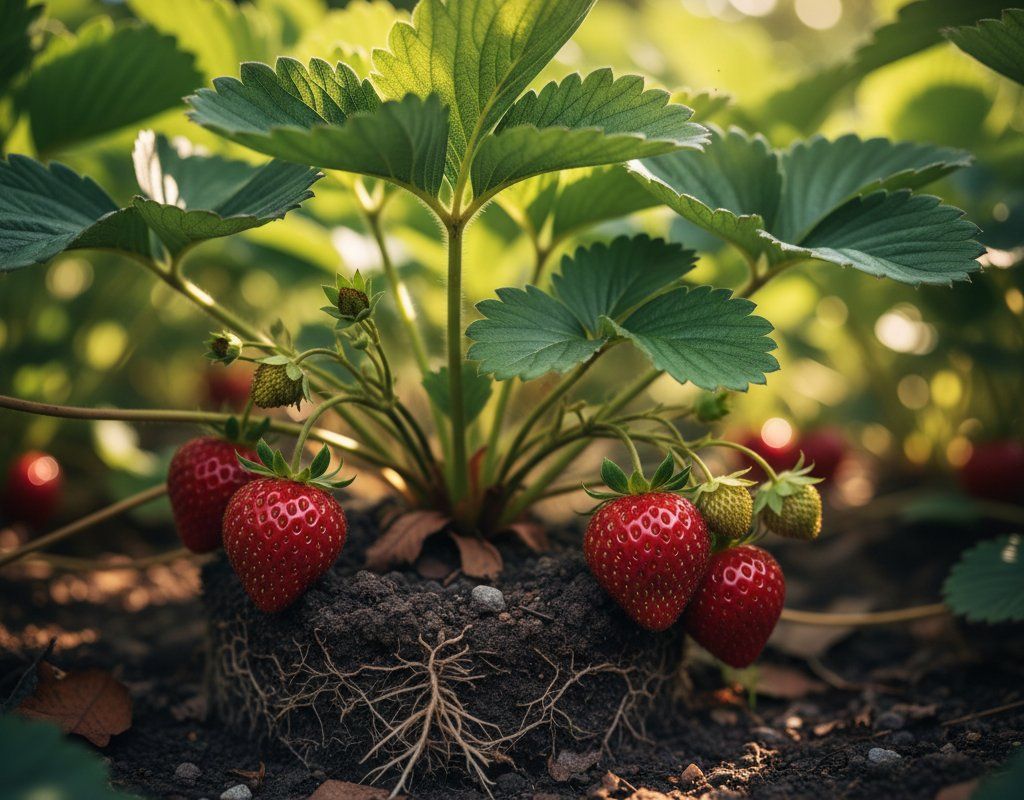
Yarrow also benefits herbs like rosemary and thyme by improving their growth and flavor. Strawberries also love having Yarrow nearby, as it helps deter pests that can damage the berries. Avoid planting Yarrow near brassicas like cabbage and broccoli, as it can attract cabbage moths.
🥬Best Vegetables to Pair With Yarrow
Yarrow benefits these vegetables through pest control, pollinator attraction, or improved garden health.






Get a Reminder When It's Time to Plant
We'll email you when key planting windows open for your zone.