
Yarrow in Zone 8A — Pacific Northwest
Achillea millefolium · Your Complete 2026 Planting Guide
Missed Seed Starting? No Problem!
Wait for starts to become available.
What to Do
Starts will be available at nurseries in 23 days (around March 27).
How to Plant Yarrow in Zone 8A — Pacific Northwest
Here are all your options for getting yarrow in the ground, from the easiest method to more advanced approaches.
Buy Starts
RecommendedLate March through late April
around March 27
Plant purchased starts after last frost (April 10).
Perennial. Buy starts for flowers the first year.
Start Seeds Indoors
Works WellLate January through mid February
around January 30
Then transplant: Late March through late April
Start seeds 8-10 weeks before transplanting outdoors.
Direct Sow Seeds
Works WellEarly April through mid August
around April 10
Consider succession planting every 2-3 weeks for continuous harvest.
Transplant Outdoors
Timing InfoLate March through late April
around March 27
Can tolerate light frost, but wait for soil to be workable.
You have a nice window — no need to rush.
Overview
Yarrow is a fantastic addition to any Pacific Northwest garden. Its feathery foliage and clusters of bright flowers add beauty, attract beneficial insects, and even have medicinal uses. Plus, the cool nights and mild summers of our region seem to bring out the best in its flavor and vigor.
While we may not have the intense heat of other regions, yarrow thrives here as long as you get the timing right. Our 203-day growing season gives you plenty of opportunity, even with our overcast spring days. You just need to be mindful of our wet springs.
Starting Seeds Indoors
Starting yarrow indoors is optional here in the PNW, but it can give you a jump start, especially if you want flowers in the first year. Begin in late January through mid February, about eight weeks before the last expected frost. Use seed trays with a good seed starting mix and keep them warm (around 70°F) with a heat mat until germination.
Provide plenty of light with grow lights, since our spring days can be pretty dim. Bottom watering the trays will help prevent damping off, which can be a problem in our wet springs. Honestly, though, yarrow is easy enough to direct sow for most gardeners in our region.
Transplanting Outdoors
Transplant your yarrow seedlings outdoors in late March through late April, once the danger of hard frost has passed. Before transplanting, harden them off by gradually exposing them to outdoor conditions for about a week. This helps them adjust to the cooler temperatures and stronger sunlight.
Space the plants 12-18 inches apart to allow for their clumping growth habit. Keep an eye on the weather forecast — a late cold snap can still happen. If you're buying starts, you'll likely get flowers in the first year.
Direct Sowing
Direct sowing yarrow is a simple and effective method in our climate. Sow seeds in early April through mid August, once the soil has warmed up a bit. Yarrow isn't too picky, but it prefers well-drained soil.
Lightly rake the seeds into the soil surface and keep them consistently moist until germination. Thin seedlings to 12-18 inches apart. Direct sowing works well, but you might not get flowers until the second year.
Watering Yarrow in Zone 8A (Pacific Northwest)
Yarrow is wonderfully drought-tolerant once established, making it perfect for our dry summer months. During our wet springs, you likely won't need to water at all unless you're experiencing an unusually dry spell. Let the rain do its job!
In the summer, check the soil moisture with the "finger test"—stick your finger about 2 inches deep. If it feels dry, it's time to water. Give the plants about an inch of water per week, watering at the base to avoid wetting the foliage and encouraging fungal diseases.
Overwatering can lead to floppy growth and root rot, so err on the side of caution. Signs of underwatering include wilting and yellowing leaves. Mulching around the plants with gravel or bark chips can help retain moisture and suppress weeds.
Pruning & Maintaining Yarrow
Deadheading is key to keeping your yarrow blooming throughout the season. Snip off spent flower heads as soon as they start to fade to encourage a second flush of blooms. You can do this from mid June through early November, depending on when your plants started flowering.
In late October, after the first frost, cut the plants back to their basal foliage. This helps to tidy up the garden and prepare the plants for winter dormancy. Yarrow can be a bit aggressive, so divide the clumps every 2-3 years to keep them in check.
🧪Fertilizing Yarrow
Feeding Schedule
Organic Fertilizer Options
Harvest Time
You can expect your first yarrow harvest starting in mid June and continuing through early November. Harvest the flowers for drying when they are fully open and the colors are vibrant. These make excellent dried flowers and retain their color well.
Cut the stems just above a leaf node to encourage new growth. Regular harvesting will also help to keep the plants blooming. Since yarrow attracts beneficial insects, consider leaving some flowers on the plants to support your local ecosystem.
As late October approaches, harvest any remaining flowers before the first frost. You can dry them indoors if needed. Even if you don't harvest, the seed heads provide winter interest in the garden.
Common Problems in Zone 8A (Pacific Northwest)
Here are a few common problems you might encounter with yarrow in the PNW:
Spreads Aggressively
- What it looks like: Yarrow popping up in unwanted areas of the garden, spreading beyond its intended space.
- What causes it: Underground rhizomes that spread easily, especially in moist soil.
- How to fix/prevent it: Plant in a contained area or use edging to prevent spread. Divide clumps regularly (every 2-3 years) to control growth. Remove unwanted seedlings as they appear.
Powdery Mildew
- What it looks like: White or grayish powdery coating on leaves, stems. Leaves curl, yellow, and die.
- What causes it: Fungi that thrive in warm days, cool nights, and moderate humidity. Dry leaf surfaces actually favor it.
- How to fix/prevent it: Improve air circulation through spacing and pruning. Remove affected leaves. Neem oil or potassium bicarbonate sprays help. Milk spray (1 part milk to 9 parts water) is surprisingly effective. Plant resistant varieties.
Aphids
- What it looks like: Clusters of tiny soft-bodied insects (green, black, or white) on stems and leaf undersides. Sticky honeydew residue. Curled or distorted new growth.
- What causes it: Rapid-reproducing sap-sucking insects. Populations explode in warm weather. Ant colonies may farm them for honeydew.
- How to fix/prevent it: Strong water spray knocks them off. Encourage ladybugs and lacewings (natural predators). Insecticidal soap for heavy infestations. Neem oil works systemically. Avoid excess nitrogen fertilizer (it attracts them).
Pacific Northwest Specific Challenges: Our mild heat and dry-summer conditions generally favor yarrow, but powdery mildew can be an issue, especially during periods of high humidity. The wet springs can also encourage aggressive spreading. Keep an eye on your plants and take preventative measures to keep them healthy.
Best Companions for Yarrow
Plant these nearby for healthier Yarrow and better harvests.
View Full Companion Planting Chart →

Companion Planting Details
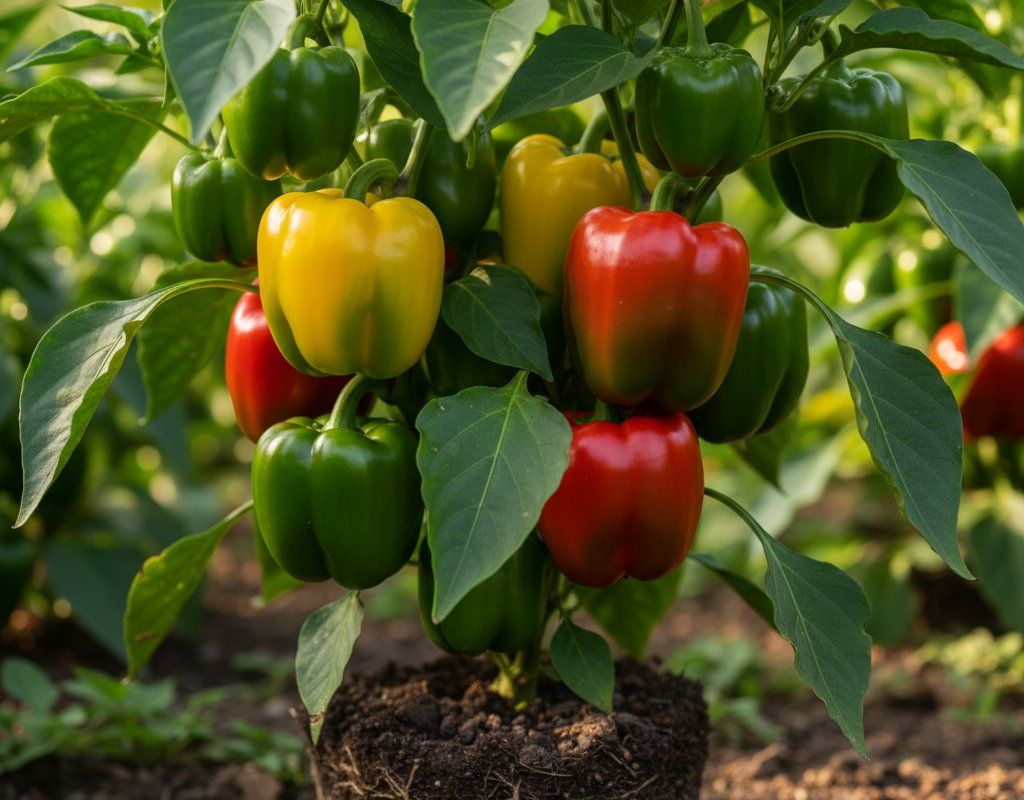
Yarrow is a great companion plant for many vegetables and herbs in the Pacific Northwest garden. Plant it near tomatoes and peppers to attract beneficial insects that prey on common pests. The increased pollination will boost your yields.
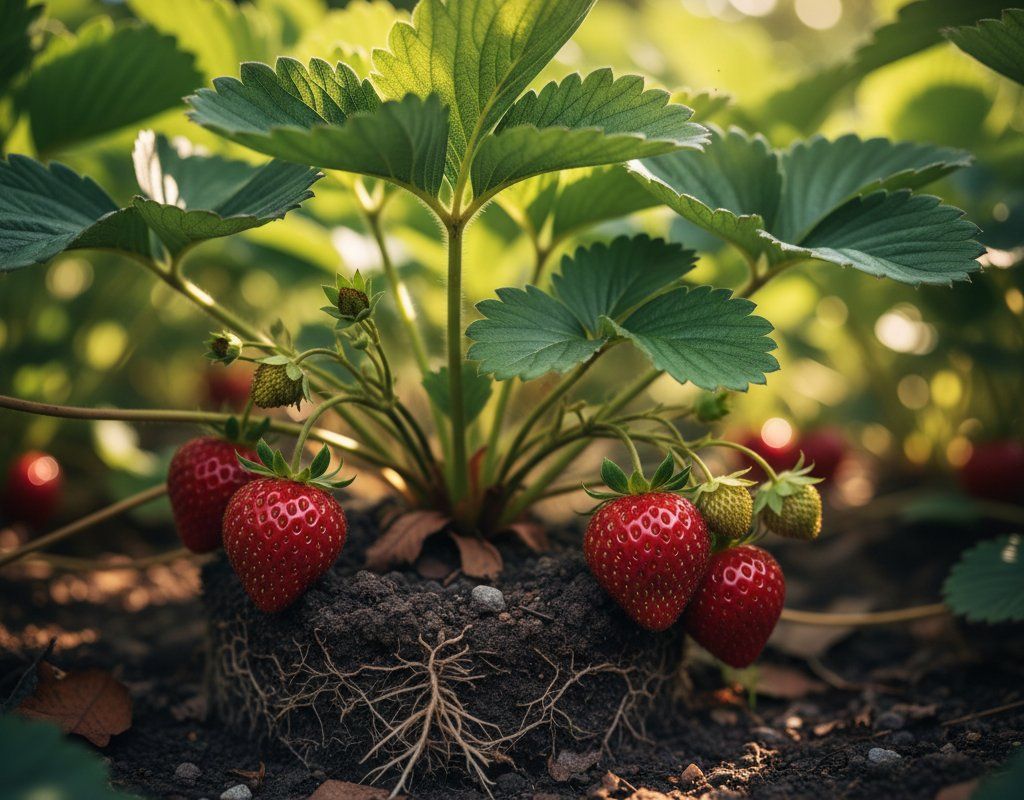
Yarrow is also a good companion for herbs like rosemary and thyme, as it helps to improve their growth and flavor. Strawberries also benefit from yarrow, as it can help to repel pests and improve their overall health. I wouldn't recommend planting near brassicas (cabbage, broccoli), as yarrow can sometimes attract aphids that might move onto those plants.
🥬Best Vegetables to Pair With Yarrow
Yarrow benefits these vegetables through pest control, pollinator attraction, or improved garden health.





Get a Reminder When It's Time to Plant
We'll email you when key planting windows open for your zone.