
Zinnia in Zone 7B — Desert Southwest
Zinnia elegans · Your Complete 2026 Planting Guide
Last Call for Seed Starting!
Indoor seed starting window closes in 11 days.
Start Seeds This Week
Start seeds now for transplanting later.
Or Wait for Starts
If you don’t want to start seeds, starts will be available around March 29.
How to Plant Zinnia in Zone 7B — Desert Southwest
Here are all your options for getting zinnia in the ground, from the easiest method to more advanced approaches.
Direct Sow Seeds
RecommendedLate March through early September
around March 22
Consider succession planting every 2-3 weeks for continuous harvest.
Start Seeds Indoors
RecommendedLate February through mid March
around March 1
Then transplant: Late March through late April
Start seeds 4-6 weeks before transplanting outdoors.
Buy Starts
Works WellLate March through late April
around March 29
Plant purchased starts after last frost (March 15).
Transplant Outdoors
Timing InfoLate March through late April
around March 29
Wait until nighttime temperatures stay above 50°F.
You have a nice window — no need to rush.
Overview
Zinnias bring vibrant color to our Desert Southwest gardens, thriving in our sunny conditions and adding beauty to bouquets all season long. They're easy to grow and the more you cut for arrangements, the more they bloom. Plus, they attract beneficial pollinators to your garden, helping other plants thrive.
Desert gardening certainly has its challenges with the extreme heat and arid conditions, but with careful timing and a few tricks, you can enjoy a long season of beautiful zinnias. Our long 245-day growing season gives you plenty of opportunity to get them established and blooming before and after the worst of the summer heat.
Starting Seeds Indoors
Starting zinnias indoors gives you a jumpstart on the season, especially useful if you want earlier blooms. Begin in late February through mid March, about four weeks before you plan to transplant them outside. This aligns well with our very-early spring character here.
Use seed trays or small pots filled with well-draining potting mix. Keep them warm (around 70-75°F) and provide plenty of light with a grow light or sunny windowsill. Bottom watering is a great way to keep the soil moist without overwatering.
Transplanting Outdoors
Transplant your zinnia seedlings outdoors in late March through late April, once the danger of frost has passed. Before transplanting, harden them off by gradually exposing them to outdoor conditions for about a week. This prevents shock.
Space them 6-12 inches apart in a sunny location with well-draining soil. Keep an eye on the weather forecast – unexpected temperature swings are always possible this time of year!
Direct Sowing
Direct sowing zinnias is a simple and effective method, especially if you're planting a large patch. Sow seeds directly into the garden in late March through early September, after the soil has warmed up to at least 60°F. You have a long window to play with.
Prepare the soil by loosening it and removing any rocks or debris. Sow seeds about ¼ inch deep and 6-12 inches apart. Keep the soil consistently moist until the seedlings emerge.
Watering Zinnia in Zone 7B (Desert Southwest)
Zinnias need moderate watering, especially during our hot, dry summers. While they aren't particularly drought-tolerant, they also don't like soggy soil, so finding the right balance is key.
During the spring and fall, when temperatures are milder, water deeply about once or twice a week, providing about 1 inch of water each time. In the extreme heat of summer, you'll likely need to water every other day, maybe even daily, depending on how well your soil retains moisture. Check the soil moisture by sticking your finger about 2 inches deep; if it feels dry, it's time to water.
Water at the base of the plants to avoid wetting the leaves, which can lead to powdery mildew in our arid climate. Signs of underwatering include wilting leaves and stunted growth. Overwatering can cause yellowing leaves and root rot. A layer of mulch around your zinnias will help retain moisture and regulate soil temperature.
Pruning & Maintaining Zinnia
Deadheading is essential for keeping your zinnias blooming throughout the season. Simply pinch or cut off the spent flowers just below the flower head, at the next set of leaves. This encourages the plant to produce more blooms instead of setting seed.
You can deadhead throughout the growing season, from late May until our first frost in mid- November. Don't be afraid to cut long stems for bouquets – the more you cut, the more flowers will follow! As frost approaches, you can leave the last blooms on the plant to allow them to set seed for next year.
🧪Fertilizing Zinnia
Feeding Schedule
Organic Fertilizer Options
Harvest Time
You can expect your first zinnia harvest in late May through mid November, about 60 days after planting. Cut the flowers when they are fully open and the stems are strong. The more you cut, the more they will bloom, so don't be shy!
Use sharp scissors or pruners to cut the stems at an angle. Remove any leaves that will be below the water line in your vase. Zinnias are excellent cut flowers and can last a long time in a vase.
As our first frost approaches in mid- November, harvest any remaining blooms to enjoy indoors. You can also let some of the last flowers dry on the plant to collect seeds for next year's garden.
Common Problems in Zone 7B (Desert Southwest)
Zinnias can be susceptible to a few common problems in the Desert Southwest, but with proper care and attention, you can keep your plants healthy and thriving.
Powdery Mildew
- What it looks like: White or grayish powdery coating on leaves, stems. Leaves curl, yellow, and die.
- What causes it: Fungi thrive in warm days, cool nights, and moderate humidity. Ironically, dry leaf surfaces actually favor it in our arid climate.
- How to fix/prevent it: Improve air circulation through spacing and pruning. Remove affected leaves. Neem oil or potassium bicarbonate sprays help. Milk spray (1 part milk to 9 parts water) is surprisingly effective. Plant resistant varieties.
Bacterial Leaf Spot
- What it looks like: Small, dark, water-soaked spots on leaves that enlarge and may have a yellow halo. Spots can merge and cause leaf blight.
- What causes it: Bacteria spread by splashing water, often during our monsoon season. Warm, humid conditions favor its development.
- How to fix/prevent it: Avoid overhead watering. Improve air circulation. Remove and destroy infected leaves. Copper-based fungicides can help prevent spread, but are best used preventatively.
Alternaria Blight
- What it looks like: Dark brown or black spots with concentric rings on leaves, stems, and flowers. Lower leaves are usually affected first. Can cause leaf drop.
- What causes it: Fungi that thrive in warm, humid conditions. Spreads by wind and splashing water, common during monsoon season.
- How to fix/prevent it: Remove and destroy infected plant parts. Improve air circulation. Avoid overhead watering. Fungicides containing chlorothalonil or copper can help prevent spread.
Desert Southwest Specific Challenges: The extreme heat of our summers can stress zinnias, making them more susceptible to diseases. Arid humidity also favors powdery mildew. Our monsoon season, while providing much-needed moisture, can also create conditions that promote bacterial and fungal diseases. Proper watering practices, good air circulation, and disease-resistant varieties are essential for success.
Best Companions for Zinnia
Plant these nearby for healthier Zinnia and better harvests.
View Full Companion Planting Chart →



Companion Planting Details
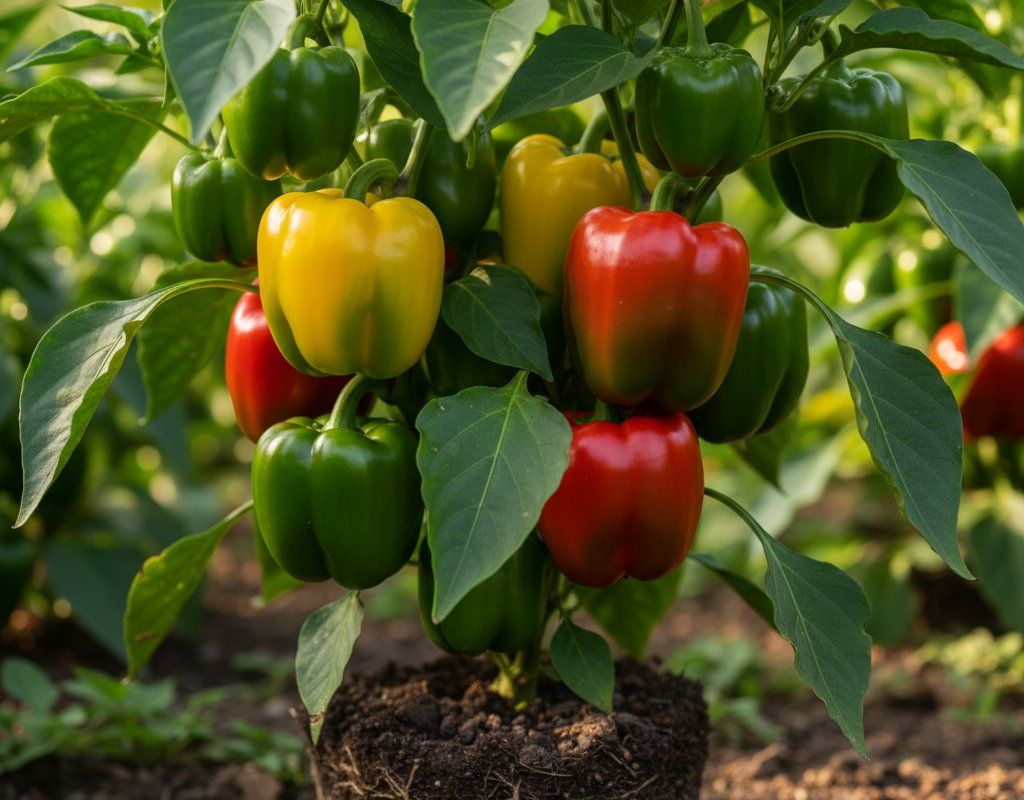
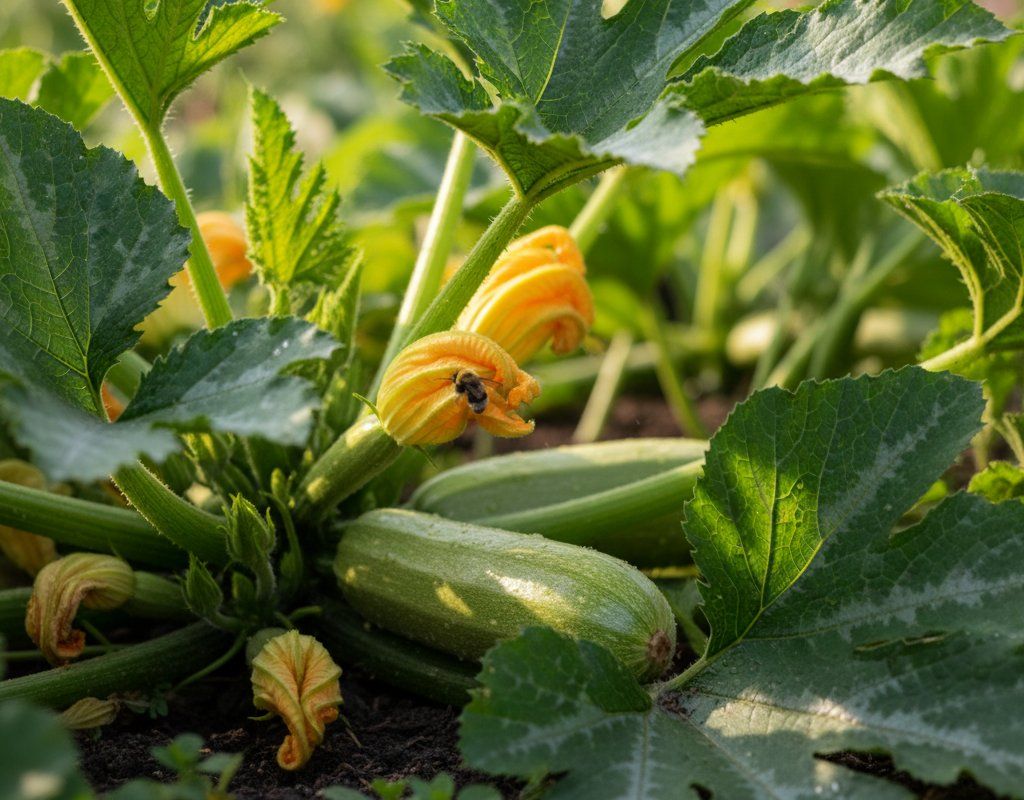
Zinnias make great companions for many vegetables in your Desert Southwest garden. They attract pollinators, which are essential for fruiting crops like tomatoes, peppers, squash, and cucumbers.
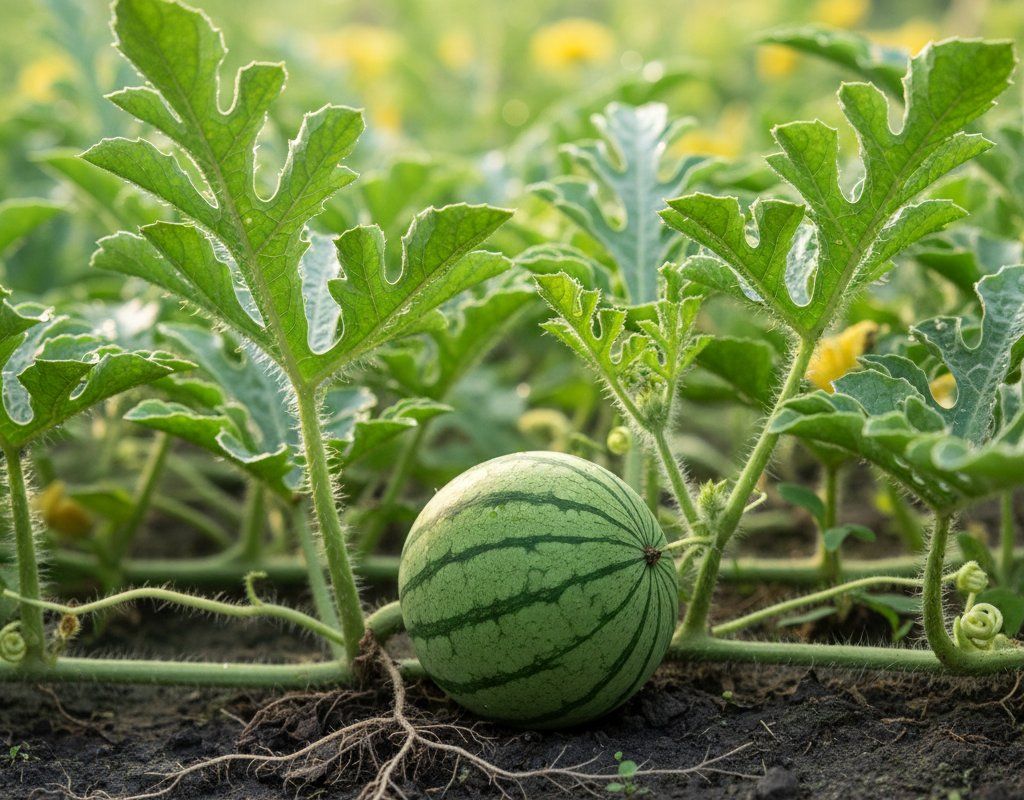
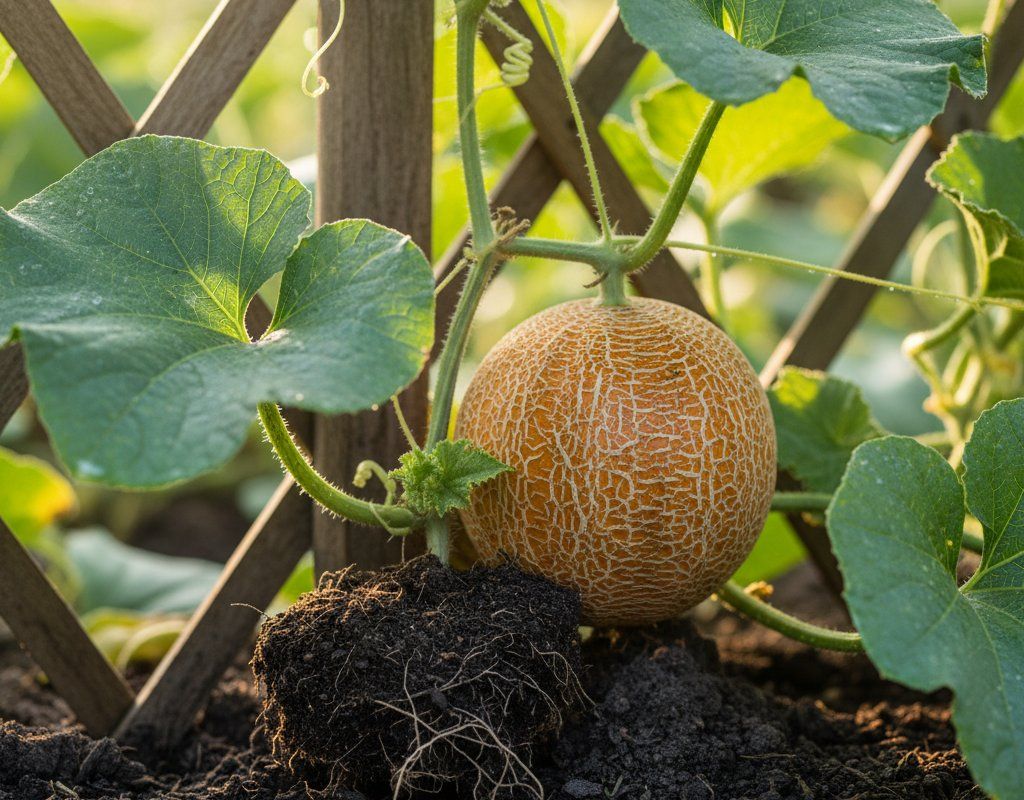
Tomatoes and peppers benefit from the increased pollination, leading to higher yields. Squash and cucumbers also appreciate the extra attention from pollinators. Avoid planting zinnias near plants that are susceptible to the same diseases, such as some types of melons, to prevent the spread of problems.
🥬Best Vegetables to Pair With Zinnia
Zinnia benefits these vegetables through pest control, pollinator attraction, or improved garden health.


Get a Reminder When It's Time to Plant
We'll email you when key planting windows open for your zone.