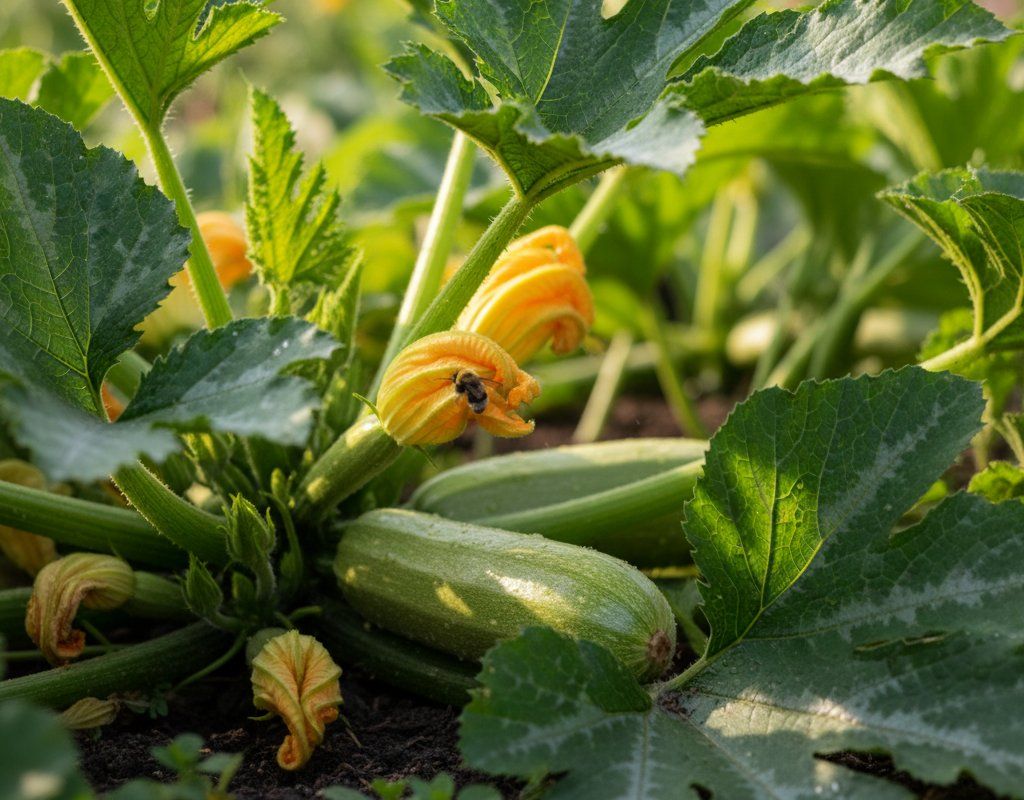
Zucchini in Zone 10A — Southern California
Cucurbita pepo · Your Complete 2026 Planting Guide
Time to Buy Starts!
Seed starting window passed, but starts are available now.
Buy Starts Now
Head to your local nursery, Home Depot, or farmers market for transplants.
- Look for stocky plants with dark green leaves
- Avoid leggy seedlings or plants already flowering
- Check that roots aren't circling the pot (rootbound)
How to Plant Zucchini in Zone 10A — Southern California
Here are all your options for getting zucchini in the ground, from the easiest method to more advanced approaches.
Direct Sow Seeds
RecommendedLate January through late October
around January 22
Consider succession planting every 2-3 weeks for continuous harvest.
Zucchini grows so fast that direct sowing is usually easiest.
Buy Starts
Works WellLate January through mid March
around January 29
Plant purchased starts after last frost (January 15).
Start Seeds Indoors
Works WellEarly to late January
around January 8
Then transplant: Late January through mid March
Start seeds 3-5 weeks before transplanting outdoors.
Only start indoors if you want earlier harvest. Don't start too early.
Transplant Outdoors
Timing InfoLate January through mid March
around January 29
Wait until nighttime temperatures stay above 50°F.
You have a nice window — no need to rush.
Overview
Zucchini transforms your Southern California garden into a summer abundance factory. With our 349-day growing season and reliable heat, you'll harvest tender, flavorful squash from spring through late fall—something impossible in colder regions. Fresh zucchini from your yard has a crisp texture and sweet, nutty flavor that makes store-bought versions taste like cardboard, plus you can harvest at perfect 6-inch size for optimal taste.
Our hot, dry summers and mild winters create ideal zucchini conditions, though the intense inland heat and occasional Santa Ana winds require smart timing and consistent watering. The beauty of Southern California growing is flexibility—you can direct sow anytime from late January through late October, giving you multiple succession plantings and year-round harvests that gardeners in harsh winter climates can only dream about.
Starting Seeds Indoors
Starting zucchini seeds indoors makes sense only if you want the earliest possible spring harvest in Southern California. Sow seeds in late January through early February, about 3 weeks before you plan to transplant outdoors. Use seed trays filled with quality seed starting mix, and bottom water to prevent damping off—let the soil soak up moisture from drainage holes rather than watering from above.
Place trays in a warm spot (70-75°F) with bright light once seeds germinate. Our very early spring character means you can transplant quite early compared to other regions, but don't rush it. Seeds started too early become root-bound and stressed before outdoor conditions are right.
Honestly, zucchini grows so fast from direct sowing that indoor starting often creates more work than benefit. The plants reach maturity in just 50 days, so direct sowing in late February gives you harvests by mid-April—barely later than transplanting indoor starts.
Transplanting Outdoors
Transplant your zucchini seedlings outdoors from late January through mid-March in Southern California. Start hardening off plants one week before transplanting by gradually exposing them to outdoor conditions—begin with a few hours of morning sun, then increase daily exposure time and intensity.
Space transplants 36-48 inches apart to allow for their substantial mature size. Zucchini plants spread wide with large leaves that need good air circulation to prevent powdery mildew. The wider spacing also makes harvesting easier when plants are fully grown.
Watch for late winter temperature swings during transplant season. While we rarely freeze, cold nights in the 40s can shock tender transplants. Cover with row cover or plant cloches if overnight lows drop below 50°F during the first two weeks after transplanting.
Direct Sowing
Direct sowing is the best method for zucchini in Southern California—it's faster, easier, and plants establish more vigorously than transplants. Sow seeds from late January through late October, giving you an incredibly long planting window that takes advantage of our extended growing season.
Prepare soil by working in 2-3 inches of compost and ensuring good drainage. Zucchini needs soil temperature above 60°F for reliable germination, which happens naturally here by late January in most areas. Plant seeds 1 inch deep, spacing them 36-48 inches apart—resist the urge to plant closer even though seedlings look small initially.
Water gently but consistently after sowing, keeping soil moist but not waterlogged. Seeds typically germinate within 5-10 days in our warm conditions. For continuous harvests, succession plant every 3-4 weeks through summer, with final sowings in late October for winter harvests before our brief frost period begins in late December.
Watering Zucchini in Zone 10A (Southern California)
Zucchini is a water-hungry crop that demands consistent moisture in our hot, dry Southern California climate. During peak summer heat when temperatures hit 92°F or higher inland, mature plants need about 1.5-2 inches of water per week. Check soil moisture by inserting your finger 2 inches deep—if it feels dry, it's time to water deeply.
Always water at the base of plants rather than overhead watering. Our low-to-moderate humidity means leaves dry relatively quickly, but wet foliage still invites powdery mildew problems. Use drip irrigation or soaker hoses for best results, or hand-water directly at soil level around the root zone.
During our winter-wet season (which provides most of our 10-20 inches annual rainfall), reduce watering frequency but maintain consistency. Even in winter, zucchini needs supplemental irrigation during dry spells. Summer heat and Santa Ana wind events can stress plants quickly—increase watering frequency during these periods.
Apply 3-4 inch layer of organic mulch around plants to conserve moisture and reduce watering needs. Signs of underwatering include wilting leaves and bitter-tasting fruit. Overwatering shows as yellowing leaves and root rot. The key is deep, consistent watering rather than frequent shallow irrigation.
🧪Fertilizing Zucchini
Feeding Schedule
Organic Fertilizer Options
Harvest Time
Your first zucchini harvest begins mid-March through late December in Southern California, typically 50 days after sowing. This incredibly long harvest window showcases the advantage of our mild climate—most gardeners elsewhere get 2-3 months of production while we harvest for 9+ months with succession plantings.
Harvest zucchini when fruits reach 6-8 inches long for optimal texture and flavor. Check plants daily during peak season because zucchini grows remarkably fast in our warm conditions—fruits can double in size overnight during summer heat. Cut (don't pull) fruits from the vine using a sharp knife, making clean cuts that heal quickly.
Oversized zucchini become spongy and seed-filled, plus they signal the plant to stop producing new fruits. Remove any oversized fruits immediately to encourage continued flowering. Regular harvesting keeps plants productive well into fall and early winter.
As late December approaches and first frost threatens, harvest all remaining fruits regardless of size. Green zucchini can't ripen off the vine, so use large fruits for bread, soups, or compost. Cover plants with row cover during cold nights to extend harvest through our brief frost season.
Common Problems in Zone 10A (Southern California)
Squash Vine Borers Watch for sudden wilting of entire vines or sections, plus sawdust-like frass around the base of stems. If you find these symptoms, slit the stem open to locate fat white grubs tunneling inside. These clearwing moth larvae devastate squash plants by cutting off water and nutrient flow through stems.
Prevention works better than treatment in our climate. Wrap aluminum foil around stem bases or use lightweight row cover during early season when adult moths are active. If you catch borers early, inject Bt (Bacillus thuringiensis) directly into affected stems. Plant resistant varieties like butternut squash, and succession plant to have backup plants ready.
Powdery Mildew This fungal disease appears as white or grayish powdery coating on leaves, stems, and sometimes fruit. Despite our relatively low humidity, powdery mildew thrives in our warm days and cooler nights. Affected leaves curl, yellow, and eventually die, reducing plant vigor significantly.
Improve air circulation by spacing plants properly and removing lower leaves that touch soil. Our dry conditions actually favor powdery mildew (unlike most fungi), so don't assume dry gardening prevents it. Apply neem oil or potassium bicarbonate sprays weekly, or try the surprisingly effective milk spray—1 part milk to 9 parts water works as well as commercial fungicides.
Blossom End Rot Dark brown or black leathery patches appear on the bottom (blossom end) of fruits, often affecting the first zucchini of the season. This isn't a disease but a calcium deficiency caused by inconsistent watering—exactly the problem many Southern California gardeners face with water restrictions and extreme heat cycles.
Maintain consistent soil moisture through deep, regular watering and thick organic mulch. Avoid over-fertilizing with nitrogen, which interferes with calcium uptake. During Santa Ana wind events and extreme heat periods, increase watering frequency to prevent the drought-stress cycles that trigger blossom end rot.
Southern California Specific Challenges Our hot, dry summers and water restrictions create the perfect storm for zucchini stress. Extreme inland heat combined with Santa Ana winds can desiccate plants quickly, while inconsistent watering (whether from restrictions or irregular rainfall) triggers both blossom end rot and makes plants vulnerable to vine borers. The key is establishing consistent watering routines and protecting plants during our notorious fire season wind events.
Best Companions for Zucchini
Plant these nearby for healthier Zucchini and better harvests.


Keep Away From
Companion Planting Details
Plant zucchini with corn and beans for the classic "three sisters" combination—corn provides natural trellising, beans fix nitrogen in soil, and zucchini's large leaves shade soil to retain moisture. This water-wise approach works perfectly in our drought-prone climate. Radishes planted around zucchini deter squash bugs and vine borers while breaking up soil with their taproots.
Mint makes an excellent border plant around zucchini beds, repelling ants and aphids while thriving in the partial shade created by large squash leaves. Avoid planting potatoes near zucchini—both crops are heavy feeders that compete for nutrients, and potatoes can harbor diseases that affect squash family plants in our year-round growing conditions.
🌸Best Flowers to Plant with Zucchini
These flowers protect your Zucchini from pests and attract pollinators for better harvests.
For Pest Control






Get a Reminder When It's Time to Plant
We'll email you when key planting windows open for your zone.