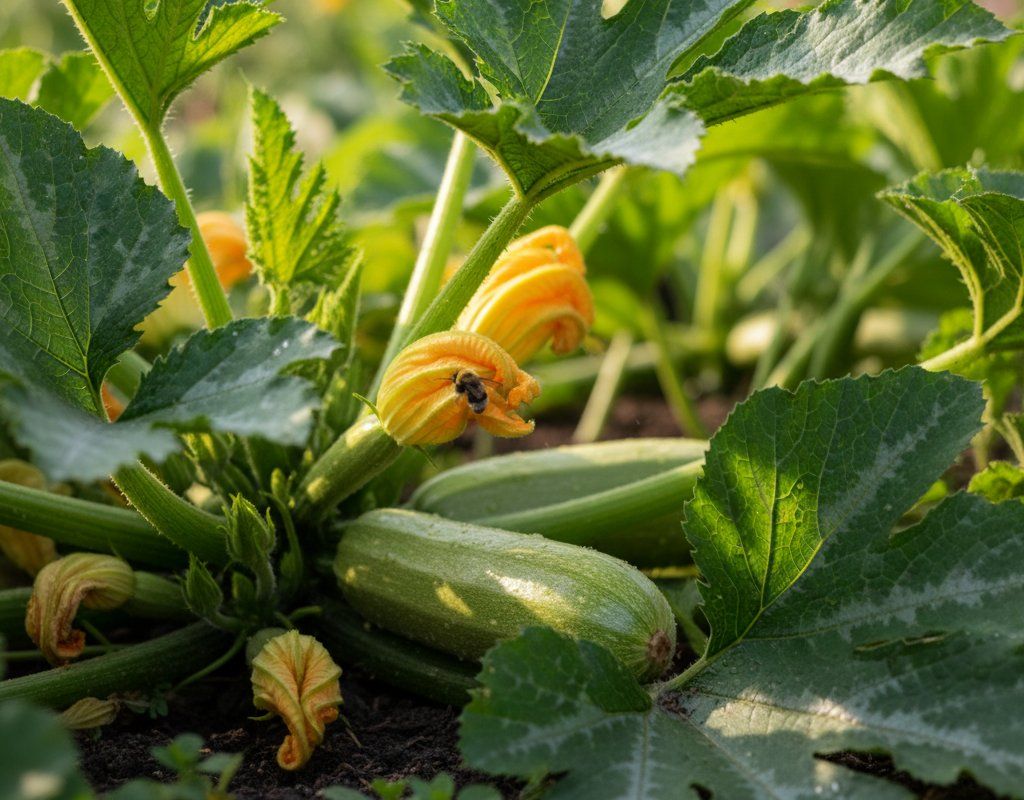
Zucchini in Zone 10B — Desert Southwest
Cucurbita pepo · Your Complete 2026 Planting Guide
Time to Buy Starts!
Seed starting window passed, but starts are available now.
Buy Starts Now
Head to your local nursery, Home Depot, or farmers market for transplants.
- Look for stocky plants with dark green leaves
- Avoid leggy seedlings or plants already flowering
- Check that roots aren't circling the pot (rootbound)
How to Plant Zucchini in Zone 10B — Desert Southwest
Here are all your options for getting zucchini in the ground, from the easiest method to more advanced approaches.
Direct Sow Seeds
RecommendedLate January through late October
around January 22
Consider succession planting every 2-3 weeks for continuous harvest.
Zucchini grows so fast that direct sowing is usually easiest.
Buy Starts
Works WellLate January through mid March
around January 29
Plant purchased starts after last frost (January 15).
Start Seeds Indoors
Works WellEarly to late January
around January 8
Then transplant: Late January through mid March
Start seeds 3-5 weeks before transplanting outdoors.
Only start indoors if you want earlier harvest. Don't start too early.
Transplant Outdoors
Timing InfoLate January through mid March
around January 29
Wait until nighttime temperatures stay above 50°F.
You have a nice window — no need to rush.
Overview
Zucchini thrives in our Desert Southwest climate when you time it right, giving you an abundance of tender, mild squash perfect for everything from morning omelets to evening stir-fries. Here in Zone 10B, you can grow zucchini through two distinct seasons — spring plantings for early summer harvest, and fall plantings that produce well into winter. The fast 50-day maturity means you'll be picking zucchini before the extreme heat hits if you plant early.
While our Desert Southwest presents challenges like intense summer sun and low humidity stress, zucchini actually adapts well to our conditions with proper timing and water management. Our 349-day growing season gives you flexibility to avoid the brutal summer months entirely, focusing on spring and fall plantings when temperatures stay more manageable for both you and your plants.
Starting Seeds Indoors
Starting zucchini seeds indoors makes sense if you want to push for the earliest possible harvest, though it's not the typical approach here in the Desert Southwest. Start seeds in early to late January, about 3 weeks before your planned transplant date. Use seed trays with good drainage and keep them warm — around 70-75°F for best germination.
Bottom watering works well for zucchini seedlings, keeping the soil consistently moist without waterlogging the surface. Our very early spring character means you can transplant quite early, but don't start seeds too far ahead or your seedlings will get leggy waiting for transplant time.
Since zucchini grows so quickly once planted, many Desert Southwest gardeners skip the indoor start and direct sow instead. The time savings often isn't worth the extra effort unless you're really pushing for that first harvest.
Transplanting Outdoors
Transplant your indoor-started zucchini seedlings from late January through mid-March, once nighttime temperatures stay consistently above 40°F. Give seedlings a full week to harden off gradually — start with an hour of morning sun and build up to full outdoor exposure. This hardening period is crucial in our low humidity environment where plants can shock easily.
Space transplants 36-48 inches apart to ensure good air circulation, which helps prevent powdery mildew in our arid climate. Plant them at the same depth they were growing in their containers, and water thoroughly after transplanting.
Watch for late-winter temperature swings that can catch young transplants off guard. Keep row cover handy during the transplant window, as our desert nights can still dip unexpectedly even after warm days.
Direct Sowing
Direct sowing is the preferred method for zucchini in the Desert Southwest — it's simpler and often more successful than transplanting. Plant seeds from late January through late October, avoiding only the extreme heat months of June through August when germination becomes nearly impossible outdoors.
Prepare your soil by working in compost and ensuring good drainage, since our caliche layer can create waterlogged conditions. Plant seeds 1 inch deep and space them 36-48 inches apart — zucchini needs room to spread and good air circulation in our arid climate. Soil temperature should be at least 60°F for reliable germination.
Your spring plantings (late January through March) will give you early summer harvests before the heat peaks. Fall plantings (September through October) establish during cooler weather and produce through winter. The fast growth rate means you'll see sprouts in just 7-10 days when conditions are right.
Watering Zucchini in Zone 10B (Desert Southwest)
Zucchini has high water needs that require careful management in our Desert Southwest climate. Deep, consistent watering at the base of the plant works best — avoid overhead watering on the large leaves, which can promote powdery mildew even in our arid conditions. Water when the soil feels dry 2 inches down using the finger test.
During our mild winters and spring growing season, provide about 1-2 inches of water per week through deep, less frequent sessions. As temperatures climb toward summer, increase to 2-3 inches weekly, watering every other day rather than daily light sprinklings. The extreme heat and low humidity mean plants lose moisture quickly through their large leaves.
Watch for signs of water stress: wilting during the heat of the day is normal, but if plants don't perk up by evening, increase your watering frequency. Overwatering shows as yellowing leaves and mushy stems, while underwatering causes permanent wilting and blossom end rot on developing fruits.
Mulch heavily around plants with wood chips or gravel mulch to conserve moisture and keep soil temperatures more stable. During monsoon season, adjust your watering schedule based on natural rainfall, but don't rely entirely on sporadic desert storms to meet zucchini's consistent water needs.
🧪Fertilizing Zucchini
Feeding Schedule
Organic Fertilizer Options
Harvest Time
Expect your first zucchini harvest about 50 days after planting, which means mid-March harvests from late January plantings and continuing through late December from fall sowings. Pick zucchini when they're 6-8 inches long and still glossy — the skin should give slightly to fingernail pressure but not puncture easily.
Check plants daily once production starts because zucchini grows incredibly fast in our warm climate. Oversized fruits become spongy and seedy, plus they signal the plant to slow down production. Cut fruits with a sharp knife rather than twisting them off, leaving about an inch of stem attached to prevent rot at the attachment point.
Consistent harvesting keeps plants producing continuously through the growing season. During peak production, you might be picking every other day. As first frost approaches in late December, harvest any remaining small fruits — they won't ripen off the vine, but young tender zucchini can be used immediately.
Remove spent plants promptly after frost kills them to prevent pest and disease issues for next season's plantings. The quick turnaround time means you can often squeeze in a succession planting if your first crop finishes early.
Common Problems in Zone 10B (Desert Southwest)
Squash Vine Borers You'll notice sudden wilting of entire vine sections, even with adequate water, plus sawdust-like frass around the base of stems. If you slit open affected stems, you'll find fat white grubs tunneling through the interior. These are larvae of clearwing moths that lay eggs at stem bases, and the borers cut off water flow as they feed.
Prevent borers by wrapping the base of stems with aluminum foil or using row cover during egg-laying season. If caught early, you can inject Bt (Bacillus thuringiensis) directly into stems. Succession planting gives you backup plants when borers inevitably find your first planting. The moths are less active during our cooler months, making fall plantings often more successful.
Powdery Mildew White or grayish powdery coating appears on leaves, stems, and sometimes fruit, causing leaves to curl, yellow, and die back. This fungal disease thrives in our warm days and cooler nights, and surprisingly, dry leaf surfaces actually favor it more than wet ones in our arid climate.
Improve air circulation through proper spacing and pruning lower leaves that touch the ground. Remove affected leaves immediately and destroy them. Neem oil or potassium bicarbonate sprays help control spread, and milk spray (1 part milk to 9 parts water) is surprisingly effective. Choose resistant varieties when available.
Blossom End Rot Dark brown or black leathery patches develop on the bottom (blossom end) of fruits, often affecting the first fruits of the season. This isn't a disease but a calcium deficiency caused by inconsistent watering — common in our extreme heat when irrigation schedules get erratic.
The single most effective fix is consistent watering to maintain even soil moisture. Heavy mulching helps buffer against our dramatic temperature swings between day and night. Avoid over-fertilizing with nitrogen, which can interfere with calcium uptake. Remove affected fruits promptly so the plant focuses energy on healthy production.
Desert Southwest Specific Challenges Our extreme heat and low humidity create additional stress on zucchini's large leaves, making consistent water management absolutely critical. The alkaline soil common in desert areas can affect nutrient uptake, while caliche layers create drainage issues that contribute to root problems. Plan your growing seasons around our climate rather than fighting it — spring and fall plantings avoid the worst challenges while still giving excellent harvests.
Best Companions for Zucchini
Plant these nearby for healthier Zucchini and better harvests.


Keep Away From
Companion Planting Details
Plant zucchini alongside corn and beans for a modified version of the traditional "three sisters" planting that works well in Desert Southwest conditions. Corn provides afternoon shade for zucchini during late spring, while beans fix nitrogen that benefits both companion plants. Radishes planted nearby help break up our hard desert soil and deter squash bugs with their peppery scent.
Mint makes an excellent companion in our arid climate, as it tolerates similar watering schedules and its strong scent confuses pests looking for squash plants. However, keep potatoes far away from zucchini — they're both heavy feeders that compete for nutrients, and potatoes can harbor diseases that affect squash family plants. The spacing requirements for desert growing mean companion planting works best with smaller plants that won't compete for root space.
🌸Best Flowers to Plant with Zucchini
These flowers protect your Zucchini from pests and attract pollinators for better harvests.
For Pest Control








Get a Reminder When It's Time to Plant
We'll email you when key planting windows open for your zone.