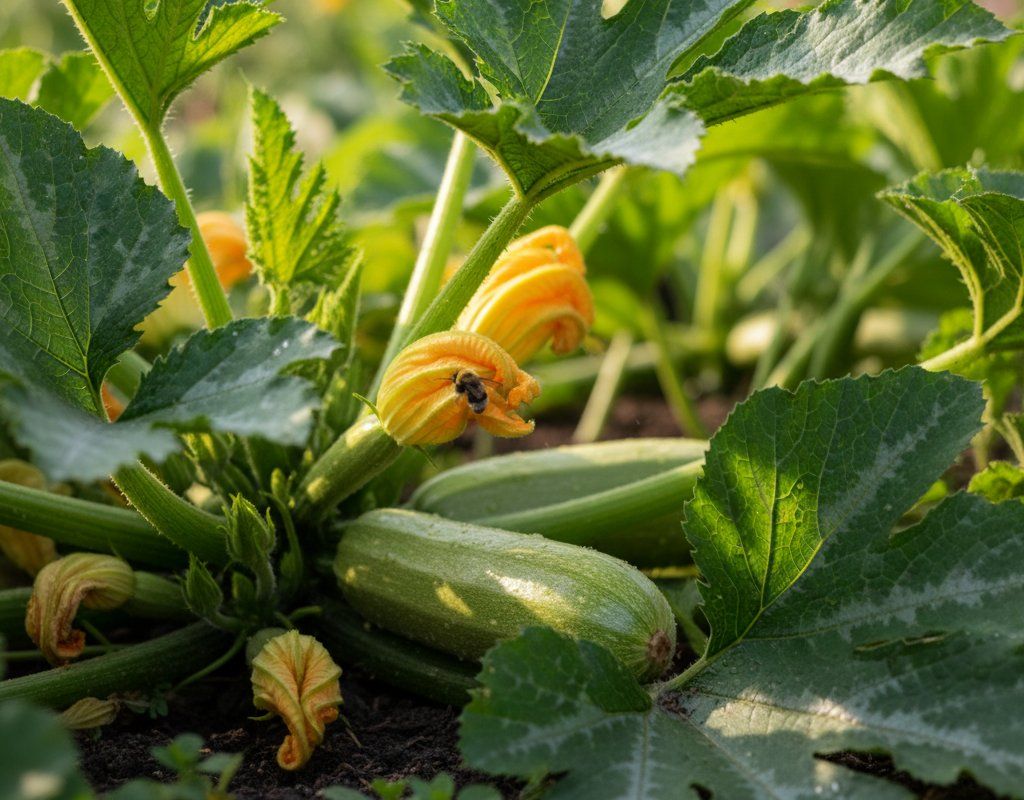
Zucchini in Zone 10B — Southern California
Cucurbita pepo · Your Complete 2026 Planting Guide
Time to Buy Starts!
Seed starting window passed, but starts are available now.
Buy Starts Now
Head to your local nursery, Home Depot, or farmers market for transplants.
- Look for stocky plants with dark green leaves
- Avoid leggy seedlings or plants already flowering
- Check that roots aren't circling the pot (rootbound)
How to Plant Zucchini in Zone 10B — Southern California
Here are all your options for getting zucchini in the ground, from the easiest method to more advanced approaches.
Direct Sow Seeds
RecommendedMid January through late October
around January 17
Consider succession planting every 2-3 weeks for continuous harvest.
Zucchini grows so fast that direct sowing is usually easiest.
Buy Starts
Works WellLate January through early March
around January 24
Plant purchased starts after last frost (January 10).
Start Seeds Indoors
Works WellLate December through mid January
around January 3
Then transplant: Late January through early March
Start seeds 3-5 weeks before transplanting outdoors.
Only start indoors if you want earlier harvest. Don't start too early.
Transplant Outdoors
Timing InfoLate January through early March
around January 24
Wait until nighttime temperatures stay above 50°F.
You have a nice window — no need to rush.
Overview
Zucchini thrives in Southern California's year-round growing climate, delivering massive harvests from just a few plants in our long, warm seasons. Here in Zone 10B, you can grow zucchini almost continuously, with our mild winters allowing for winter crops that would be impossible in colder regions. The intense summer heat inland actually helps these heat-loving plants produce prolifically, and you'll be harvesting fresh zucchini when gardeners elsewhere are still waiting for their last frost.
Our biggest challenges are managing the high water needs during summer heat and preventing powdery mildew in our low-to-moderate humidity. But with our 355-day growing season, you have incredible flexibility in timing—you can succession plant every few weeks for continuous harvests, or time your plantings to avoid the hottest inland temperatures if that's a concern in your microclimate.
Starting Seeds Indoors
Starting zucchini seeds indoors isn't the primary method here, but it can make sense if you want the earliest possible harvest or live in a particularly hot inland area where you want to get plants established before peak summer heat. Start seeds indoors during late December through mid-January, about 3 weeks before you plan to transplant.
Use seed trays with good drainage and keep them warm—around 70-75°F for best germination. Bottom watering works well since zucchini seeds can rot if kept too wet on top. With our very early spring character in Southern California, you can get transplants out much earlier than other regions.
Don't start too early though—zucchini grows so rapidly that starting more than 3 weeks ahead of transplant time just creates root-bound plants. Most SoCal gardeners skip indoor starting entirely since direct sowing works so well here.
Transplanting Outdoors
If you've started seeds indoors, transplant them outside from late January through early March, after the last chance of frost has passed. Even in our mild Zone 10B winters, those occasional cold snaps in early January can damage tender zucchini transplants.
Harden off your seedlings gradually over a week by placing them outside for increasing periods daily. Start with a few hours of morning sun and work up to full days. Our bright Southern California sun can shock plants that haven't been gradually acclimated.
Space transplants 36-48 inches apart in full sun—these plants spread wide and need good air circulation to prevent powdery mildew in our climate. Plant them at soil level, not deeper, and water thoroughly after transplanting.
Direct Sowing
Direct sowing is the recommended method for zucchini in Southern California—these seeds germinate quickly in our warm soil, and the plants grow so fast that you'll catch up to transplanted seedlings within weeks. You can direct sow from mid-January through late October, giving you an incredibly long planting window.
Wait until soil temperature reaches at least 60°F, which happens early in our region. Plant seeds ½ inch deep in loose, well-draining soil that's been amended with compost. Our clay soils benefit from extra organic matter to prevent waterlogging during winter rains.
Space plants 36-48 inches apart in full sun locations. Plant 2-3 seeds per spot and thin to the strongest seedling once they're established. In our summer heat inland, you might want to provide some afternoon shade for seedlings until they're established, but mature plants need full sun to produce well.
Watering Zucchini in Zone 10B (Southern California)
Zucchini has high water needs and isn't drought-tolerant, making it challenging during our dry summers and potential water restrictions. These plants need consistent moisture—about 1-2 inches per week, increasing during summer heat when temperatures hit the 90s inland.
Use the finger test: stick your finger 2 inches into the soil near the base of the plant. If it's dry at that depth, it's time to water deeply. Water at the base rather than overhead to prevent powdery mildew, which can be problematic in our low-to-moderate humidity. Overhead watering on those large leaves creates perfect conditions for fungal problems.
During our winter-wet season, you'll need to adjust watering based on rainfall since our 10-20 inches of annual precipitation falls mostly between December and March. In summer, you'll need to water deeply 2-3 times per week rather than daily light watering, which encourages shallow roots.
Apply 3-4 inches of organic mulch around plants to conserve moisture and keep soil temperatures stable. This is especially important during Santa Ana wind conditions, which can quickly dry out soil and stress plants. Signs of underwatering include wilting during the day and poor fruit development, while overwatering shows up as yellowing leaves and fungal issues.
🧪Fertilizing Zucchini
Feeding Schedule
Organic Fertilizer Options
Harvest Time
You'll get your first harvest about 50 days from planting, which means crops planted in mid-January start producing in early March, right when winter vegetables are finishing up. In Southern California's long growing season, you can keep harvesting through late December if you succession plant and protect from occasional frost.
Harvest zucchini when they're 6-8 inches long and about 2 inches in diameter for the best texture and flavor. Check plants daily once production starts—zucchini grows incredibly fast in our warm climate, and a perfect 6-inch fruit can become an oversized, spongy baseball bat in just 2-3 days.
Cut the stem with a sharp knife rather than twisting, which can damage the plant. Wear gloves since zucchini stems and leaves can be prickly. Regular harvesting encourages continued production—if you let fruits get oversized, the plant assumes its job is done and slows down production.
In our mild winters, plants often continue producing until the first frost around late December. You can extend the season by covering plants during cold snaps, or simply succession plant every 6-8 weeks for continuous harvests year-round. Remove any diseased or damaged fruit promptly to keep plants healthy and productive.
Common Problems in Zone 10B (Southern California)
Squash Vine Borers These show up as sudden wilting of entire vines or sections, often when the plant looked perfectly healthy the day before. Look for small piles of sawdust-like frass at the base of stems—that's the telltale sign of borer larvae tunneling inside. If you slit open the affected stem, you'll find fat white grubs that have been cutting off the plant's water and nutrient flow.
The adult moths lay eggs at stem bases during warm weather, which is most of the year in Southern California. Wrap the base of stems with aluminum foil or use row covers early in the season. If caught early, you can inject Bt (Bacillus thuringiensis) into stems. Your best strategy is succession planting every few weeks so you have backup plants when borers hit.
Powdery Mildew This appears as white or grayish powdery coating on leaves, starting on older lower leaves and spreading upward. In our low-to-moderate humidity, powdery mildew thrives on dry leaf surfaces during warm days and cool nights—exactly what we get during spring and fall transitions.
Improve air circulation by spacing plants properly and removing lower leaves that touch the ground. Water at the base, never overhead, and consider drip irrigation. Neem oil sprays help, but surprisingly, a simple milk spray (1 part milk to 9 parts water) applied weekly is quite effective. Remove affected leaves immediately and don't compost them.
Blossom End Rot You'll see dark, sunken leathery patches on the bottom (blossom end) of fruits, usually affecting the first fruits of the season. This isn't a disease—it's calcium deficiency caused by inconsistent watering, which is common during our transition from winter rains to dry summer conditions.
The fix is consistent watering above all else. Don't let soil alternate between soggy (from winter rains) and bone dry (from summer heat). Heavy mulching helps maintain even moisture, and avoid over-fertilizing with nitrogen which can interfere with calcium uptake. Once you establish consistent watering patterns, new fruits should develop normally.
Southern California Specific Challenges: Our combination of hot summer heat, Santa Ana winds, and feast-or-famine rainfall patterns creates perfect conditions for inconsistent watering, which triggers most zucchini problems. The low-to-moderate humidity means powdery mildew develops differently here than in humid regions—focus on dry prevention rather than wetness management.
Best Companions for Zucchini
Plant these nearby for healthier Zucchini and better harvests.


Keep Away From
Companion Planting Details
Plant zucchini with corn and beans for a productive three-sisters arrangement—corn provides some afternoon shade during intense summer heat, beans fix nitrogen that zucchini loves, and the large zucchini leaves shade soil to conserve moisture. Radishes planted nearby make excellent use of space since they mature quickly before zucchini spreads, and they can help break up clay soil with their taproots.
Mint planted around the garden perimeter (but contained in pots) helps deter squash bugs and cucumber beetles that can vector bacterial wilt. In our year-round growing climate, herbs like mint can become aggressive spreaders, so keep them contained. Avoid planting potatoes nearby since both crops are heavy feeders that compete for nutrients, and potatoes can harbor similar fungal diseases that might spread to your squash family plants.
🌸Best Flowers to Plant with Zucchini
These flowers protect your Zucchini from pests and attract pollinators for better harvests.
For Pest Control







Get a Reminder When It's Time to Plant
We'll email you when key planting windows open for your zone.