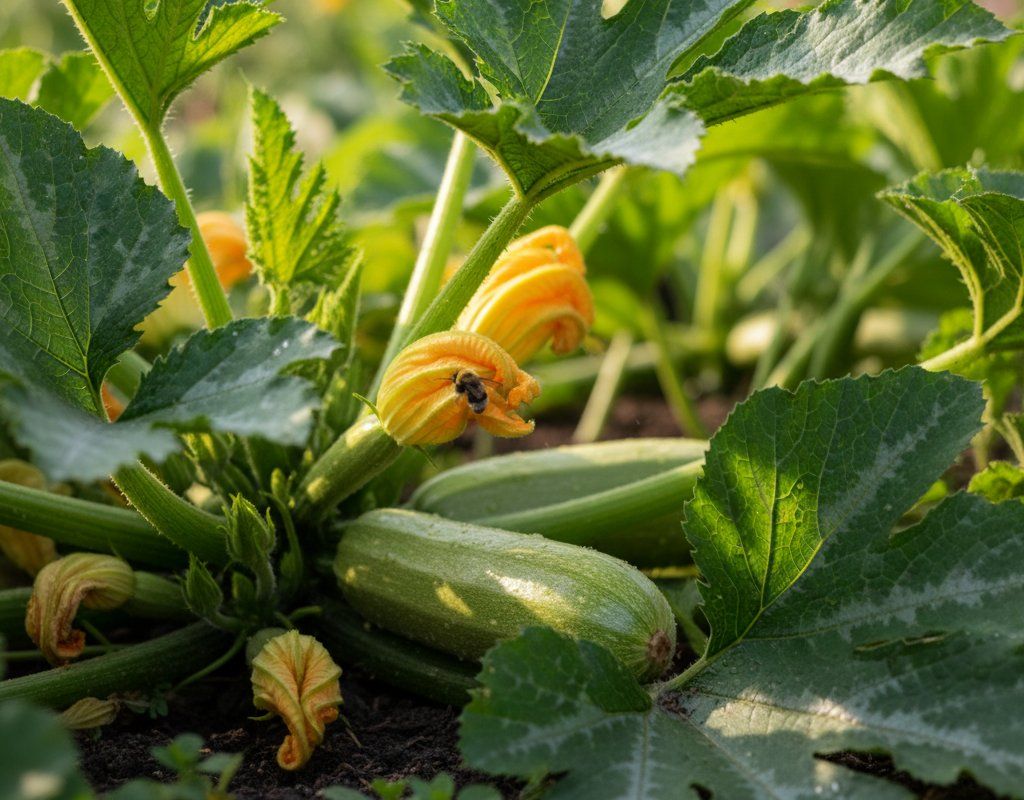
Zucchini in Zone 3A — Great Plains
Cucurbita pepo · Your Complete 2026 Planting Guide
Planning Ahead — Great!
You’re ahead of the season. Here’s when to start.
Mark Your Calendar
How to Plant Zucchini in Zone 3A — Great Plains
Here are all your options for getting zucchini in the ground, from the easiest method to more advanced approaches.
Direct Sow Seeds
RecommendedEarly June through early July
around June 1
Direct sow as soon as conditions allow.
Zucchini grows so fast that direct sowing is usually easiest.
Buy Starts
Works WellEarly June through early July
around June 8
Plant purchased starts after last frost (May 25).
Start Seeds Indoors
Works WellMid May through early June
around May 18
Then transplant: Early June through early July
Start seeds 3-5 weeks before transplanting outdoors.
Only start indoors if you want earlier harvest. Don't start too early.
Transplant Outdoors
Timing InfoEarly June through early July
around June 8
Wait until nighttime temperatures stay above 50°F.
You have a nice window — no need to rush.
Overview
Zucchini thrives in our Great Plains heat and intense sunshine, delivering abundant harvests that make the most of our short but productive 108-day growing season. Few crops produce as generously as zucchini in our prairie conditions — one plant easily feeds a family with tender, flavorful squash perfect for grilling, baking, or fresh summer dishes. The low disease pressure in our dry Plains air is a real advantage for zucchini, which can struggle with fungal issues in more humid regions.
Our extreme temperature swings and variable precipitation can make zucchini challenging, but proper timing makes all the difference. Since zucchini is completely frost-tender and needs warm soil to germinate well, you'll wait until early summer to plant — but once established, it grows incredibly fast in our heat and sunshine. With just 50 days to maturity, there's plenty of time for multiple harvests before our first frost arrives in early September.
Starting Seeds Indoors
Starting zucchini indoors makes sense if you want to push for an earlier harvest or if late spring weather looks particularly unpredictable. Start seeds mid-May through early June, about 3 weeks before you plan to transplant outdoors. Use individual 4-inch pots since zucchini doesn't like root disturbance — seed trays with cells work but transplant carefully.
Keep seeds warm (70-80°F) for quick germination, usually within a week. Bottom watering works well for zucchini seedlings since it prevents damping-off and keeps those large seed leaves from getting waterlogged. Provide strong light once they germinate — our variable spring weather means you can't count on consistent sunshine through windows.
Don't start too early or your seedlings will outgrow their pots before it's safe to transplant. In our Plains climate with unpredictable late spring conditions, starting indoors only gains you about 2-3 weeks over direct sowing, so many gardeners skip this step entirely.
Transplanting Outdoors
Transplant your zucchini seedlings outdoors from early June through early July, once soil temperatures consistently reach 60°F and night temperatures stay above 50°F. Our spring temperature swings can fool you — wait until you're confident the warmth will hold. A week of gradual hardening off is essential since indoor seedlings aren't prepared for our intense sunshine and wind.
Space transplants 36-48 inches apart to allow for their spreading habit and ensure good air circulation. In our windy Plains conditions, this spacing also prevents plants from whipping against each other. Plant at the same depth they were growing in pots — zucchini stems are susceptible to rot if buried too deeply.
Watch for late spring storms during your transplant window. Young zucchini plants are particularly vulnerable to hail, so have row covers or buckets ready to protect new transplants. The advantage of transplanting over direct sowing is minimal in our climate, but it does give you a head start if you're pushing for earlier summer squash.
Direct Sowing
Direct sowing is the preferred method for zucchini in our Plains climate — it's simpler and plants often outperform transplants since there's no transplant shock. Sow seeds from early June through early July when soil temperature reaches 65°F and stays warm. Wait until you're past our notorious late spring temperature swings that can kill tender seedlings overnight.
Prepare your planting area by working compost into our prairie soil, which is usually fertile but benefits from added organic matter for water retention. Plant seeds 1 inch deep and space them 36-48 inches apart — zucchini plants get large and need room for air circulation in our variable humidity conditions. Plant 2-3 seeds per spot and thin to the strongest seedling once they're established.
Zucchini germinates quickly in warm soil, usually within 5-7 days in our summer heat. The rapid growth means direct-sown plants catch up to transplants fast, often surpassing them since they develop stronger root systems from the start. In our short growing season, this speed is exactly what you want.
Watering Zucchini in Zone 3A (Great Plains)
Zucchini has high water needs and isn't drought-tolerant, making consistent watering critical in our Plains climate with its variable rainfall and hot summers. Deep, thorough watering 2-3 times per week works better than daily light watering, encouraging deep root growth that helps plants weather our occasional drought periods. Check soil moisture with your finger — water when the top 2 inches feel dry.
Provide about 1-1.5 inches of water per week, adjusting based on rainfall and temperature. During our typical summer heat with highs around 93°F, zucchini may need water every other day, especially when plants are fruiting heavily. Always water at the base of plants rather than overhead — while our low-to-moderate humidity reduces disease pressure compared to more humid regions, wet leaves still invite powdery mildew.
Signs of underwatering include wilting during heat, small fruit, and blossom end rot on developing squash. Overwatering shows up as yellowing leaves and poor fruit development. Our intense sunshine can mask overwatering symptoms, so stick with the finger test rather than just watching the plants.
A thick layer of straw or grass clipping mulch helps tremendously in our climate, conserving moisture during dry spells and moderating soil temperature during extreme heat. This is especially valuable given our variable precipitation — some summers bring adequate rain while others leave you entirely dependent on irrigation.
🧪Fertilizing Zucchini
Feeding Schedule
Organic Fertilizer Options
Harvest Time
Expect your first zucchini harvest from late July through early September, depending on when you planted and how the growing season progresses. With 50 days to maturity, early June plantings usually start producing in late July, while early July sowings begin harvesting in late August. Our hot summers speed development, so plants often produce ahead of schedule.
Harvest zucchini when they're 6-8 inches long for the best texture and flavor. Check plants daily once fruiting begins — zucchini grows incredibly fast in our summer heat, sometimes adding 2-3 inches overnight. Oversized squash become spongy and seedy, though they work fine for baking. Cut stems with a knife rather than pulling, which can damage the plant.
Regular harvesting encourages continued production throughout our growing season. A single plant can produce 6-10 pounds of squash if kept picked regularly. Remove any damaged or oversized fruit to keep plants focused on producing tender young squash. The large leaves may look wilted during afternoon heat, but this is normal — they'll perk up in evening.
As first frost approaches in early September, harvest all remaining fruit regardless of size. Green zucchini won't ripen off the vine like tomatoes, but small ones are perfectly edible. You can extend the harvest by covering plants during light frosts, but hard freezes will end production completely.
Common Problems in Zone 3A (Great Plains)
Squash Vine Borers appear as sudden wilting of entire vines or sections, often when plants seemed perfectly healthy the day before. Look for small piles of sawdust-like frass at the base of stems — this is the clearest sign of borers tunneling inside. If you slice open affected stems, you'll find fat white grubs that have been cutting off the plant's water and nutrient flow. In our Plains climate, the clearwing moths that lay these eggs typically emerge in mid-June, making early plantings somewhat safer. Wrap the base of stems with aluminum foil or use row covers during peak moth flight. If caught early, you can inject Bt (Bacillus thuringiensis) directly into stems.
Powdery Mildew shows up as white or grayish powdery coating on leaves, stems, and sometimes fruit surfaces. Affected leaves curl, yellow, and eventually die, reducing plant vigor just when you need maximum production. Our low-to-moderate humidity actually favors this fungus since it thrives on dry leaf surfaces, unlike most plant diseases. The condition worsens with our typical pattern of warm days and cool nights. Improve air circulation by maintaining proper plant spacing and removing lower leaves that touch the ground. Neem oil sprays help, but milk spray (1 part milk to 9 parts water) is surprisingly effective and cheaper for large plantings.
Blossom End Rot appears as sunken, dark brown or black leathery patches on the bottom of developing fruit. This isn't a disease but a calcium deficiency caused by inconsistent watering — exactly the challenge our variable Plains precipitation creates. The condition typically affects the first fruits of the season when root systems are still developing. Consistent watering is the single most effective fix, which can be challenging during our periods of drought followed by heavy rainfall. Heavy mulching helps maintain even soil moisture, and avoid over-fertilizing with nitrogen, which interferes with calcium uptake.
Great Plains Specific Challenges: Our combination of intense heat, variable rainfall, and strong winds creates perfect conditions for water stress, which underlies most zucchini problems. The key to success is maintaining consistent soil moisture despite our unpredictable weather patterns, providing wind protection for young plants, and taking advantage of our low humidity to reduce fungal disease pressure through proper spacing and air circulation.
Best Companions for Zucchini
Plant these nearby for healthier Zucchini and better harvests.


Keep Away From
Companion Planting Details
Plant zucchini with corn and beans in a modified Three Sisters arrangement — the corn provides some wind protection while beans add nitrogen to the soil that heavy-feeding zucchini appreciate. Radishes planted around zucchini help deter squash bugs and cucumber beetles while making use of space early in the season before zucchini plants spread. Mint planted nearby can repel ants and aphids, though keep it contained since mint spreads aggressively in our fertile prairie soil.
Avoid planting zucchini near potatoes, which compete for similar nutrients and can harbor pests that also attack squash family plants. In our windy Plains conditions, also consider the mature size of companion plants — tall companions should be positioned to provide wind protection rather than shading your sun-loving zucchini during our intense summer sunshine.
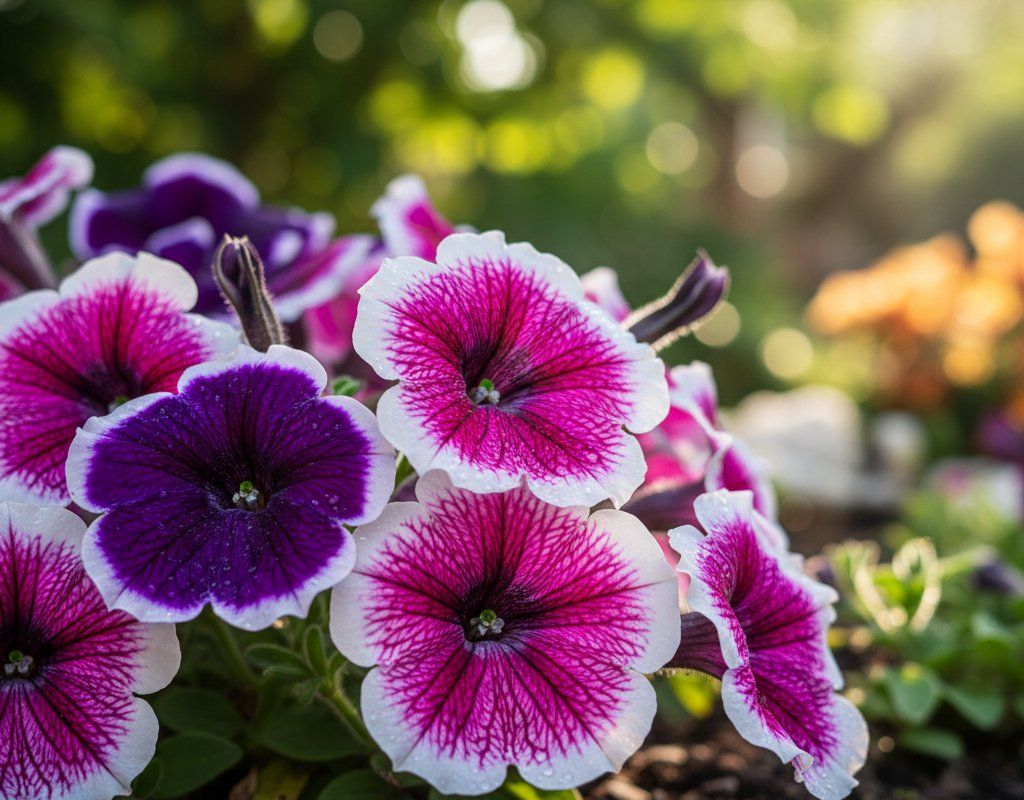
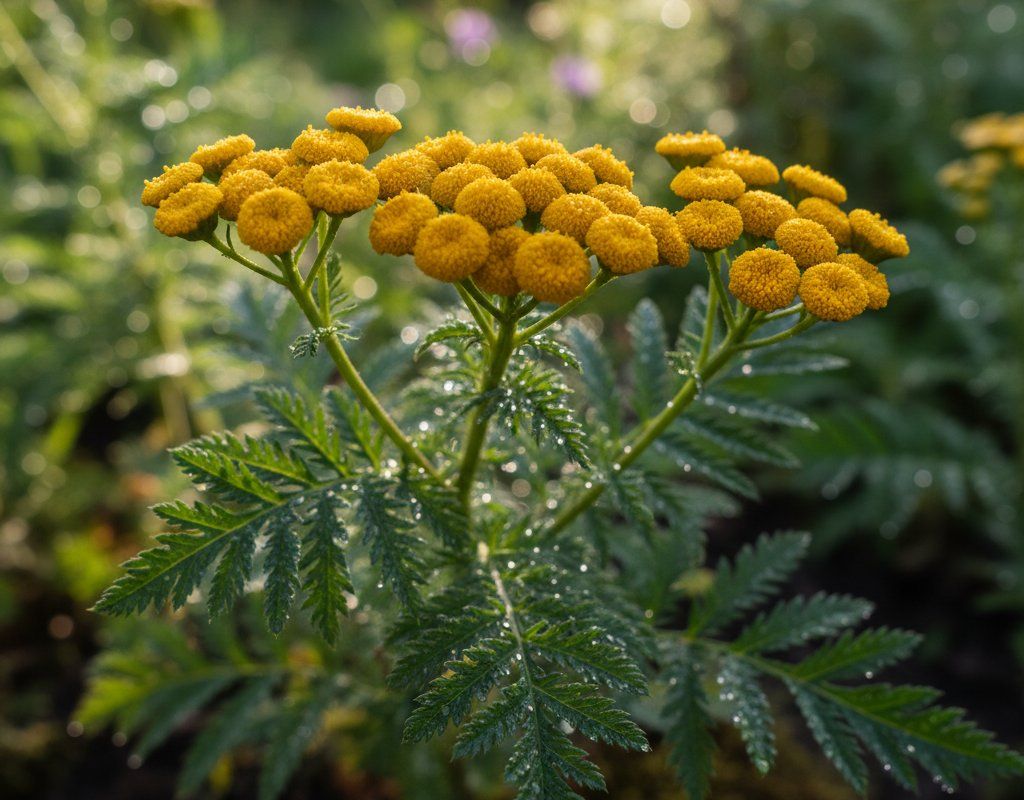
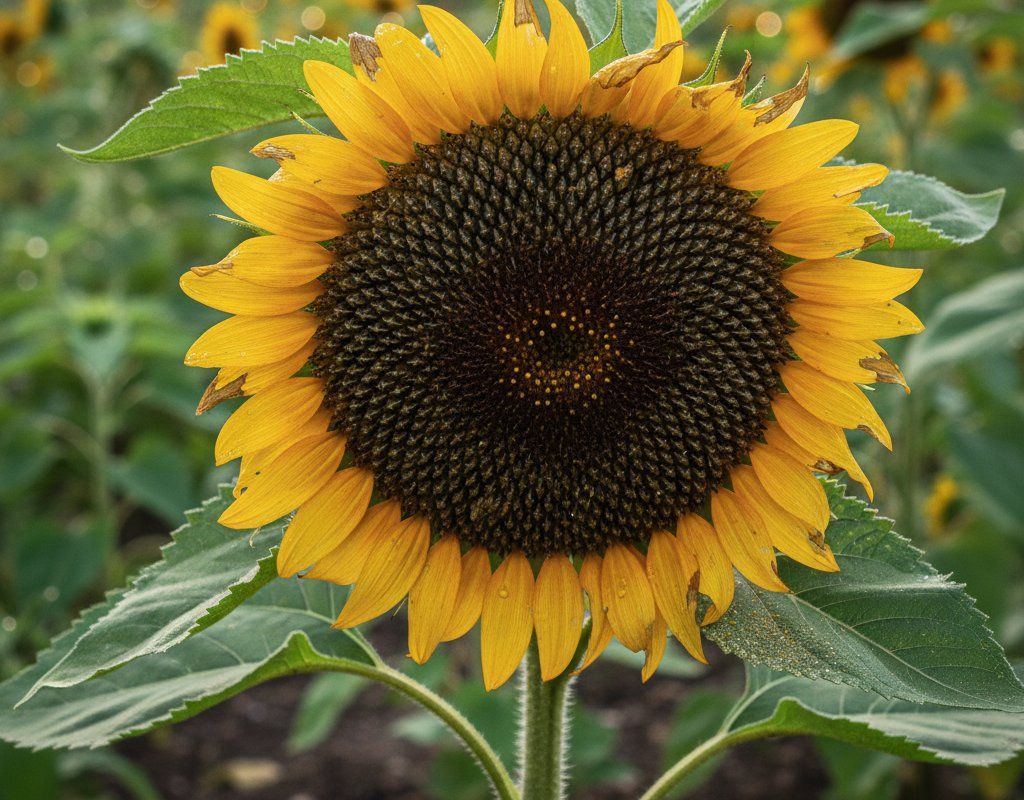
🌸Best Flowers to Plant with Zucchini
These flowers protect your Zucchini from pests and attract pollinators for better harvests.
For Pest Control





Get a Reminder When It's Time to Plant
We'll email you when key planting windows open for your zone.