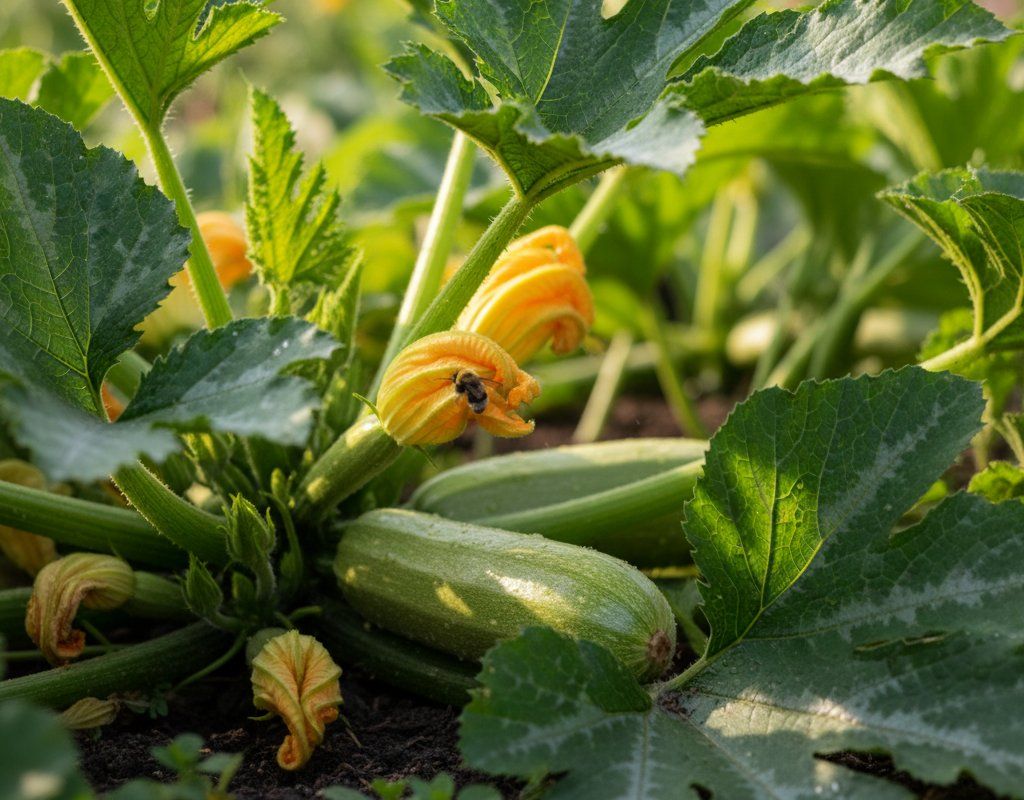
Zucchini in Zone 6A — Midwest
Cucurbita pepo · Your Complete 2026 Planting Guide
Planning Ahead — Great!
You’re ahead of the season. Here’s when to start.
Mark Your Calendar
How to Plant Zucchini in Zone 6A — Midwest
Here are all your options for getting zucchini in the ground, from the easiest method to more advanced approaches.
Direct Sow Seeds
RecommendedLate April through mid August
around April 27
Consider succession planting every 2-3 weeks for continuous harvest.
Zucchini grows so fast that direct sowing is usually easiest.
Buy Starts
Works WellEarly May through mid June
around May 4
Plant purchased starts after last frost (April 20).
Start Seeds Indoors
Works WellEarly to late April
around April 13
Then transplant: Early May through mid June
Start seeds 3-5 weeks before transplanting outdoors.
Only start indoors if you want earlier harvest. Don't start too early.
Transplant Outdoors
Timing InfoEarly May through mid June
around May 4
Wait until nighttime temperatures stay above 50°F.
You have a nice window — no need to rush.
Overview
Zucchini thrives in our Midwest climate, taking full advantage of our fertile soil and reliable summer heat to produce impressive harvests. With our 178-day growing season and adequate rainfall, you can expect continuous production from mid-summer through our first frost around mid-October. The abundant harvests mean fresh zucchini for grilling, baking, and preserving – plus plenty to share with neighbors who might start avoiding your calls by August.
While our variable spring weather and occasional summer heat spells can challenge tender plants like zucchini, timing your planting makes all the difference. Wait until soil warms consistently in late spring, and you'll avoid the setbacks that come with rushing the season. Our clay soil retains moisture well once amended, which actually works in zucchini's favor since this crop demands consistent water.
Starting Seeds Indoors
Starting zucchini seeds indoors isn't necessary in our Midwest climate, but it can give you a 2-3 week head start on harvest. If you choose this route, start seeds in early to late April, about 3 weeks before you plan to transplant. Use seed trays filled with quality potting mix and keep them warm – zucchini seeds germinate best around 70-75°F.
Bottom watering works well for zucchini seedlings since it prevents the large seed leaves from staying too wet. Our moderate-to-late spring character means you'll have plenty of time to get strong transplants ready without rushing. Only start indoors if you're eager for that first harvest – zucchini grows so quickly that direct-sown plants often catch up to transplants within weeks.
Don't start too early thinking you'll get ahead of the game. Zucchini seedlings grow fast and become root-bound quickly in small containers. If you start in early April, plan to transplant by early May once soil temperatures stabilize.
Transplanting Outdoors
If you've started zucchini indoors, transplant them outside from early May through mid-June, once soil temperatures consistently stay above 60°F. Our Midwest springs can fool you with warm spells followed by cool snaps, so check soil temperature with a thermometer rather than guessing by air temperature.
Harden off transplants gradually over a week, starting with 2-3 hours outside in a protected spot and increasing daily exposure. This prevents shock from our sometimes dramatic day-to-night temperature swings. Space plants 36-48 inches apart – zucchini needs room to spread, and good air circulation helps prevent the powdery mildew that thrives in our moderate-to-humid summers.
Watch weather forecasts carefully during transplant season. Even late May can bring unexpected cool nights that stress young plants. Have row covers ready if temperatures threaten to drop below 50°F, which can stunt growth for weeks.
Direct Sowing
Direct sowing is the easiest and most reliable method for growing zucchini in our region. Sow seeds from late April through mid-August, timing your plantings when soil temperature reaches 65°F consistently. Our fertile Midwest soil warms reliably by late spring, making direct sowing more dependable than trying to time transplants.
Plant seeds 1 inch deep and space them 36-48 inches apart – zucchini plants get large and need room for air circulation. In our clay-heavy soils, work in compost or aged manure to improve drainage while retaining the moisture zucchini craves. Plant 2-3 seeds per spot and thin to the strongest seedling once they're 3-4 inches tall.
The beauty of direct sowing zucchini is how quickly it establishes. Seeds often germinate within a week in warm soil, and plants develop strong root systems better suited to our summer heat spells. For continuous harvest, make succession plantings every 2-3 weeks through mid-July – this also helps if squash vine borers damage your first planting.
Watering Zucchini in Zone 6A (Midwest)
Zucchini demands consistent, deep watering throughout our Midwest growing season – expect to provide about 1-2 inches per week including rainfall. Our wet summers typically provide 30-40 inches annually, but the timing rarely matches what zucchini needs. Summer heat spells combined with our moderate-to-humid conditions mean you'll need to supplement natural rainfall regularly.
Use the finger test to check soil moisture: stick your finger 2 inches deep near the plant base. If it's dry at that depth, it's time to water deeply. Water at the base of plants rather than overhead – our humidity levels already create perfect conditions for powdery mildew, and wet leaves make it worse. A soaker hose or drip irrigation works perfectly for zucchini's water needs.
Watch for signs of inconsistent watering, which shows up as blossom end rot on developing fruit. Wilting leaves during hot afternoons followed by recovery at night usually indicates the plant needs deeper, not more frequent, watering. Conversely, yellowing lower leaves often signals overwatering, especially in our clay soils that drain slowly.
Apply 2-3 inches of organic mulch around plants to maintain even soil moisture and reduce watering frequency. In our climate, grass clippings or shredded leaves work well and break down to improve soil structure. Keep mulch 2 inches away from plant stems to prevent moisture-related problems in our humid summers.
🧪Fertilizing Zucchini
Feeding Schedule
Organic Fertilizer Options
Harvest Time
Expect your first zucchini harvest around mid-June if you started early, with production continuing through mid-October until our first frost. With our 50-day maturity period and long growing season, you'll have months of continuous harvest from healthy plants. Peak production typically hits during July and August when our summer heat really gets zucchini plants pumping.
Harvest zucchini when they're 6-8 inches long and still tender – check daily once production begins because they grow incredibly fast in our fertile soil and summer heat. The skin should yield slightly to gentle pressure but still feel firm. Cut the stem with a knife rather than pulling, which can damage the plant and reduce future production.
Pick regularly to keep plants producing – leaving oversized fruit on the plant signals it to stop making new ones. Those baseball bat-sized zucchini are impressive but spongy and bitter inside. If you miss one and it gets huge, remove it immediately and compost it. Check plants every other day during peak season since our warm nights keep growth going around the clock.
As our first frost approaches in mid-October, harvest any remaining small fruit and let larger ones mature for winter storage. Green zucchini won't ripen off the vine, but you can pick them just before frost and use them within a week or two for cooking and baking.
Common Problems in Zone 6A (Midwest)
Squash Vine Borers Watch for sudden wilting of entire vines or sections, even when soil is moist. You'll find sawdust-like frass (insect waste) at the base of affected stems – this is the telltale sign of vine borers. Slit open the stem near the damage and you'll find a fat, white grub tunneling through the stem, cutting off water flow to the plant.
These pests are larvae of clearwing moths that lay eggs at stem bases in early summer. Our Midwest climate provides perfect conditions for their life cycle. Wrap the lower 6 inches of stems with aluminum foil when plants are young, or use row covers until plants start flowering. If you catch borers early, inject Bt (beneficial bacteria) into affected stems. Plant succession crops every few weeks so you have backup plants when borers strike.
Powdery Mildew This shows up as white or grayish powdery coating on leaves, stems, and sometimes fruit. Leaves curl, turn yellow, and eventually die back, weakening the entire plant. Our moderate-to-humid summers with warm days and cooler nights create ideal conditions for this fungal problem.
Unlike many plant diseases, powdery mildew actually prefers dry leaf surfaces, so overhead watering won't prevent it. Improve air circulation by spacing plants properly (36-48 inches apart) and removing some lower leaves as plants mature. Spray affected plants with neem oil or try the surprisingly effective milk spray (1 part milk to 9 parts water) applied weekly.
Blossom End Rot Dark brown or black leathery patches appear on the bottom (blossom end) of developing fruit, often affecting the season's first zucchini. This isn't a disease but a calcium deficiency caused by inconsistent watering – exactly what happens when you don't adjust irrigation for our variable summer weather patterns.
The real culprit is drought-flood cycles that prevent calcium uptake even in our naturally fertile soil. Water consistently and deeply, maintaining even soil moisture with mulch. Our clay soils can compound the problem by staying too wet then becoming hard when dry. Remove affected fruit immediately and focus on consistent watering – this single change fixes most blossom end rot issues.
Midwest Specific Challenges Our moderate-to-humid summers and wet-season rainfall pattern means fungal problems like powdery mildew are more common than in drier climates. The combination of warm days, mild nights, and variable moisture creates perfect storm conditions for plant diseases. Focus on air circulation, consistent watering practices, and choosing resistant varieties when possible.
Best Companions for Zucchini
Plant these nearby for healthier Zucchini and better harvests.


Keep Away From
Companion Planting Details
Plant zucchini with corn and beans for a productive three-sisters combination that works well in our fertile Midwest soil. Corn provides natural trellising for beans while beans fix nitrogen that feeds both corn and zucchini. Radishes planted around zucchini mature quickly and help break up clay soil while deterring cucumber beetles. Mint planted nearby repels ants and aphids, though contain it in pots since it spreads aggressively in our moist climate.
Avoid planting potatoes near zucchini since both are heavy feeders that compete for nutrients in the same soil layer. Potatoes also attract similar pests and can harbor diseases that jump to zucchini family plants. Our rich soil can support these heavy feeders, but they perform better when spaced apart in different garden areas.
🌸Best Flowers to Plant with Zucchini
These flowers protect your Zucchini from pests and attract pollinators for better harvests.
For Pest Control








Get a Reminder When It's Time to Plant
We'll email you when key planting windows open for your zone.