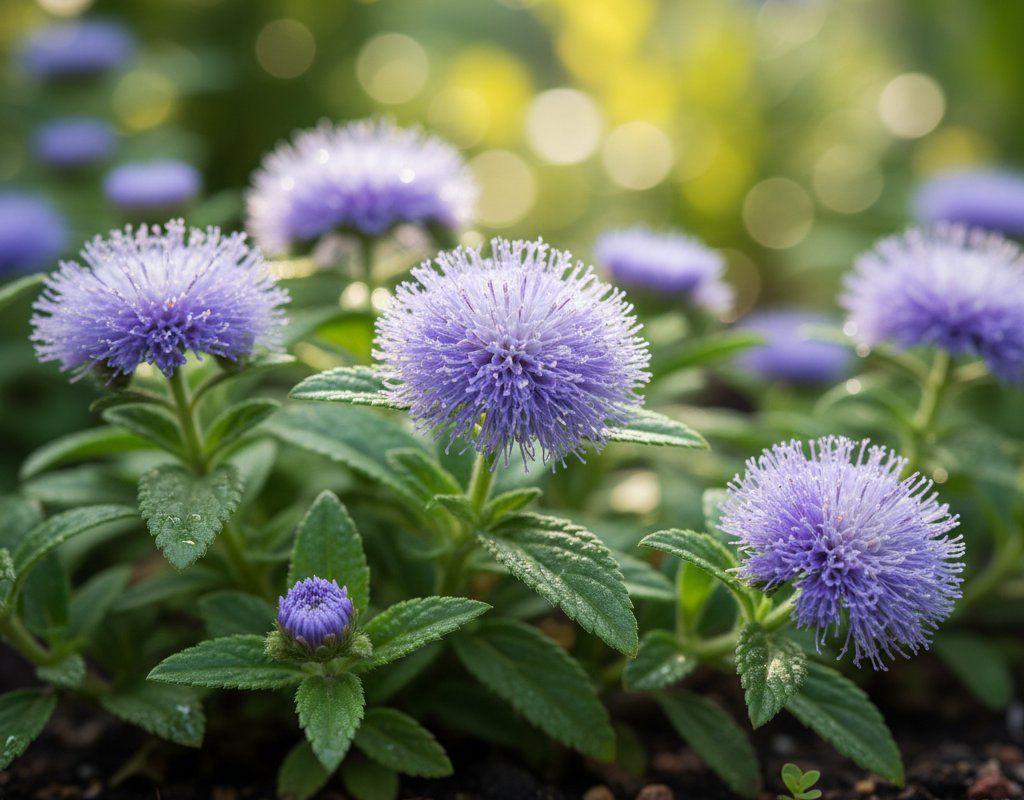
Ageratum in Zone 3B — Mountain West
Ageratum houstonianum · Your Complete 2026 Planting Guide
Planning Ahead — Great!
You’re ahead of the season. Here’s when to start.
Mark Your Calendar
How to Plant Ageratum in Zone 3B — Mountain West
Here are all your options for getting ageratum in the ground, from the easiest method to more advanced approaches.
Buy Starts
RecommendedEarly to late June
around June 8
Plant purchased starts after last frost (May 25).
Start Seeds Indoors
Works WellEarly to late April
around April 13
Then transplant: Early to late June
Start seeds 8-10 weeks before transplanting outdoors.
Direct Sow Seeds
ChallengingDirect sowing is not typical for Ageratum.
Transplant Outdoors
Timing InfoEarly to late June
around June 8
Wait until nighttime temperatures stay above 50°F.
Plan to transplant within a few weeks of your target date.
Overview
Ageratum, with its unique fuzzy purple-blue flowers, is a worthwhile addition to any Zone 3B Mountain West garden. Its blooms add a splash of cool color to our intense sunlight, and it's a fantastic pollinator attractor, bringing beneficial insects to your other crops. Plus, the long bloom season means you'll have color from summer right up until our first frosts.
Our short growing season and cool nights can make some plants a challenge, but Ageratum, with a little planning, thrives here. Starting your seeds indoors gives you a head start, maximizing your harvest within our 108-day window.
Starting Seeds Indoors
Starting Ageratum indoors is definitely the way to go here in the mountains. Our late springs mean direct sowing just won't give them enough time to mature before the cold returns. Start your seeds indoors from early to late April, about 8 weeks before you plan to transplant them outside.
Use seed trays with a good seed-starting mix. Keep the soil consistently moist, and bottom watering is a great trick to avoid damping off. Provide warmth with a heat mat and plenty of light using grow lights, especially with our intense spring sun.
Transplanting Outdoors
Transplant your Ageratum seedlings outdoors in early to late June, once the danger of frost has passed. Before planting them in the ground, harden them off over about a week. Gradually expose them to outdoor conditions, increasing the amount of time they spend outside each day.
Plant them 6-8 inches apart in a sunny spot with well-drained soil. Even in June, keep an eye out for unexpected cold snaps or even hail, and be ready to cover your young plants if needed.
Watering Ageratum in Zone 3B (Mountain West)
Ageratum needs consistent moisture, especially in our dry Mountain West climate. While it doesn't like to be waterlogged, it definitely won't tolerate drying out. During the heat of summer (if we get any!), you might need to water every other day.
Stick your finger about 2 inches into the soil. If it feels dry, it's time to water. Aim for about an inch of water per week, adjusting based on rainfall. Water at the base of the plants to avoid splashing soil onto the leaves, which can help prevent disease.
Signs of underwatering include wilting leaves and dry, cracked soil. Overwatering can lead to yellowing leaves and potentially root rot. Mulching around your Ageratum plants with straw or wood chips helps retain moisture and keep the soil cool, which is especially beneficial in our intense sun.
Pruning & Maintaining Ageratum
Deadheading is key to keeping your Ageratum blooming throughout the season. Simply pinch off the spent flower heads as soon as they start to fade. This encourages the plant to produce more flowers instead of putting energy into seed production.
You can deadhead throughout the growing season, from mid-summer until our first frost. As the end of the season approaches in early September, stop deadheading to allow the plant to set seed if you want to collect them for next year.
🧪Fertilizing Ageratum
Feeding Schedule
Organic Fertilizer Options
Harvest Time
You can expect your Ageratum to start blooming from early August through early September. The fuzzy purple-blue flower clusters are a sign that the plant is doing its job, attracting pollinators to your garden.
Harvesting isn't really about "ripening" with Ageratum; it's about enjoying the blooms and using them as companion plants. Simply enjoy the blooms on the plant to provide a haven for pollinators. To encourage continuous production, be sure to deadhead regularly.
As the first frost approaches in early September, enjoy the last of the blooms. You can either let the plants die back naturally or collect seeds from the dried flower heads for next year's garden.
Common Problems in Zone 3B (Mountain West)
Here are some common problems you might encounter with Ageratum in the Mountain West:
Whiteflies
- What it looks like: Tiny, white, flying insects that cluster on the undersides of leaves. When disturbed, they fly up in a cloud.
- What causes it: Whiteflies are attracted to stressed plants, and our alkaline soil can sometimes cause nutrient deficiencies that weaken plants.
- How to fix/prevent it: Blast the undersides of leaves with a strong stream of water. Insecticidal soap or neem oil can also be effective. Improve soil health with compost and organic fertilizers.
Powdery Mildew
- What it looks like: White or grayish powdery coating on leaves, stems, and sometimes fruit. Leaves curl, yellow, and die.
- What causes it: Various fungi thrive in warm days and cool nights, which we often have here in the mountains. Dry leaf surfaces actually favor it.
- How to fix/prevent it: Improve air circulation by spacing plants properly and pruning. Remove affected leaves. Neem oil or potassium bicarbonate sprays can help.
Crown Rot in Wet Soil
- What it looks like: Stem at the base of the plant turns brown and mushy, leading to wilting and plant death.
- What causes it: Overwatering and poorly draining soil create conditions where fungi can thrive and attack the crown of the plant. While our climate is dry, heavy clay soils can still cause drainage problems.
- How to fix/prevent it: Ensure good soil drainage by amending heavy clay soils with compost and other organic matter. Water only when the top inch of soil is dry. Avoid overhead watering, especially in the evenings.
Mountain West Specific Challenges: The intense UV light at our high altitude can stress plants, making them more susceptible to pests and diseases. Make sure your Ageratum gets some afternoon shade, especially during the hottest part of the day.
Best Companions for Ageratum
Plant these nearby for healthier Ageratum and better harvests.
View Full Companion Planting Chart →

Companion Planting Details
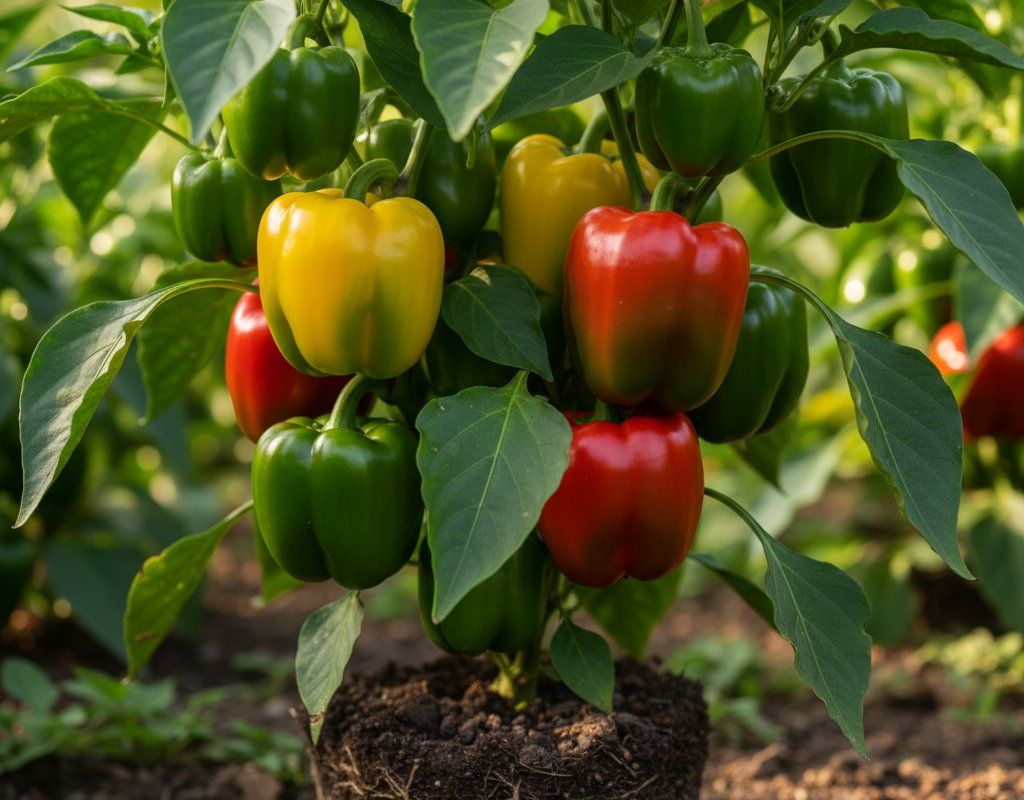
Ageratum makes a good companion plant for several vegetables in the Mountain West garden. Planting it near tomatoes and peppers helps attract beneficial insects that prey on pests that can damage these crops. Green beans also benefit from Ageratum's pollinator-attracting abilities, leading to better pod set.
Avoid planting Ageratum near plants that are highly susceptible to powdery mildew, as it can sometimes exacerbate the problem.
🥬Best Vegetables to Pair With Ageratum
Ageratum benefits these vegetables through pest control, pollinator attraction, or improved garden health.




Get a Reminder When It's Time to Plant
We'll email you when key planting windows open for your zone.