
Green Beans in Zone 3B — Mountain West
Phaseolus vulgaris · Your Complete 2026 Planting Guide
Planning Ahead — Great!
You’re ahead of the season. Here’s when to start.
Mark Your Calendar
How to Plant Green Beans in Zone 3B — Mountain West
Here are all your options for getting green beans in the ground, from the easiest method to more advanced approaches.
Direct Sow Seeds
RecommendedEarly June through early July
around June 1
Direct sow as soon as conditions allow.
Beans have sensitive roots and grow quickly. Direct sow after frost.
Buy Starts
Works WellEarly to late June
around June 1
Plant purchased starts after last frost (May 25).
Start Seeds Indoors
ChallengingThis plant is typically not started indoors.
Transplant Outdoors
Timing InfoEarly to late June
around June 1
Wait until nighttime temperatures stay above 50°F.
You have a nice window — no need to rush.
Overview
Green beans are one of the most satisfying crops for Mountain West gardeners, delivering crisp pods with that sweet, fresh flavor you simply can't get from store-bought beans. In our high-altitude climate with intense sun and cool nights, beans develop exceptional texture and concentrate their flavors beautifully during those cool evenings, while our low humidity keeps many common bean diseases at bay.
Our 108-day growing season and late spring frosts make timing crucial for these frost-tender plants, but green beans are actually well-suited to our Mountain conditions once you get past that last frost risk. With our intense sunlight and moderate summer temperatures, beans grow quickly and produce heavily during their relatively short window, making them worth the wait.
Transplanting Outdoors
While green beans can be transplanted, direct sowing is strongly preferred in the Mountain West since beans have sensitive root systems that don't appreciate disturbance. If you do choose to transplant seedlings, wait until early to late June when night temperatures consistently stay above 50°F and all frost danger has passed.
Any transplants need a full week of hardening off in our intense UV conditions - start with just 2-3 hours of morning sun and gradually increase exposure. Our high-altitude sunlight can shock tender seedlings quickly. Space transplants 4-6 inches apart in rows, giving them room to spread as they grow.
Watch for those unexpected temperature swings we get in early summer. Even in mid-June, a cold snap can set back or kill young bean plants, so keep row covers handy for the first few weeks after transplanting.
Direct Sowing
Direct sowing is the best method for green beans in the Mountain West, and you have a good window from early June through early July to get them in the ground. Wait until soil temperatures reach at least 60°F consistently - our cold nights can keep soil cool even when air temperatures warm up during the day.
Work compost into your planting area since most Mountain soils are alkaline, and beans prefer slightly acidic to neutral conditions. Plant seeds 1-2 inches deep and space them 4-6 inches apart in rows. The intense UV at our altitude can actually help warm the soil faster than expected, but don't rush it - cold soil will cause seeds to rot rather than germinate.
After planting, keep the soil consistently moist but not waterlogged until germination, which typically takes 7-10 days in our conditions. Once seedlings emerge, they'll grow quickly in our bright sunlight, but protect them from hail with row covers if storms threaten during their first few weeks.
Watering Green Beans in Zone 3B (Mountain West)
Green beans need consistent moisture but not excessive water, which works well with our dry Mountain climate where you have complete control over irrigation. In our low-humidity environment with moderate summer temperatures, beans typically need about 1-1.5 inches of water per week, including any rainfall - though with our 10-20 inches of annual precipitation, you'll be providing most of it yourself.
Water deeply at the base of plants rather than overhead, especially important in our dry air where wet foliage can still lead to fungal problems like rust. The low humidity helps prevent many diseases, but beans are still susceptible when leaves stay wet. Use soaker hoses or drip irrigation when possible, and water early morning so any moisture on leaves dries quickly in our intense sun.
Check soil moisture with the finger test - stick your finger 2 inches into the soil near the plants. If it's dry at that depth, it's time to water. In our sandy or rocky Mountain soils, water can drain away quickly, so you might need to water more frequently but for shorter periods. Watch for signs of stress: wilting during the heat of the day (even at our moderate 85°F highs), yellowing leaves, or poor pod development.
A thin layer of organic mulch around plants helps retain moisture in our dry conditions and keeps soil temperatures more consistent during our cool nights. Avoid thick mulch that might harbor moisture against the stems, since our intense daytime sun can create steam pockets that encourage disease.
🧪Fertilizing Green Beans
Feeding Schedule
Organic Fertilizer Options
Harvest Time
Your first green beans will be ready from late July through early September, about 55 days after planting. In our Mountain climate, this timing works perfectly with our growing season, giving you plenty of harvest time before that early September frost typically arrives.
Harvest when pods are firm, crisp, and about pencil-thick - you should be able to snap them cleanly rather than bend them. The seeds inside should be tiny and barely visible. Pick every 2-3 days during peak season to keep plants producing; in our intense sunlight, pods can go from perfect to tough and stringy quickly. Early morning is the best harvest time when pods are crisp from cool night temperatures.
Use both hands when harvesting - hold the stem with one hand and pull the pod with the other to avoid damaging the plant. Bush beans like these will produce for several weeks, and regular picking encourages continued flowering. Our cool nights help extend the harvest period by slowing pod maturation.
As early September approaches and first frost threatens, harvest all remaining pods regardless of size. Green pods can be pickled or frozen, but they won't ripen off the vine. The plants will be done after the first frost, so make the most of those final weeks of production.
Common Problems in Zone 3B (Mountain West)
Bean Beetles
These copper-colored beetles with black spots appear on leaves along with their spiny, yellow-orange larvae on leaf undersides, creating a skeletonized appearance where only leaf veins remain. Our intense Mountain sunlight makes the damage more visible and stressful to plants, while our warm days can encourage multiple generations if not controlled early.
Handpick adults and larvae in early morning when they're sluggish, and crush any yellow egg clusters you find on leaf undersides. Row covers work well until flowering begins, but remove them so bees can pollinate. Our low humidity makes neem oil applications more effective since it won't wash off with unexpected rain, and beneficial predatory wasps thrive in our dry climate.
Rust
Orange, yellow, or brown pustules appear on leaf undersides and stems, with leaves eventually yellowing and dropping. While our low humidity generally discourages fungal diseases, rust can still develop when plants stay wet from overhead watering or heavy dews that don't dry quickly in shaded areas.
Avoid overhead watering entirely and improve air circulation around plants. Our dry air is your advantage here - remove affected leaves immediately and don't work among wet plants. Copper fungicide applications work well in our climate since they stick better without frequent rains washing them off.
Mosaic Virus
Leaves show a distinctive mottled yellow and green pattern with stunted, distorted growth and reduced pod production. This virus spreads through aphids and contaminated tools, with no cure once plants are infected. Our intense UV can make virus symptoms more severe by stressing already weakened plants.
Remove and destroy infected plants immediately, and control aphid populations with regular inspection. Our dry conditions actually help prevent spread since aphids prefer more humid environments, but they can still be problematic. Wash hands and tools between plants, and avoid touching plants when they're wet from morning irrigation.
Mountain West Specific Challenges: Our combination of intense UV and moderate temperatures means plant stress shows up quickly, making early detection of problems crucial. The dry air helps prevent many fungal issues but can stress plants during heat waves, making them more susceptible to beetle damage and viral infections.
Best Companions for Green Beans
Plant these nearby for healthier Green Beans and better harvests.
View Full Companion Planting Chart →




Companion Planting Details
Green beans work beautifully with corn and squash in the traditional "Three Sisters" combination, where beans climb corn stalks and add nitrogen to the soil while squash shades the ground with large leaves. In our intense Mountain sun, this combination makes even more sense since the shade helps conserve soil moisture and the beans appreciate some relief from direct UV during the hottest part of the day.
Carrots and celery also make excellent companions, with their different root depths and growth habits not competing directly with beans. Avoid planting near onions, garlic, or fennel, which can inhibit bean growth through root compounds - this is especially important in our alkaline Mountain soils where these compounds can concentrate and persist longer than in more acidic growing conditions.
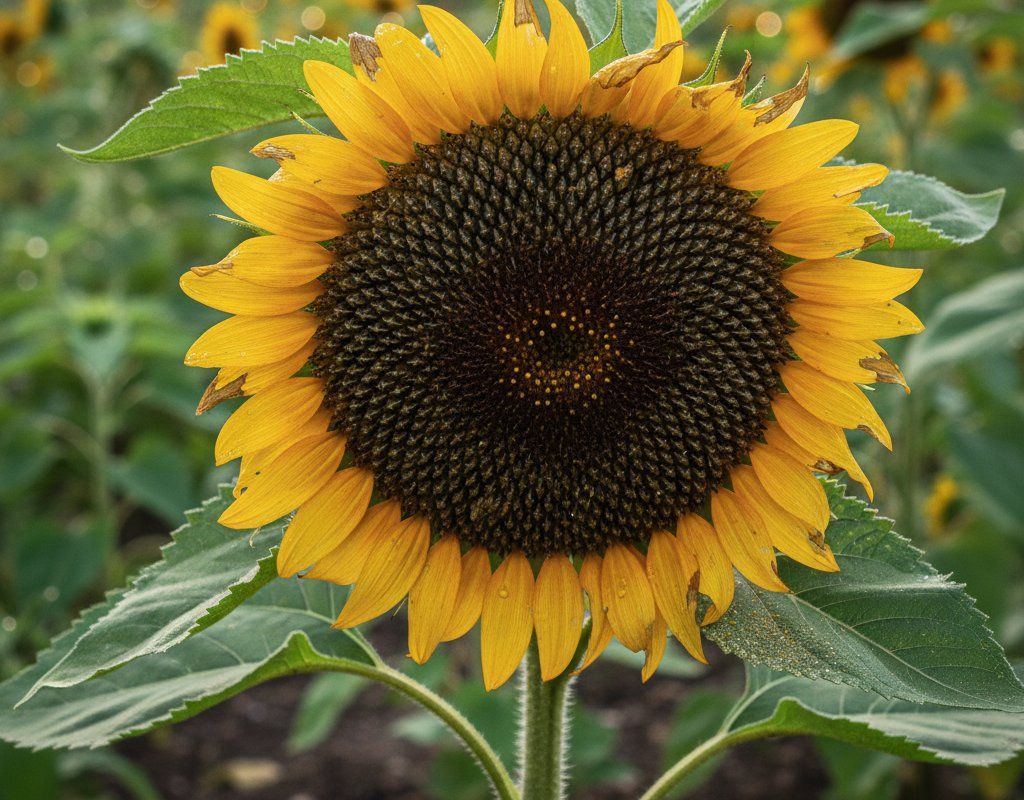
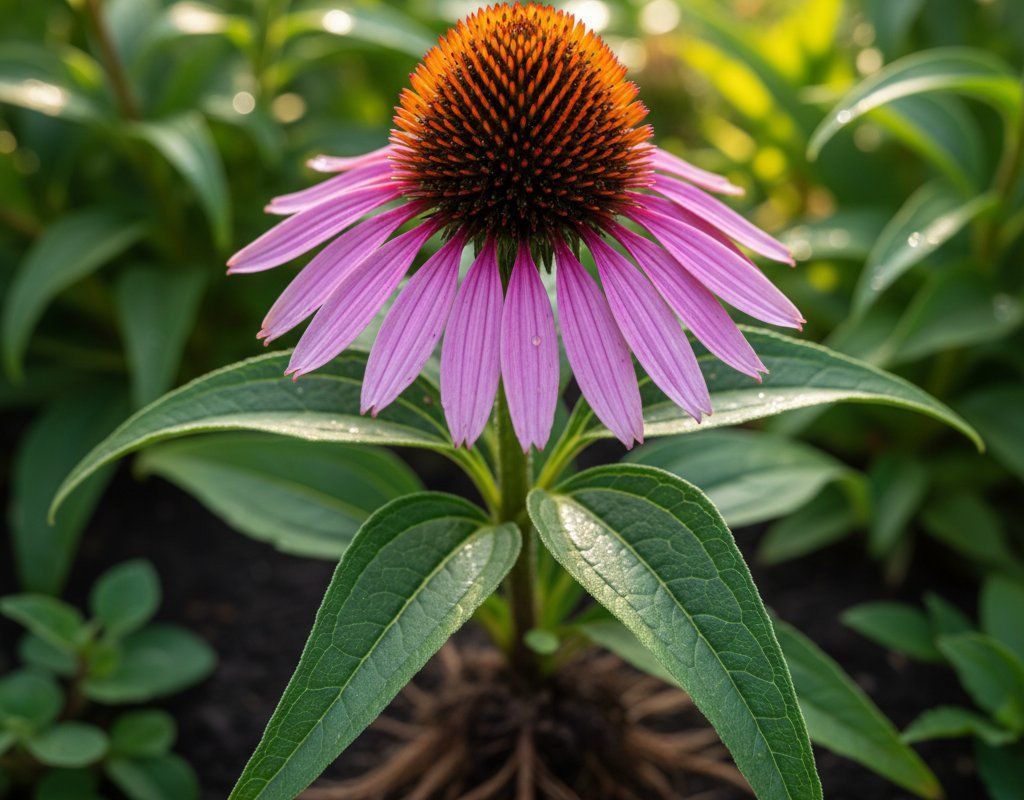
🌸Best Flowers to Plant with Green Beans
These flowers protect your Green Beans from pests and attract pollinators for better harvests.
For Pest Control






Get a Reminder When It's Time to Plant
We'll email you when key planting windows open for your zone.