Ageratum in Zone 4B — Great Plains
Ageratum houstonianum · Your Complete 2026 Planting Guide
Planning Ahead — Great!
You’re ahead of the season. Here’s when to start.
Mark Your Calendar
How to Plant Ageratum in Zone 4B — Great Plains
Here are all your options for getting ageratum in the ground, from the easiest method to more advanced approaches.
Buy Starts
RecommendedMid May through mid June
around May 19
Plant purchased starts after last frost (May 5).
Start Seeds Indoors
Works WellMid March through early April
around March 24
Then transplant: Mid May through mid June
Start seeds 8-10 weeks before transplanting outdoors.
Direct Sow Seeds
ChallengingDirect sowing is not typical for Ageratum.
Transplant Outdoors
Timing InfoMid May through mid June
around May 19
Wait until nighttime temperatures stay above 50°F.
You have a nice window — no need to rush.
Overview
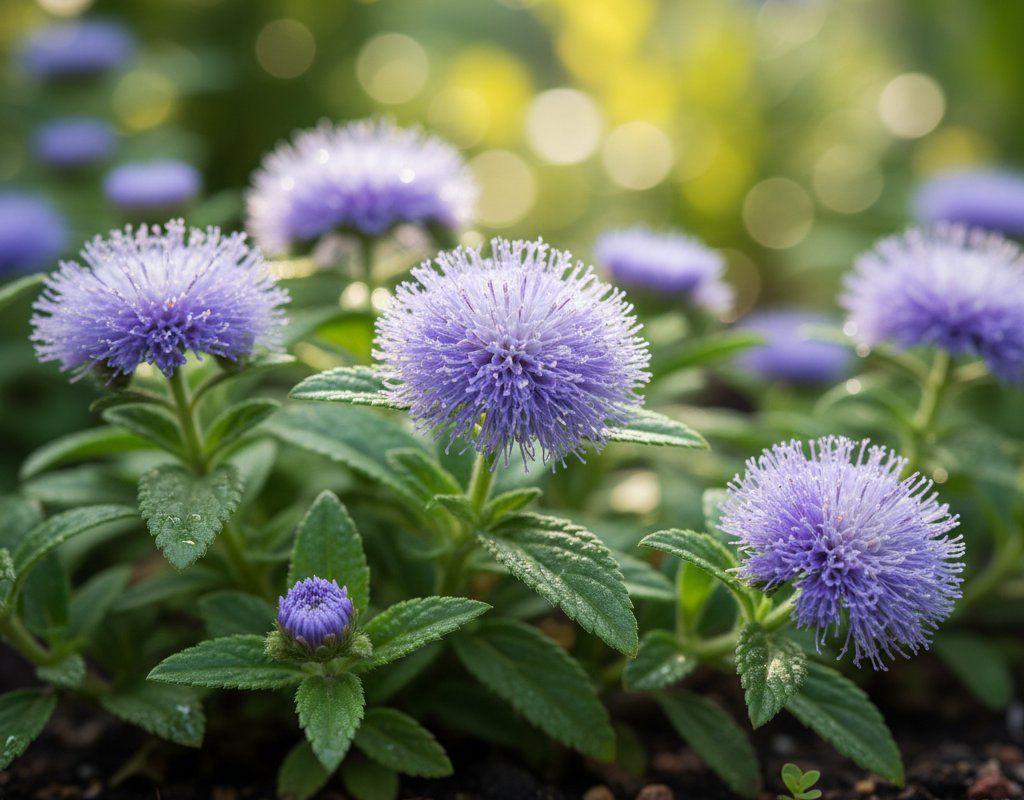
Ageratum, with its unique fuzzy blue-purple flowers, is a delightful addition to any Plains garden. It's a reliable bloomer, attracting pollinators like crazy, and its compact size makes it perfect for borders or containers. The intense sunshine we get here on the Plains really brings out the color!
Our extreme weather and short growing season (around 149 days) can be challenging, but don't let that deter you. Starting Ageratum indoors gives you a head start, and its adaptability means you can enjoy its blooms from mid-summer right up until our first frosts.
Starting Seeds Indoors
Starting Ageratum indoors gives you a jump on our relatively short growing season. You'll want to get those seeds going mid-March through early April, about 8 weeks before you plan to transplant.
Use seed trays with a good seed-starting mix. Keep them warm (a heat mat helps) and provide plenty of light – a grow light is ideal. Water from the bottom to avoid damping off; set the tray in a shallow dish of water until the soil surface is moist. Our spring weather can be so variable; indoor starting ensures consistent conditions.
Transplanting Outdoors
Transplant your Ageratum seedlings outdoors mid-May through mid-June, after the risk of frost has passed. Before planting, harden them off by gradually exposing them to outdoor conditions for about a week.
Space plants 6-8 inches apart to allow for good air circulation. Keep an eye on the forecast around transplant time – a late-season cold snap or even a bout of hail can set them back, so be ready to cover them if needed.
Watering Ageratum in Zone 4B (Great Plains)
Ageratum likes consistent moisture, but hates soggy soil. In our Plains climate, with hot summers and variable rainfall, getting the watering right is key.
During the hottest part of the summer, when temperatures are consistently in the 90s, you'll likely need to water deeply about once or twice a week, providing around 1 inch of water each time. Use the finger test: stick your finger about 2 inches into the soil. If it feels dry, it's time to water. If it's still moist, hold off.
Water at the base of the plants to avoid wetting the foliage, which can encourage fungal diseases. While our humidity is generally low-to-moderate, it's still a good precaution. A layer of mulch, like shredded bark, helps retain moisture and suppress weeds. Signs of underwatering include wilting leaves and dry soil. Overwatering leads to yellowing leaves and potentially root rot.
Pruning & Maintaining Ageratum
Deadheading is the key to keeping your Ageratum blooming all summer long. Simply pinch or snip off the spent flower heads just below the bloom.
Do this regularly throughout the season to encourage new flowers. As the first frost approaches around early October, you can let the last blooms fade and set seed, or simply pull up the plants to add to your compost.
🧪Fertilizing Ageratum
Feeding Schedule
Organic Fertilizer Options
Harvest Time
Ageratum isn't harvested for eating, but for its beautiful blooms. You can expect the first fuzzy purple-blue flower clusters to appear mid-July through early September, about 60 days after starting from seed.
Harvest the flowers by cutting the stems at an angle, just above a leaf node. This encourages the plant to branch out and produce even more blooms. Deadheading spent flowers also keeps the plant producing throughout the season. As the first frost approaches in early October, you can harvest the remaining blooms for indoor arrangements.
Common Problems in Zone 4B (Great Plains)
Here are a few common problems to watch out for with Ageratum in our Great Plains gardens:
Whiteflies
- What it looks like: Tiny white, fly-like insects that cluster on the undersides of leaves. They fly up in a cloud when disturbed. Leaves may turn yellow and stunted.
- What causes it: These pests thrive in warm, dry conditions. Our hot Plains summers can create ideal conditions for them.
- How to fix/prevent it: Blast the undersides of leaves with a strong stream of water to dislodge them. Insecticidal soap or neem oil can also be effective. Encourage natural predators like ladybugs.
Powdery Mildew
- What it looks like: White or grayish powdery coating on leaves, stems, and sometimes fruit. Leaves curl, yellow, and die. Reduces plant vigor.
- What causes it: Various fungi that thrive in warm days, cool nights, and moderate humidity. Dry leaf surfaces actually favor it (unlike most fungi).
- How to fix/prevent it: Improve air circulation through spacing and pruning. Remove affected leaves. Neem oil or potassium bicarbonate sprays help. Milk spray (1 part milk to 9 parts water) is surprisingly effective. Plant resistant varieties.
Crown Rot in Wet Soil
- What it looks like: The base of the stem (the crown) becomes soft, mushy, and brown or black. The plant wilts and eventually dies.
- What causes it: This is a fungal disease that thrives in overly wet soil. Our variable rainfall can sometimes lead to periods of excessive moisture.
- How to fix/prevent it: Ensure good drainage in your planting beds. Avoid overwatering. If you see signs of crown rot, remove the affected plant and surrounding soil to prevent the spread of the disease.
Great Plains Specific Challenges: Our extreme temperature swings can stress plants, making them more susceptible to pests and diseases. Consistent monitoring and proactive measures are key to keeping your Ageratum healthy and thriving.
Best Companions for Ageratum
Plant these nearby for healthier Ageratum and better harvests.
View Full Companion Planting Chart →

Companion Planting Details
Ageratum makes a great companion plant in our Plains gardens. Its scent repels certain pests, benefiting other plants.
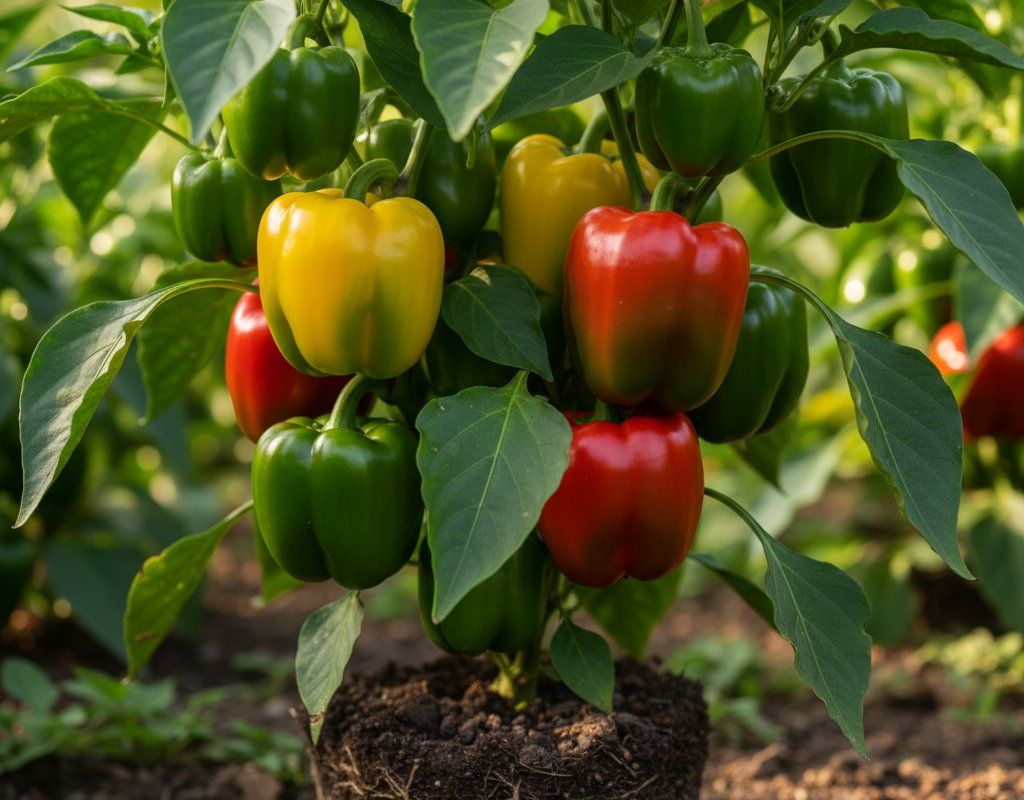
Tomatoes and peppers benefit from Ageratum planted nearby, as it can help deter nematodes and other soil pests that can damage their roots. Green beans also appreciate Ageratum, which attracts beneficial insects that prey on bean-damaging pests. Avoid planting near plants that are highly susceptible to powdery mildew, as Ageratum can sometimes be affected.
🥬Best Vegetables to Pair With Ageratum
Ageratum benefits these vegetables through pest control, pollinator attraction, or improved garden health.




Get a Reminder When It's Time to Plant
We'll email you when key planting windows open for your zone.