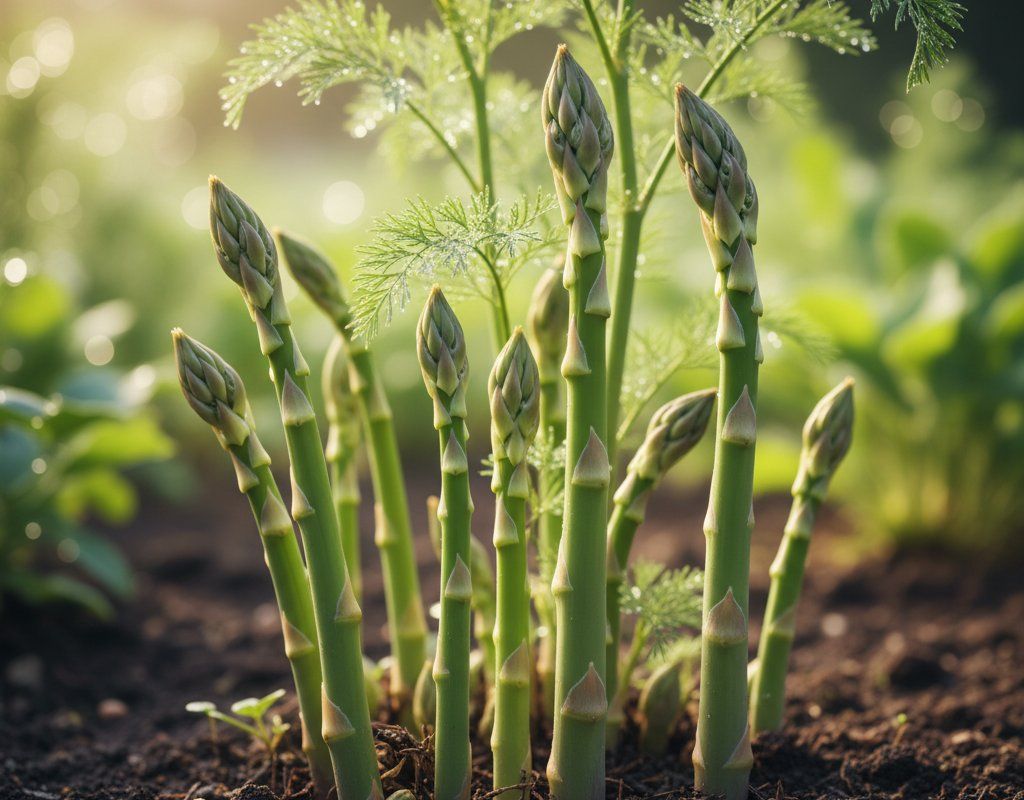
Asparagus in Zone 6B — Texas
Asparagus officinalis · Your Complete 2026 Planting Guide
Too Late for Asparagus
Not enough growing season left (need 744 days, only 251 remain)
📊 See the math
How to Plant Asparagus in Zone 6B — Texas
Here are all your options for getting asparagus in the ground, from the easiest method to more advanced approaches.
Buy Starts
RecommendedLate March through early April
around March 25
Plant purchased starts after last frost (March 25).
Buy 1-year-old crowns (roots). Growing from seed takes 3+ years to first harvest.
Start Seeds Indoors
ChallengingThis plant is typically not started indoors.
Direct Sow Seeds
ChallengingDirect sowing is not typical for Asparagus.
Transplant Outdoors
Timing InfoLate March through early April
around March 25
Can tolerate light frost, but wait for soil to be workable.
Timing is critical in your zone — don’t delay!
Overview
Asparagus is a real treat in the Texas garden, offering a flavor you just can't get from the store. Freshly harvested spears, grilled or roasted, are a true taste of spring and even into fall. Plus, it's a perennial; once established, you'll have years of harvests to look forward to.
Sure, we have our share of challenges with the Texas heat and unpredictable weather, but asparagus is surprisingly resilient. Our long 230-day growing season gives you plenty of time to get it established and productive. With a little planning, you can enjoy homegrown asparagus for years.
Transplanting Outdoors
Transplant your asparagus crowns outdoors from late March through early April. This timing lets them settle in before the full force of the Texas heat hits. Before planting, harden off your asparagus crowns by gradually exposing them to outdoor conditions for about a week.
Space the crowns 18-24 inches apart, giving them plenty of room to spread. It’s best to buy 1-year-old crowns from a reputable nursery. Starting from seed takes forever – you’re looking at over three years before you can even think about harvesting. Keep an eye on the weather forecast – a late freeze can still happen, so be ready to cover your new transplants if needed.
Watering Asparagus in Zone 6B (Texas)
Asparagus needs moderate watering, especially when it's getting established. Once they're mature (after a couple of years), the deep roots make them fairly drought-tolerant. But don't neglect them, especially during our hot Texas summers.
During the spring and fall when the weather is milder, give your asparagus about 1 inch of water per week, either from rain or irrigation. In the peak of the summer heat, increase that to 1.5-2 inches per week, especially if rainfall is scarce. Stick your finger about 2 inches deep into the soil near the plants. If it feels dry, it’s time to water. Water at the base of the plants to avoid creating a humid environment that can encourage fungal diseases.
Watch for signs of underwatering, like spears that are thin and stunted, or ferns that turn yellow or brown prematurely. Overwatering can lead to root rot, so look for yellowing or wilting leaves, even when the soil is moist. A good layer of mulch, like shredded hardwood, will help retain moisture and keep the soil cooler during our brutal Texas heat.
Pruning & Maintaining Asparagus
Asparagus pruning is pretty straightforward. The key is to let the ferns grow and thrive during the growing season. These ferns are what feed the crown and provide energy for next year's spears.
So, don't cut anything down until late fall or early spring, after the ferns have died back. Once they're brown and dry, you can cut them off at ground level. Just a heads up: don't harvest spears for more than 8 weeks each season.
🧪Fertilizing Asparagus
Feeding Schedule
Organic Fertilizer Options
Harvest Time
You can expect your first asparagus harvest in late March through late November, about two years after planting crowns. Look for spears that are 6-8 inches tall with tight, closed tips. That's when they're at their peak flavor.
To harvest, snap the spears off at ground level. Avoid cutting them, as this can damage the crown. Harvest every day or two during peak production to keep the spears coming. As the season progresses, the spears will start to get thinner – about the width of a pencil. That's your signal to stop harvesting and let the remaining spears fern out.
As the first frost approaches in early November, stop harvesting altogether. Allowing the plants to fully fern out before winter helps them store energy for a bigger harvest next spring.
Common Problems in Zone 6B (Texas)
Here are a few common problems you might encounter with asparagus in Texas:
Asparagus Beetle
- What it looks like: Small, metallic blue-black beetles and their larvae feeding on spears and ferns, causing damage and discoloration.
- What causes it: These beetles are attracted to asparagus plants. The Texas heat can accelerate their life cycle, leading to multiple generations in a season.
- How to fix/prevent it: Handpick beetles and larvae. Encourage beneficial insects like ladybugs. Use insecticidal soap as a last resort, following label instructions carefully.
Crown Rot
- What it looks like: Yellowing or wilting ferns, stunted growth, and mushy, decaying roots.
- What causes it: Poor drainage and overly wet soil, especially during our unpredictable rainfall and occasional flash floods.
- How to fix/prevent it: Plant asparagus in well-draining soil. Amend heavy clay soils with compost and other organic matter. Avoid overwatering.
Thin Spears
- What it looks like: Spears that are much thinner than usual, often pencil-thin or smaller.
- What causes it: Over-harvesting, especially during the first few years after planting. Depletes the plant's energy reserves.
- How to fix/prevent it: Limit harvesting to a few weeks in the early years. Allow the plants to fully fern out after harvesting. Fertilize regularly to replenish nutrients.
Texas Specific Challenges: The hot-to-extreme heat and variable humidity in Texas can stress asparagus plants, making them more susceptible to pests and diseases. Unpredictable rainfall can lead to both drought and waterlogged soil, so monitoring soil moisture is key. Fire ants can also be a nuisance, so keep them under control to protect your asparagus patch.
Best Companions for Asparagus
Plant these nearby for healthier Asparagus and better harvests.
View Full Companion Planting Chart →




Companion Planting Details
Good companions for asparagus in Texas include tomatoes, parsley, and basil. Tomatoes deter asparagus beetles, while asparagus deters nematodes that can bother tomatoes. Parsley attracts beneficial insects that prey on asparagus pests. Basil also repels asparagus beetles and other unwanted insects.
Avoid planting asparagus near onions and garlic. These plants can inhibit asparagus growth, possibly due to allelopathic chemicals they release into the soil. Giving your asparagus the right neighbors will help it thrive in our Texas garden.
🌸Best Flowers to Plant with Asparagus
These flowers protect your Asparagus from pests and attract pollinators for better harvests.
For Pest Control


For Pollinators


Get a Reminder When It's Time to Plant
We'll email you when key planting windows open for your zone.