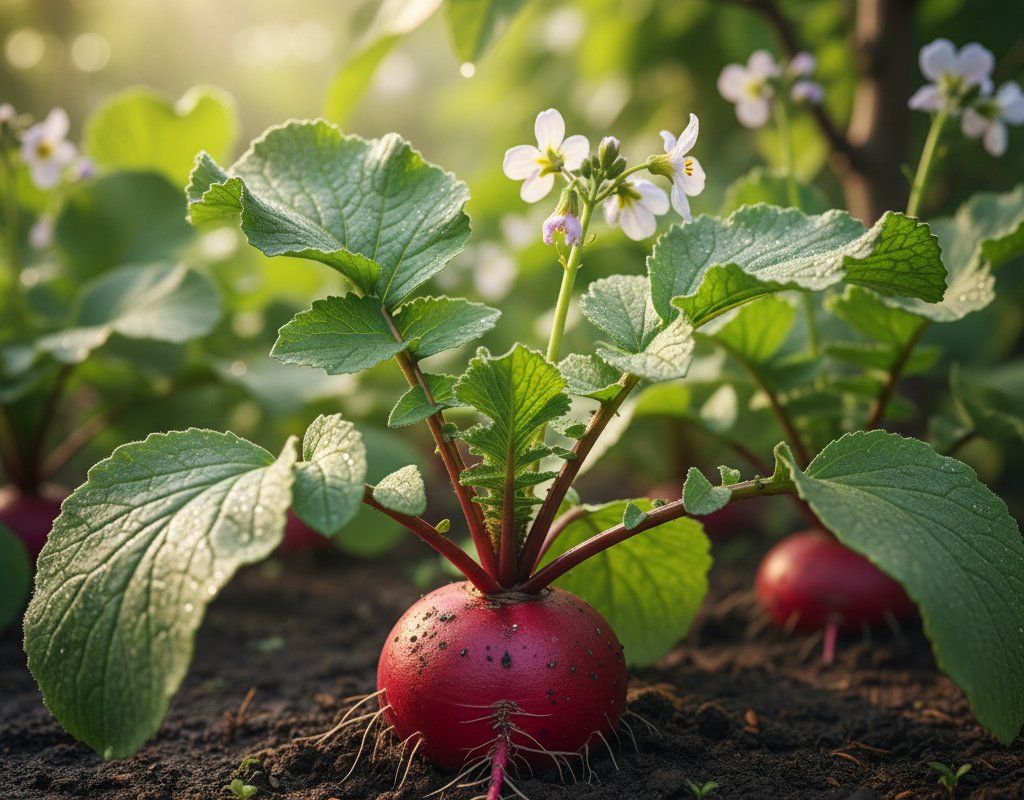
Radish in Zone 6B — Texas
Raphanus sativus · Your Complete 2026 Planting Guide
Still Time to Sow!
The sowing window is still open for Radish.
Sow Seeds Soon
Fast-growing and easy. No reason to start indoors.
How to Plant Radish in Zone 6B — Texas
Here are all your options for getting radish in the ground, from the easiest method to more advanced approaches.
Direct Sow Seeds
RecommendedLate February through early October
around February 25
Consider succession planting every 2-3 weeks for continuous harvest.
Fast-growing and easy. No reason to start indoors.
Buy Starts
Works WellLate February through early April
around February 25
Plant purchased starts after last frost (March 25).
Start Seeds Indoors
ChallengingThis plant is typically not started indoors.
Transplant Outdoors
Timing InfoLate February through early April
around February 25
Can tolerate light frost, but wait for soil to be workable.
You have a nice window — no need to rush.
Fall Planting
Mid September through mid October
September 29 ideal · Direct sow for fall harvest
Plant a second crop in mid-summer for fall harvest. Radish actually prefers the cooling temperatures of fall.
Overview
Radishes are perfect for Texas gardeners who want quick satisfaction and fresh crunch from their gardens. In our 230-day growing season, you can squeeze in multiple radish crops from late winter through fall, and these crisp beauties are ready to harvest in just 25 days. The mild bite of homegrown radishes beats anything you'll find at the store, plus they're incredibly versatile — slice them for salads, roast them like turnips, or pickle them for that perfect tangy crunch.
While our unpredictable weather and brutal summer heat can challenge many crops, radishes are surprisingly forgiving if you time them right. The key is working around the Texas heat by planting early in spring and again in fall, letting these cool-weather lovers do their thing before summer arrives or after it passes.
Transplanting Outdoors
While you can transplant radishes, it's rarely worth the effort since they grow so quickly from seed. If you do choose to transplant, the window is late February through early April, catching those mild spring days before the Texas heat kicks in.
Radish seedlings need a full week of hardening off since our temperature swings can shock tender plants. Space them 2-4 inches apart, giving the roots room to develop without competition.
The main challenge with spring transplants is our unpredictable late freezes that can sneak in through March. Keep row covers handy for those unexpected cold snaps that can damage young plants.
Direct Sowing
Direct sowing is absolutely the way to go with radishes — they're fast, easy, and don't like root disturbance anyway. Your sowing window runs from late February through early October, but avoid those brutal summer months when the Texas heat will make them bolt immediately.
Plant seeds about half an inch deep in loose, well-draining soil. The soil temperature should be at least 40°F, which happens pretty early here in Texas. Space seeds 2-4 inches apart, or plant thickly and thin later — many gardeners prefer this approach since germination can be spotty in our variable spring weather.
For best results, stick to spring plantings from late February through April, then wait for fall plantings from mid-September through mid-October. Summer sowings are possible with careful attention to shade and water, but you'll get much better results with cooler weather crops.
Watering Radish in Zone 6B (Texas)
Radishes need consistent moisture to develop those crisp, mild roots we're after — drought stress turns them woody and fiery hot. In our unpredictable Texas climate, that means staying on top of watering since natural rainfall can swing from drought to flood with little warning.
Aim for about an inch of water per week, but check soil moisture with the finger test — stick your finger 2 inches down, and if it's dry, it's time to water. During spring growth, this might mean watering every 2-3 days, especially when temperatures climb toward 80°F. In fall, you can usually stretch it to twice weekly unless we're in one of our dry spells.
Water at soil level rather than overhead to avoid encouraging fungal problems in our variable humidity. Since radishes are such a quick crop at just 25 days, consistent watering throughout their short life makes a huge difference. Skip the deep, infrequent watering advice — these shallow-rooted crops need steady, moderate moisture.
A thin layer of mulch helps retain moisture during those hot spring days, but keep it light since radish shoulders need to push above the soil surface as they mature.
🧪Fertilizing Radish
Feeding Schedule
Organic Fertilizer Options
Harvest Time
Your first spring radishes will be ready from late March through April, while fall crops mature from mid-October through mid-November. At just 25 days from seed to harvest, you'll see those characteristic shoulders pushing above the soil surface when they're ready.
Pull radishes when they reach about 1 inch in diameter for the best texture and flavor. The tops will be 4-6 inches tall, and you can actually see the radish crown emerging from the soil. Don't wait too long — radishes left in the ground become woody and develop an unpleasant bite, especially in our warming spring weather.
Harvest by gripping the greens close to the root and pulling straight up. The entire plant comes up easily in loose soil. If you're getting resistance, water the area first to soften the soil — our Texas clay can grip pretty tight during dry spells.
As first frost approaches in early November, harvest any remaining fall radishes immediately. Unlike some root vegetables, radishes don't store well in the ground and won't tolerate even light freezes without damage.
Common Problems in Zone 6B (Texas)
Flea Beetles You'll see tiny round holes scattered across the radish leaves, like someone took a BB gun to your crop. These small, dark beetles jump when you disturb the plants and cause the most damage to young seedlings when they're most vulnerable.
Small jumping beetles feed on brassica family plants, and radishes are prime targets. In Texas, they're most active during warm spring days and can devastate young plantings.
Row covers during the first two weeks after emergence provide the best protection. You can also delay planting until plants are larger and less vulnerable, or try kaolin clay as a deterrent. Interplanting with basil seems to help repel them naturally.
Root Maggots Your radish roots develop tunnels and brown, rotted areas, making them inedible. You might also notice the plants looking stunted or yellowing despite adequate water.
Root maggots are the larvae of small flies that lay eggs near brassica plants. Our warm, humid Texas springs create ideal conditions for these pests, especially in areas with organic matter.
Crop rotation is your best defense — avoid planting radishes where you grew other brassicas recently. Row covers prevent adult flies from laying eggs near your plants. Adding beneficial nematodes to the soil can help control larvae populations.
Pithy Roots Your radishes develop a dry, cotton-like texture inside instead of crisp, juicy flesh. They may also taste excessively hot and unpleasant.
This usually happens from drought stress or letting radishes grow too long in warming weather. Our Texas temperature swings and unpredictable rainfall patterns make this common.
Consistent watering prevents most pithiness — check soil moisture daily during warm spells. Harvest promptly when radishes reach maturity rather than leaving them in the ground. Plant varieties suited for your season, avoiding summer plantings when possible.
Texas Specific Challenges Our extreme heat and unpredictable rainfall create unique challenges for radish growing. The key is timing your plantings for cooler weather and maintaining consistent soil moisture despite our wild weather swings. Fire ants can also disturb young seedlings, so watch for mounds near your radish beds.
Best Companions for Radish
Plant these nearby for healthier Radish and better harvests.


Keep Away From
Companion Planting Details
Plant radishes with carrots — the fast-growing radishes break up soil for the slower carrots and are harvested before competition becomes an issue. Lettuce makes an excellent companion since both prefer similar growing conditions and harvest timing in our spring and fall windows. Peas work well planted nearby since they fix nitrogen that benefits radishes and provide some shade during warming spring days.
Cucumbers can work as summer companions if you're brave enough to try summer radishes, providing some natural cooling shade. However, avoid planting near hyssop, which seems to inhibit radish growth. Keep your radish plantings separate from heavy feeders that might compete for the consistent moisture these quick crops need in our Texas heat.
🌸Best Flowers to Plant with Radish
These flowers protect your Radish from pests and attract pollinators for better harvests.



Get a Reminder When It's Time to Plant
We'll email you when key planting windows open for your zone.