
Basil in Zone 3B — Mountain West
Ocimum basilicum · Your Complete 2026 Planting Guide
Planning Ahead — Great!
You’re ahead of the season. Here’s when to start.
Mark Your Calendar
How to Plant Basil in Zone 3B — Mountain West
Here are all your options for getting basil in the ground, from the easiest method to more advanced approaches.
Direct Sow Seeds
RecommendedEarly June through late July
around June 8
Consider succession planting every 2-3 weeks for continuous harvest.
Can direct sow after soil is warm, but indoor start gives earlier harvest.
Start Seeds Indoors
RecommendedMid April through mid May
around April 27
Then transplant: Early June through mid July
Start seeds 6-8 weeks before transplanting outdoors.
Buy Starts
Works WellEarly June through mid July
around June 8
Plant purchased starts after last frost (May 25).
Basil starts are widely available and inexpensive.
Transplant Outdoors
Timing InfoEarly June through mid July
around June 8
Wait until nighttime temperatures stay above 50°F.
You have a nice window — no need to rush.
Overview
Growing basil in our Zone 3B Mountain climate gives you access to intensely flavored herbs that simply can't match what you'll find in stores. Our high altitude and intense sunlight concentrate the essential oils in basil leaves, creating that punch of flavor that transforms everything from summer tomatoes to homemade pesto. The cool nights even in summer help preserve those volatile compounds that make fresh basil so aromatic.
Yes, our short 108-day growing season and late spring start means you'll need to be strategic about timing. But basil is surprisingly adaptable to our Mountain conditions once you get past the frost-tender phase. The key is working with our intense sun and cool nights rather than fighting them.
Starting Seeds Indoors
Starting basil seeds indoors makes sense if you want the earliest possible harvest or prefer specific varieties not available as transplants. Begin your seeds from mid-April through mid-May, about six weeks before you plan to transplant outdoors. Since our spring stays cool late into the season, indoor starting gives you a significant head start.
Set up seed trays in a warm spot with good light — basil needs soil temperatures around 70°F to germinate well. Bottom watering works best to prevent damping-off disease that can strike seedlings. Keep the soil consistently moist but not soggy.
Your seedlings will need protection from our intense UV when you eventually move them outside, so factor in a full week of hardening off. Given how readily available and inexpensive basil starts are at local nurseries, many Mountain gardeners skip this step entirely.
Transplanting Outdoors
Wait until early June through mid-July to transplant your basil outdoors — this timing ensures our soil has warmed sufficiently and the risk of surprise cold snaps has passed. Even a brief dip into the 40s can shock basil severely, so patience pays off here in the mountains.
Harden off your plants gradually over a full week, starting with just an hour of morning sun and building up their tolerance to our intense UV. Space plants 12-18 inches apart to allow good air circulation, which helps prevent fungal issues that can develop when our afternoon thunderstorms create humid pockets.
Plant on a calm day if possible — our mountain winds can stress newly transplanted basil. Choose a spot with morning sun protection during the first few days, then gradually expose them to full sun as they establish.
Direct Sowing
You can direct sow basil from early June through late July, but this method works best for succession planting rather than your main crop. Wait until soil temperatures consistently stay above 60°F — cold soil will cause seeds to rot rather than germinate in our climate.
Prepare a fine seedbed and sow seeds about 1/4 inch deep, spacing them 12-18 inches apart. The advantage of direct sowing is that you avoid transplant shock entirely. The downside is losing 3-4 weeks of growing time in our already short season, and seeds are more vulnerable to our sudden weather changes.
Keep the soil consistently moist during germination — this can be challenging with our low humidity and intense sun. Consider using row covers to create a more stable microclimate until seedlings are established.
Watering Basil in Zone 3B (Mountain West)
Basil needs consistent moisture but never soggy conditions, which can be tricky to manage in our dry Mountain climate. Plan to water deeply twice per week rather than daily light watering — this encourages deeper root growth that helps plants handle our low humidity better.
Use the finger test by pushing down 2 inches into the soil. If it's dry at that depth, it's time to water. In our typical 85°F summer heat with low humidity, established basil plants need about 1-1.5 inches of water per week. Always use room temperature water — basil is extremely sensitive to cold water and will shock easily.
Water at the base of plants rather than overhead to take advantage of our low humidity conditions that naturally discourage fungal diseases. Basil will wilt dramatically when thirsty, often looking dead by afternoon, but recovers quickly once watered. This dramatic wilting is normal and actually helps you gauge watering needs.
A light organic mulch helps retain moisture in our dry air, but keep it a few inches away from the stem base to prevent rot. Pine needles work well since they won't hold excess moisture against the plants.
Pruning & Maintaining Basil
Pinch off flower buds the moment you see them forming — flowering immediately makes basil leaves turn bitter and stops leaf production. Check your plants every few days during peak growing season since buds can appear seemingly overnight in our intense summer sun.
Always harvest from the top of the plant, cutting just above a pair of leaves. This encourages the plant to branch out rather than grow tall and spindly. Take no more than one-third of the plant at any single harvest to keep it productive.
As our first frost approaches in early September, you can harvest more aggressively since the plant won't survive anyway. Consider making a final large harvest for pesto or drying when nighttime temperatures start dipping into the low 40s consistently.
🧪Fertilizing Basil
Feeding Schedule
Organic Fertilizer Options
Harvest Time
Your first harvest typically comes in early July through early September, about 30 days after planting. Look for plants with at least 3-4 sets of true leaves before taking your first cut — this ensures the plant has enough energy stored to keep producing.
Cut individual leaves or small sprigs just above a leaf pair, never tearing or pulling which can damage the stem. The best flavor comes from leaves harvested in the morning after the dew has dried but before the heat of the day sets in. Our intense mountain sun can actually reduce essential oil content if you harvest during peak afternoon heat.
Keep harvesting regularly to encourage continued production — basil that goes unharvested will focus energy on flowers and seeds rather than new leaves. During our peak growing season in July and August, you can harvest small amounts every few days.
Plan your final major harvest before our first frost in early September. Basil turns black instantly with even a light frost, so watch weather forecasts closely as fall approaches. You can extend the season slightly with row covers, but the plant's vigor drops significantly once nighttime temperatures consistently fall below 50°F.
Common Problems in Zone 3B (Mountain West)
Downy Mildew Look for yellow patches on leaf tops with fuzzy gray-purple growth on the undersides, typically starting with lower leaves. Our occasional summer thunderstorms can create the humid conditions this pathogen loves, even though our overall humidity stays low. Remove affected leaves immediately and improve air circulation between plants. Water at the base only, never overhead, and avoid working around wet plants.
Fusarium Wilt This shows up as wilting on one side of the plant first, often accompanied by yellow leaves and brown streaks visible when you cut the stem open. Our alkaline soil conditions can sometimes stress plants enough to make them more susceptible to this soil-borne fungus. There's no cure once infection occurs — remove the entire plant immediately. Plant resistant varieties marked with 'F' on seed packets and avoid planting basil in the same spot year after year.
Aphids Clusters of tiny green, black, or white soft-bodied insects appear on stems and leaf undersides, often leaving sticky honeydew residue. Our intense sun and occasional heat stress can make plants more attractive to these pests. A strong spray from the hose knocks them off effectively — our low humidity means plants dry quickly afterward. Encourage beneficial insects like ladybugs, or use insecticidal soap for heavy infestations.
Mountain West Specific Challenges Our combination of intense UV and cool nights can stress basil if plants aren't properly hardened off. The dramatic temperature swings between day and night require gradual acclimatization. Hail can shred tender basil leaves in minutes, so consider having row covers ready during storm season. Our alkaline soil may need amendments with compost or sulfur to achieve the slightly acidic conditions basil prefers.
Best Companions for Basil
Plant these nearby for healthier Basil and better harvests.
Keep Away From
Companion Planting Details
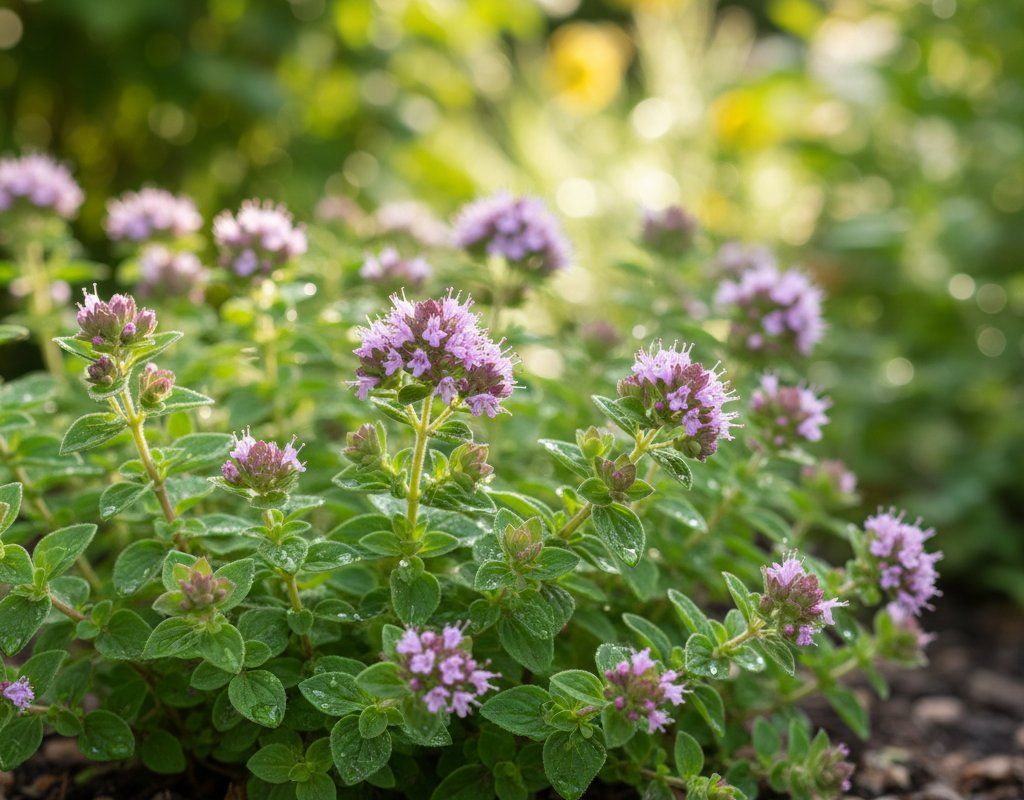
Plant basil near tomatoes and peppers — they share similar heat and water requirements, and basil may help deter some insect pests that target these nightshade crops. The aromatic compounds in basil also seem to enhance tomato flavor when grown nearby. Oregano makes another good companion since both herbs appreciate our intense sun and well-draining soil conditions.
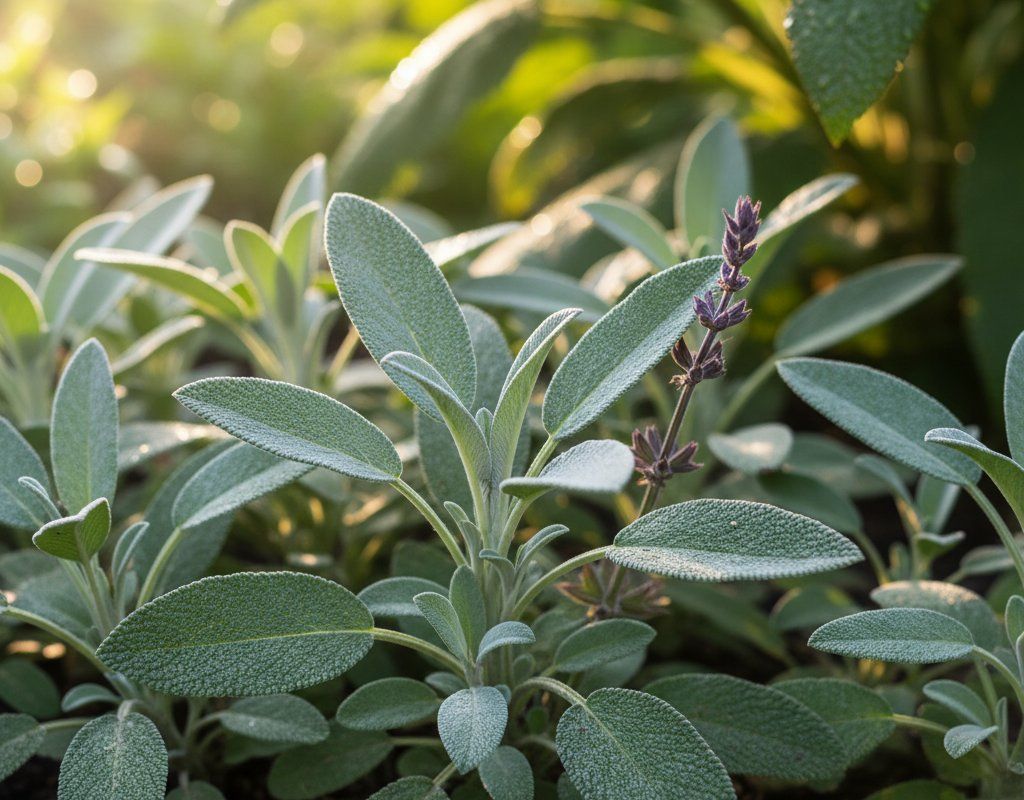
Avoid planting basil near sage or rue, which can inhibit basil's growth through allelopathic compounds. In our short growing season, you want every advantage for your heat-loving herbs, so skip companions that might compete or interfere with basil's already limited growing time.
🌸Best Flowers to Plant with Basil
These flowers protect your Basil from pests and attract pollinators for better harvests.
For Pest Control




Get a Reminder When It's Time to Plant
We'll email you when key planting windows open for your zone.