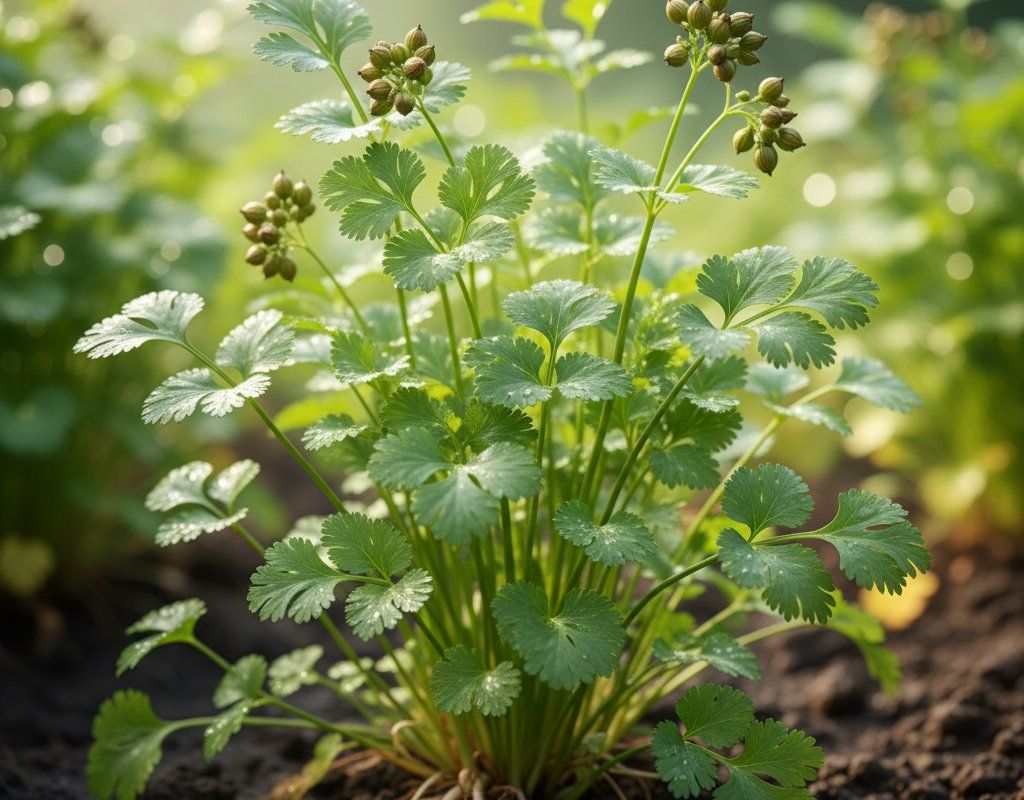
Cilantro in Zone 3B — Mountain West
Coriandrum sativum · Your Complete 2026 Planting Guide
Planning Ahead — Great!
You’re ahead of the season. Here’s when to start.
Mark Your Calendar
How to Plant Cilantro in Zone 3B — Mountain West
Here are all your options for getting cilantro in the ground, from the easiest method to more advanced approaches.
Direct Sow Seeds
RecommendedMid May through mid July
around May 11
Consider succession planting every 2-3 weeks for continuous harvest.
Cilantro bolts quickly in heat. Direct sow in cool weather for best results.
Start Seeds Indoors
RecommendedMid April through mid May
around April 27
Then transplant: Late May through early July
Start seeds 4-6 weeks before transplanting outdoors.
Buy Starts
Works WellLate May through early July
around May 25
Plant purchased starts after last frost (May 25).
Transplant Outdoors
Timing InfoLate May through early July
around May 25
Can tolerate light frost, but wait for soil to be workable.
You have a nice window — no need to rush.
Fall Planting
Mid July through mid August
July 30 ideal · Direct sow for fall harvest
Plant a second crop in mid-summer for fall harvest. Cilantro actually prefers the cooling temperatures of fall.
Overview
Cilantro thrives in our Mountain West climate, where cool nights and intense sun create ideal conditions for this fast-growing herb. The moderate summer temperatures at altitude prevent the rapid bolting that plagues gardeners in hotter regions, while our intense UV light concentrates the essential oils that give cilantro its distinctive flavor. You can succession plant throughout the summer for continuous harvests of fresh leaves.
Our short 108-day growing season and late spring start might seem challenging for cilantro, but this herb actually benefits from our climate constraints. The key is timing your plantings to avoid the hottest part of summer and taking advantage of our naturally cool nights that keep plants from bolting too quickly.
Starting Seeds Indoors
Starting cilantro indoors gives you a head start in our late Mountain spring, though direct sowing often works just as well. Start seeds from mid-April through mid-May, about 4 weeks before you plan to transplant outdoors. Use seed starting trays with good drainage and keep them at 60-70°F for best germination.
Place trays under grow lights or in a sunny south-facing window, and use bottom watering to keep soil consistently moist without disturbing the delicate seedlings. Cilantro seedlings develop quickly once they germinate, usually within 7-10 days.
Since cilantro doesn't love root disturbance, consider using biodegradable pots that can go directly into the ground. This method works well when you want earlier harvests or need to start plants during our unpredictable late spring weather.
Transplanting Outdoors
Transplant your indoor-started cilantro from late May through early July, after the risk of hard frost has passed. Harden off seedlings gradually over a week by placing them outside for increasing periods, starting with just an hour or two in filtered light.
Space transplants 6-8 inches apart to allow good air circulation in our low-humidity climate. Choose a location with morning sun and afternoon shade during the hottest part of summer - our intense UV can stress young plants if they get full sun all day.
Plant on a calm day if possible, as our Mountain winds can quickly dry out newly transplanted seedlings. Water thoroughly after planting and consider using row cover for the first week if temperatures are still swinging wildly between day and night.
Direct Sowing
Direct sowing works beautifully for cilantro in our Mountain climate, especially from mid-May through mid-July when soil temperatures are consistently above 50°F. This method avoids transplant shock and often produces more robust plants that establish quickly in our alkaline soils.
Prepare your planting area by working compost into the soil to improve drainage and add organic matter. Plant seeds ¼ inch deep and space them 6-8 inches apart, or sow more densely and thin later. Keep the soil consistently moist until germination, which typically takes 10-14 days in our cooler spring conditions.
The main advantage of direct sowing is that cilantro bolts quickly when stressed, and transplanting can trigger this response. Direct-sown plants tend to stay in their leafy growth phase longer, giving you more harvests before they send up flower stalks.
Watering Cilantro in Zone 3B (Mountain West)
Cilantro needs consistent moisture to prevent bolting, which becomes especially important in our low-humidity Mountain climate where plants lose water quickly through transpiration. Aim for about 1 inch of water per week, checking soil moisture by sticking your finger 2 inches deep - it should feel like a wrung-out sponge.
Water at soil level rather than overhead to conserve moisture in our dry air and prevent leaf diseases. During our brief but intense summer heat spells, you may need to water every other day, especially for plants in full sun. Morning watering works best, giving plants time to absorb moisture before our intense afternoon sun hits.
Watch for signs of drought stress like wilting or premature flowering - once cilantro decides to bolt, there's no stopping it. Overwatering is less common here than in humid climates, but poorly draining soil can cause root rot, especially during cool spring weather when plants aren't actively growing.
Apply a thin layer of organic mulch around plants to conserve soil moisture and moderate temperature swings. In our windy conditions, choose heavier mulch like shredded leaves or bark rather than straw that might blow away.
🧪Fertilizing Cilantro
Feeding Schedule
Organic Fertilizer Options
Harvest Time
Your first cilantro harvest typically comes in late June through mid-September, about 45 days after planting. Start harvesting when plants reach 6 inches tall by cutting outer stems at the base, leaving the center growing point intact for continued production.
Harvest regularly to encourage new growth and delay bolting - take what you need every few days rather than waiting for one big harvest. Cut stems in the morning when essential oils are most concentrated, and always use clean, sharp scissors to avoid damaging the plant.
Once flower stalks appear, leaf production slows and flavor becomes more intense and sometimes bitter. You can pinch off early flower buds to extend the harvest period, but eventually the plant will commit to seed production. This is actually beneficial - let some plants go to seed for fresh coriander spice and to attract beneficial insects.
Plan your final harvests before our first frost in early September. Unlike some herbs, cilantro won't survive even light frost, so harvest heavily when temperatures start dropping consistently into the 30s at night. The leaves freeze well for winter use in cooked dishes.
Common Problems in Zone 3B (Mountain West)
Bolting Your cilantro sends up tall flower stalks prematurely, and the leaves become bitter or tough as the plant shifts energy to seed production. This happens when plants experience heat stress, long daylight hours, or inconsistent watering - all triggers that can occur during our intense summer sun and low humidity conditions.
Prevent bolting by succession planting every 2-3 weeks, choosing bolt-resistant varieties like 'Slow Bolt' or 'Long Standing', and providing afternoon shade during the hottest weeks. Keep soil consistently moist and consider planting in slightly alkaline areas of your garden where cilantro seems more content.
Aphids Small clusters of green, black, or white soft-bodied insects appear on stem tips and leaf undersides, often accompanied by sticky honeydew and distorted new growth. Our dry Mountain air actually helps control aphid populations compared to humid regions, but they can still explode during warm spells, especially on stressed plants.
Blast aphids off with a strong spray from your hose in the morning, allowing plants to dry before evening. Encourage beneficial insects like ladybugs and lacewings by planting diverse flowering plants nearby. For severe infestations, use insecticidal soap, but avoid overuse as it can stress plants in our intense UV conditions.
Leaf Spot Brown or black spots appear on leaves, often with yellow halos, and may spread rapidly in cool, wet conditions. While our low humidity generally prevents many fungal diseases, leaf spot can develop during extended cool, damp periods in spring or fall, especially with overhead watering.
Water at soil level and ensure good air circulation by proper spacing. Remove affected leaves immediately and avoid working in the garden when plants are wet. In our alkaline soils, ensure adequate drainage as waterlogged conditions promote fungal development.
Mountain West Specific Challenges Our intense UV radiation can stress cilantro plants, making them more susceptible to all these problems. The combination of hot, sunny days and cool nights creates daily stress cycles that can trigger premature bolting. Combat this by providing afternoon shade and maintaining consistent soil moisture despite our low humidity and frequent winds that dry out plants quickly.
Best Companions for Cilantro
Plant these nearby for healthier Cilantro and better harvests.

Keep Away From

Companion Planting Details
Cilantro makes an excellent companion for tomatoes and peppers in our Mountain gardens, as it naturally repels aphids and other pests while its shallow roots don't compete for deep soil nutrients. The herb's quick growth and early harvest also make efficient use of space between slower-growing warm-season crops. Plant cilantro near your bean rows where it can benefit from the nitrogen fixation while providing ground cover that helps retain soil moisture in our dry climate.
Spinach pairs beautifully with cilantro for succession planting - as your spring spinach bolts in the summer heat, cilantro takes over the same space and thrives in slightly warmer conditions. Avoid planting cilantro near fennel, as these two herbs can cross-pollinate and create off-flavored plants, and fennel's allelopathic properties may inhibit cilantro's growth in our already challenging alkaline soils.
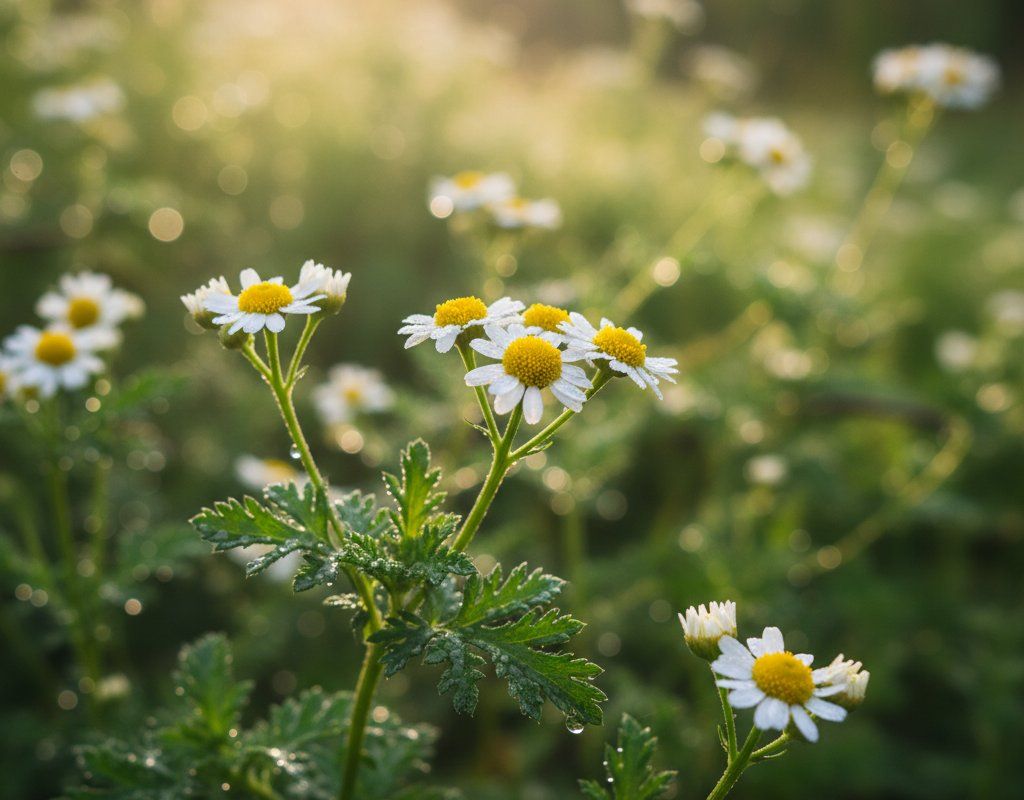
🌸Best Flowers to Plant with Cilantro
These flowers protect your Cilantro from pests and attract pollinators for better harvests.



Get a Reminder When It's Time to Plant
We'll email you when key planting windows open for your zone.