
Basil in Zone 7B — Mid-Atlantic
Ocimum basilicum · Your Complete 2026 Planting Guide
Last Call for Seed Starting!
Indoor seed starting window closes in 14 days.
Start Seeds This Week
Start seeds now for transplanting later.
Or Wait for Starts
If you don’t want to start seeds, starts will be available around April 15.
How to Plant Basil in Zone 7B — Mid-Atlantic
Here are all your options for getting basil in the ground, from the easiest method to more advanced approaches.
Direct Sow Seeds
RecommendedMid April through mid September
around April 15
Consider succession planting every 2-3 weeks for continuous harvest.
Can direct sow after soil is warm, but indoor start gives earlier harvest.
Start Seeds Indoors
RecommendedLate February through mid March
around March 4
Then transplant: Mid April through late May
Start seeds 6-8 weeks before transplanting outdoors.
Buy Starts
Works WellMid April through late May
around April 15
Plant purchased starts after last frost (April 1).
Basil starts are widely available and inexpensive.
Transplant Outdoors
Timing InfoMid April through late May
around April 15
Wait until nighttime temperatures stay above 50°F.
You have a nice window — no need to rush.
Overview
Growing basil in the Mid-Atlantic gives you the best of both worlds — our humid summers create lush, aromatic leaves while our long growing season (214 days!) lets you harvest continuously from late spring through fall. Nothing beats the flavor of fresh basil picked from your own garden, whether you're making pesto from sweet basil or adding Thai basil to stir-fries. The reliable rainfall and warm nights in our region help basil thrive once established.
Yes, our humidity can create some challenges like downy mildew, and you'll need to watch for late frost in April. But with proper timing and spacing for air circulation, basil becomes one of the most rewarding herbs you can grow here. Start seeds indoors in late February or direct sow once the soil warms in mid-April — you'll be harvesting by Memorial Day.
Starting Seeds Indoors
Starting basil seeds indoors makes sense if you want an early harvest or plan to grow specialty varieties not available as transplants. Sow seeds in seed trays from late February through mid-March, about 6 weeks before your last expected frost. Basil seeds need warmth to germinate — keep them at 70-75°F using a heat mat if necessary.
Bottom watering works best for basil seedlings since they're prone to damping-off disease when water sits on their leaves. Place your seed trays in shallow pans of water and let the soil absorb moisture from below. Once seedlings develop their first true leaves, you can start watering from above but aim for the soil, not the foliage.
With our moderate spring weather patterns, indoor-started basil gives you flexibility. You can wait out those surprise cold snaps in April while your plants grow strong on a sunny windowsill or under grow lights. Just remember to harden them off gradually before transplanting outdoors.
Transplanting Outdoors
Transplant your indoor-started basil outdoors from mid-April through late May, once nighttime temperatures stay consistently above 50°F. Our variable spring weather means you might need to protect plants with row covers if temperatures dip unexpectedly — basil is extremely cold-sensitive and even a light frost will kill it.
Harden off seedlings gradually over a week by placing them outside for a few hours each day, bringing them in at night. Space transplants 12-18 inches apart to ensure good air circulation — critical in our humid climate to prevent fungal diseases. Choose a spot that gets full sun (6-8 hours daily) with well-draining soil.
Since basil transplants are widely available and inexpensive at local garden centers, many Mid-Atlantic gardeners skip the indoor starting process entirely. You'll find good selections at nurseries from late April through May, and the plants establish quickly in our warming soil.
Direct Sowing
Direct sowing basil works well in the Mid-Atlantic once soil temperatures reach at least 60°F, typically from mid-April through mid-September. You can plant successive crops every 2-3 weeks through summer for continuous harvest. The main advantage is avoiding transplant shock, but the trade-off is a later first harvest compared to indoor-started plants.
Prepare your planting area by working compost into the soil — basil thrives in rich, well-draining soil. If you have heavy clay (common in our region), add coarse sand or perlite to improve drainage. Sow seeds about ¼ inch deep and keep the soil consistently moist until germination, which takes 5-10 days in warm weather.
Space plants 12-18 inches apart once they're established. Direct-sown basil often grows stronger root systems than transplants, making them more drought-tolerant once mature. However, you'll need to be patient — direct-sown plants typically take an extra 2-3 weeks to reach harvest size compared to transplanted seedlings.
Watering Basil in Zone 7B (Mid-Atlantic)
Basil needs consistent moisture but absolutely hates waterlogged soil — a tricky balance in our Mid-Atlantic climate with its 40-50 inches of annual rainfall. During our humid summers, you'll often get natural irrigation from afternoon thunderstorms, but you'll still need to supplement during dry spells. Check soil moisture by sticking your finger 2 inches deep; water when the top inch feels dry but the soil below is still slightly moist.
Provide about 1 inch of water per week total, including rainfall. Water deeply but less frequently to encourage strong root development. Always water at the base of plants rather than overhead — our humid conditions make basil extremely prone to fungal diseases when water sits on leaves. Use room-temperature water if possible; cold water can shock basil and cause wilting even when soil moisture is adequate.
Basil wilts dramatically when thirsty, looking like it's dying within hours. Don't panic — it recovers quickly once watered. However, repeated stress from drought will make leaves smaller and less flavorful. During our typical summer heat (highs around 88°F), container-grown basil may need daily watering, while garden plants usually need water every 2-3 days.
Apply 2-3 inches of organic mulch around plants to retain moisture and prevent soil from splashing onto leaves during our frequent summer storms. Avoid mulching right up to the stem — leave a 2-inch gap for air circulation in our humid climate.
Pruning & Maintaining Basil
Pinch off flower buds immediately when they appear — flowering makes basil leaves bitter and signals the plant to stop producing tender new growth. Look for small spikes forming at the center of stem tips, and pinch them off with your fingernails or scissors. This simple step keeps your plants productive through our long growing season.
Harvest from the top down by cutting just above a pair of leaves. This encourages the plant to branch out and become bushier rather than tall and spindly. Never harvest more than one-third of the plant at once — take what you need and let it regrow. Regular harvesting actually makes basil more productive.
As our first frost approaches in early November, basil plants will start declining naturally. You can take a final large harvest to preserve as pesto or dried herbs, but don't expect the plants to survive any frost. Consider potting up a small plant in late September to bring indoors for winter use.
🧪Fertilizing Basil
Feeding Schedule
Organic Fertilizer Options
Harvest Time
Expect your first harvest from mid-May through early November, depending on when you planted. Indoor-started plants transplanted in mid-April often provide the first tender leaves by Memorial Day, while direct-sown basil typically needs until mid-June to reach harvestable size. Plants are ready when they have 3-4 sets of true leaves and stand about 4-6 inches tall.
Cut stems just above a pair of leaves to encourage branching — never just pluck individual leaves. The plant will send out two new stems from that cut point, doubling your future harvest potential. Take what you need for immediate use in the morning after dew dries but before the day gets hot; this is when oils are most concentrated and flavor is strongest.
Basil produces continuously until frost if you keep harvesting regularly. A mature plant can provide fresh leaves 2-3 times per week during peak summer growing conditions. The more you cut, the more it grows — neglected plants become tall and woody with fewer tender leaves.
As our growing season winds down in October, basil quality declines as plants sense approaching frost. Make large harvests in early fall to preserve as pesto, dried herbs, or frozen in ice cubes. Even a light frost (around early November here) will kill basil instantly, so watch weather forecasts closely.
Common Problems in Zone 7B (Mid-Atlantic)
Downy mildew appears as yellow patches on leaf tops with fuzzy gray-purple growth on the undersides. Leaves turn brown and die from the bottom up, often killing entire plants. Our humid summers create perfect conditions for this disease, especially when plants don't have good air circulation. Remove affected leaves immediately and improve airflow by spacing plants properly. Water only at the base, never overhead, and consider copper-based fungicides for prevention. Some varieties like 'Rutgers Devotion DMR' show resistance.
Fusarium wilt causes plants to wilt on one side first, then spread to the whole plant. You'll see yellow leaves starting on one side and brown streaks inside the stem when cut open. This soil-borne fungus thrives in our warm, moist soil conditions and can persist for years. There's no cure once plants are infected — remove and destroy them immediately. Plant resistant varieties (look for 'F' on seed packets), rotate crops on a 4-year cycle, and improve soil drainage in clay areas.
Aphids appear as clusters of tiny green, black, or white insects on stems and leaf undersides. They leave sticky honeydew and cause new growth to curl and distort. Our warm, humid summers can trigger population explosions, especially on tender new growth. Blast them off with a strong water spray, encourage beneficial insects like ladybugs, or use insecticidal soap for heavy infestations. Avoid over-fertilizing with nitrogen, which creates the tender growth aphids love.
Mid-Atlantic specific challenges include managing humidity-related fungal diseases and dealing with deer pressure on basil plants. Our clay soil can create drainage problems, so amend with compost and consider raised beds. Japanese beetles occasionally chew holes in basil leaves but rarely cause serious damage to established plants.
Best Companions for Basil
Plant these nearby for healthier Basil and better harvests.
Keep Away From
Companion Planting Details
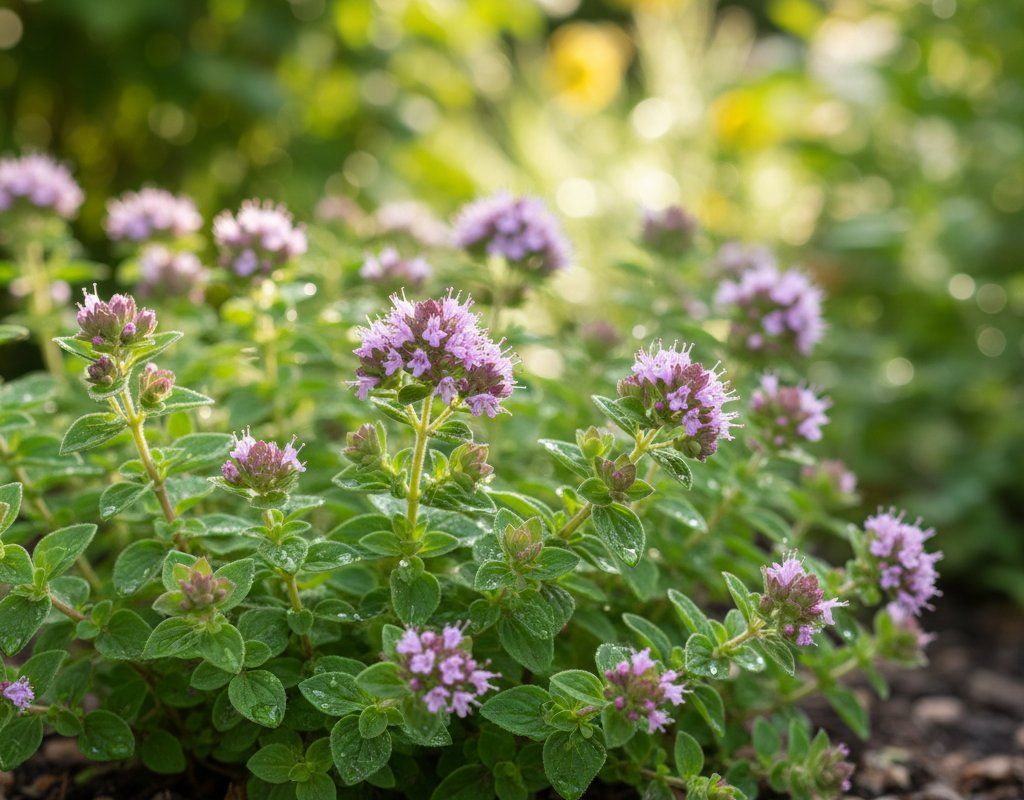
Plant basil near tomatoes and peppers for mutual benefits — basil's strong scent may help repel pests that target these crops, while the similar watering and sun requirements make maintenance easier. Oregano makes an excellent neighbor since both herbs prefer well-draining soil and benefit from the same harvesting schedule. The combination also creates a mini herb garden that's convenient for cooking.
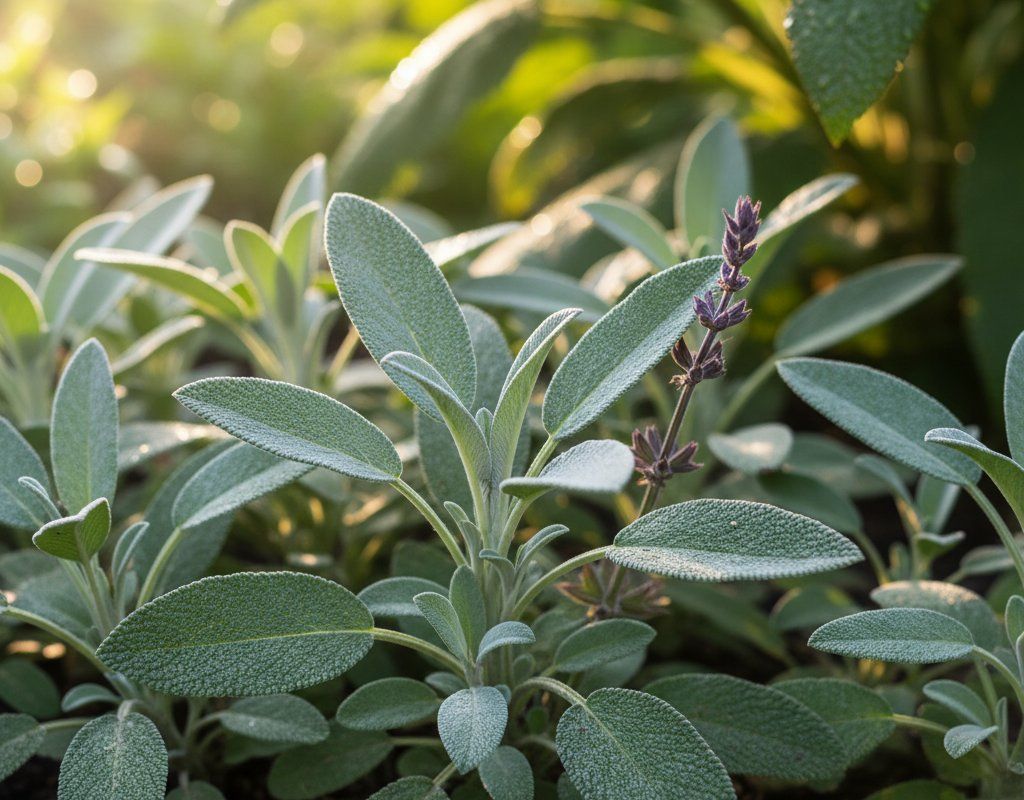
Avoid planting basil near sage or rue, which can inhibit basil's growth through natural chemical compounds they release. These perennial herbs also prefer drier conditions than basil needs, making watering schedules incompatible. In our humid Mid-Atlantic climate, focus on companions that appreciate good air circulation and regular moisture like basil does.
🌸Best Flowers to Plant with Basil
These flowers protect your Basil from pests and attract pollinators for better harvests.
For Pest Control




Get a Reminder When It's Time to Plant
We'll email you when key planting windows open for your zone.