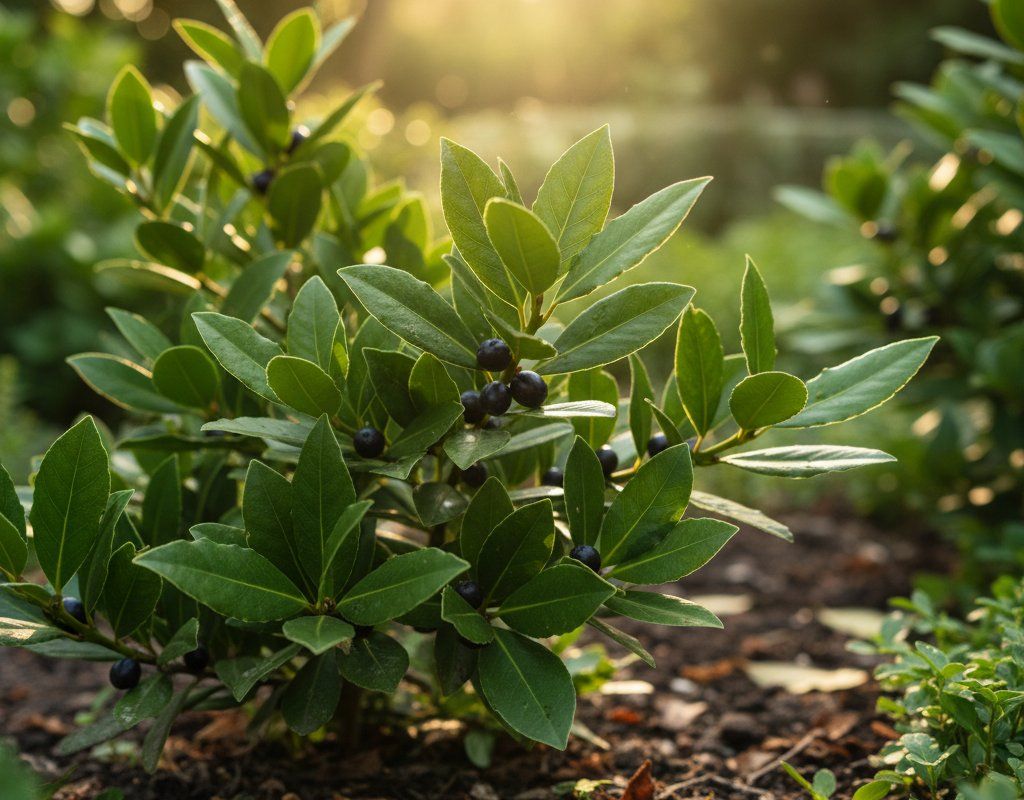
Bay Laurel in Zone 3B — Mountain West
Laurus nobilis · Your Complete 2026 Planting Guide
Too Late for Bay Laurel
Not enough growing season left (need 379 days, only 190 remain)
📊 See the math
How to Plant Bay Laurel in Zone 3B — Mountain West
Here are all your options for getting bay laurel in the ground, from the easiest method to more advanced approaches.
Buy Starts
RecommendedEarly to mid June
around June 8
Plant purchased starts after last frost (May 25).
Extremely slow from seed (years to reach usable size). Buy established plants.
Start Seeds Indoors
Works WellEarly to late March
around March 16
Then transplant: Early to mid June
Start seeds 12-14 weeks before transplanting outdoors.
Direct Sow Seeds
ChallengingDirect sowing is not typical for Bay Laurel.
Transplant Outdoors
Timing InfoEarly to mid June
around June 8
Can tolerate light frost, but wait for soil to be workable.
Timing is critical in your zone — don’t delay!
Overview
Bay Laurel, with its aromatic leaves, brings a taste of the Mediterranean to your high-altitude garden. The leaves add depth to soups and stews, and the satisfaction of harvesting your own herbs, despite our short season, is unmatched. Plus, the intense sunlight here seems to concentrate the flavors.
Growing Bay Laurel in our Zone 3B Mountain climate presents some challenges, primarily due to our short 108-day growing season and cool nights. But by starting plants indoors and carefully managing their environment, you can enjoy fresh bay leaves from your garden.
Starting Seeds Indoors
Starting Bay Laurel from seed indoors is possible, but it's not the most common approach in our region due to the very slow growth. If you're up for the challenge, begin in early to late March, about 12 weeks before transplanting outdoors. Use seed trays with a good seed-starting mix, providing warmth (around 70°F) and plenty of light.
Bottom watering is key to prevent damping-off, a common issue with seedlings. Place the tray in a shallow dish of water and let the soil absorb moisture from the bottom. Remember, spring in the Mountain West often has temperature swings, so keep a close eye on your seedlings and adjust conditions as needed.
Starting with an established plant from a local nursery is often a more practical choice for our short season. You’ll get to harvesting sooner.
Transplanting Outdoors
Transplant your Bay Laurel outdoors in early to mid June, once the risk of frost has passed. Before planting, harden off your seedlings by gradually exposing them to outdoor conditions for about a week. This helps them adjust to the intense sun and cooler nights.
Space plants 48-96 inches apart to allow for their mature size. Keep in mind that even in June, we can still experience unexpected cold snaps or even hail, so be prepared to cover your young plants if necessary. Given how slow Bay Laurel is to establish from seed, most of us here just buy established plants.
Watering Bay Laurel in Zone 3B (Mountain West)
Watering Bay Laurel in our dry Mountain West climate requires a balanced approach. While they are drought-tolerant once established, young plants and those in containers need consistent moisture. During the peak of summer, when temperatures are moderate-at-altitude, aim for about 1 inch of water per week, delivered in one or two deep soakings.
Use the "finger test" to determine if your plant needs water: stick your finger about 2 inches deep into the soil. If it feels dry, it's time to water. Water at the base of the plant to avoid wetting the foliage, which can encourage fungal diseases in more humid climates, though that’s not as much of a concern here.
Signs of underwatering include wilting leaves and slow growth. Overwatering, on the other hand, can lead to root rot, indicated by yellowing leaves and a generally unhealthy appearance. Mulching around the base of the plant with organic matter helps retain moisture and regulate soil temperature, which is especially beneficial given our intense sun.
Pruning & Maintaining Bay Laurel
Pruning Bay Laurel is generally minimal, mainly to maintain the shape and size of the plant. You can prune your Bay Laurel in the spring to encourage bushier growth. Remove any dead, damaged, or crossing branches.
Avoid heavy pruning in the late fall, as new growth may not have time to harden off before the first frost in early September. Shaping can be done at any time, but spring is ideal.
🧪Fertilizing Bay Laurel
Feeding Schedule
Organic Fertilizer Options
Harvest Time
You can expect your first harvest of Bay Laurel leaves from early June through late September, depending on the size of your plant. Look for mature, dark green leaves, as these have the strongest flavor. You can harvest individual leaves at any time as needed.
To harvest, simply snip off the desired leaves with clean pruning shears. Avoid stripping the plant bare, as this can weaken it. For continuous production, harvest regularly throughout the growing season.
As the first frost approaches in early September, harvest any remaining mature leaves to dry for later use. Simply hang them upside down in a cool, dry place until they are brittle.
Common Problems in Zone 3B (Mountain West)
Here are some common problems you might encounter with Bay Laurel in our region:
Scale Insects
- What it looks like: Small, raised bumps on the leaves and stems. They can be brown, white, or black.
- What causes it: Scale insects suck sap from the plant, weakening it. They thrive in sheltered environments.
- How to fix/prevent it: Inspect your plants regularly. For small infestations, wipe them off with a cotton swab dipped in rubbing alcohol. For larger infestations, use horticultural oil, following label instructions.
Cold Damage
- What it looks like: Brown or black leaves, especially on the tips and edges. In severe cases, the entire plant may die back.
- What causes it: Bay Laurel is only semi-hardy and can be damaged by temperatures below its tolerance.
- How to fix/prevent it: Protect your plant from frost by covering it with burlap or moving it indoors during cold snaps. Container plants are easier to move.
Slow Growth
- What it looks like: Limited new growth, small leaves, and a generally stunted appearance.
- What causes it: Bay Laurel is naturally a slow grower, but poor soil, inadequate sunlight, or insufficient water can exacerbate the issue.
- How to fix/prevent it: Ensure your plant is in well-draining soil and receives adequate sunlight (at least 6 hours per day). Fertilize in the spring with a balanced fertilizer.
Mountain West Specific Challenges: Our moderate-at-altitude heat and low humidity can actually be beneficial for Bay Laurel, as they reduce the risk of fungal diseases. However, our alkaline soil can be a problem, so amend your soil with compost to improve drainage and lower the pH. The intense UV can also stress young plants, so provide some afternoon shade.
Best Companions for Bay Laurel
Plant these nearby for healthier Bay Laurel and better harvests.
View Full Companion Planting Chart →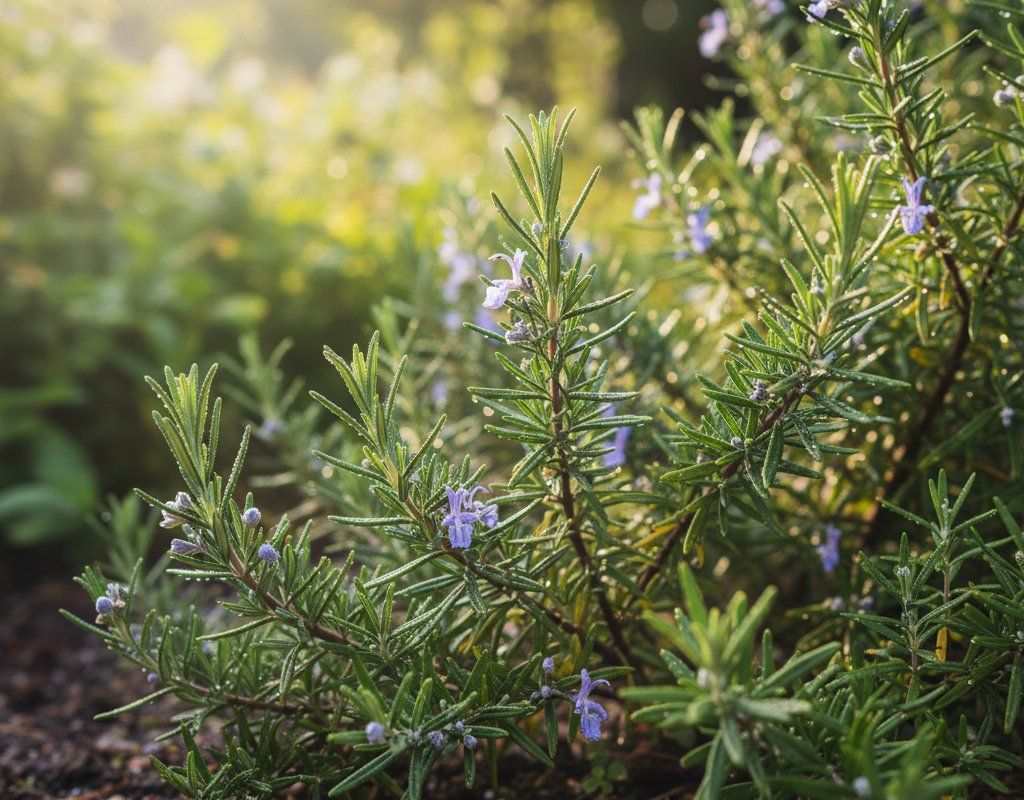
Companion Planting Details
Good companions for Bay Laurel in the Mountain West include:
- Green Beans: Beans fix nitrogen in the soil, which can benefit Bay Laurel, especially in our often nutrient-poor alkaline soils.
- Rosemary: Rosemary shares similar growing conditions with Bay Laurel (full sun, well-drained soil) and can help deter pests.
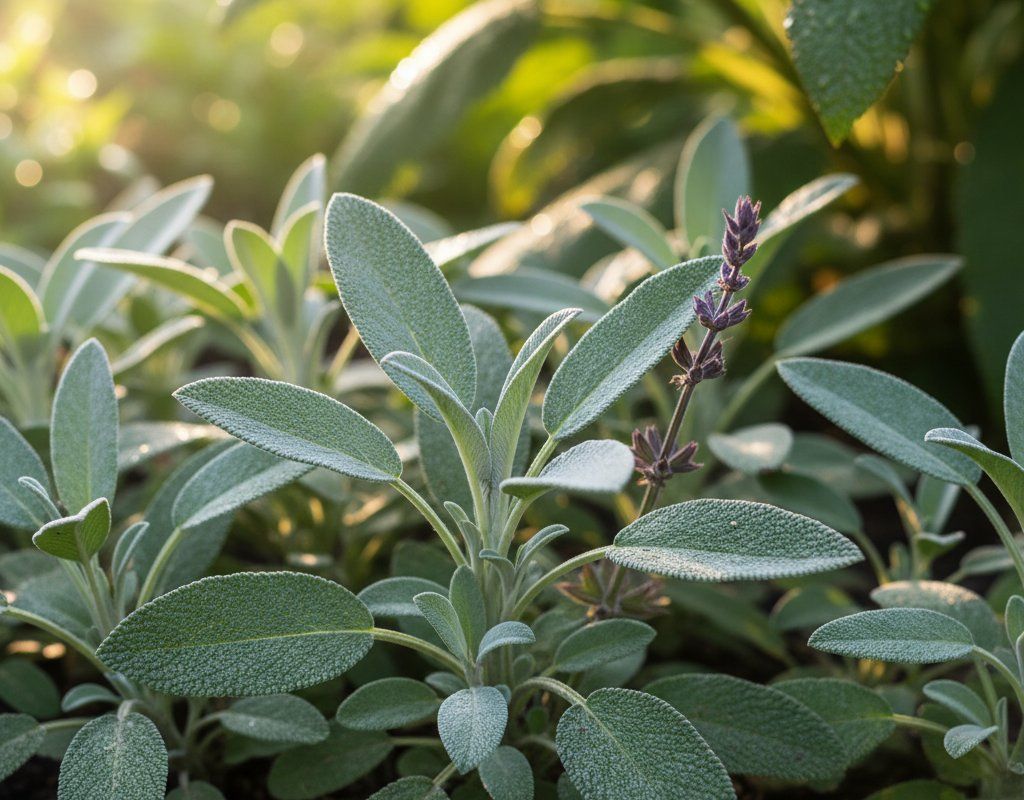
- Sage: Sage is also drought-tolerant and helps repel insects.
Avoid planting Bay Laurel near plants that require consistently moist soil, as this can lead to overwatering and root rot.
🌸Best Flowers to Plant with Bay Laurel
These flowers protect your Bay Laurel from pests and attract pollinators for better harvests.
For Pest Control
For Pollinators
Get a Reminder When It's Time to Plant
We'll email you when key planting windows open for your zone.