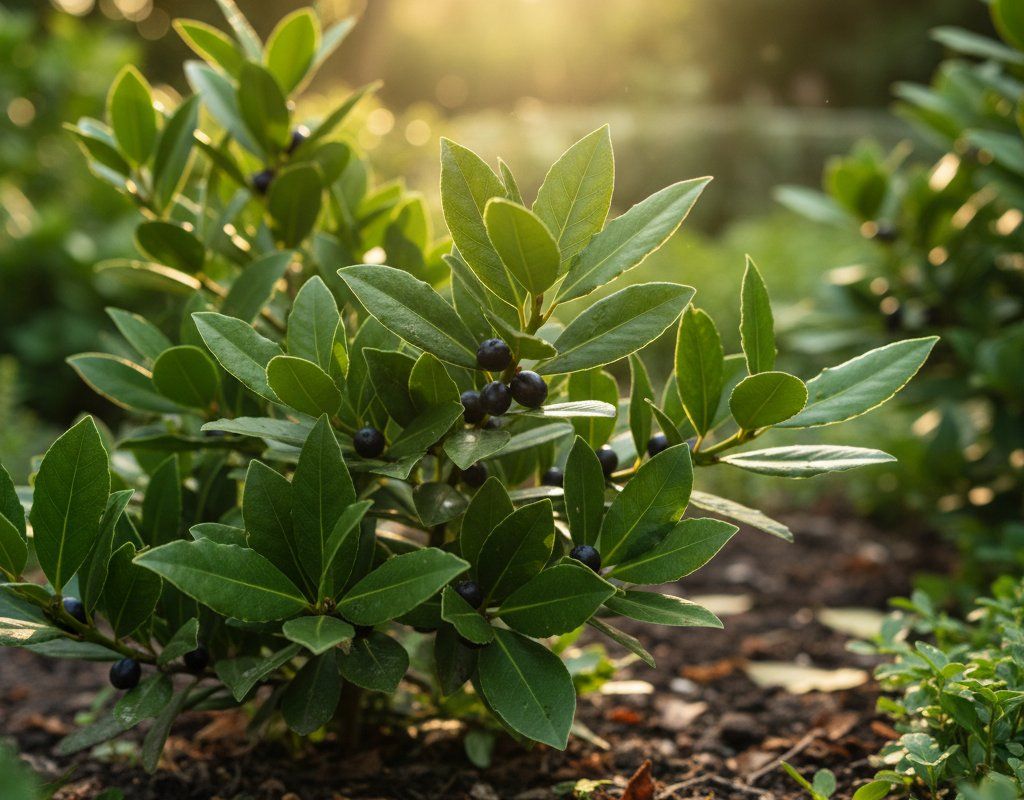
Bay Laurel in Zone 4A — Northeast
Laurus nobilis · Your Complete 2026 Planting Guide
Too Late for Bay Laurel
Not enough growing season left (need 379 days, only 200 remain)
📊 See the math
How to Plant Bay Laurel in Zone 4A — Northeast
Here are all your options for getting bay laurel in the ground, from the easiest method to more advanced approaches.
Buy Starts
RecommendedLate May through early June
around May 29
Plant purchased starts after last frost (May 15).
Extremely slow from seed (years to reach usable size). Buy established plants.
Start Seeds Indoors
Works WellLate February through mid March
around March 6
Then transplant: Late May through early June
Start seeds 12-14 weeks before transplanting outdoors.
Direct Sow Seeds
ChallengingDirect sowing is not typical for Bay Laurel.
Transplant Outdoors
Timing InfoLate May through early June
around May 29
Can tolerate light frost, but wait for soil to be workable.
Timing is critical in your zone — don’t delay!
Overview
Bay Laurel, also known as Bay Leaf, is a rewarding addition to your Northeast garden. Its aromatic leaves add a distinct flavor to soups, stews, and sauces, making it a culinary staple. Plus, there's nothing quite like the satisfaction of using homegrown herbs, especially with the cool nights improving flavor.
We face the challenge of a short growing season here in Zone 4A, and Bay Laurel isn't the fastest grower. However, by starting smart and paying attention to timing, you can absolutely enjoy fresh bay leaves from your garden. Our 128-day growing season requires us to be strategic.
Starting Seeds Indoors
Starting Bay Laurel from seed indoors is possible, but it requires patience. Since our spring comes late, you'll want to sow seeds indoors from late February through mid March, about 12 weeks before you plan to transplant. This gives them a head start.
Use seed trays with a good seed-starting mix, and provide consistent warmth (around 70-75°F) and bright light. Bottom watering is ideal to prevent damping off; simply place the tray in a shallow dish of water and let the soil absorb the moisture. Keep in mind that even with a head start, Bay Laurel is extremely slow from seed, so it may be more practical to buy an established plant.
Transplanting Outdoors
Transplanting Bay Laurel outdoors should occur after the danger of frost has passed, typically from late May through early June here in the Northeast. Before transplanting, harden off your seedlings by gradually exposing them to outdoor conditions for about a week. This prevents transplant shock.
Space plants 48-96 inches apart to allow for their mature size. Keep an eye on the weather forecast; a late frost can still sneak in, even in late May. Given the slow growth of Bay Laurel from seed, consider purchasing an established plant from a local nursery for quicker results.
Watering Bay Laurel in Zone 4A (Northeast)
Bay Laurel prefers moderate watering once established, and it's relatively drought-tolerant, which is helpful during our summers. However, container-grown plants will need more frequent watering than those in the ground.
During the growing season, from late spring to early fall, aim to water deeply about once a week, providing about 1 inch of water. Use the "finger test" – stick your finger about 2 inches into the soil. If it feels dry, it's time to water. Water at the base of the plant to avoid wetting the foliage, which can encourage fungal diseases in our moderate-to-humid climate.
Signs of underwatering include wilting leaves, while overwatering can lead to yellowing leaves and root rot. Mulching around the base of the plant with organic matter like wood chips helps retain moisture and regulate soil temperature, a bonus in our climate.
Pruning & Maintaining Bay Laurel
Pruning Bay Laurel is minimal, mostly to maintain its shape and size. You can prune quite heavily without damaging the plant, so don't be afraid to shape it to your liking.
The best time to prune is in the spring, after the last frost. Remove any dead or damaged branches and trim to encourage bushier growth. As our first frost approaches in mid- September, avoid heavy pruning, as new growth may not harden off in time for winter.
🧪Fertilizing Bay Laurel
Feeding Schedule
Organic Fertilizer Options
Harvest Time
You can start harvesting Bay Laurel leaves from late May through early October in our region, anytime the plant is actively growing. Although it takes about a year for the plant to mature, you can still harvest a few leaves in the first year.
Look for mature, dark green leaves, as these have the strongest flavor. To harvest, simply snip off individual leaves with scissors or pruning shears. Avoid stripping the plant bare; instead, harvest leaves from different parts of the plant to encourage continued production. As our first frost approaches in mid- September, harvest any remaining mature leaves for drying and storage to use throughout the winter.
Common Problems in Zone 4A (Northeast)
Here are three common problems you might encounter with Bay Laurel in the Northeast:
Scale Insects
- What it looks like: Small, brown, shell-like bumps on the stems and leaves.
- What causes it: These pests suck sap from the plant, weakening it. They thrive in humid conditions, which we often have in the Northeast.
- How to fix/prevent it: Inspect your plant regularly. Remove scale insects by hand or with a cotton swab dipped in rubbing alcohol. Insecticidal soap can also be effective.
Cold Damage
- What it looks like: Brown or black leaves, especially after a cold snap.
- What causes it: Bay Laurel is semi-hardy but can suffer damage below zone 8. Our Zone 4A winters are a challenge.
- How to fix/prevent it: Plant in a sheltered location. Mulch heavily around the base of the plant in late fall. Consider growing it in a container so you can move it indoors during the coldest months.
Slow Growth
- What it looks like: Plant remains small and doesn't put on much new growth.
- What causes it: Bay Laurel is naturally a slow grower, and our short growing season doesn't help.
- How to fix/prevent it: Ensure the plant is getting enough sunlight (at least 4 hours), and fertilize regularly with a balanced fertilizer. Be patient!
Northeast Specific Challenges: Our moderate heat, moderate-to-humid humidity, and even rainfall generally provide favorable conditions for Bay Laurel. However, our short growing season means you need to be proactive in protecting it from cold and pests to maximize its growth and leaf production during the warmer months.
Best Companions for Bay Laurel
Plant these nearby for healthier Bay Laurel and better harvests.
View Full Companion Planting Chart →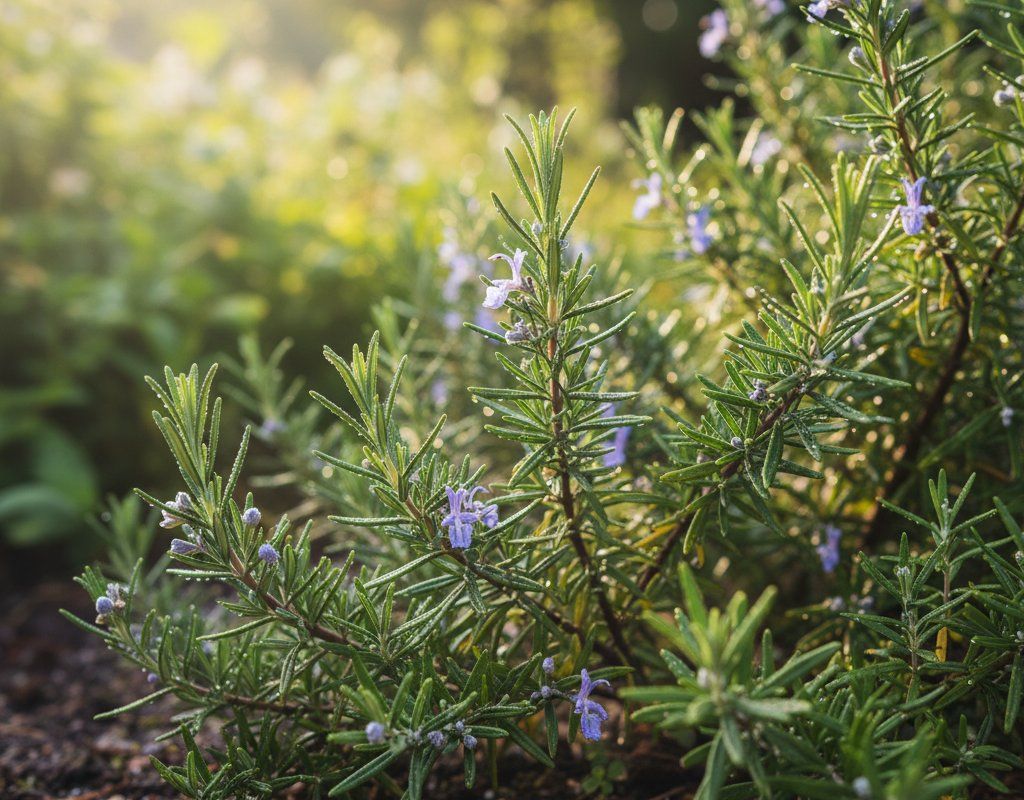
Companion Planting Details
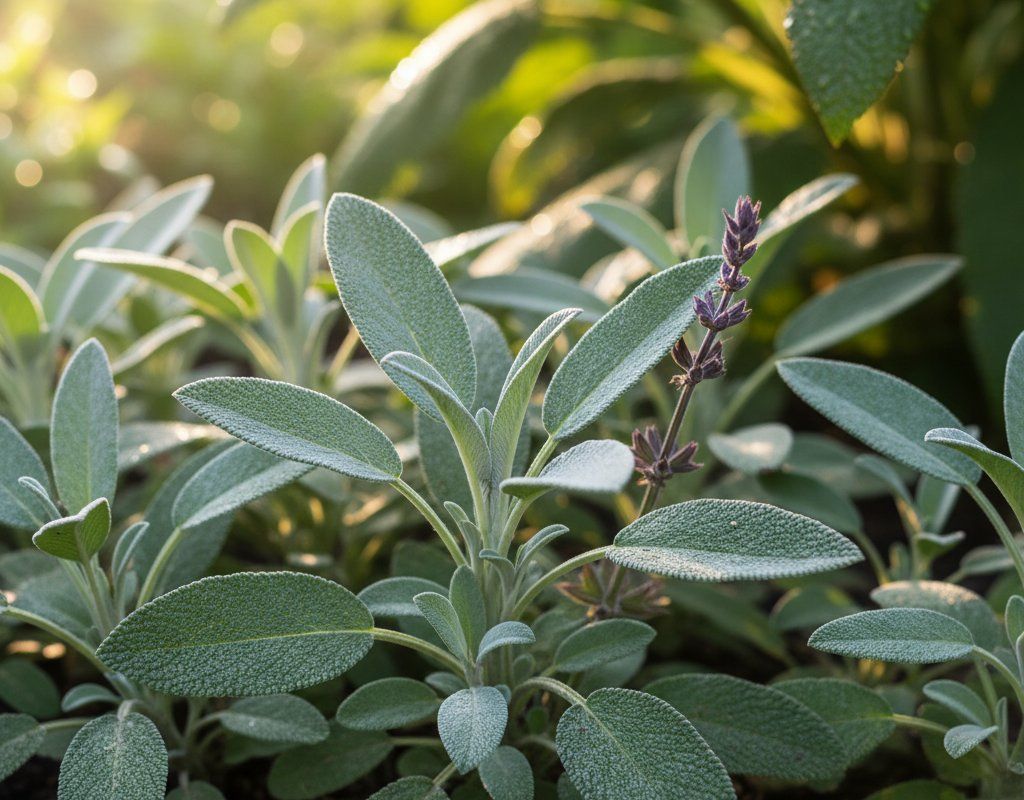
Companion planting can help your Bay Laurel thrive in the Northeast. Green beans are good companions because they fix nitrogen in the soil, enriching it for the Bay Laurel. Rosemary and sage are also beneficial companions, as their strong scents can help deter pests that might bother the Bay Laurel. Avoid planting Bay Laurel near aggressive plants that might compete for resources, as this can stunt its already slow growth.
🌸Best Flowers to Plant with Bay Laurel
These flowers protect your Bay Laurel from pests and attract pollinators for better harvests.
For Pest Control

For Pollinators

Get a Reminder When It's Time to Plant
We'll email you when key planting windows open for your zone.