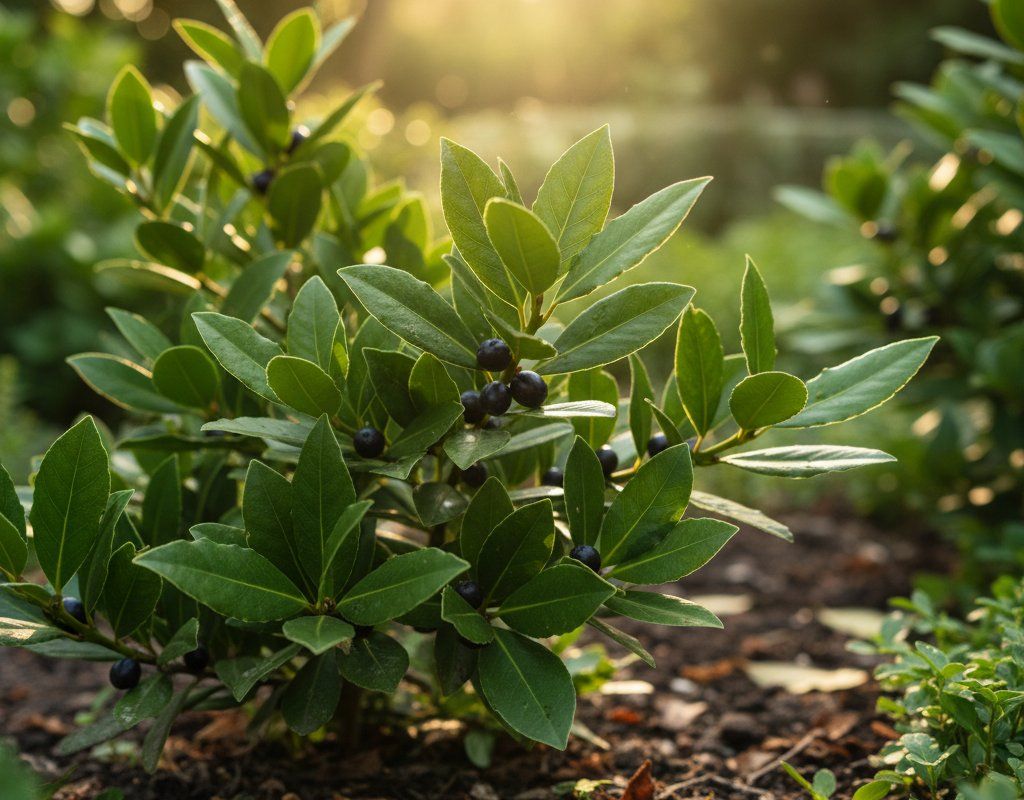
Bay Laurel in Zone 7B — Northern California
Laurus nobilis · Your Complete 2026 Planting Guide
Too Late for Bay Laurel
Not enough growing season left (need 379 days, only 256 remain)
📊 See the math
How to Plant Bay Laurel in Zone 7B — Northern California
Here are all your options for getting bay laurel in the ground, from the easiest method to more advanced approaches.
Buy Starts
RecommendedLate March through early April
around March 29
Plant purchased starts after last frost (March 15).
Extremely slow from seed (years to reach usable size). Buy established plants.
Start Seeds Indoors
Works WellLate December through mid January
around January 4
Then transplant: Late March through early April
Start seeds 12-14 weeks before transplanting outdoors.
Direct Sow Seeds
ChallengingDirect sowing is not typical for Bay Laurel.
Transplant Outdoors
Timing InfoLate March through early April
around March 29
Can tolerate light frost, but wait for soil to be workable.
Timing is critical in your zone — don’t delay!
Overview
Bay Laurel is a fantastic addition to any Northern California garden. The fresh, aromatic leaves elevate your cooking, especially those Mediterranean dishes that thrive in our climate. Plus, there's a unique satisfaction in harvesting your own bay leaves right from your backyard.
We definitely face challenges with drought and fire season here, but the long growing season – roughly 245 days – gives Bay Laurel plenty of time to establish. With some attention to watering, you can enjoy fresh bay leaves almost year-round.
Starting Seeds Indoors
Starting Bay Laurel from seed indoors is possible, but be warned: it's a slow process. Consider starting indoors in late December through mid January, about 12 weeks before you want to transplant, if you are committed to this longer process. Use seed trays and provide consistent warmth (a heat mat helps) and bright light (grow lights are ideal).
Make sure to keep the soil consistently moist, and bottom watering can help prevent damping off. Given our early springs, starting indoors gives you a head start, but honestly, buying an established plant is usually the way to go for most NorCal gardeners.
Transplanting Outdoors
Transplant your Bay Laurel outdoors in late March through early April, once the risk of frost has passed. Before planting, harden off your seedlings by gradually exposing them to outdoor conditions for about a week. Space them 48-96 inches apart, as they can grow into substantial shrubs or small trees.
Keep an eye on the weather forecast around transplant time. We sometimes get unexpected cold snaps, even in spring, so be ready to protect young plants with frost cloth if needed. Honestly, since they are so slow from seed, buy established plants.
Watering Bay Laurel in Zone 7B (Northern California)
Bay Laurel needs moderate watering, especially when young. Once established, it's surprisingly drought-tolerant, which is a huge plus for us in Northern California. Container plants, however, will dry out much faster than those in the ground, so keep a closer eye on them.
During our dry summers, give your in-ground Bay Laurel a good soak about once a week, providing an inch or two of water. Use the "finger test" – if the top two inches of soil are dry, it's time to water. Water at the base of the plant to avoid wetting the leaves, which can lead to fungal problems in more humid climates (not so much an issue here).
Yellowing leaves can indicate overwatering, while drooping leaves suggest underwatering. A good layer of mulch around the base of the plant helps retain moisture and suppress weeds, which is especially helpful during our hot, dry summers.
Pruning & Maintaining Bay Laurel
Pruning Bay Laurel is pretty straightforward. The main goal is to maintain its shape and size. You can prune it quite heavily without causing any damage, so don't be afraid to shape it as desired.
The best time to prune is in spring, after the last frost. Remove any dead, damaged, or crossing branches. As the first frost approaches around mid- November, give your plant a light trim to remove any late-season growth that might be susceptible to cold damage.
🧪Fertilizing Bay Laurel
Feeding Schedule
Organic Fertilizer Options
Harvest Time
You can start harvesting Bay Laurel leaves in late March through late November. The leaves are typically ready to harvest about a year after planting, but you can pick a few earlier if needed. Mature, dark green leaves have the strongest flavor.
Harvest individual leaves as needed, snipping them off with scissors or pruning shears. Avoid stripping the entire plant at once to ensure continued production. As the weather cools in late fall, harvest any remaining mature leaves before the first frost to dry for winter use.
Common Problems in Zone 7B (Northern California)
Here are some common issues you might encounter with Bay Laurel in Northern California:
Scale Insects
- What it looks like: Small, brown, shell-like bumps on the stems and leaves.
- What causes it: Scale insects are attracted to stressed plants, and our dry summers can sometimes weaken Bay Laurel.
- How to fix/prevent it: Regularly inspect your plants for scale. You can remove them manually with a cotton swab dipped in rubbing alcohol. For heavier infestations, use horticultural oil in early spring or late fall.
Cold Damage
- What it looks like: Brown or black leaves, especially on the tips of branches.
- What causes it: Bay Laurel is only semi-hardy and can suffer damage during colder-than-usual winters.
- How to fix/prevent it: Plant in a sheltered location, especially if you live in a microclimate that experiences colder temperatures. Wrap the plant with burlap during prolonged cold snaps.
Slow Growth
- What it looks like: Plant remains small and doesn't seem to grow much from year to year.
- What causes it: Bay Laurel is naturally slow-growing, but poor soil, lack of sunlight, or inadequate watering can exacerbate the issue.
- How to fix/prevent it: Ensure your plant is in well-draining soil and receives at least 4-6 hours of sunlight per day. Amend the soil with compost before planting and fertilize lightly in spring.
Northern California Specific Challenges: Our moderate-to-hot, dry summers and low humidity can stress Bay Laurel, making it more susceptible to pests and diseases. Consistent watering and mulching are key to keeping your plant healthy and thriving. Also, be mindful of water restrictions and choose drought-tolerant varieties if available.
Best Companions for Bay Laurel
Plant these nearby for healthier Bay Laurel and better harvests.
View Full Companion Planting Chart →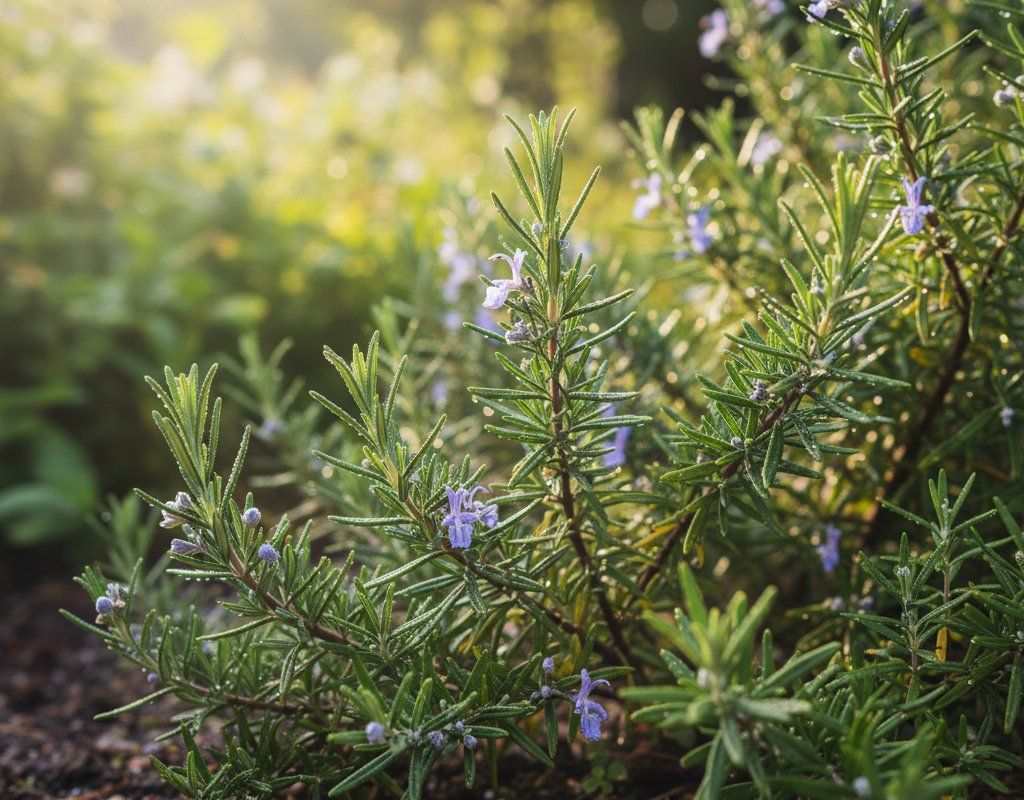
Companion Planting Details
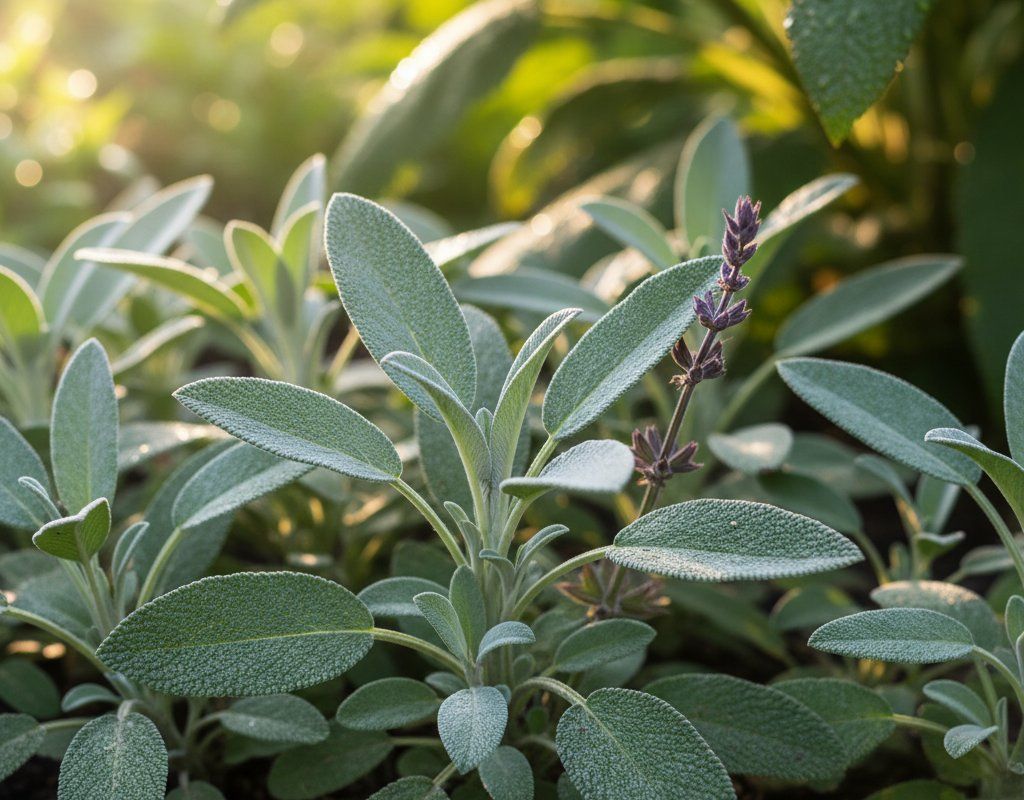
Companion planting can help your Bay Laurel thrive. Green beans are a good companion because they fix nitrogen in the soil, which benefits the Bay Laurel. Rosemary and sage are also good choices because their strong scents can help deter pests. Avoid planting Bay Laurel near plants that require consistently moist soil, as the different watering needs can be difficult to manage in our dry climate.
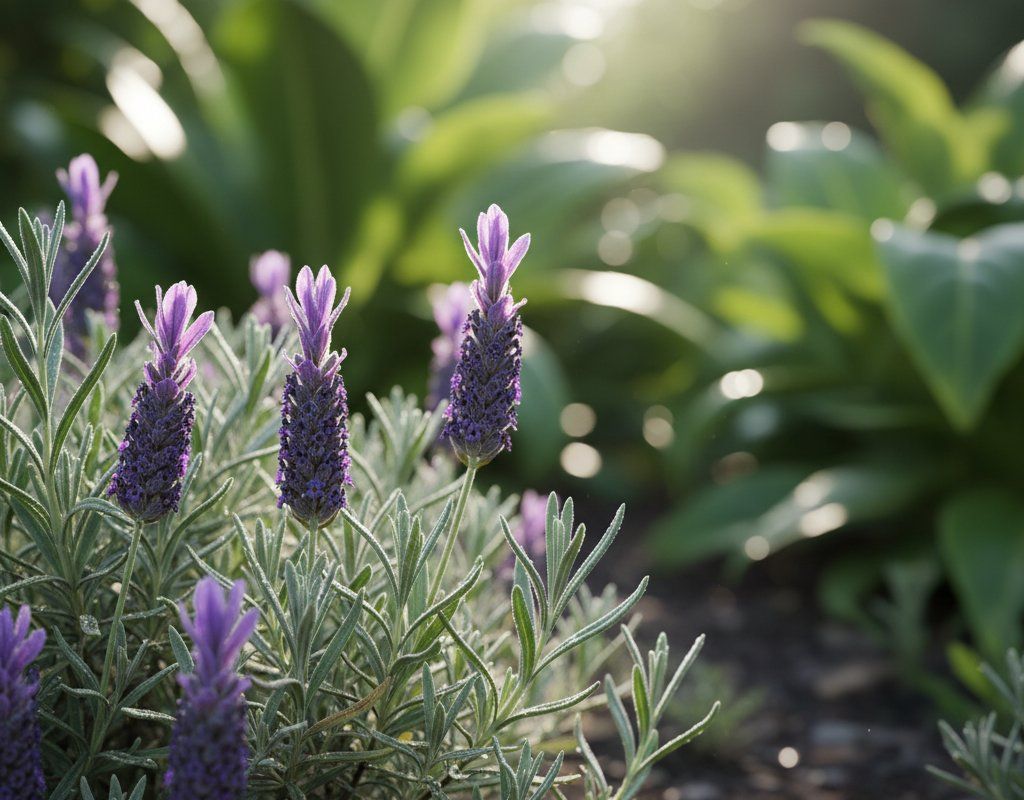
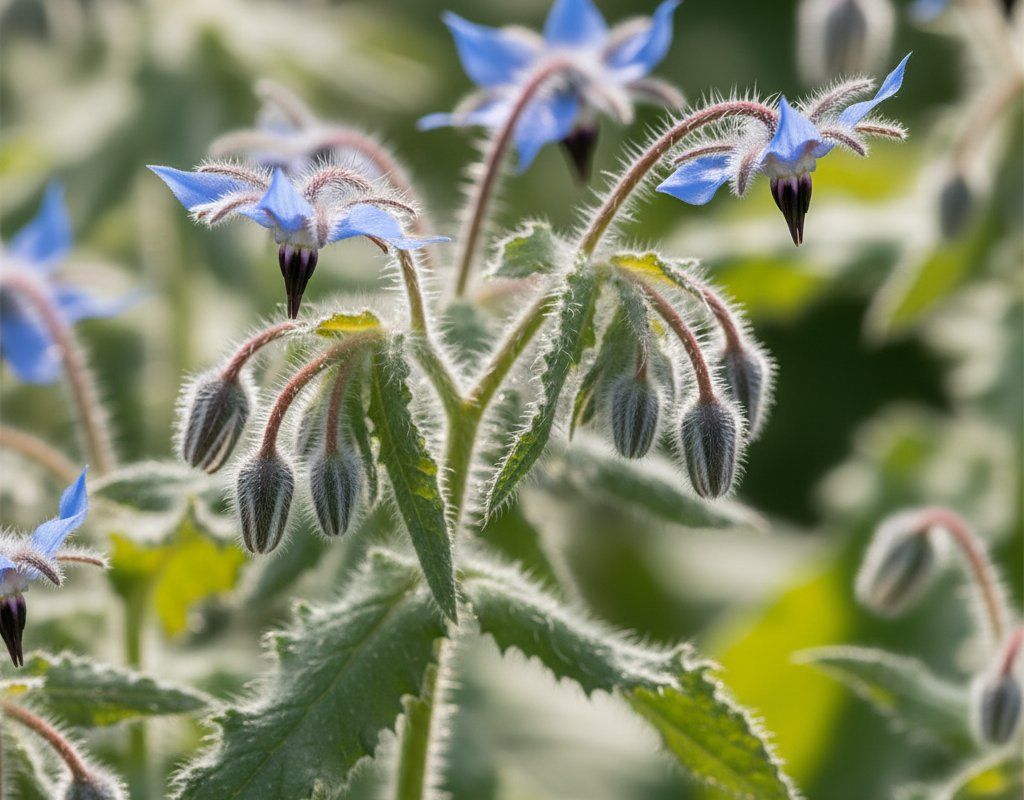
🌸Best Flowers to Plant with Bay Laurel
These flowers protect your Bay Laurel from pests and attract pollinators for better harvests.
For Pest Control
For Pollinators
Get a Reminder When It's Time to Plant
We'll email you when key planting windows open for your zone.