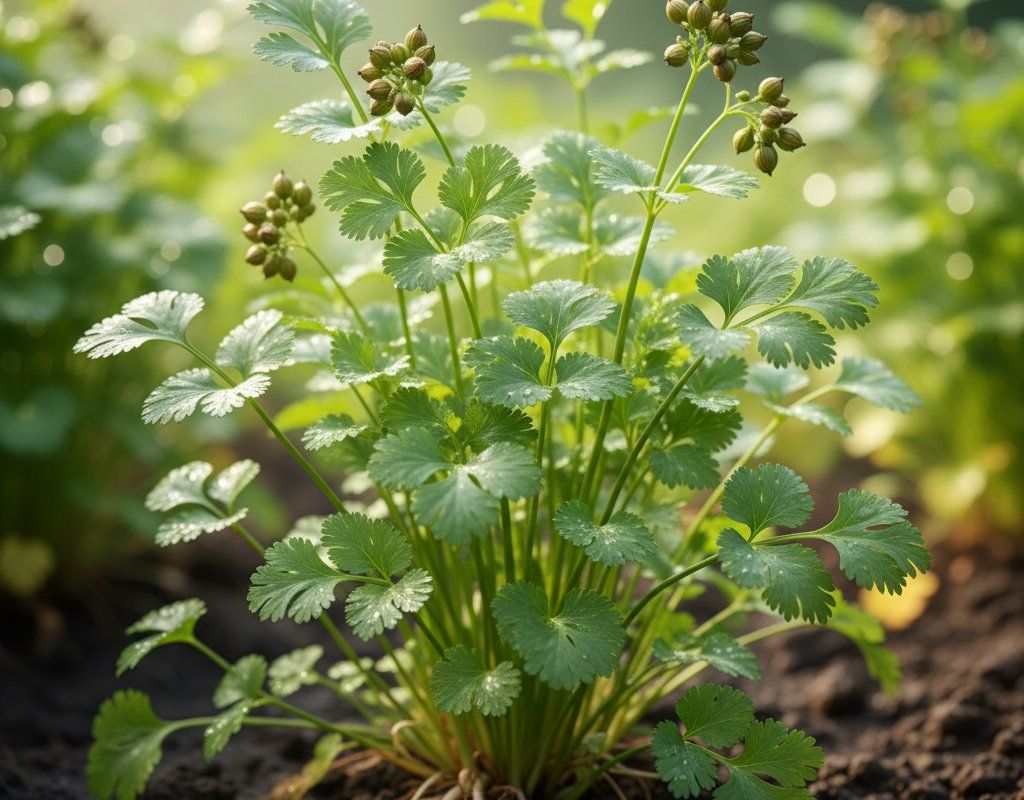
Cilantro in Zone 7B — Northern California
Coriandrum sativum · Your Complete 2026 Planting Guide
Missed Seed Starting? No Problem!
Wait for starts to become available.
What to Do
Starts will be available at nurseries in 11 days (around March 15).
How to Plant Cilantro in Zone 7B — Northern California
Here are all your options for getting cilantro in the ground, from the easiest method to more advanced approaches.
Direct Sow Seeds
RecommendedEarly March through mid September
around March 1
Consider succession planting every 2-3 weeks for continuous harvest.
Cilantro bolts quickly in heat. Direct sow in cool weather for best results.
Start Seeds Indoors
RecommendedEarly February through early March
around February 15
Then transplant: Mid March through late April
Start seeds 4-6 weeks before transplanting outdoors.
Buy Starts
Works WellMid March through late April
around March 15
Plant purchased starts after last frost (March 15).
Transplant Outdoors
Timing InfoMid March through late April
around March 15
Can tolerate light frost, but wait for soil to be workable.
You have a nice window — no need to rush.
Fall Planting
Mid September through mid October
October 4 ideal · Direct sow for fall harvest
Plant a second crop in mid-summer for fall harvest. Cilantro actually prefers the cooling temperatures of fall.
Overview
Cilantro thrives in Northern California's Mediterranean climate, giving you fresh, pungent leaves from spring through fall. Our mild winters and long growing season mean you can enjoy continuous harvests by succession planting every few weeks, while our naturally cool morning temperatures help prevent the quick bolting that plagues gardeners in hotter regions. The herb's distinctive flavor is perfect for the Mexican, Asian, and Mediterranean dishes that complement our diverse food culture here.
While our warm, dry summers can challenge cilantro with premature bolting, smart timing makes this completely manageable. Your 245-day growing season allows for multiple plantings throughout the year, and with some afternoon shade during peak summer heat, you can keep fresh cilantro on your table even when other regions struggle.
Starting Seeds Indoors
Starting cilantro indoors makes sense if you want the earliest possible spring harvest or need to time plantings precisely around our variable spring weather. Sow seeds in seed trays from early February through early March, about four weeks before your planned transplant date. The seeds germinate best in consistently moist conditions at around 65-70°F.
Use bottom watering to keep the soil evenly moist without disturbing the delicate seedlings. Northern California's early spring character means outdoor conditions can shift quickly, so indoor starting gives you more control over timing. However, cilantro doesn't love root disturbance, so many gardeners prefer direct sowing once soil conditions allow.
Transplanting Outdoors
Transplant your indoor-started cilantro from mid-March through late April, after your last frost risk passes. Start hardening off seedlings about a week before transplanting by gradually exposing them to outdoor conditions for increasing periods each day. Space transplants 6-8 inches apart to allow good air circulation.
Our spring weather can be unpredictable, with warm spells followed by cooler, wet periods. Choose a mild, overcast day for transplanting to reduce shock. If a late cold snap threatens, be ready with row covers, though cilantro handles light frost better than many herbs. Plant in well-draining soil since spring rains can create soggy conditions that stress young transplants.
Direct Sowing
Direct sowing works excellently for cilantro in Northern California and is often the preferred method since the herb dislikes root disturbance. Sow seeds from early March through mid-September, spacing them 6-8 inches apart in prepared soil. The soil should be consistently moist and around 55-65°F for best germination.
Spring sowings from early March through April give you the longest harvest period before summer heat triggers bolting. Summer sowings work if you provide afternoon shade and consistent moisture. Fall sowings from mid-September through mid-October often produce the best-flavored leaves as cooler temperatures return. Our Mediterranean climate means you can skip the intense summer heat with strategic timing.
Watering Cilantro in Zone 7B (Northern California)
Cilantro needs consistent moisture to prevent premature bolting, which makes watering management crucial in our dry-summer climate. During spring and fall, aim for about 1 inch of water per week, checking soil moisture with the finger test—soil should be moist 2 inches down. Never let the soil dry out completely, as drought stress triggers immediate bolting.
Summer watering becomes more intensive, especially during our typical 88°F days with low humidity. You may need 1.5-2 inches per week, applied more frequently in smaller amounts. Water at the base of plants early morning to reduce evaporation and prevent leaf diseases that can develop in our low-humidity conditions when leaves stay wet.
Watch for signs of stress: drooping leaves in morning indicate underwatering, while yellow lower leaves often mean overwatering or poor drainage. Apply a thin layer of organic mulch around plants to conserve moisture during our dry months, but keep it away from plant stems to prevent pest issues.
During water restrictions, prioritize cilantro's watering since it's so sensitive to drought stress, or plan plantings for cooler months when natural rainfall helps. Drip irrigation or soaker hoses work excellently for maintaining the consistent moisture cilantro demands without waste.
🧪Fertilizing Cilantro
Feeding Schedule
Organic Fertilizer Options
Harvest Time
Your first cilantro harvest typically begins from mid-April through late November, with plants ready about 45 days from seed. Start harvesting when plants reach 6 inches tall by cutting outer stems at the base, leaving the center growing point intact for continued production. Fresh leaves have the best flavor before the plant bolts.
Cut stems rather than individual leaves for cleaner harvests and better plant health. Take what you need regularly—cilantro responds to frequent harvesting by producing more tender growth. Once flower stalks appear, leaf flavor becomes bitter and production slows dramatically, so harvest heavily just before bolting or start new plantings.
Plan succession sowings every 2-3 weeks during cool seasons to maintain continuous harvests. Your long growing season allows for spring plantings that produce through early summer, then fall plantings that carry you through winter until the following spring. This strategy works better than trying to extend individual plants through summer heat.
As first frost approaches around mid-November, harvest remaining leaves heavily since plants won't survive freezing temperatures. However, you can often keep fall-planted cilantro producing in protected microclimates or with row covers during our typically mild winter weather.
Common Problems in Zone 7B (Northern California)
Bolting appears as tall flower stalks shooting up from the center of your cilantro plant, accompanied by increasingly bitter or tough leaves. This premature flowering happens when plants shift energy from leaf production to seed production, essentially ending your fresh leaf harvest.
Northern California's temperature swings and increasing day length in late spring trigger bolting, especially when combined with drought stress during our dry season. Hot afternoons above 85°F accelerate the process dramatically. Prevent bolting by providing afternoon shade during warm months, maintaining consistent soil moisture, and choosing heat-tolerant varieties. Succession planting every 2-3 weeks ensures continuous harvests even when individual plantings bolt.
Aphids show up as clusters of tiny, soft-bodied insects on stem tips and leaf undersides, often accompanied by sticky honeydew residue and curled new growth. These green, black, or white pests multiply rapidly during warm spring weather and can quickly overwhelm tender cilantro plants.
Our low humidity and warm spring temperatures create perfect aphid breeding conditions, while their populations often explode during the transition from cool to warm weather. Blast them off with strong water sprays, encourage natural predators like ladybugs, or apply insecticidal soap for heavy infestations. Avoid excess nitrogen fertilizer, which makes plants more attractive to aphids.
Leaf spot appears as brown or black spots on cilantro leaves, often with yellow halos, eventually causing leaves to yellow and drop. This fungal problem typically develops during periods of overhead watering or unexpected spring rains followed by warm, humid conditions.
While our naturally low humidity helps prevent many fungal issues, leaf spot can develop during wet spring weather or when overhead sprinklers keep foliage damp. Prevent it by watering at soil level, ensuring good air circulation with proper spacing, and avoiding working around wet plants. Remove affected leaves immediately and consider fungicidal soap for severe cases.
Northern California Specific Challenges: Our Mediterranean climate's combination of moderate-to-hot summer heat, low humidity, and dry summers means cilantro faces drought stress and heat-triggered bolting as primary challenges. However, the same climate that stresses summer cilantro makes fall and winter growing exceptionally successful, allowing year-round production with proper timing.
Best Companions for Cilantro
Plant these nearby for healthier Cilantro and better harvests.
Keep Away From

Companion Planting Details
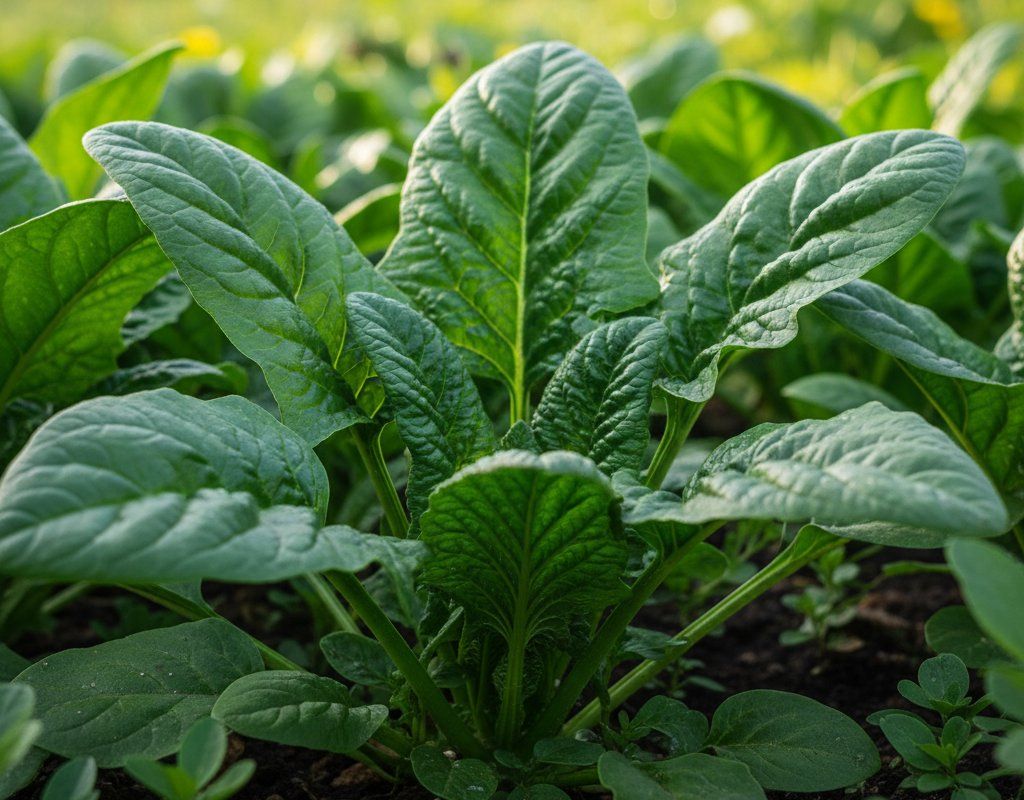
Cilantro pairs excellently with tomatoes and peppers in Northern California gardens, providing natural pest deterrence while thriving in similar growing conditions during cooler months. Plant cilantro around the base of tomato plants in spring—it helps repel aphids and spider mites while maturing before summer heat stresses both plants. Spinach and other cool-season greens make perfect companions since they share cilantro's preference for consistent moisture and cooler temperatures.
Beans work well as summer companions since their nitrogen-fixing ability feeds cilantro's moderate nutrient needs, while the herb's pest-repelling properties protect bean plants from common pests. Avoid planting cilantro near fennel, which can cross-pollinate and create bitter-tasting offspring, while also competing for similar soil nutrients. The strong scents of both herbs can also interfere with each other's natural pest-deterrent properties.
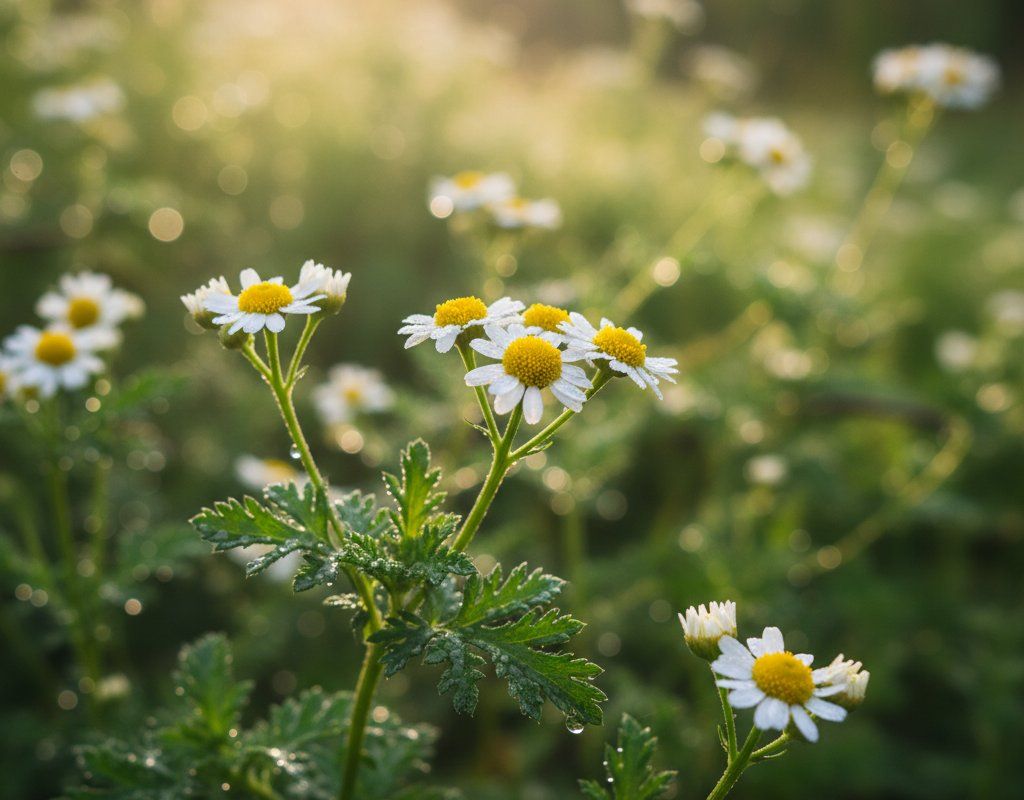
🌸Best Flowers to Plant with Cilantro
These flowers protect your Cilantro from pests and attract pollinators for better harvests.



Get a Reminder When It's Time to Plant
We'll email you when key planting windows open for your zone.