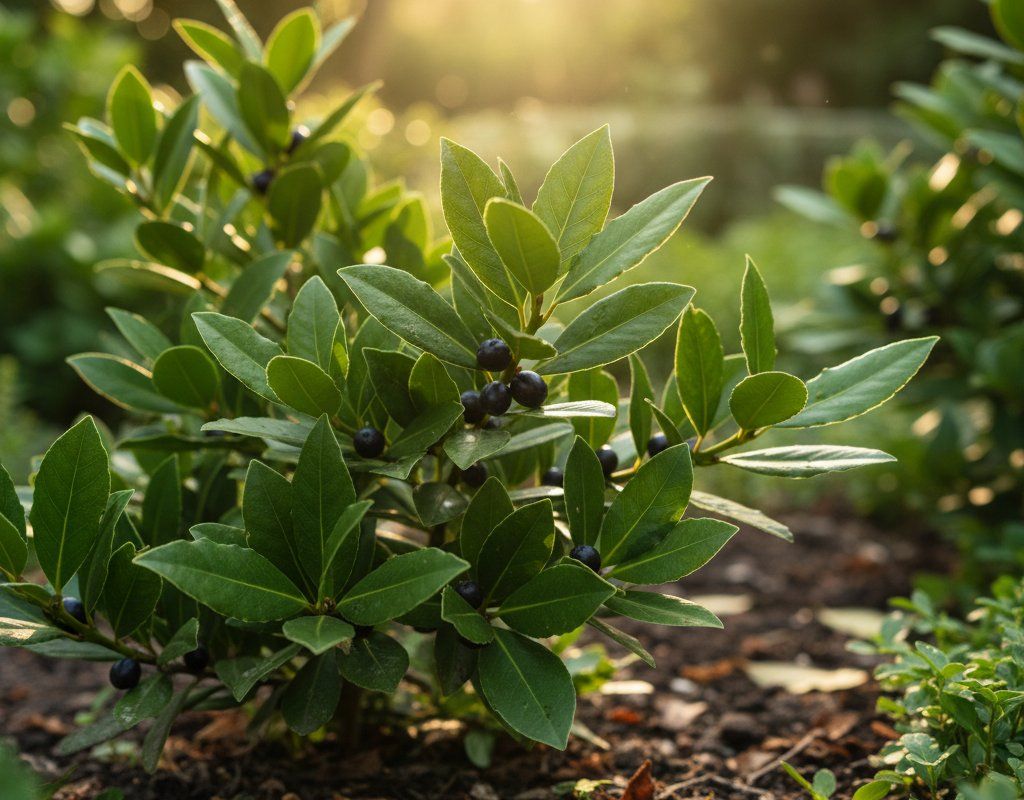
Bay Laurel in Zone 8A — Desert Southwest
Laurus nobilis · Your Complete 2026 Planting Guide
Too Late for Bay Laurel
Not enough growing season left (need 379 days, only 266 remain)
📊 See the math
How to Plant Bay Laurel in Zone 8A — Desert Southwest
Here are all your options for getting bay laurel in the ground, from the easiest method to more advanced approaches.
Buy Starts
RecommendedMid to late March
around March 19
Plant purchased starts after last frost (March 5).
Extremely slow from seed (years to reach usable size). Buy established plants.
Start Seeds Indoors
Works WellMid December through early January
around December 25
Then transplant: Mid to late March
Start seeds 12-14 weeks before transplanting outdoors.
Direct Sow Seeds
ChallengingDirect sowing is not typical for Bay Laurel.
Transplant Outdoors
Timing InfoMid to late March
around March 19
Can tolerate light frost, but wait for soil to be workable.
Timing is critical in your zone — don’t delay!
Overview
Bay Laurel is a fantastic addition to any Desert Southwest garden. The fresh leaves add incredible flavor to soups, stews, and sauces, and the satisfaction of harvesting your own bay leaves is hard to beat. Plus, Bay Laurel is relatively drought-tolerant once established, making it a good fit for our arid climate.
Desert gardening has its challenges, like the extreme heat and alkaline soil. However, with careful timing and a little extra attention, you can absolutely grow Bay Laurel successfully. Our long growing season, often stretching 265 days, gives you a head start.
Starting Seeds Indoors
Starting Bay Laurel from seed indoors is possible, but be warned: it's a slow process. If you're patient and want to try, start seeds indoors from mid December through early January, about 12 weeks before you intend to transplant. Use seed trays with a good seed-starting mix, provide bottom watering to avoid damping off, and ensure they have a warm spot with plenty of light – a grow light is ideal.
Keep in mind that spring comes early here, so starting your seeds at the right time is key. Given how slowly Bay Laurel grows from seed, it's often easier to buy an established plant from a local nursery.
Transplanting Outdoors
Transplant your Bay Laurel outdoors from mid to late March after the last expected frost. Be sure to harden off your seedlings for about a week by gradually exposing them to outdoor conditions. Space plants 48-96 inches apart to allow for mature growth.
Keep an eye on the weather forecast during this time. While Bay Laurel is semi-hardy, a late cold snap can still damage young plants. Given our alkaline soil, amend the planting hole with compost to improve drainage and nutrient availability.
Watering Bay Laurel in Zone 8A (Desert Southwest)
Once established, Bay Laurel is moderately drought-tolerant, but consistent watering, especially in our extreme heat, is crucial for healthy growth. During the hottest parts of summer, water deeply about once a week, providing several gallons at each watering. Use the "finger test" – if the top 2 inches of soil are dry, it's time to water.
During the monsoon season, let the rainfall supplement your watering schedule. However, don't rely solely on monsoon moisture, as it can be unpredictable. Water at the base of the plant to avoid wetting the foliage, which can encourage fungal diseases, even in our arid climate.
Signs of underwatering include drooping leaves and stunted growth. Overwatering can lead to root rot, indicated by yellowing leaves. Mulching around the base of the plant with organic matter helps retain soil moisture and regulate soil temperature.
Pruning & Maintaining Bay Laurel
Bay Laurel requires minimal pruning. The main goal is to maintain its shape and size. You can prune it fairly heavily without causing damage, so don't be afraid to shape it to your liking.
The best time to prune is in the spring after the threat of frost has passed. Remove any dead, damaged, or crossing branches. As the first frost approaches in late November, you can give your Bay Laurel a light trim to tidy it up for the winter.
🧪Fertilizing Bay Laurel
Feeding Schedule
Organic Fertilizer Options
Harvest Time
You can start harvesting Bay Laurel leaves from mid March through early December, about a year after planting. The best time to harvest is when the leaves are mature and dark green, as these have the strongest flavor. You can harvest individual leaves as needed, or cut entire branches and dry the leaves for later use.
To harvest, simply snip off the leaves or branches with clean pruning shears. Avoid stripping the entire plant at once, as this can stress it. Regular harvesting encourages new growth, so don't be shy about using your Bay Laurel leaves in your cooking. As the first frost approaches, harvest as many leaves as you need and dry them for winter use.
Common Problems in Zone 8A (Desert Southwest)
Here are some common problems you might encounter with Bay Laurel in the Desert Southwest:
Scale Insects
- What it looks like: Small, immobile bumps on the stems and leaves. They can be brown, white, or black.
- What causes it: Scale insects are attracted to stressed plants. Our extreme heat and low humidity can weaken Bay Laurel, making it more susceptible.
- How to fix/prevent it: Inspect your plants regularly. Remove scale insects by hand or with a cotton swab dipped in rubbing alcohol. Horticultural oil can also be effective. Ensure your Bay Laurel is adequately watered and protected from the harshest afternoon sun.
Cold Damage
- What it looks like: Brown or black leaves, especially after a frost.
- What causes it: Bay Laurel is semi-hardy and can be damaged by temperatures below Zone 8.
- How to fix/prevent it: If a hard frost is predicted, cover your Bay Laurel with a frost blanket. Container plants can be moved indoors. Avoid fertilizing late in the season, as this can encourage new growth that is more susceptible to cold damage.
Slow Growth
- What it looks like: Plant remains small and doesn't put on much new growth.
- What causes it: Bay Laurel is naturally a slow grower, but poor soil, inadequate watering, or too much sun can exacerbate the problem.
- How to fix/prevent it: Amend your soil with compost to improve drainage and nutrient availability. Ensure your Bay Laurel is getting adequate water, especially during the hottest months. Provide afternoon shade if the leaves show signs of sunscald.
Desert Southwest Specific Challenges: The extreme heat and intense sun in the Desert Southwest can be tough on Bay Laurel. Sunscald can be a problem, so providing afternoon shade is essential, especially for young plants. Our alkaline soil can also limit nutrient availability, so amend the soil with compost regularly. While monsoon moisture can be beneficial, be sure to monitor soil moisture levels to avoid overwatering.
Best Companions for Bay Laurel
Plant these nearby for healthier Bay Laurel and better harvests.
View Full Companion Planting Chart →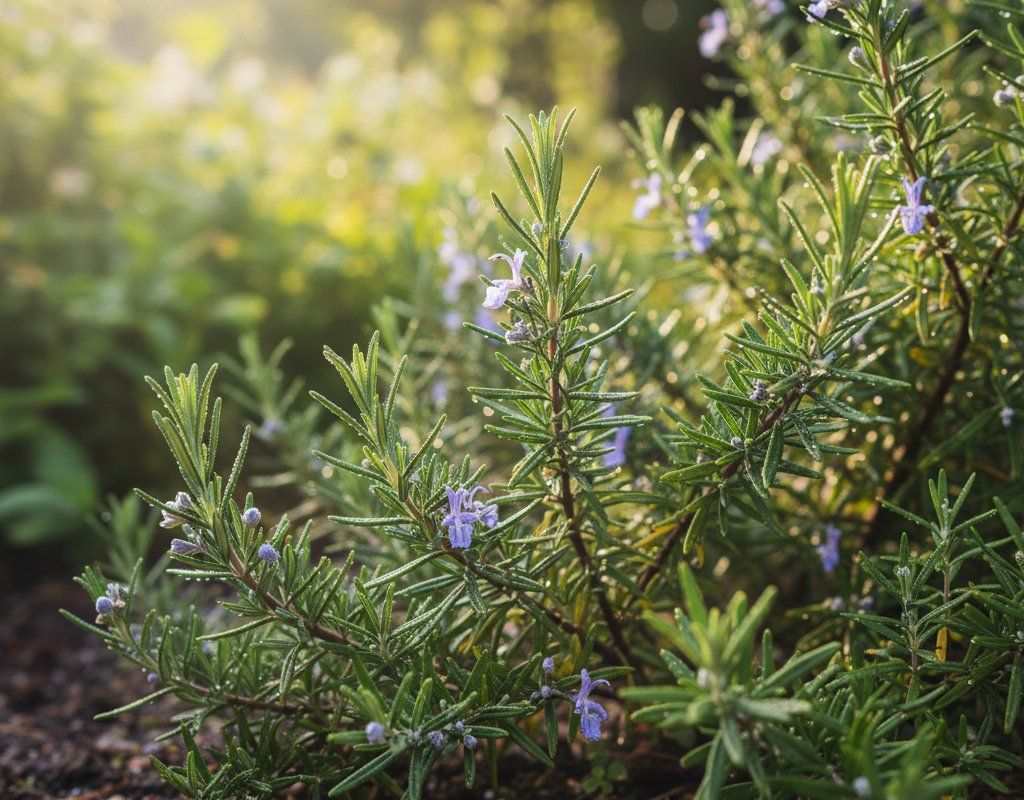
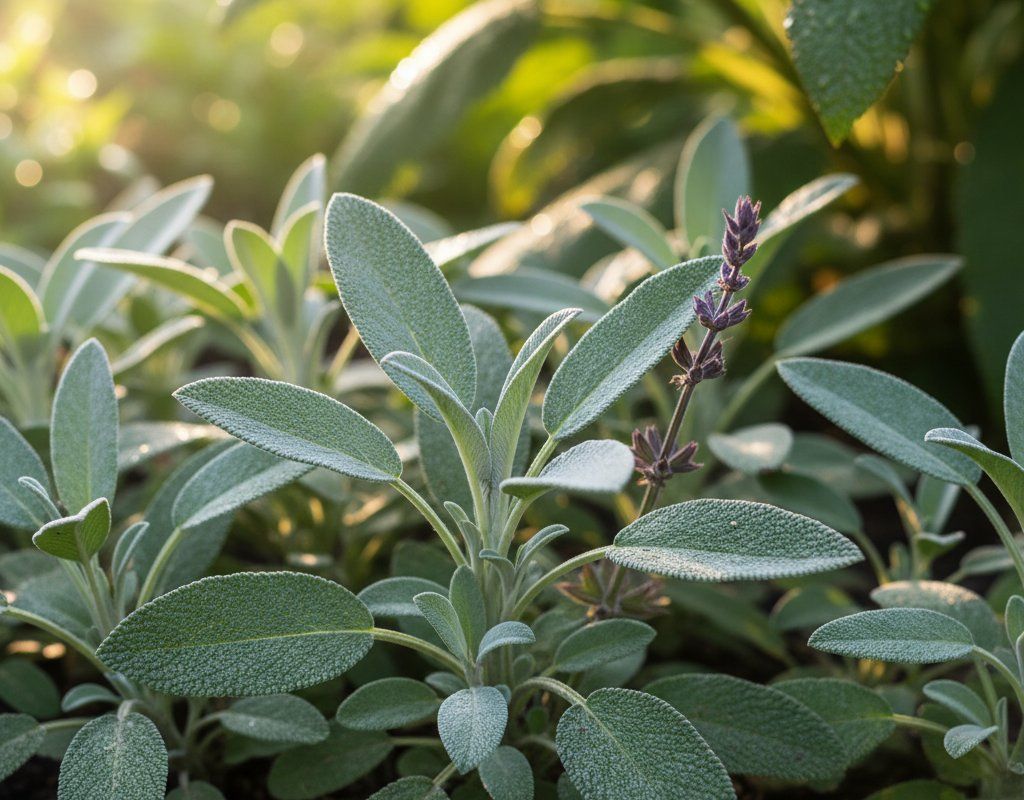
Companion Planting Details
Good companion plants for Bay Laurel in the Desert Southwest include green beans, rosemary, and sage. Green beans are legumes that fix nitrogen in the soil, which can benefit Bay Laurel, especially in our nitrogen-poor soils. Rosemary and sage are both drought-tolerant herbs that share similar growing conditions with Bay Laurel and can help repel pests.
Avoid planting Bay Laurel near plants that require consistently moist soil, as this can lead to overwatering issues. Also, avoid planting near aggressive, sprawling plants that might compete for resources.
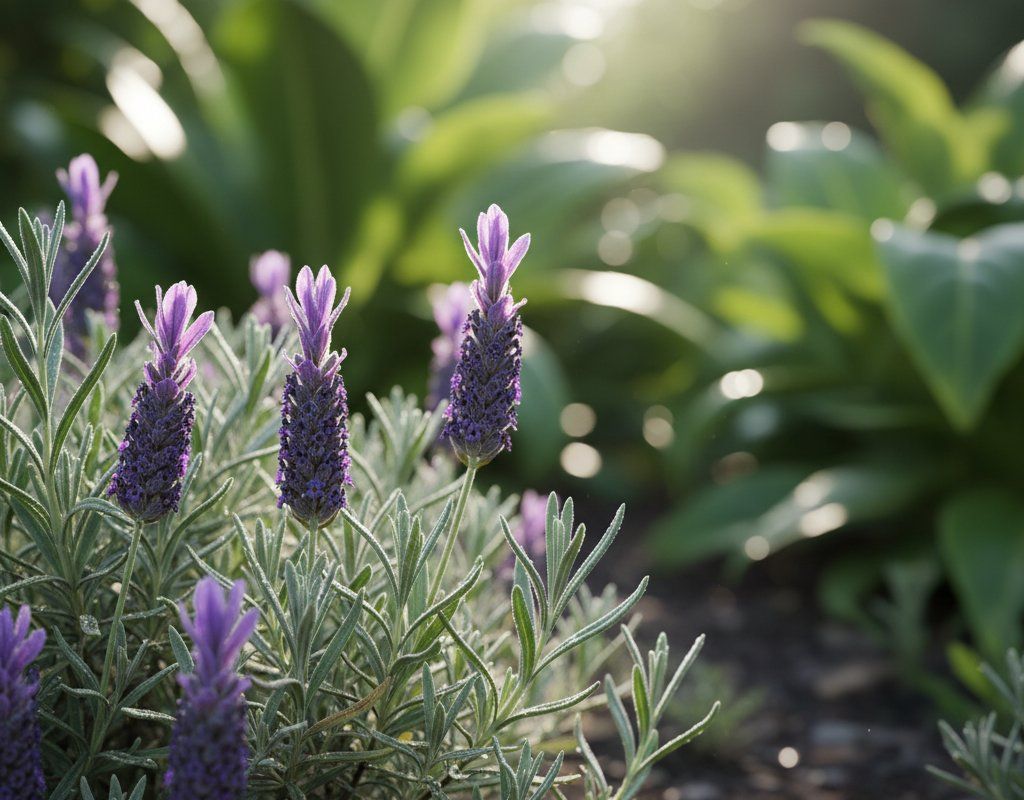
🌸Best Flowers to Plant with Bay Laurel
These flowers protect your Bay Laurel from pests and attract pollinators for better harvests.
For Pest Control
For Pollinators
Get a Reminder When It's Time to Plant
We'll email you when key planting windows open for your zone.