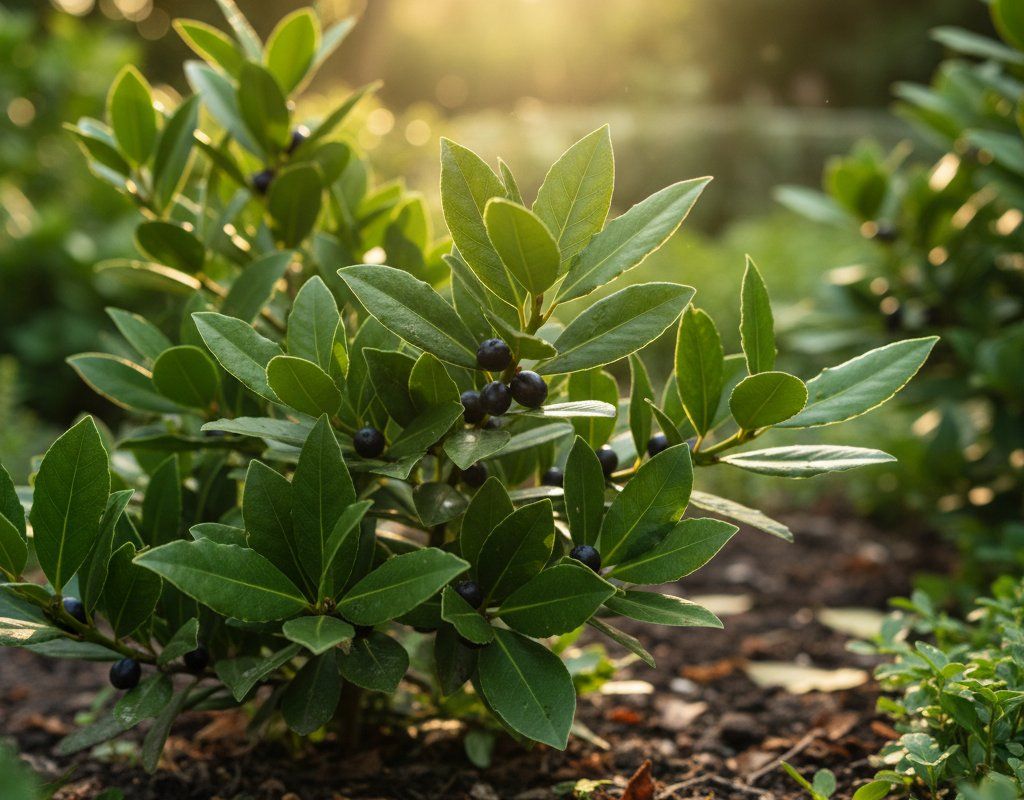
Bay Laurel in Zone 8A — Gulf Coast
Laurus nobilis · Your Complete 2026 Planting Guide
Too Late for Bay Laurel
Not enough growing season left (need 379 days, only 266 remain)
📊 See the math
How to Plant Bay Laurel in Zone 8A — Gulf Coast
Here are all your options for getting bay laurel in the ground, from the easiest method to more advanced approaches.
Buy Starts
RecommendedMid to late March
around March 15
Plant purchased starts after last frost (March 1).
Extremely slow from seed (years to reach usable size). Buy established plants.
Start Seeds Indoors
Works WellMid December through early January
around December 21
Then transplant: Mid to late March
Start seeds 12-14 weeks before transplanting outdoors.
Direct Sow Seeds
ChallengingDirect sowing is not typical for Bay Laurel.
Transplant Outdoors
Timing InfoMid to late March
around March 15
Can tolerate light frost, but wait for soil to be workable.
Timing is critical in your zone — don’t delay!
Overview
Bay Laurel is a fantastic addition to any Gulf Coast garden. Imagine stepping outside to clip a few fresh leaves to flavor your gumbo or jambalaya – the taste is simply unmatched by anything you can buy in a store. Plus, its versatility in both sweet and savory dishes, along with the satisfaction of growing your own culinary herbs, makes it a winner in our long growing season.
Our high humidity and occasional hurricane can present challenges, but Bay Laurel is surprisingly resilient. With a little attention to watering and placement, you can enjoy fresh bay leaves from mid-March through early December, taking full advantage of our 269-day growing season.
Starting Seeds Indoors
Starting Bay Laurel from seed indoors is possible, but honestly, it's a long game and not for the faint of heart. If you're determined, begin in mid-December through early January, giving you about 12 weeks to get a head start before transplanting. Use seed trays with a good seed-starting mix, provide consistent warmth (a heat mat helps), and ensure bright light – a grow light is ideal.
Remember to water from the bottom to avoid damping off, a common problem with our high humidity. Keep in mind that our early spring warmth can be deceiving, so don't rush the process. Honestly, though, in our area, you're better off buying an established plant.
Transplanting Outdoors
Transplant your Bay Laurel outdoors in mid to late March. Before planting, harden off your seedling by gradually exposing it to outdoor conditions for about a week. This helps it adjust to the sun and wind.
Choose a spot with full sun to partial shade, spacing plants 48-96 inches apart to allow for mature growth. Keep an eye on the weather, as late-season cold snaps can happen. Honestly, you're better off buying an established plant, as they are extremely slow from seed and it could be years before you get usable leaves.
Watering Bay Laurel in Zone 8A (Gulf Coast)
Getting the watering right is key with Bay Laurel in our Gulf Coast climate. While they're drought-tolerant once established, consistent moisture is important, especially during our hot, humid summers. New plants need more frequent watering.
During the hotter months, check the soil moisture every few days using the "finger test" – stick your finger about 2 inches deep into the soil. If it feels dry, it's time to water. Aim for about 1 inch of water per week, either from rainfall or supplemental watering. Water at the base of the plant to avoid wetting the leaves, which can encourage fungal diseases in our humid environment.
In the cooler months, you can reduce watering frequency. Signs of underwatering include wilting leaves, while overwatering can lead to yellowing leaves and root rot. Mulching around the base of the plant with pine straw or wood chips can help retain moisture and suppress weeds, but keep the mulch a few inches away from the trunk to prevent rot.
Pruning & Maintaining Bay Laurel
Bay Laurel doesn't require a lot of pruning, but a little shaping can keep it looking its best. The best time to prune is in the spring, after the threat of frost has passed.
Remove any dead, damaged, or crossing branches. You can also prune to maintain a desired shape or size. Bay Laurel tolerates heavy pruning, so don't be afraid to cut it back if needed. Before our first frost around late November, give it one last light trim to remove any late-season growth that might be susceptible to cold damage.
🧪Fertilizing Bay Laurel
Feeding Schedule
Organic Fertilizer Options
Harvest Time
You can start harvesting Bay Laurel leaves from mid-March through early December here in the Gulf Coast. The leaves are typically ready to harvest about a year after planting. Look for mature, dark green leaves, as these have the strongest flavor.
To harvest, simply snip off individual leaves as needed. Avoid stripping the entire plant at once. Regular harvesting encourages new growth and keeps the plant productive. As our first frost approaches in late November, harvest any remaining mature leaves and dry them for use throughout the winter.
Common Problems in Zone 8A (Gulf Coast)
Here are the most common problems you might encounter with Bay Laurel in the Gulf Coast:
Scale Insects
- What it looks like: Small, raised bumps on the leaves and stems, often brown or white in color. The leaves may also be sticky from honeydew secreted by the insects.
- What causes it: Scale insects thrive in warm, humid conditions, making them a common pest in our region. Poor air circulation can also contribute to infestations.
- How to fix/prevent it: Inspect your plants regularly. For minor infestations, wipe the scale insects off with a damp cloth or cotton swab dipped in rubbing alcohol. For heavier infestations, use horticultural oil or insecticidal soap, following the label instructions carefully. Improve air circulation by pruning overcrowded branches.
Cold Damage Below Zone 8
- What it looks like: Browning or blackening of leaves, especially after a cold snap. In severe cases, entire branches may die back.
- What causes it: Bay Laurel is semi-hardy and can be damaged by temperatures below zone 8.
- How to fix/prevent it: If a freeze is predicted, protect your plant by covering it with a blanket or moving it to a sheltered location. Container-grown plants can be brought indoors. In the spring, prune away any dead or damaged growth.
Slow Growth
- What it looks like: The plant remains small and doesn't seem to be growing much, even after several months.
- What causes it: Slow growth can be caused by a variety of factors, including poor soil, inadequate sunlight, or nutrient deficiencies.
- How to fix/prevent it: Ensure your Bay Laurel is planted in well-draining soil that is rich in organic matter. Amend the soil with compost or aged manure at planting time. Provide adequate sunlight (at least 4-6 hours per day). Fertilize regularly with a balanced fertilizer, following the label instructions.
Gulf Coast Specific Challenges: The heat and humidity of the Gulf Coast can create an environment where fungal diseases thrive, so make sure to provide good air circulation and avoid overhead watering. Also, during hurricane season, consider moving container-grown plants to a sheltered location to protect them from strong winds and flooding.
Best Companions for Bay Laurel
Plant these nearby for healthier Bay Laurel and better harvests.
View Full Companion Planting Chart →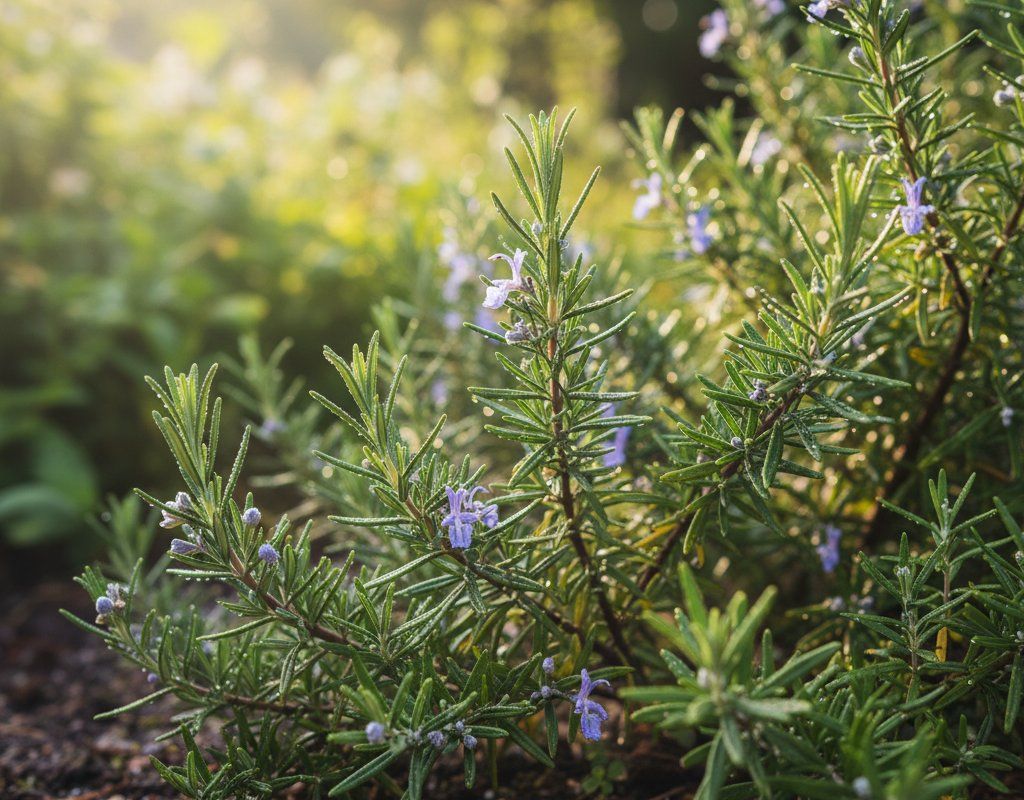
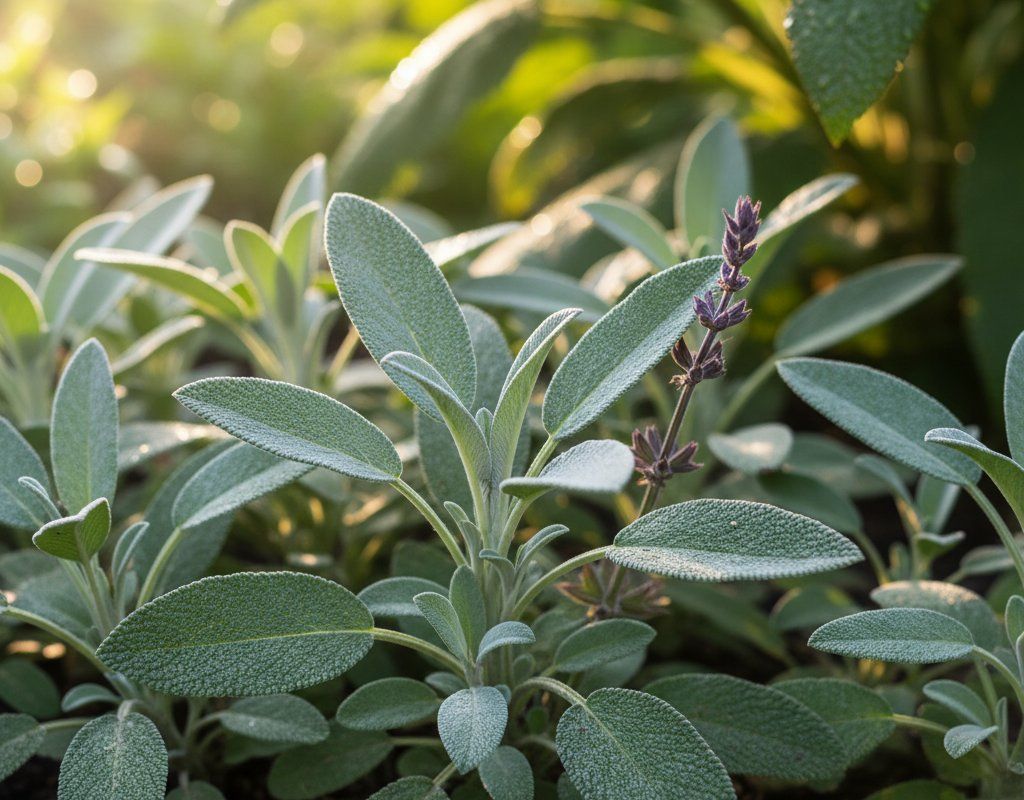
Companion Planting Details
Companion planting can really benefit your Bay Laurel here in the Gulf Coast. Green beans are great companions because they fix nitrogen in the soil, which helps the Bay Laurel grow. Rosemary is another good choice because it attracts beneficial insects that prey on pests. Sage is also helpful because it deters some common pests.
Avoid planting Bay Laurel near aggressive plants that might compete for resources.
🌸Best Flowers to Plant with Bay Laurel
These flowers protect your Bay Laurel from pests and attract pollinators for better harvests.
For Pest Control

For Pollinators

Get a Reminder When It's Time to Plant
We'll email you when key planting windows open for your zone.