Gardening in Zone 8A — Gulf Coast
Zone 8A is a gardener's paradise with a luxuriously long growing season stretching nearly 230 days. Your climate offers warmth and extended periods for crops that struggle in shorter-season regions, making it ideal for heat-loving vegetables like tomatoes, peppers, and eggplants. You'll find that summer crops practically burst from the ground, with intense sunshine and mild winters creating near-perfect growing conditions.
The primary challenge in this zone is managing extreme summer heat, which can stress plants and require strategic watering and shade techniques. However, your advantages far outweigh the difficulties - you can grow an incredibly diverse range of vegetables, start crops early, and often enjoy multiple planting cycles for certain vegetables like beans and greens.
✓ Regional Advantages
- • Very long growing season
- • Mild winters
- • Abundant rainfall
⚠ Regional Challenges
- • Extreme humidity
- • Fungal diseases
- • Hurricanes
- • Mosquitoes
- • Flooding
Gulf Coast Climate Profile
Hot, very humid with long growing season and hurricane risk
Best Plants for Zone 8A
103 plants thrive in Zone 8A's 269-day growing season. Click any plant for zone-specific planting dates.
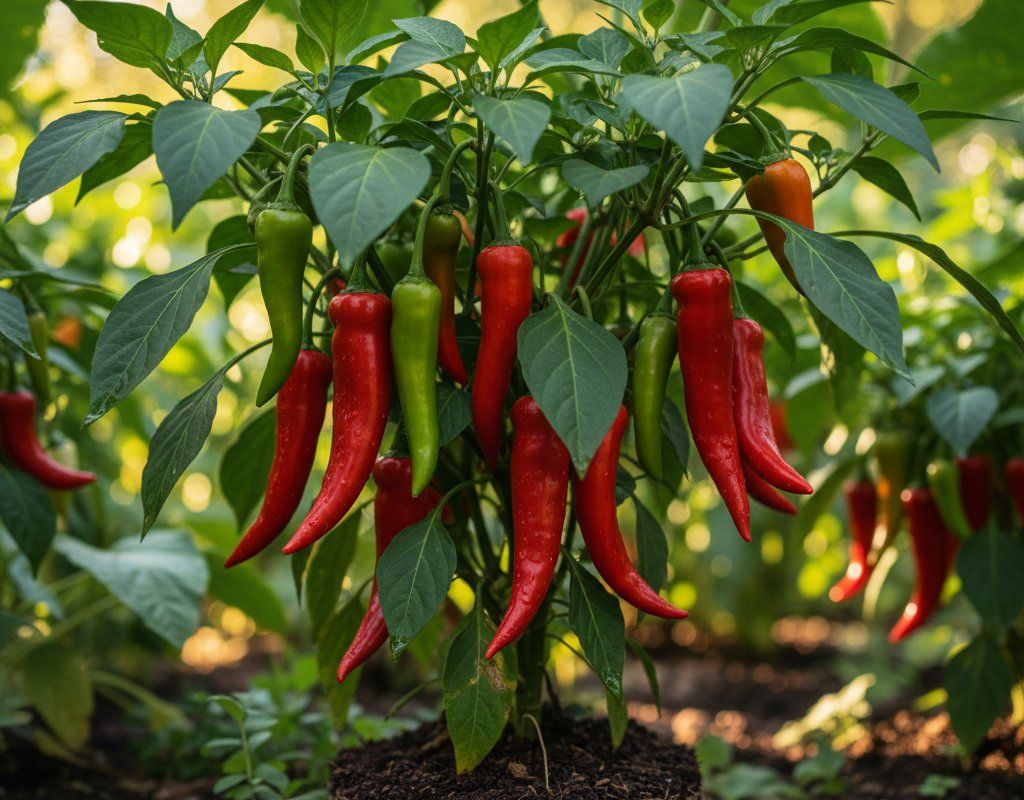
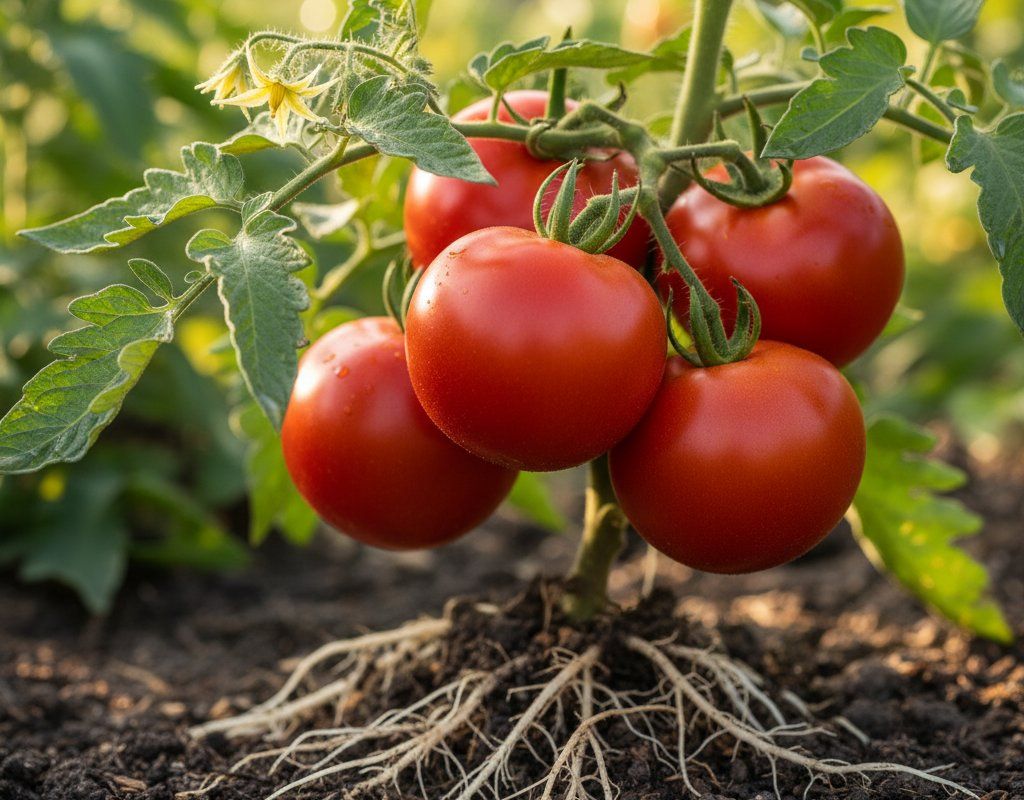
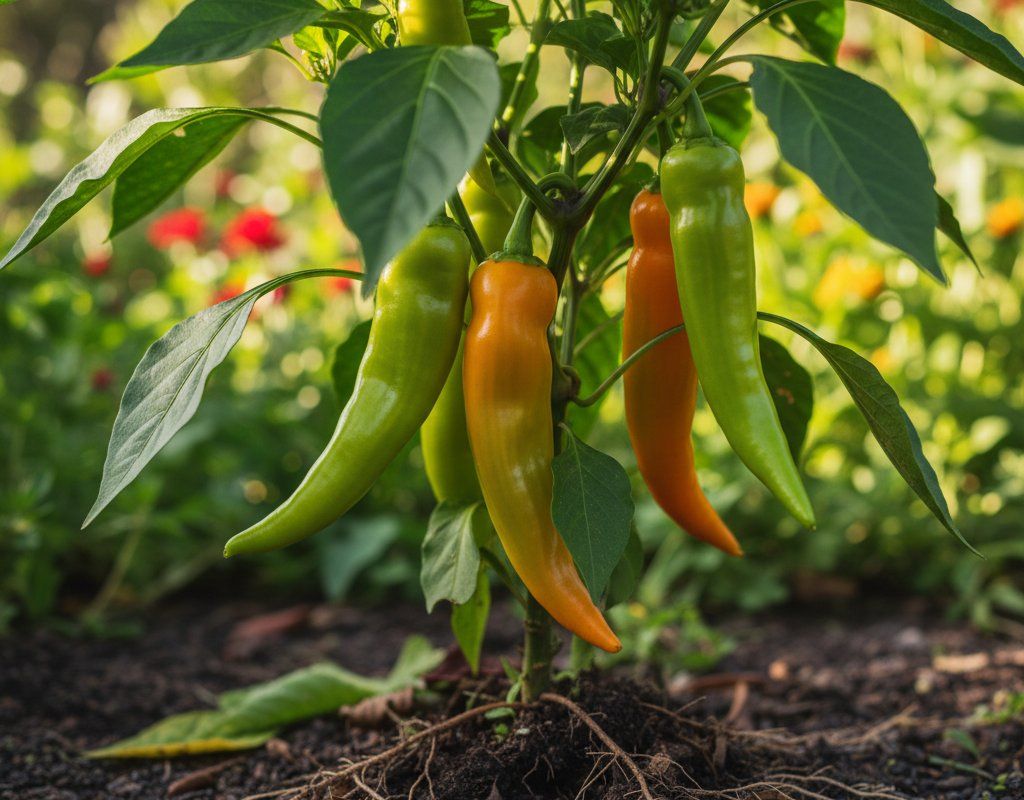
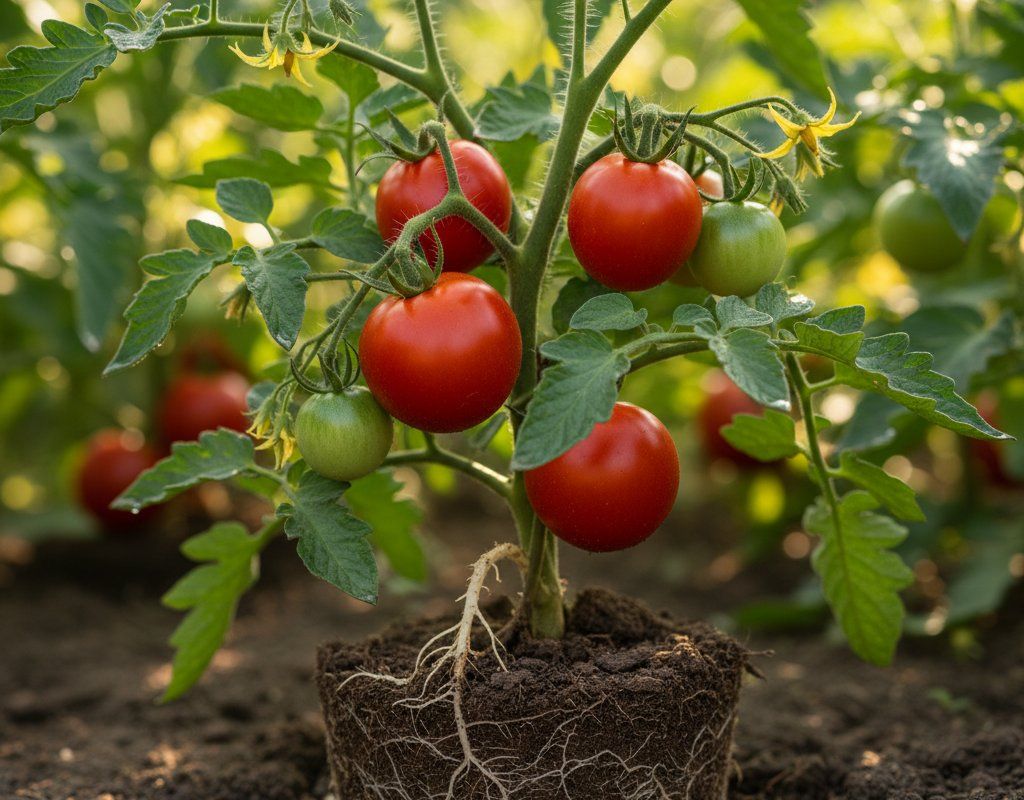
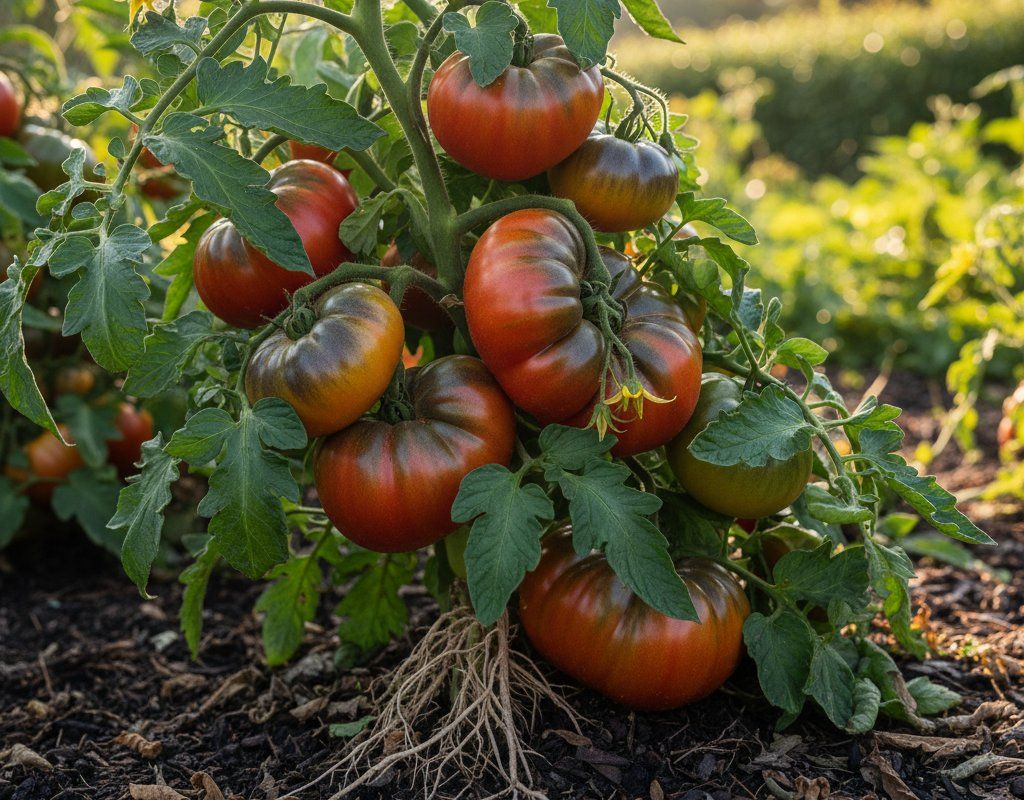
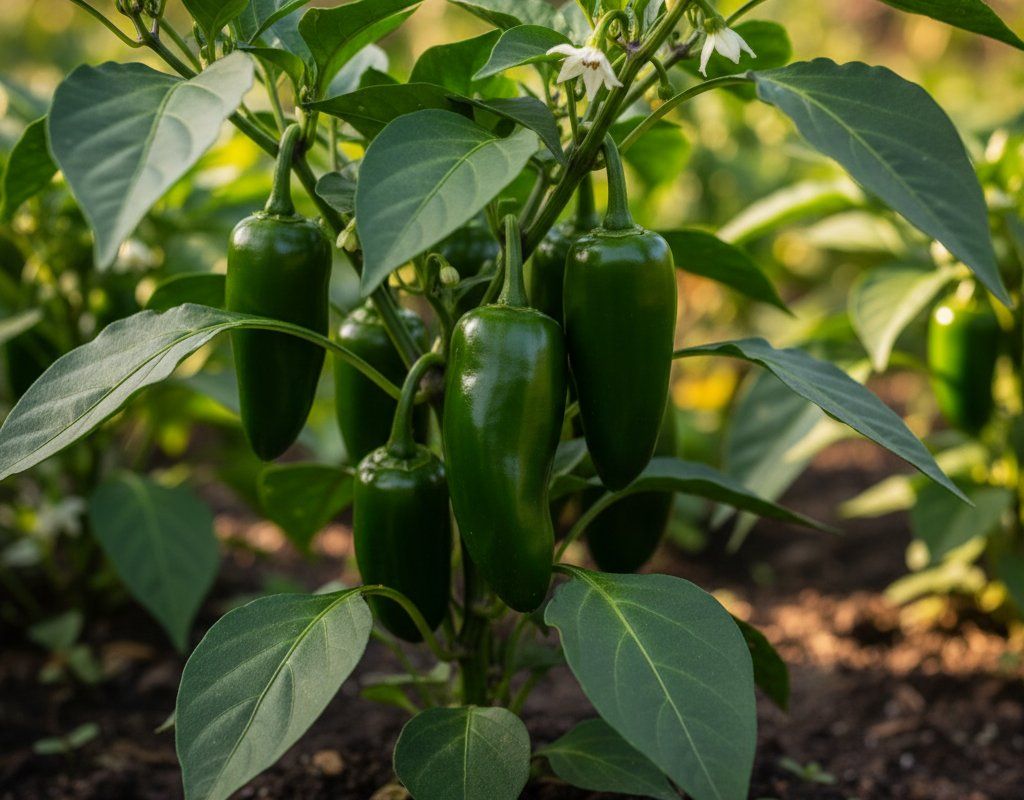
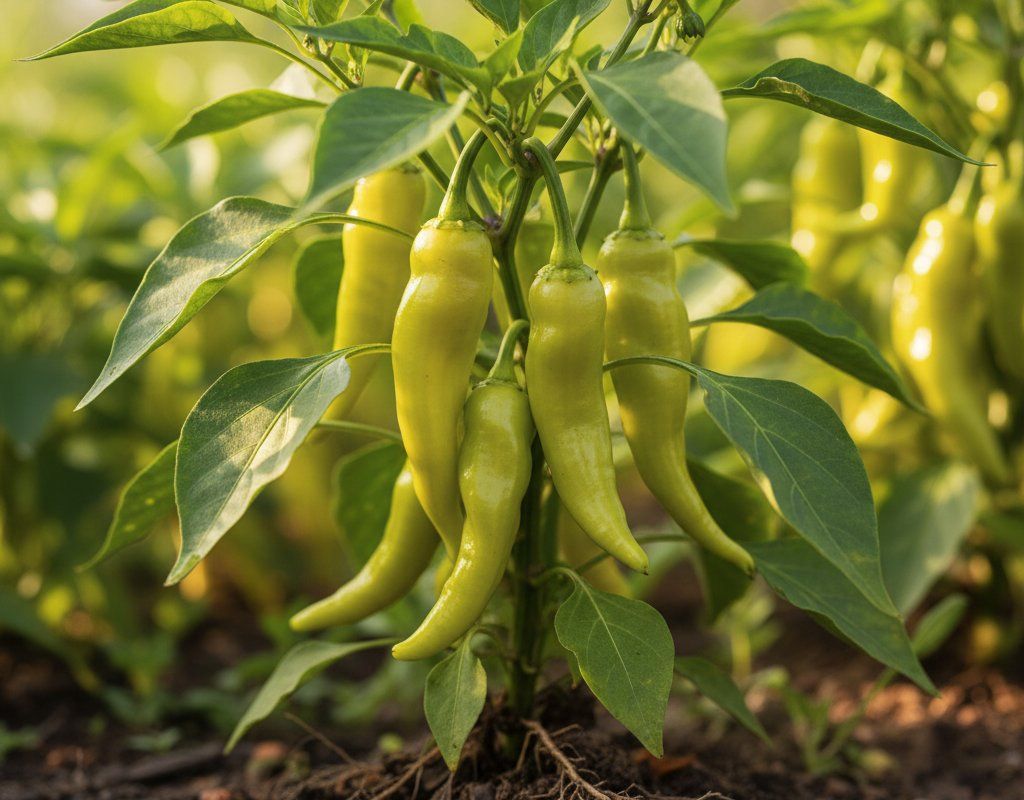
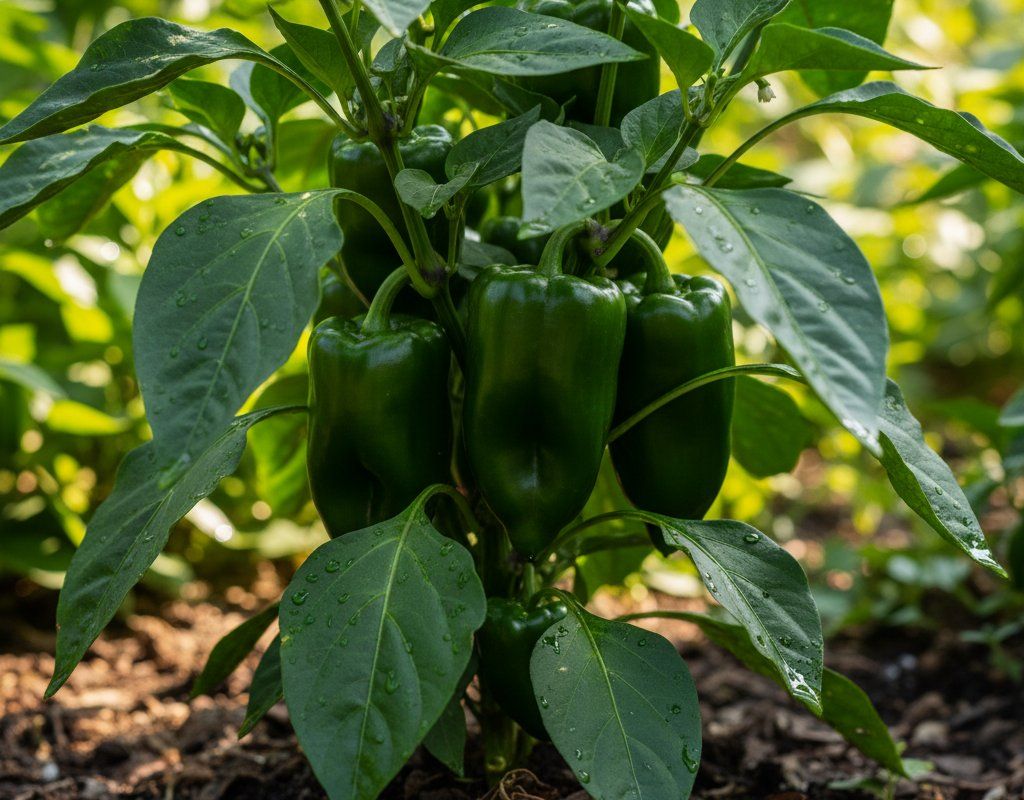
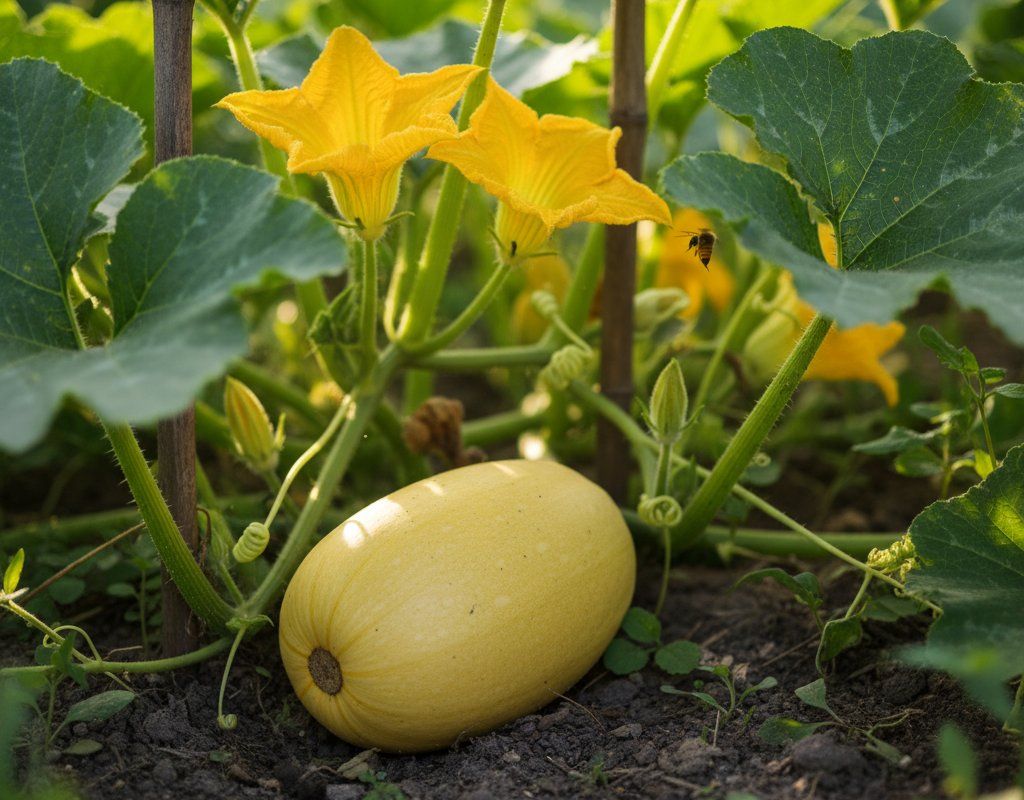
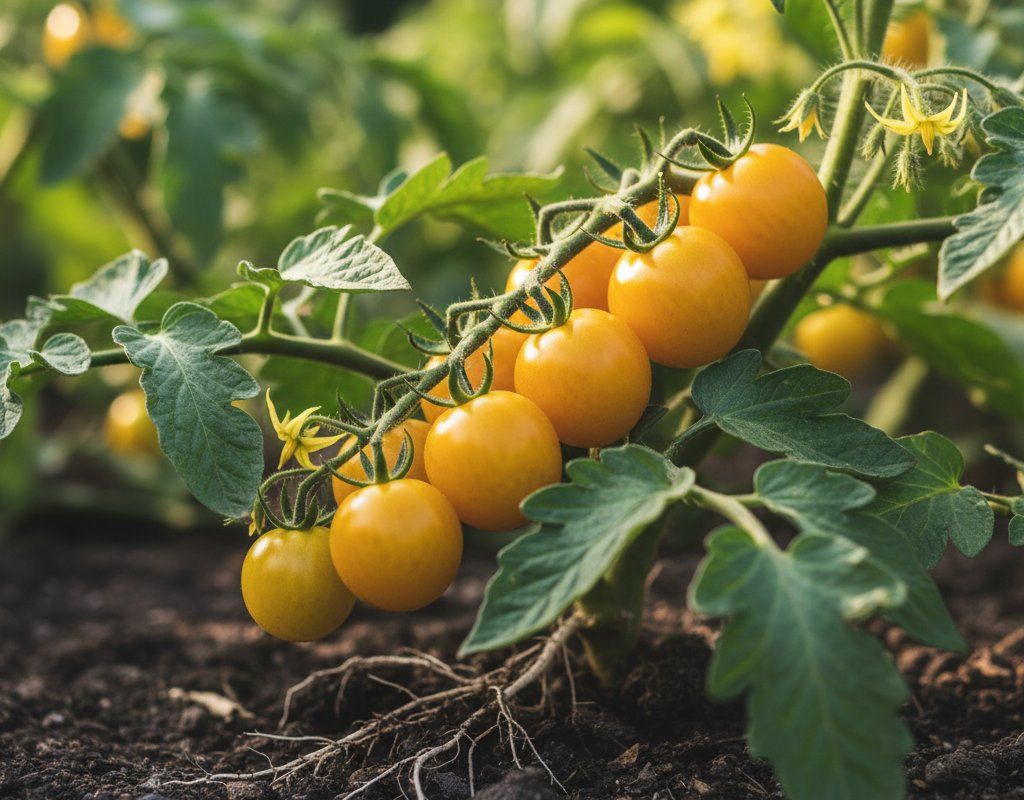
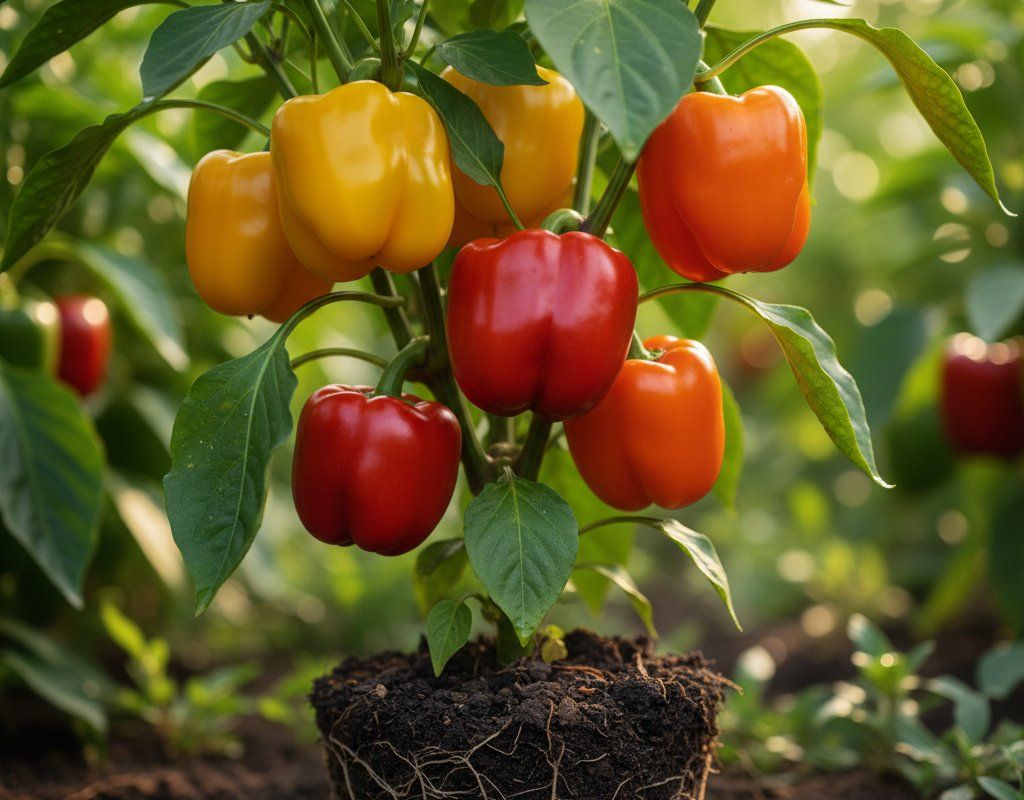
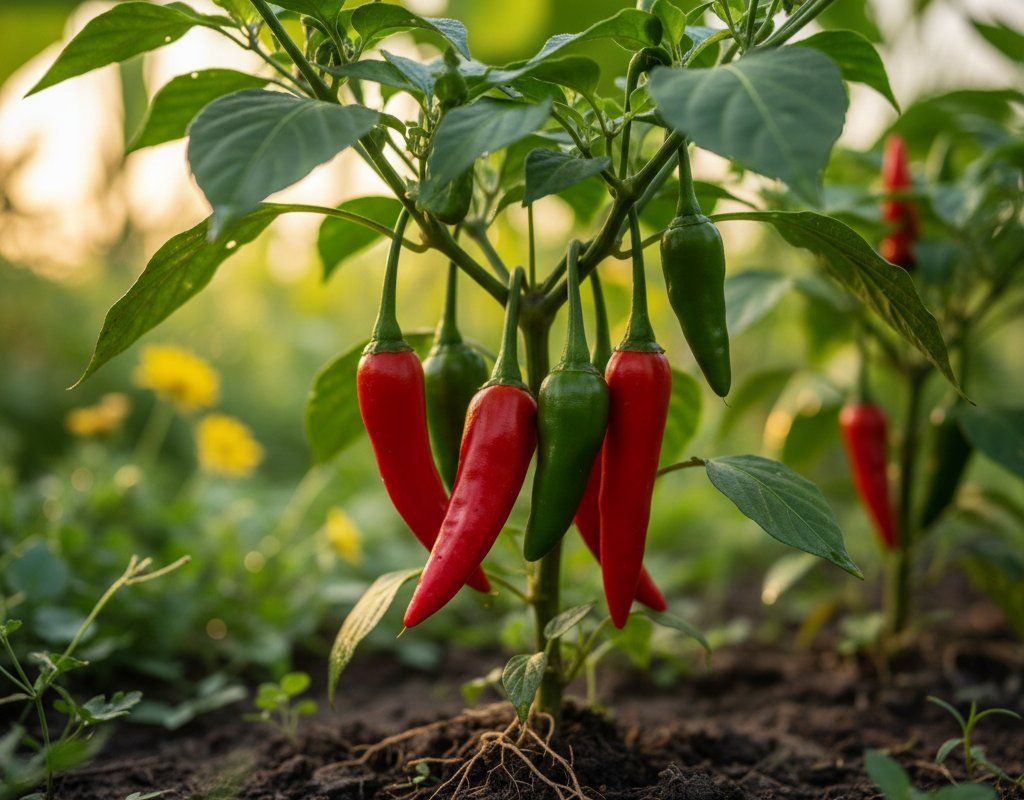
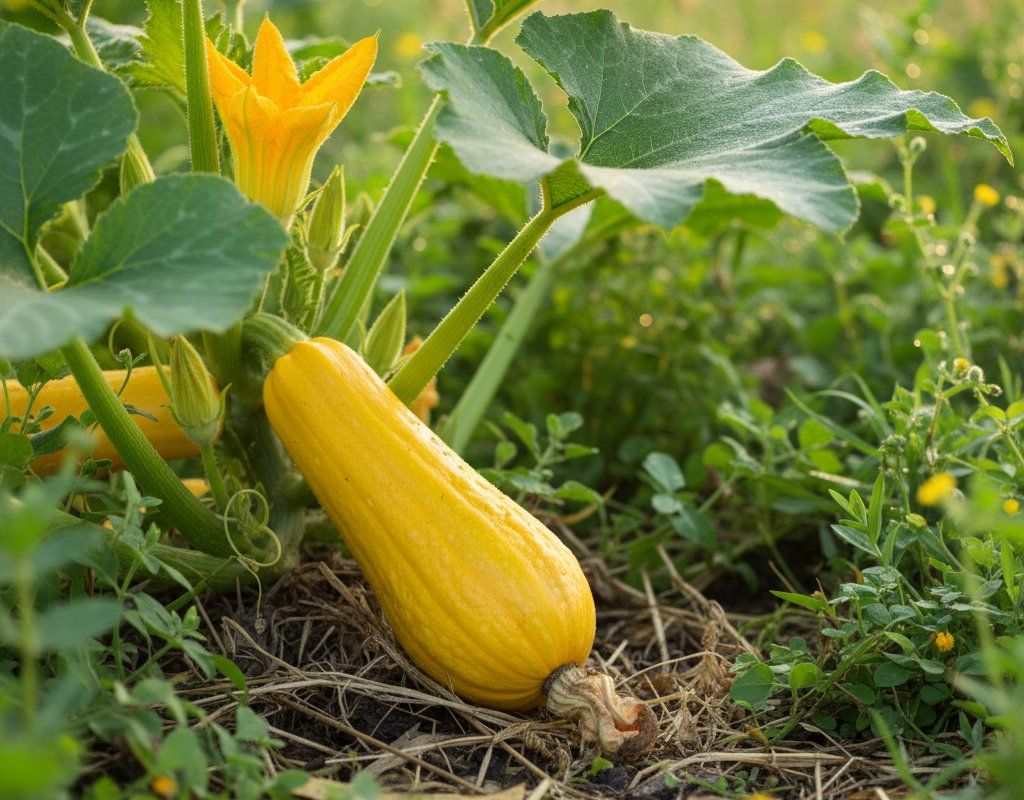
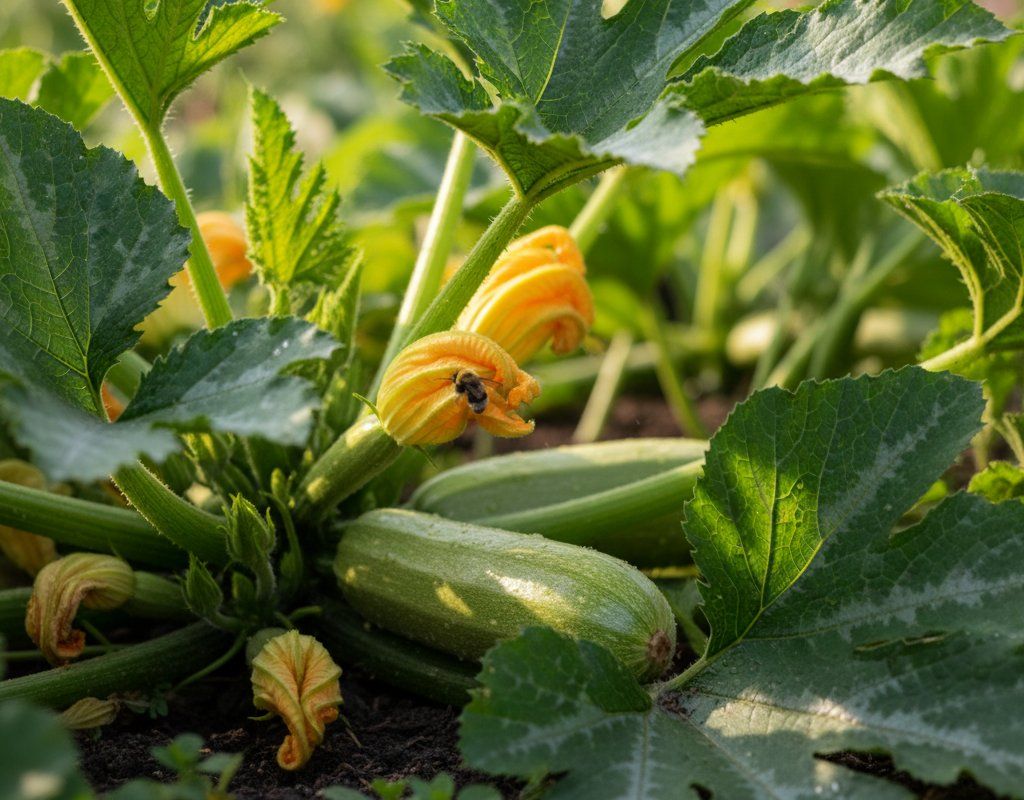
🍅Fruiting Vegetables (37)
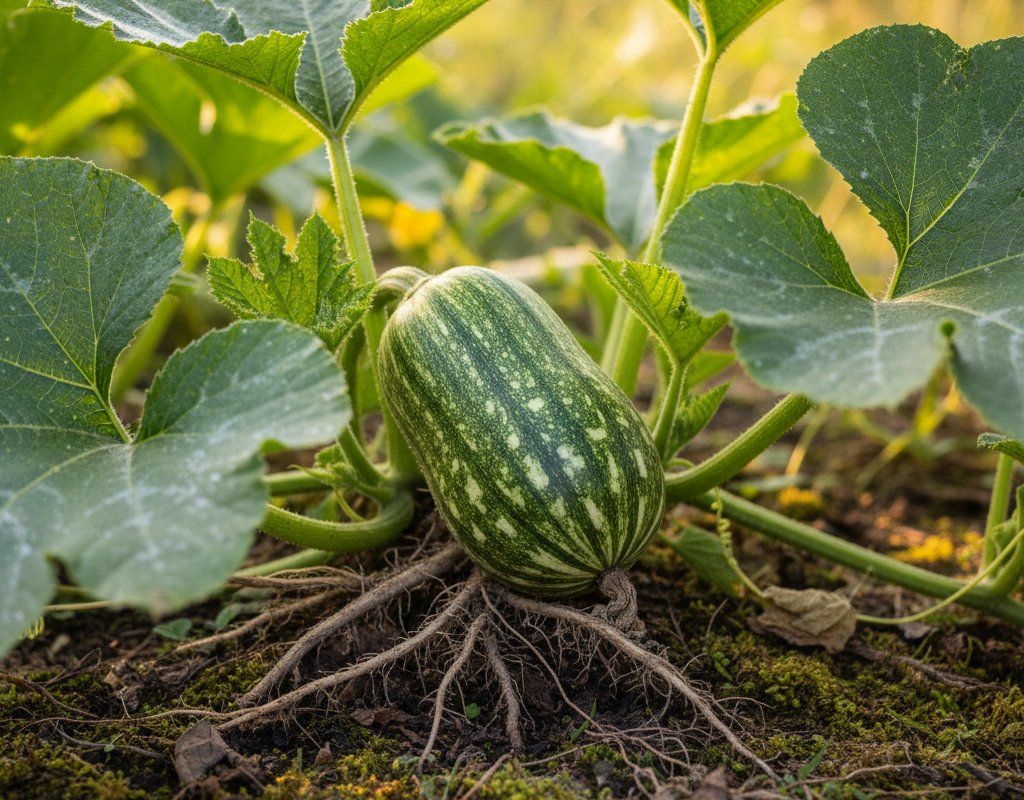
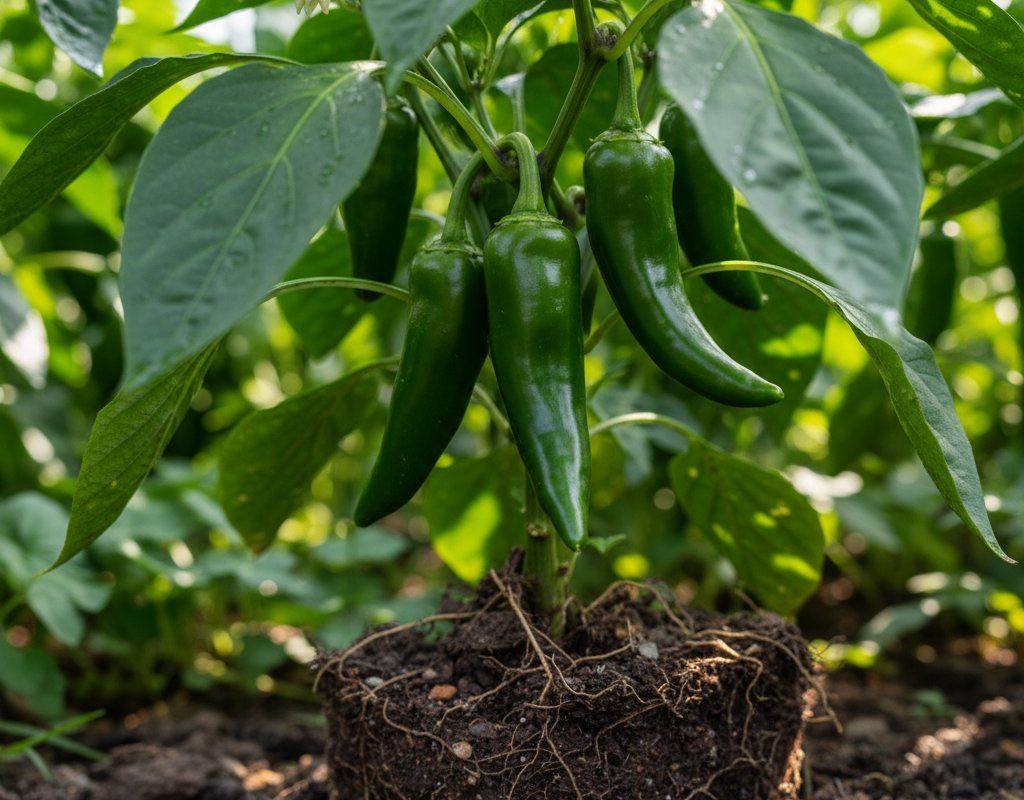
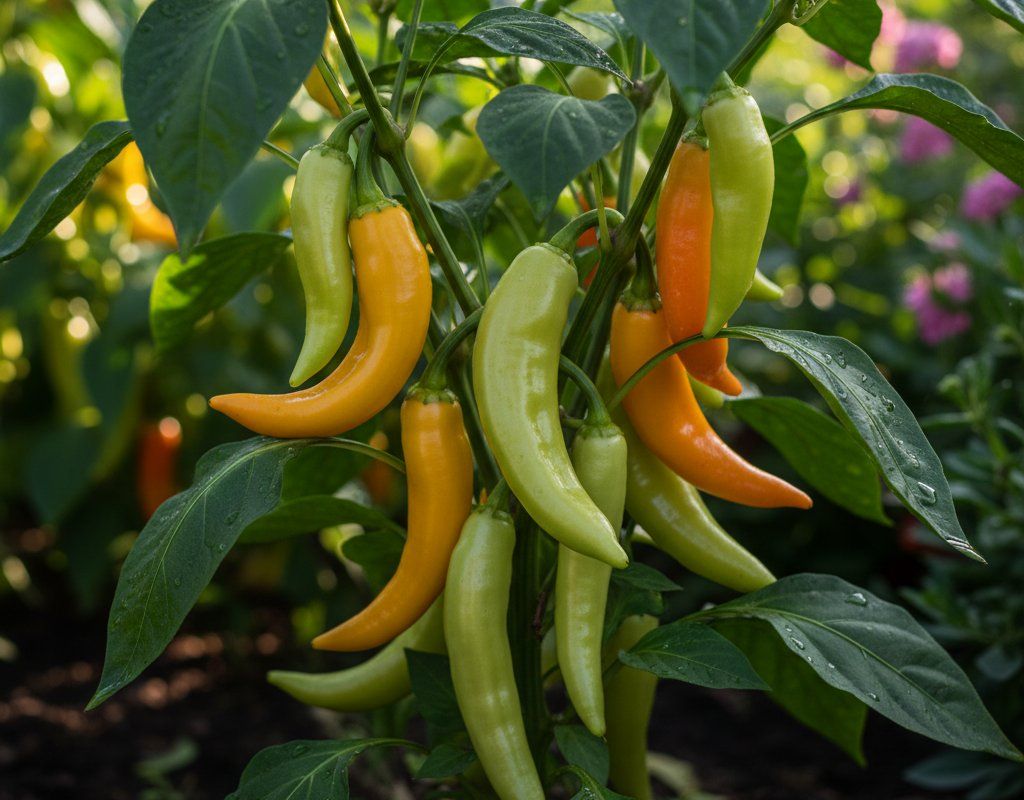
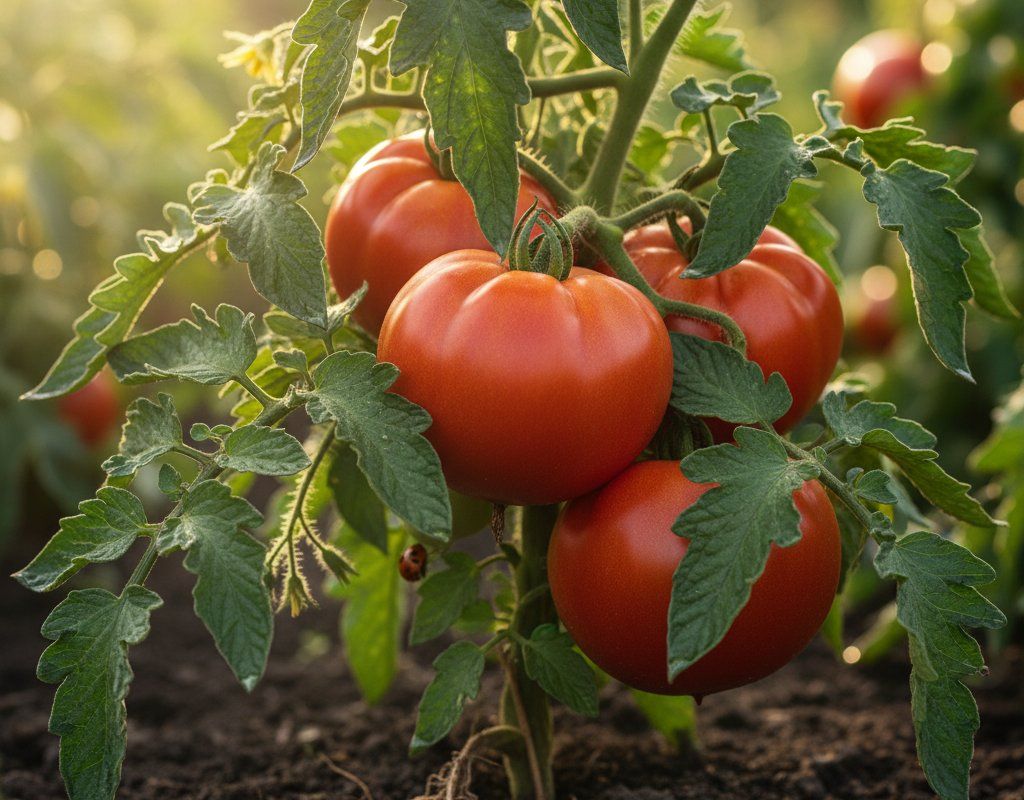
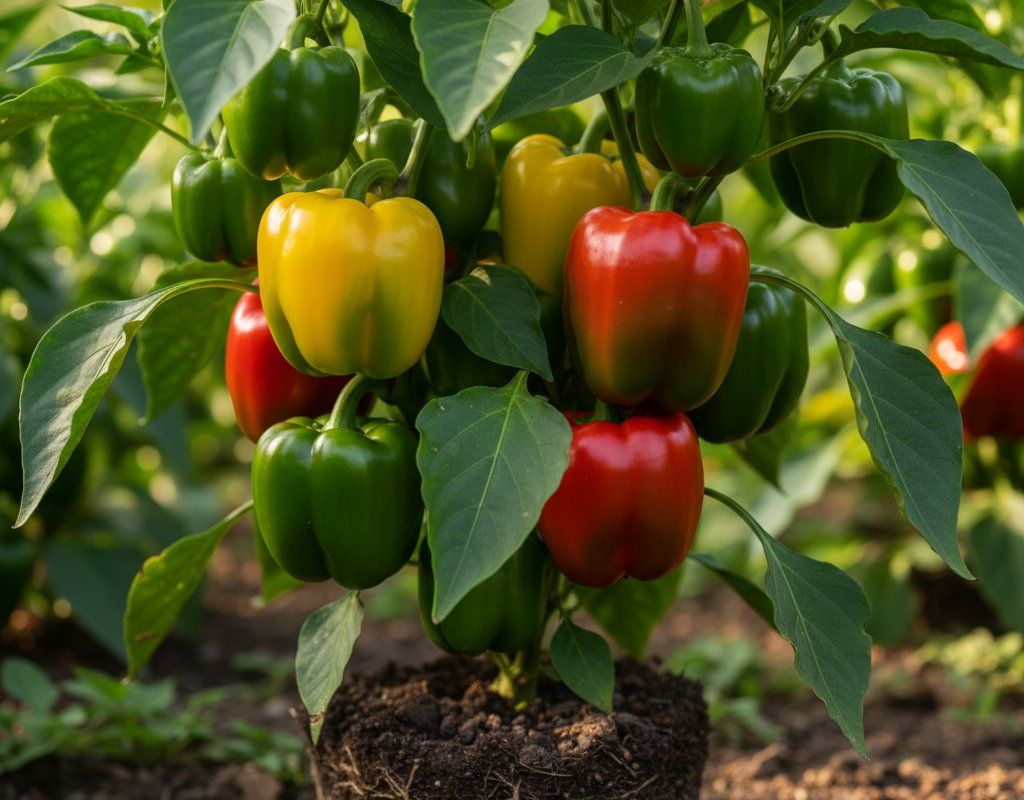
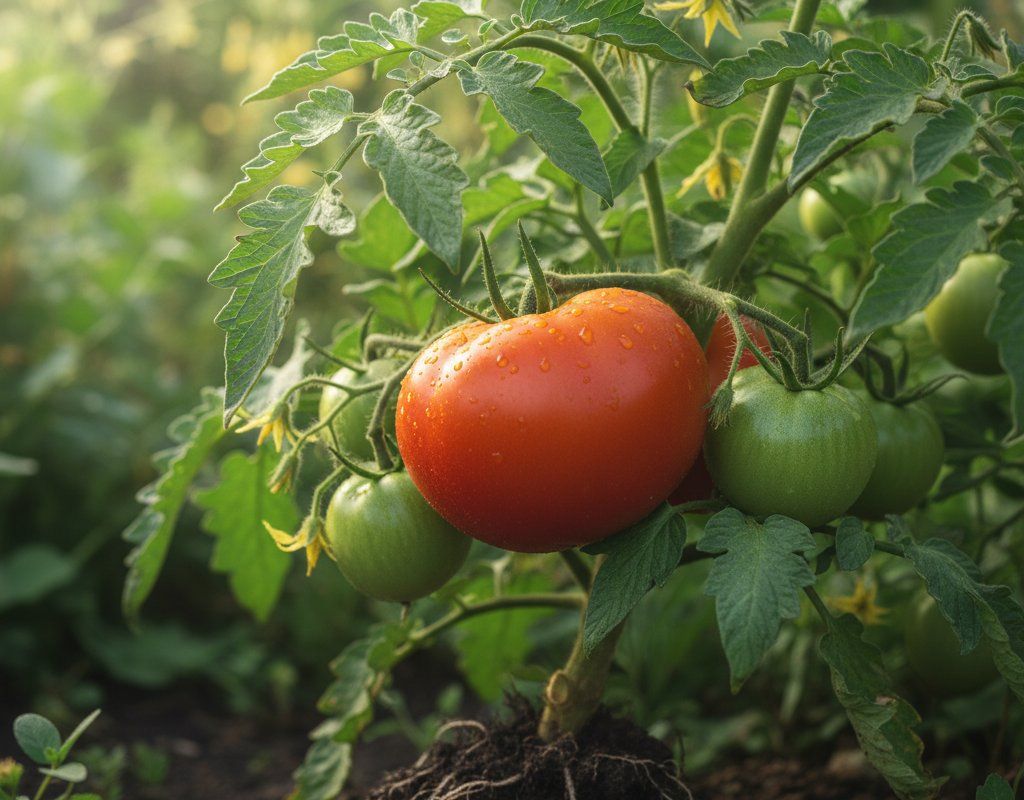
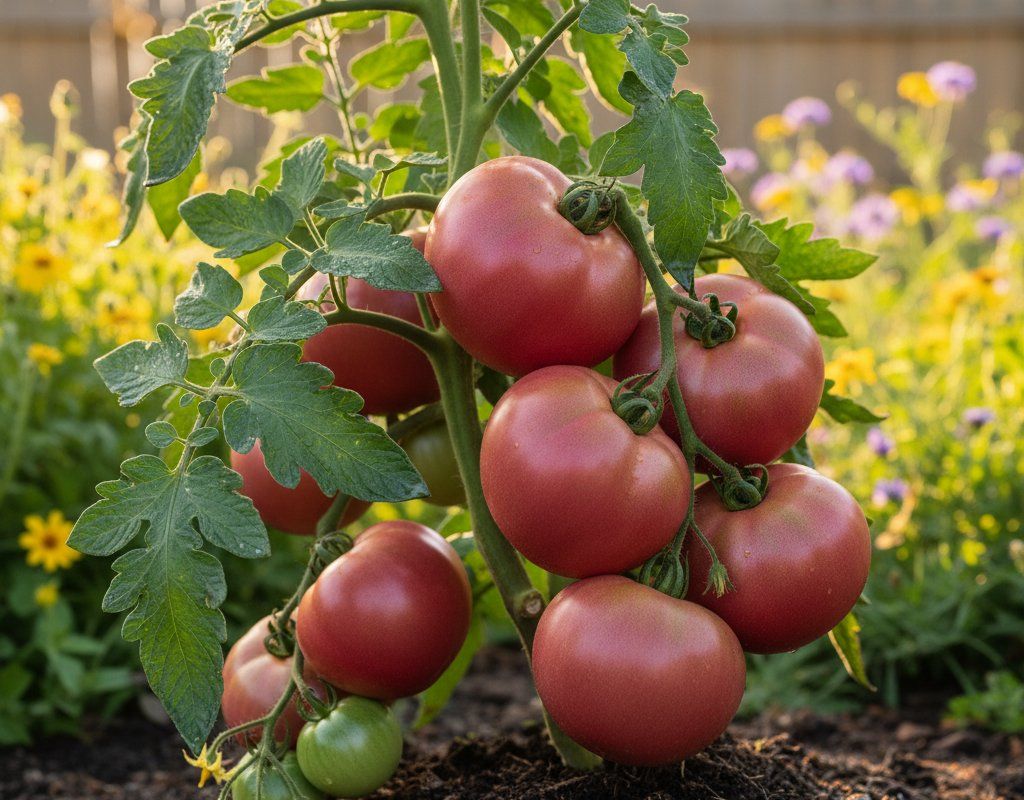
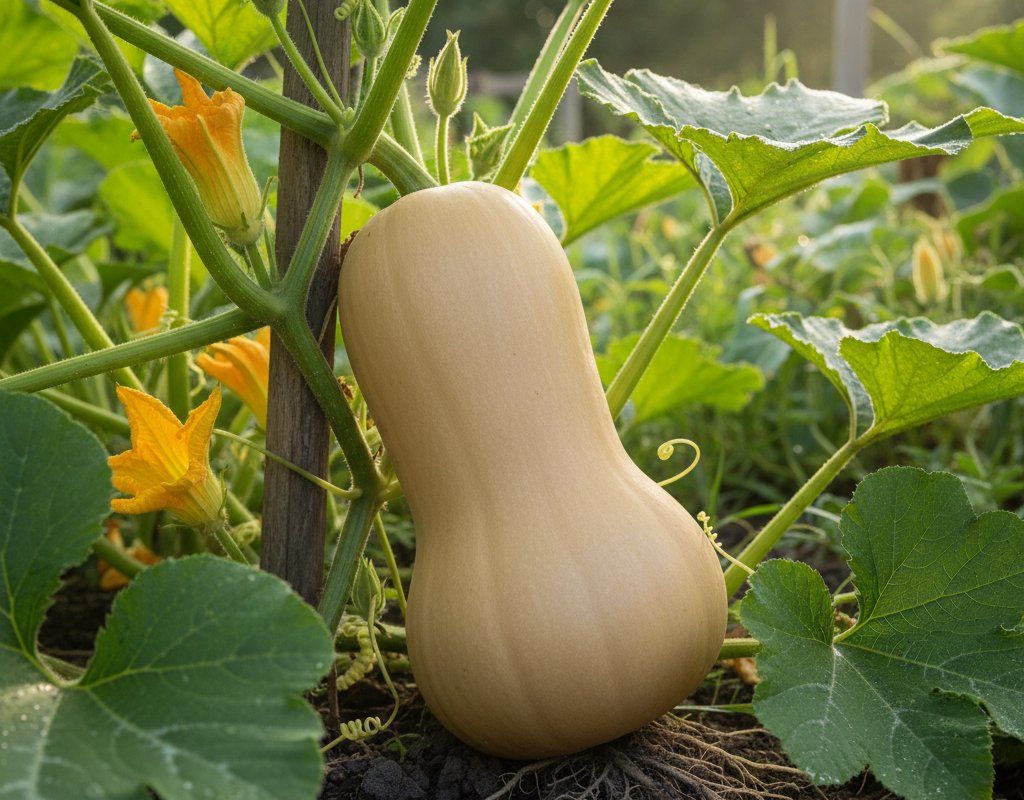


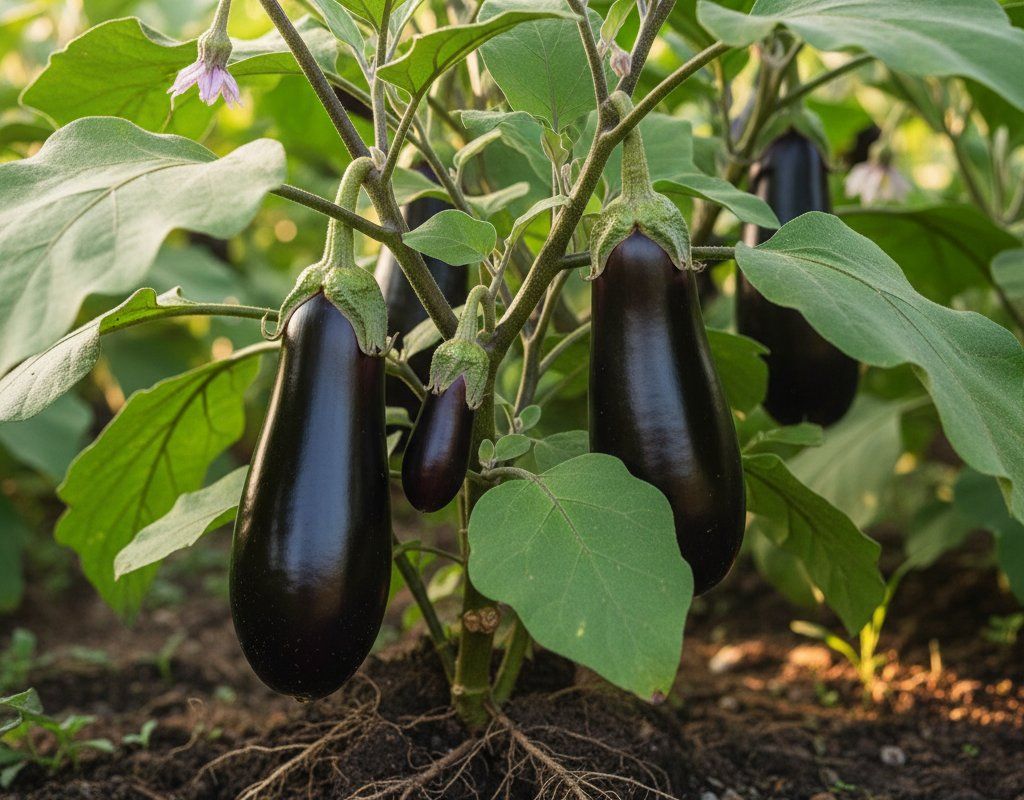

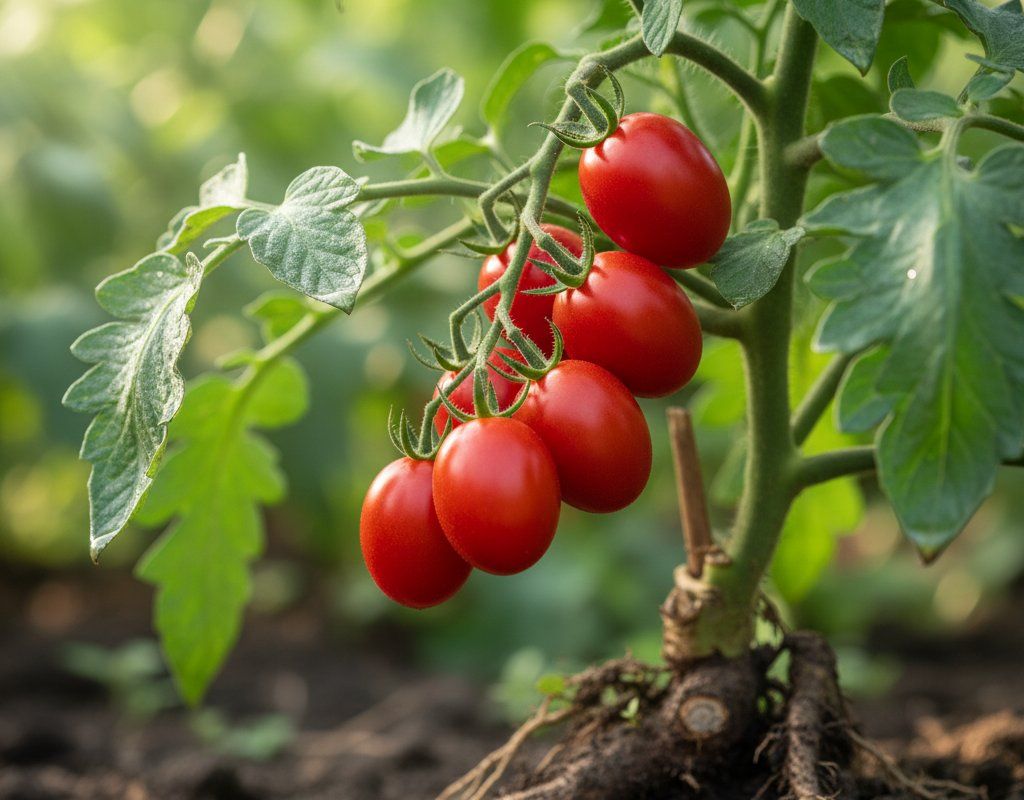
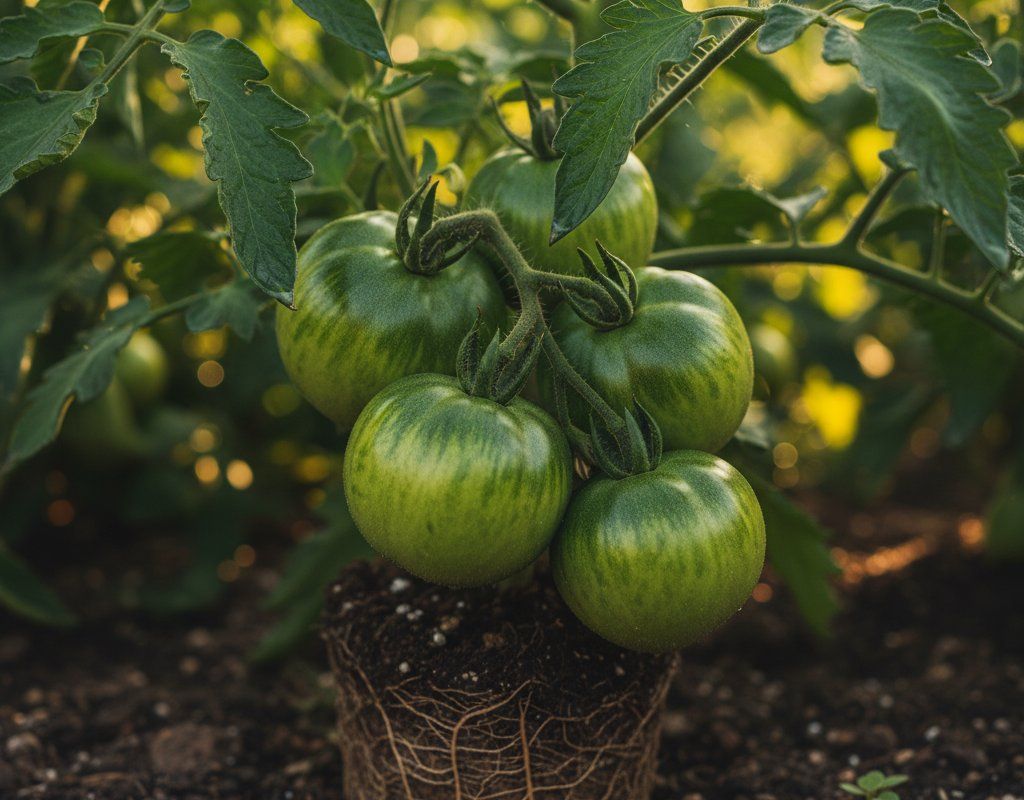
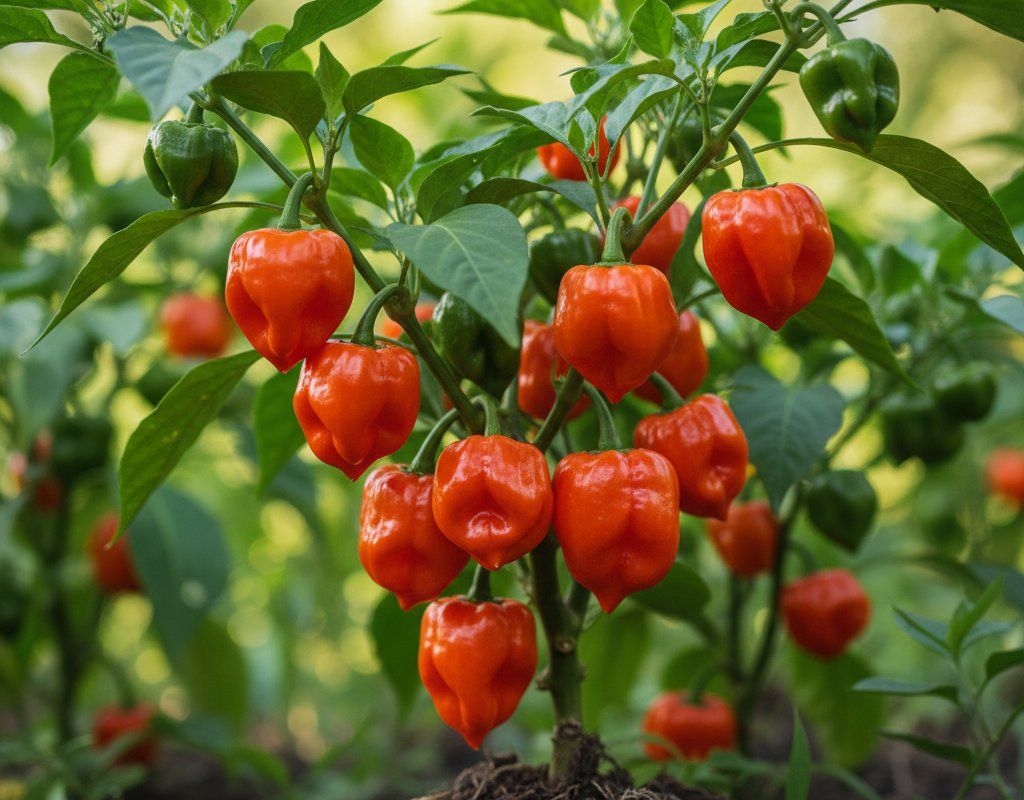


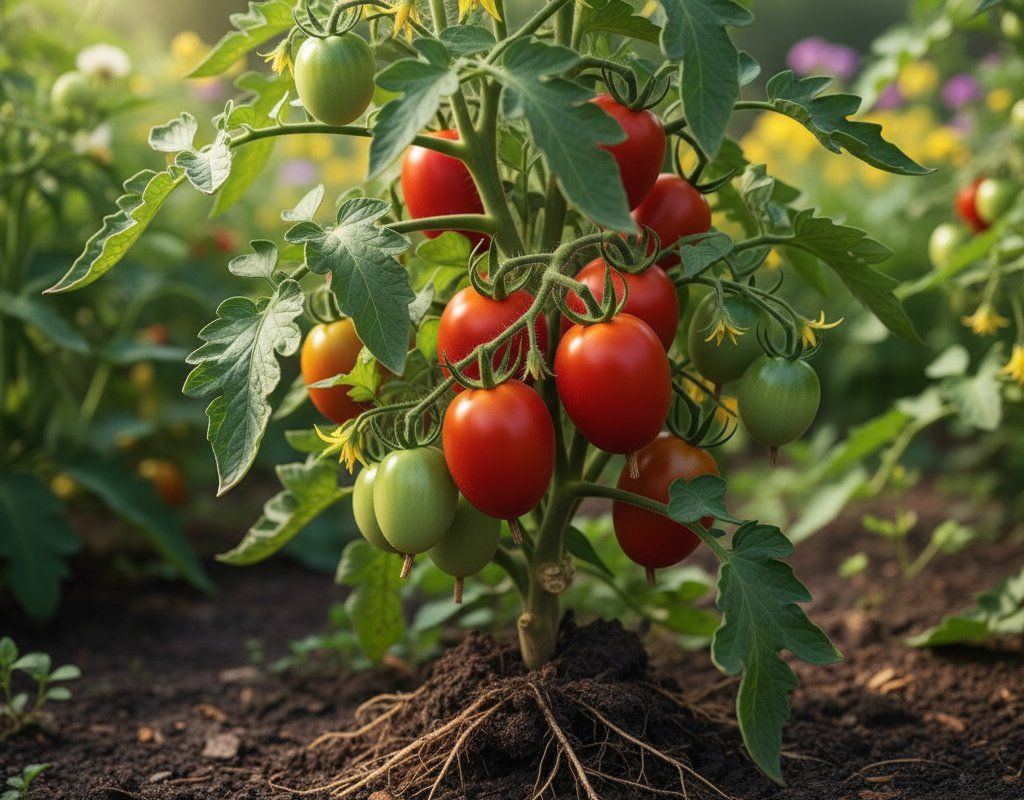
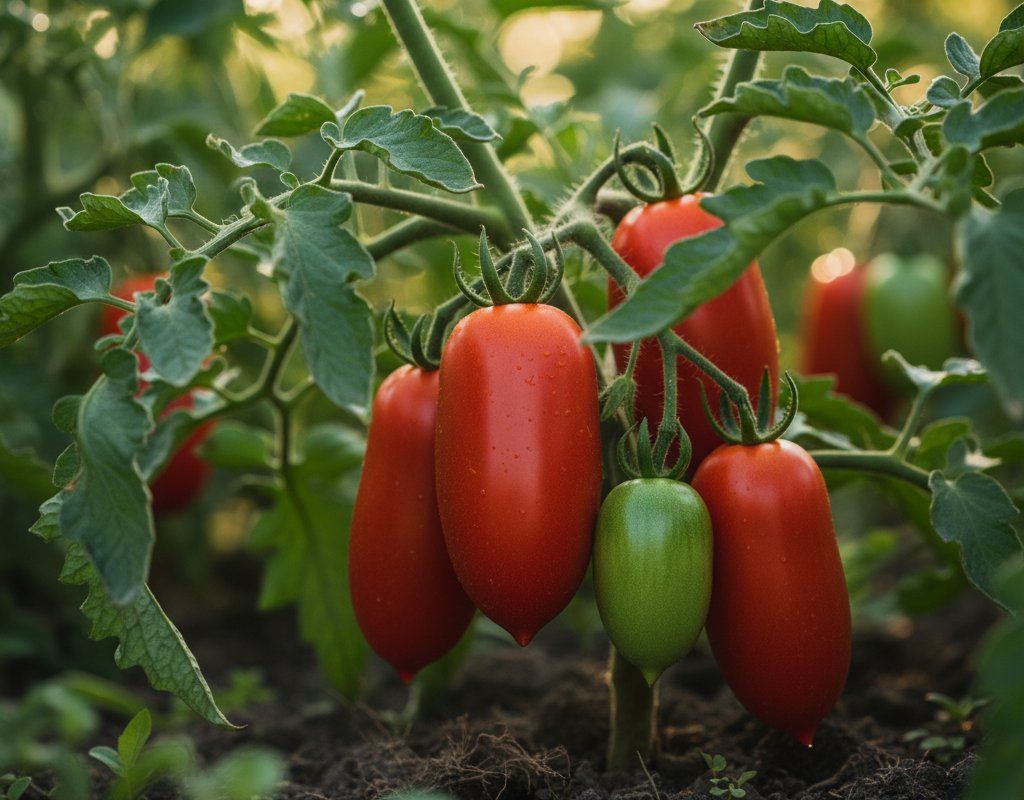
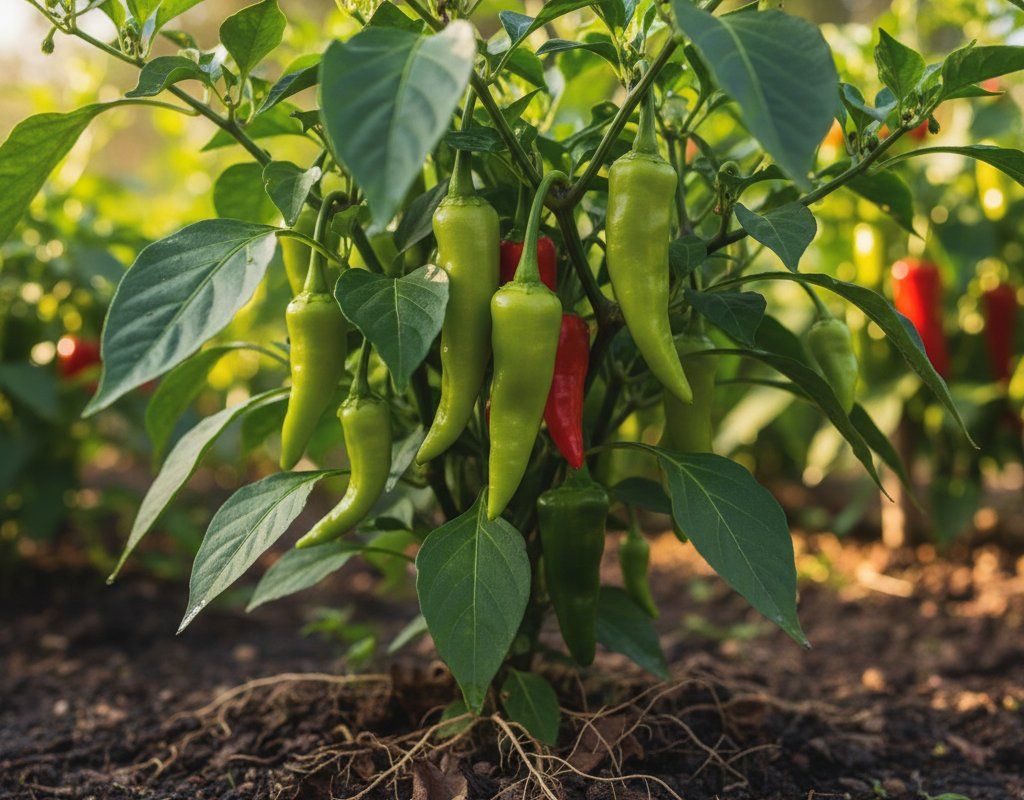
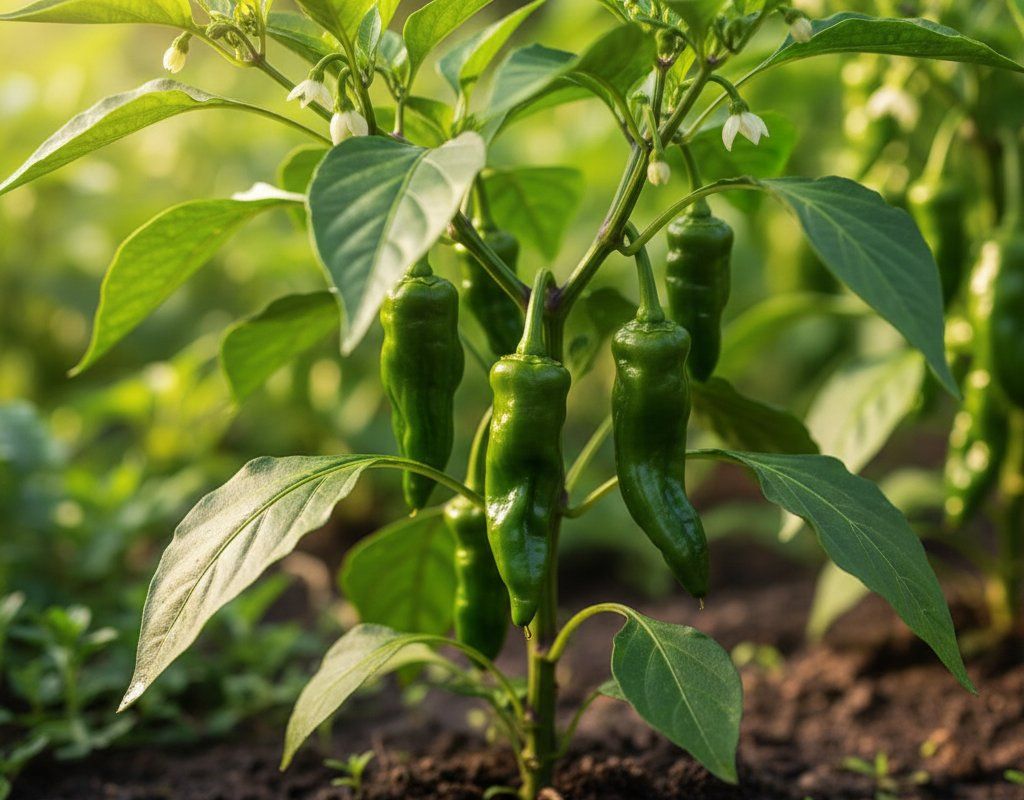


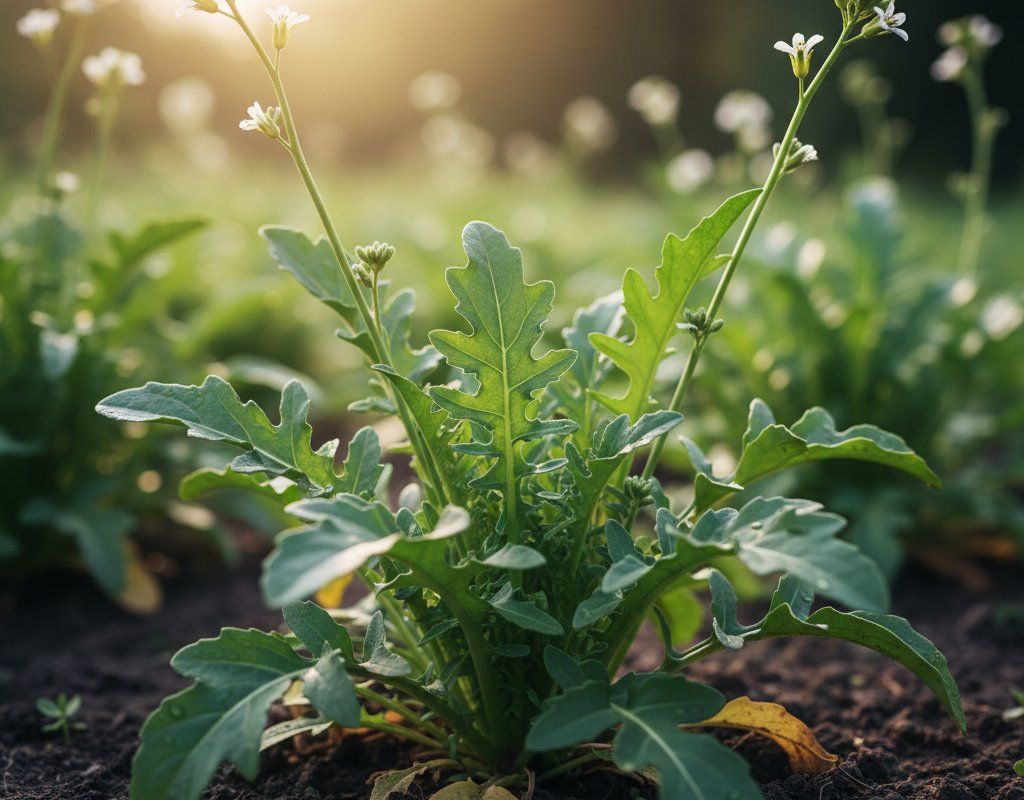
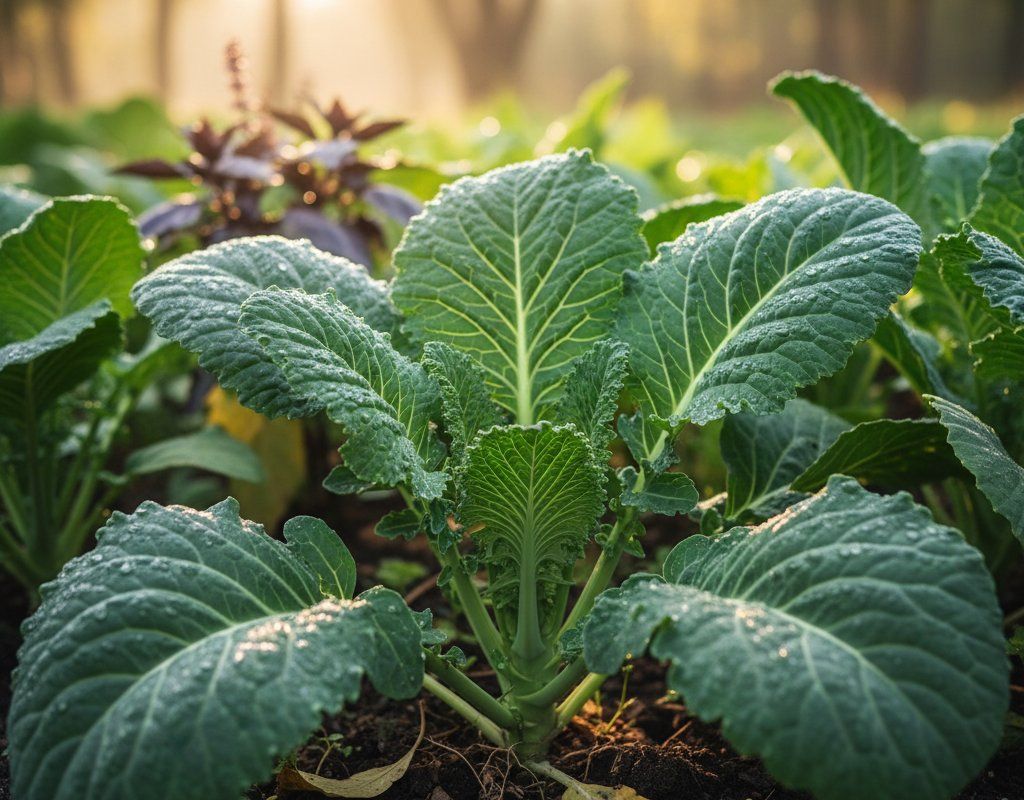
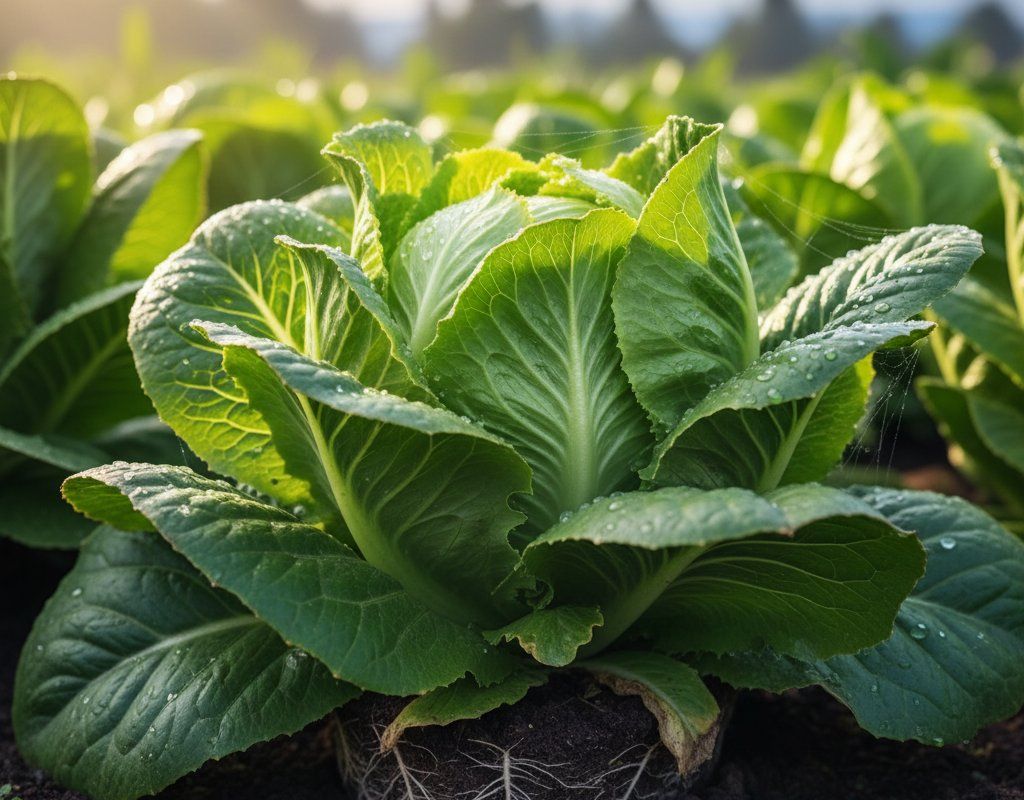
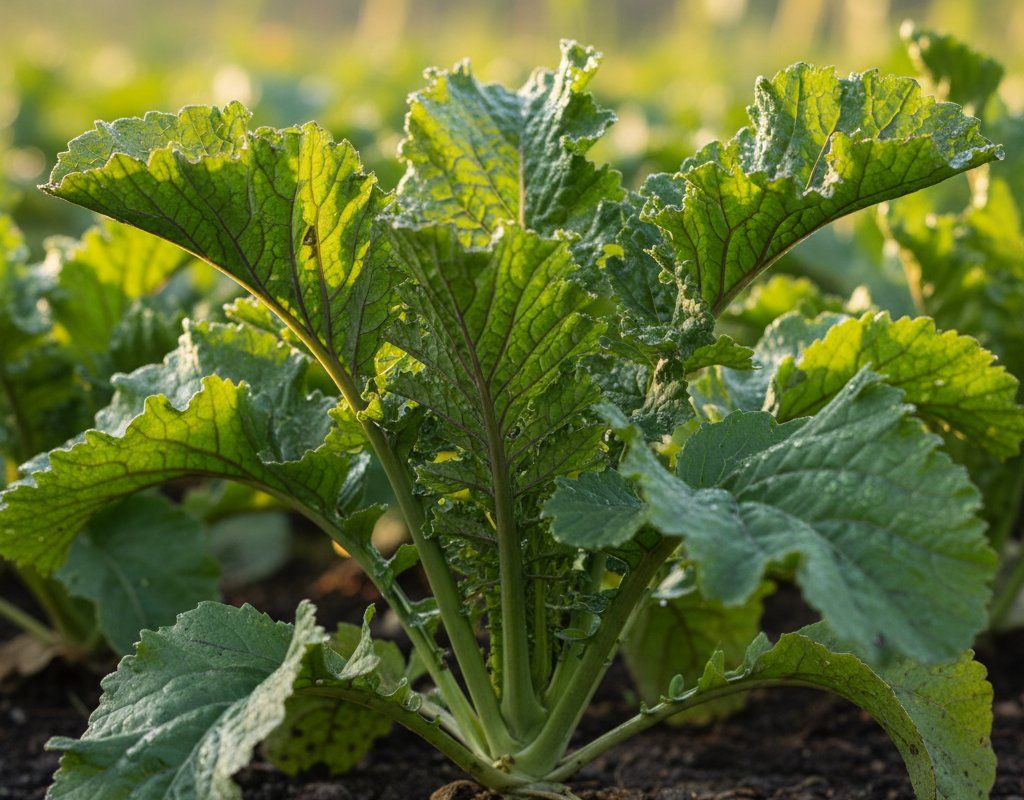
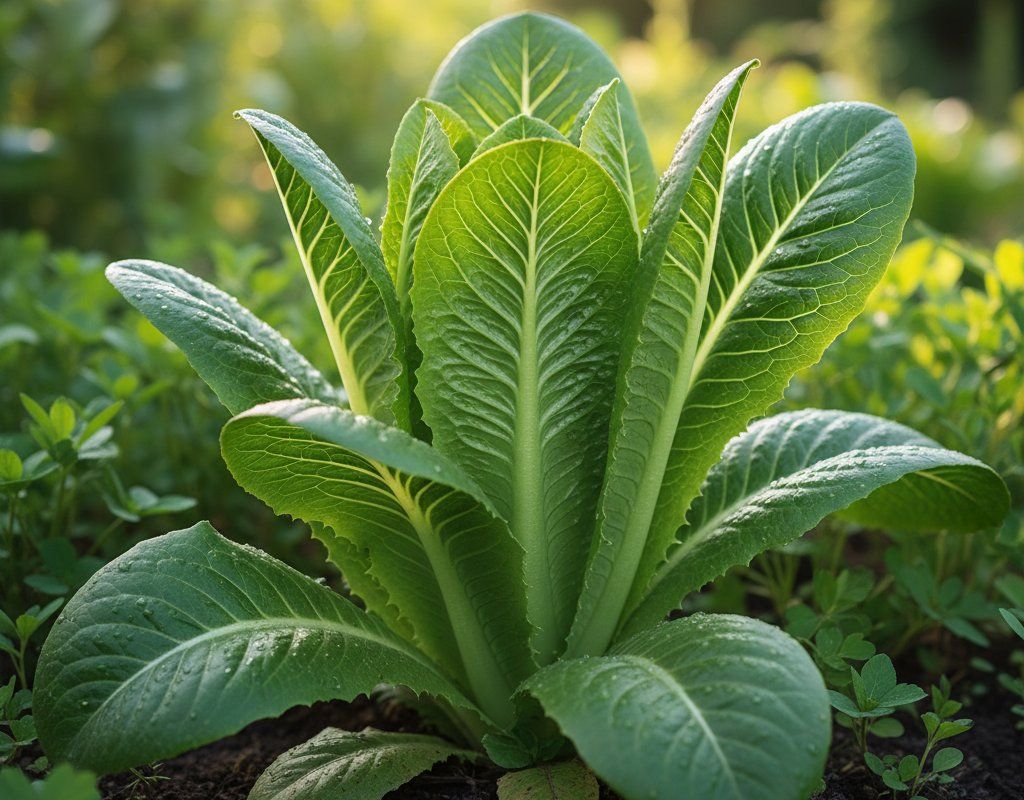
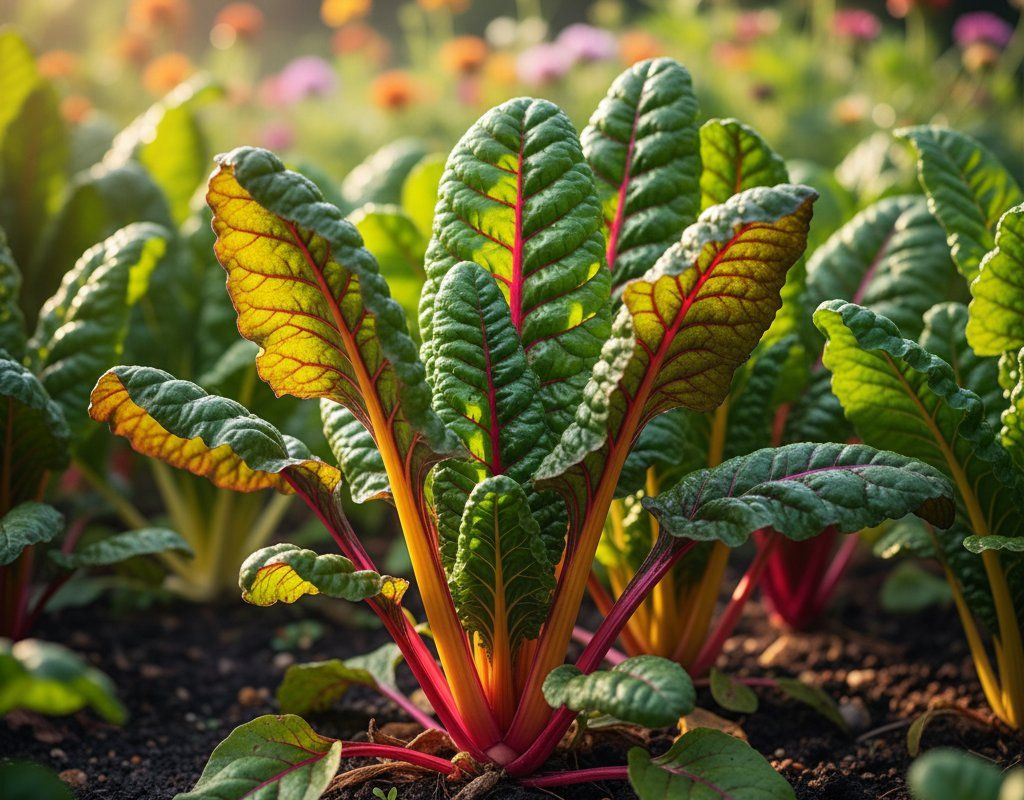
🥬Leafy Greens (9)



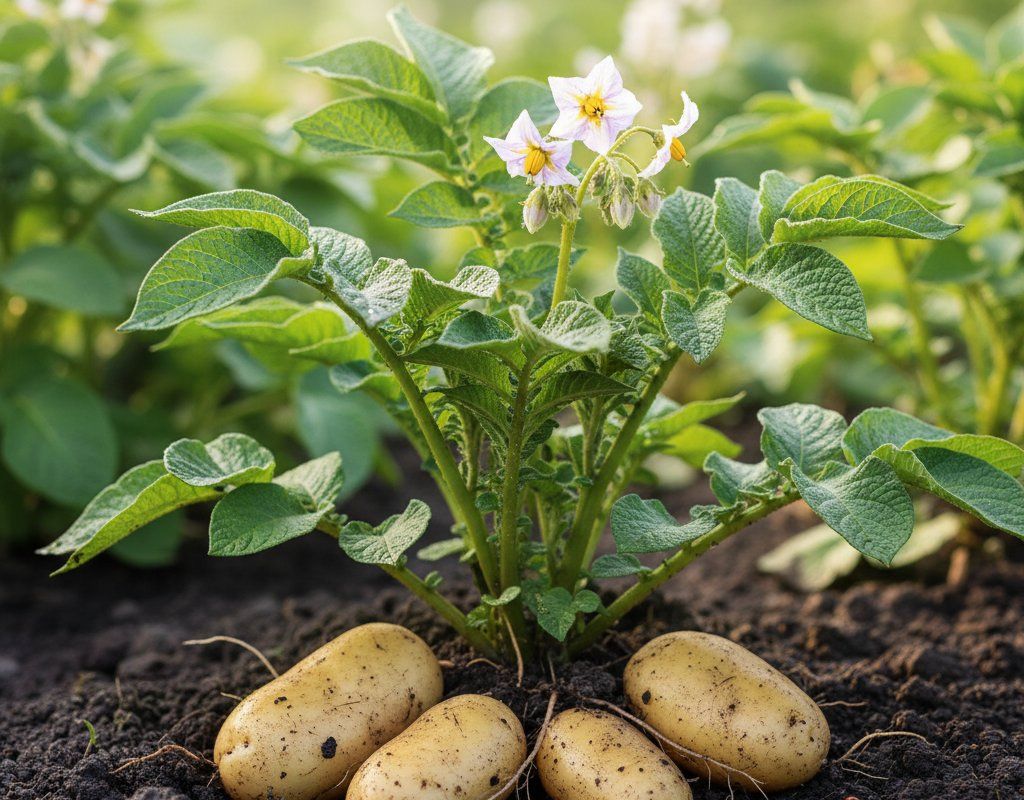
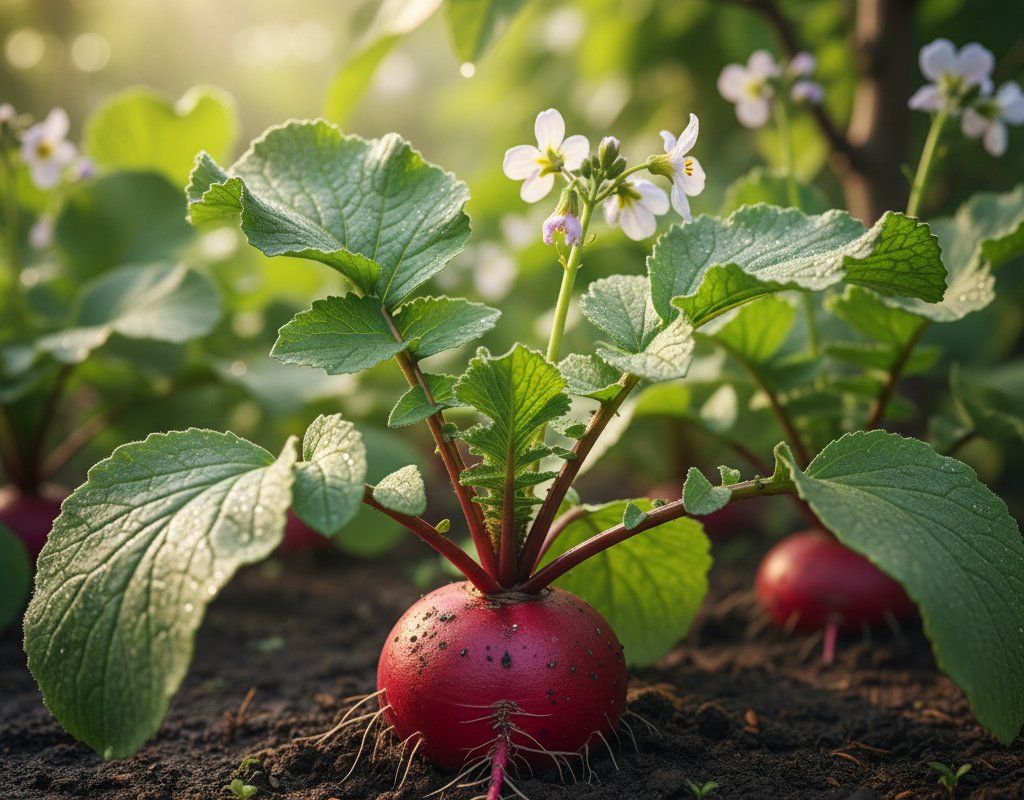
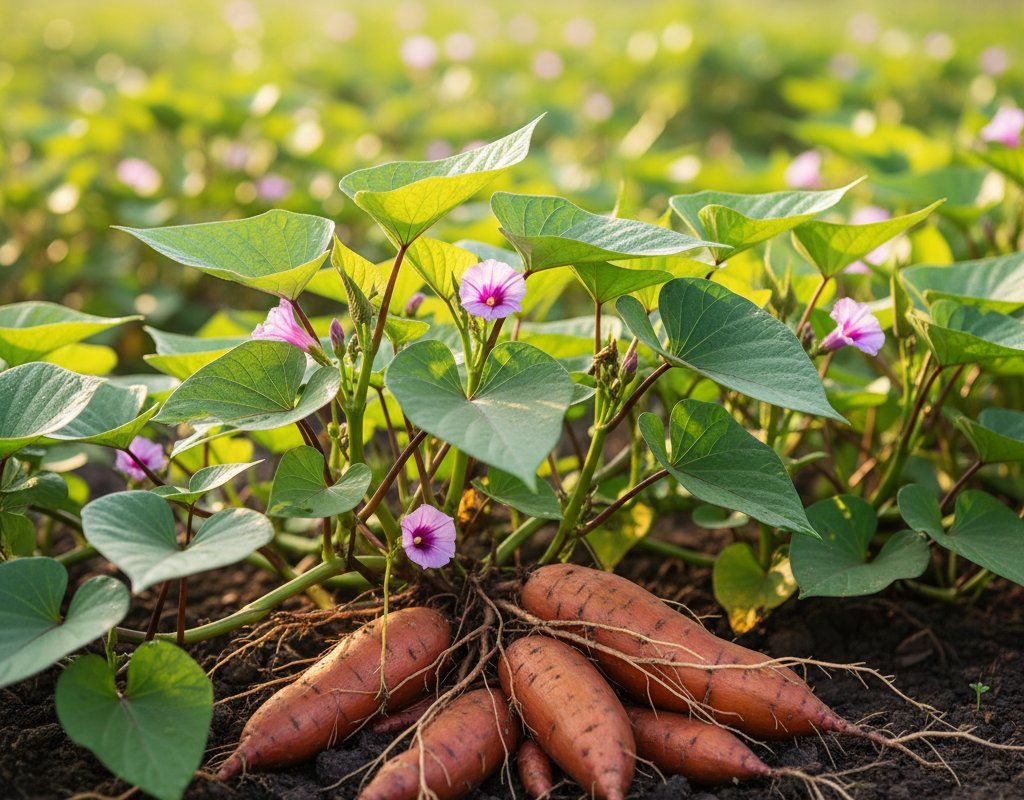
🥕Root Vegetables (5)


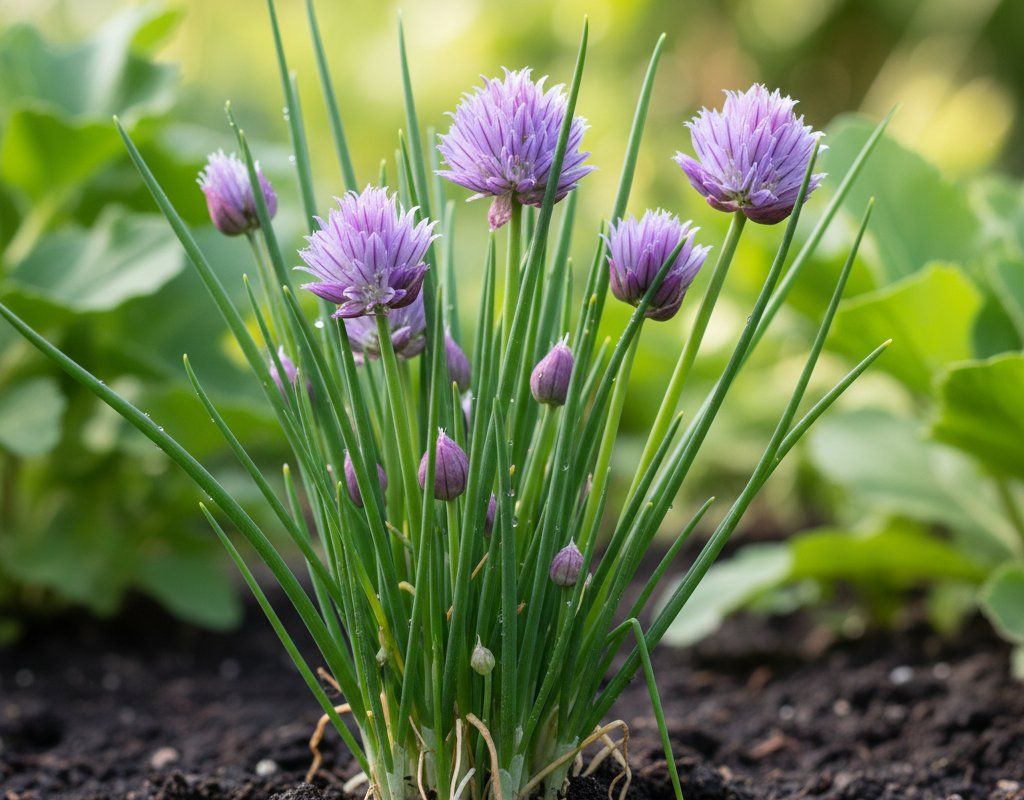
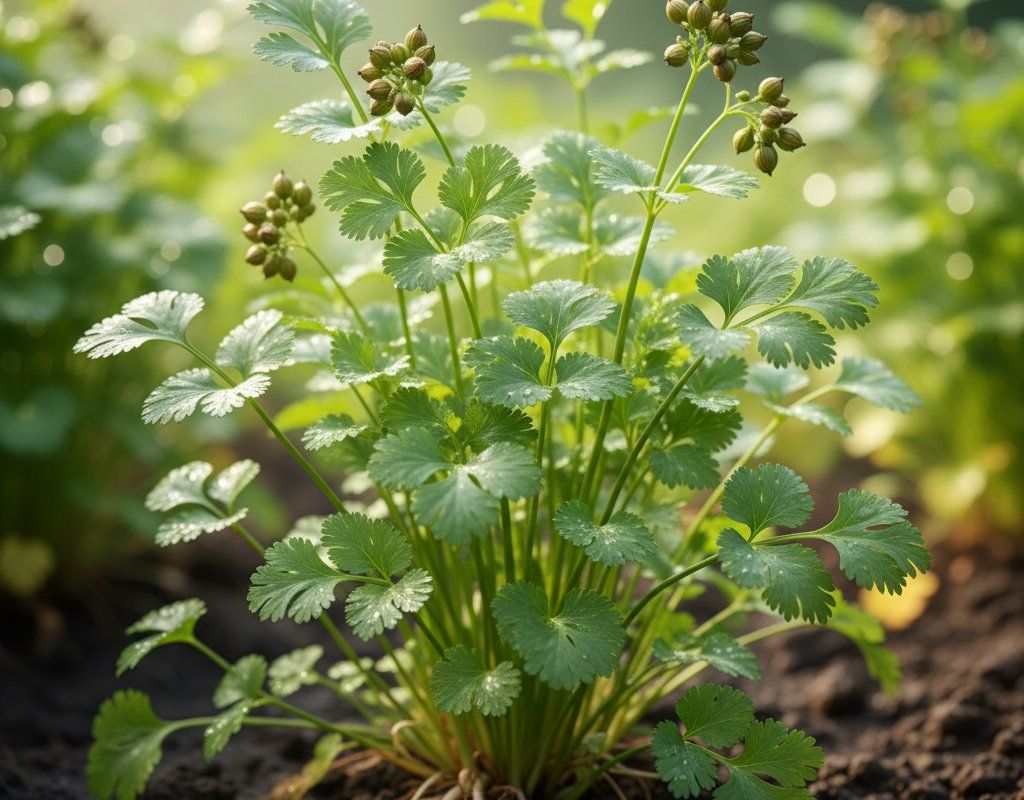
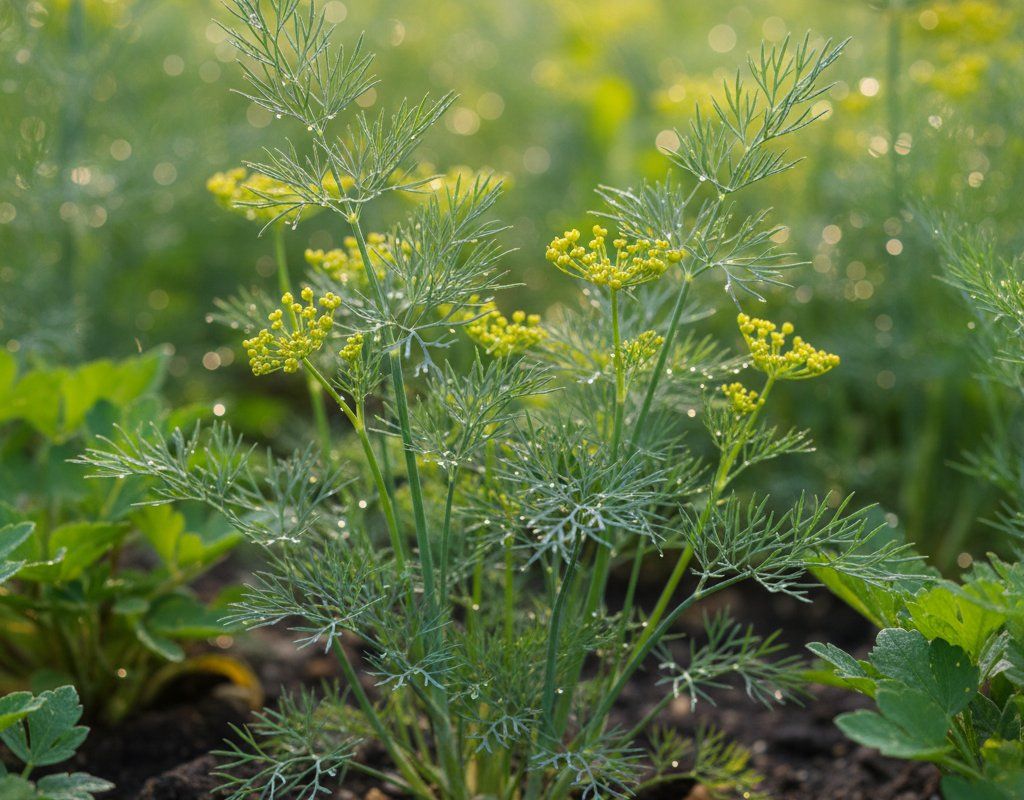
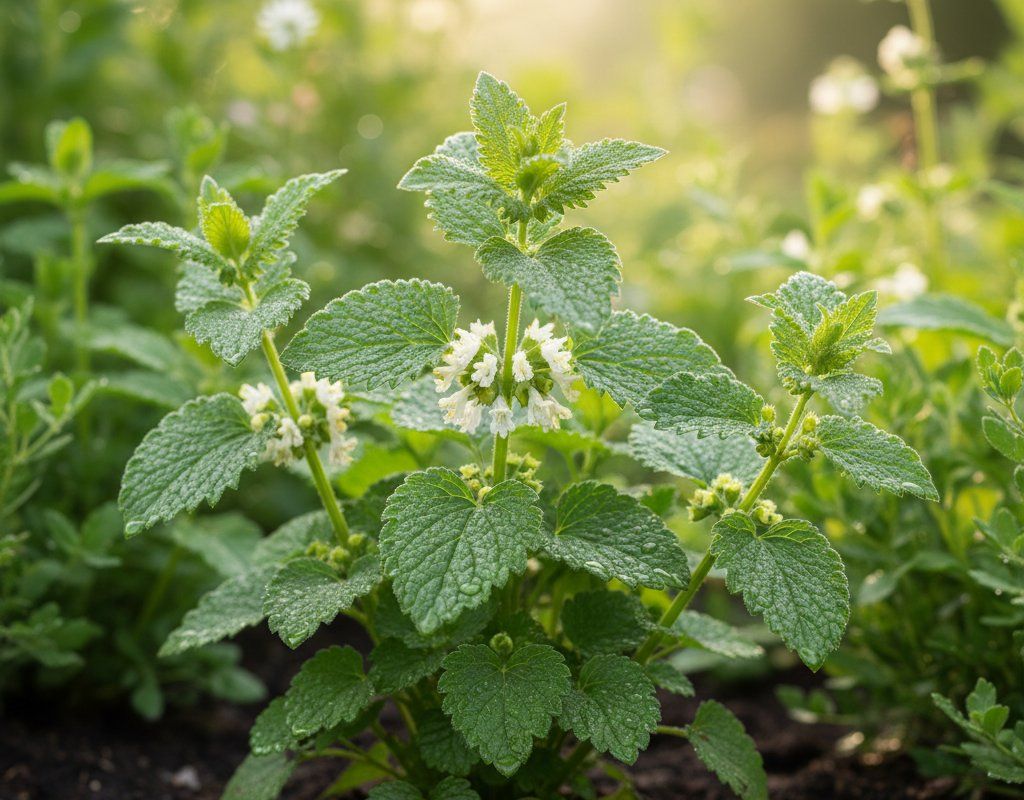
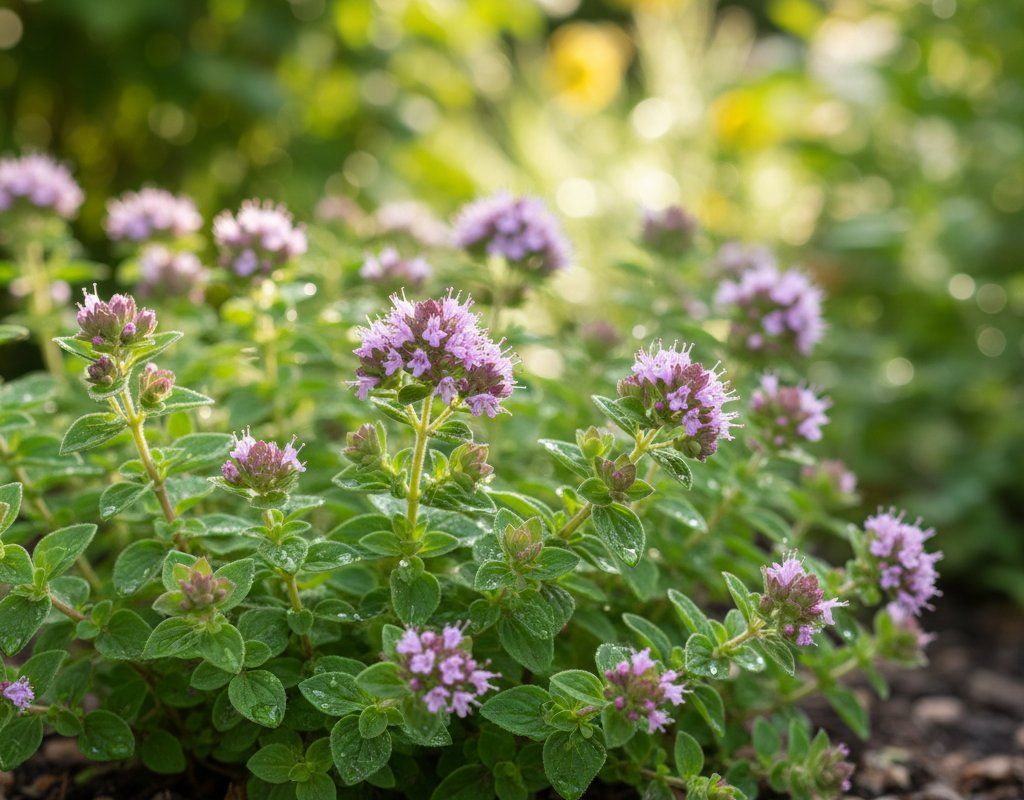
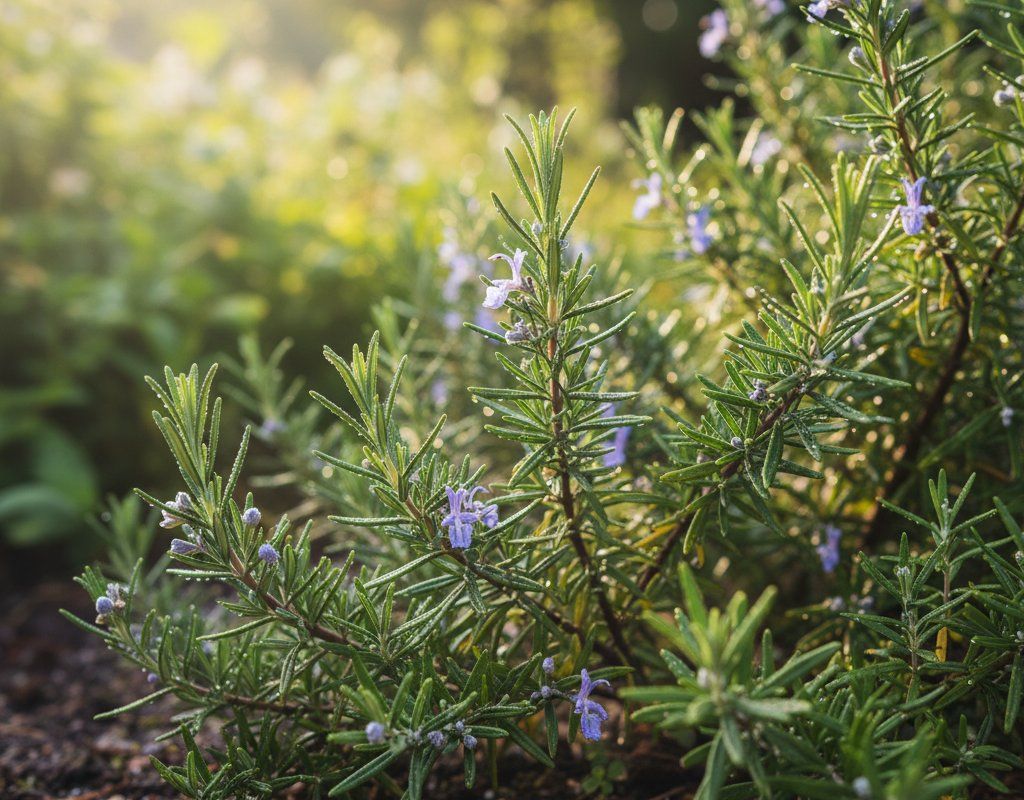
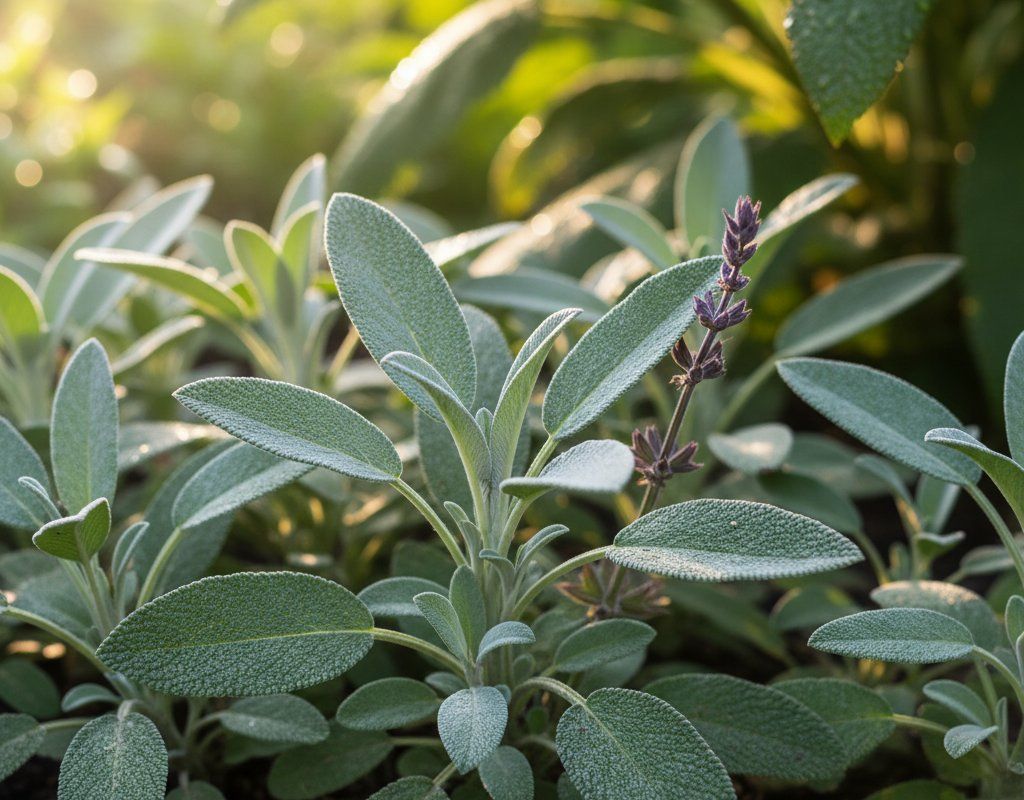
🌿Herbs (12)







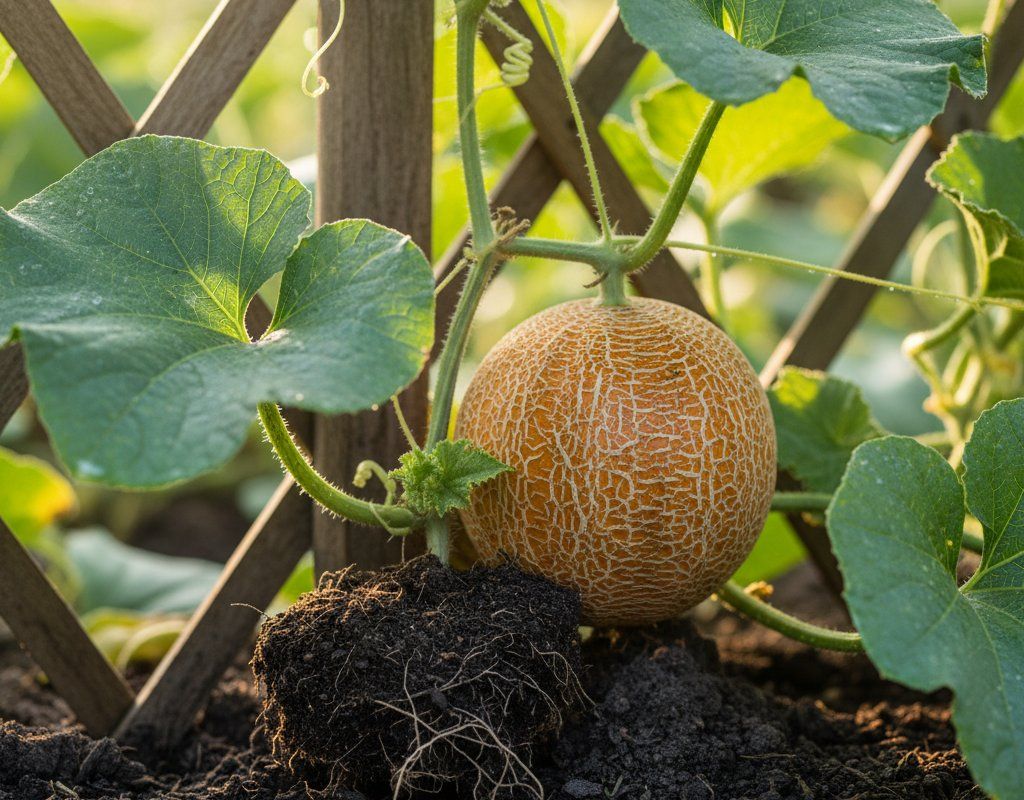
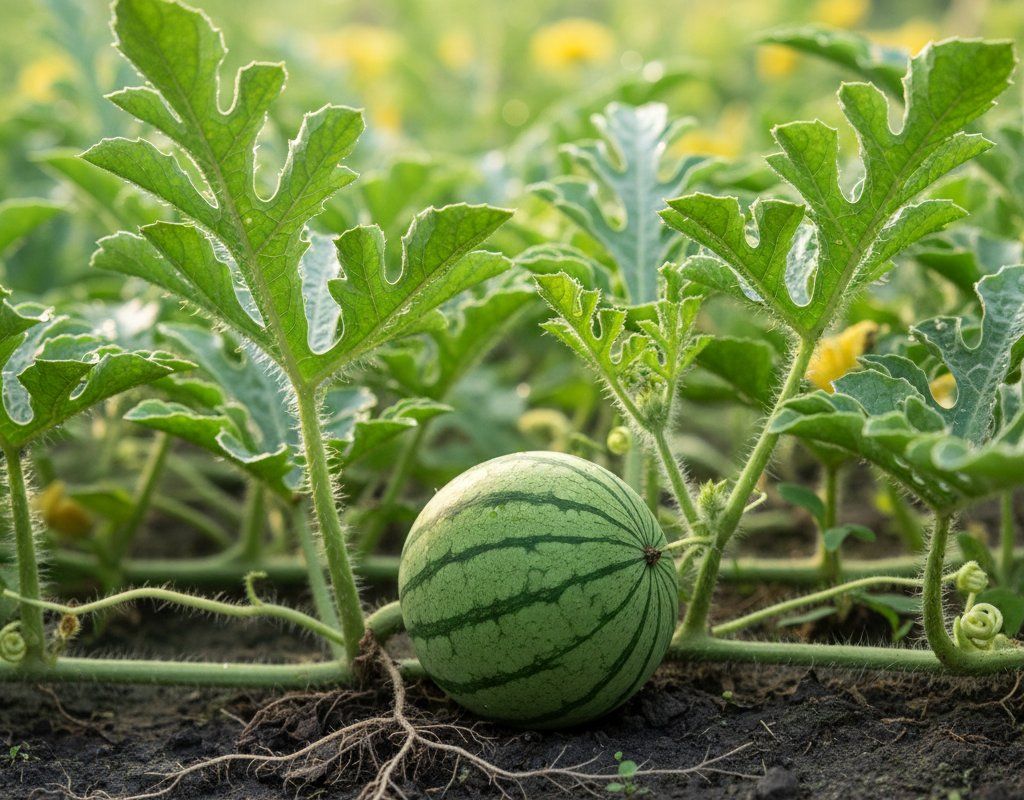
🍉Melons (2)
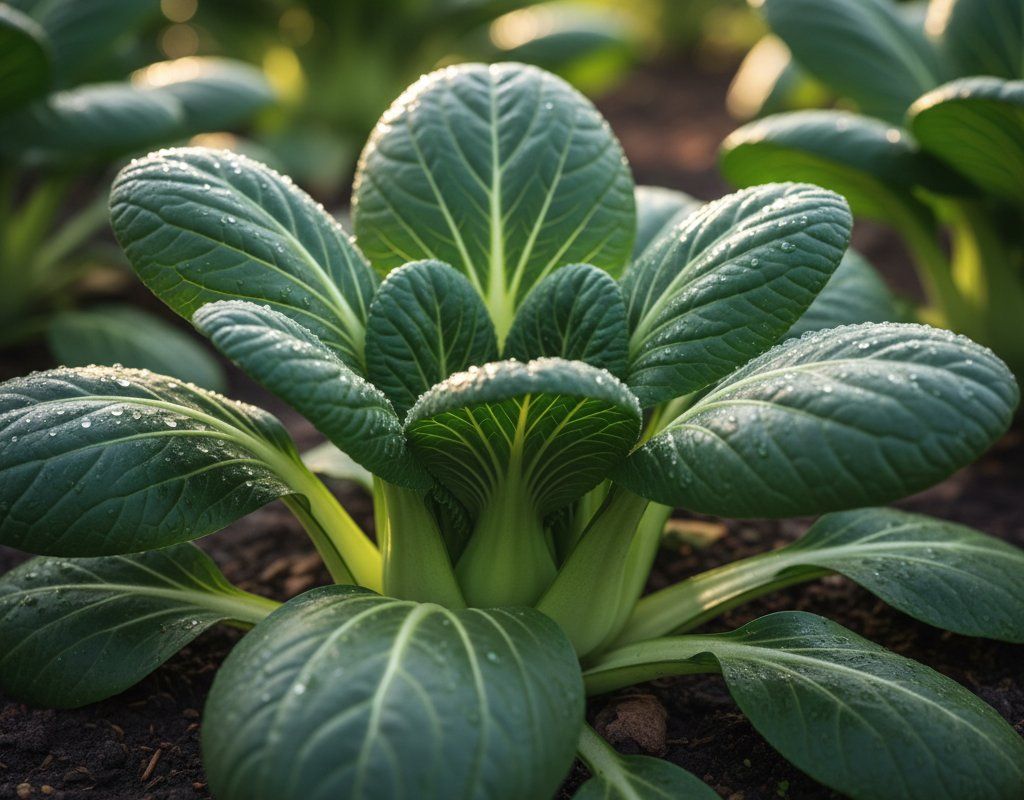
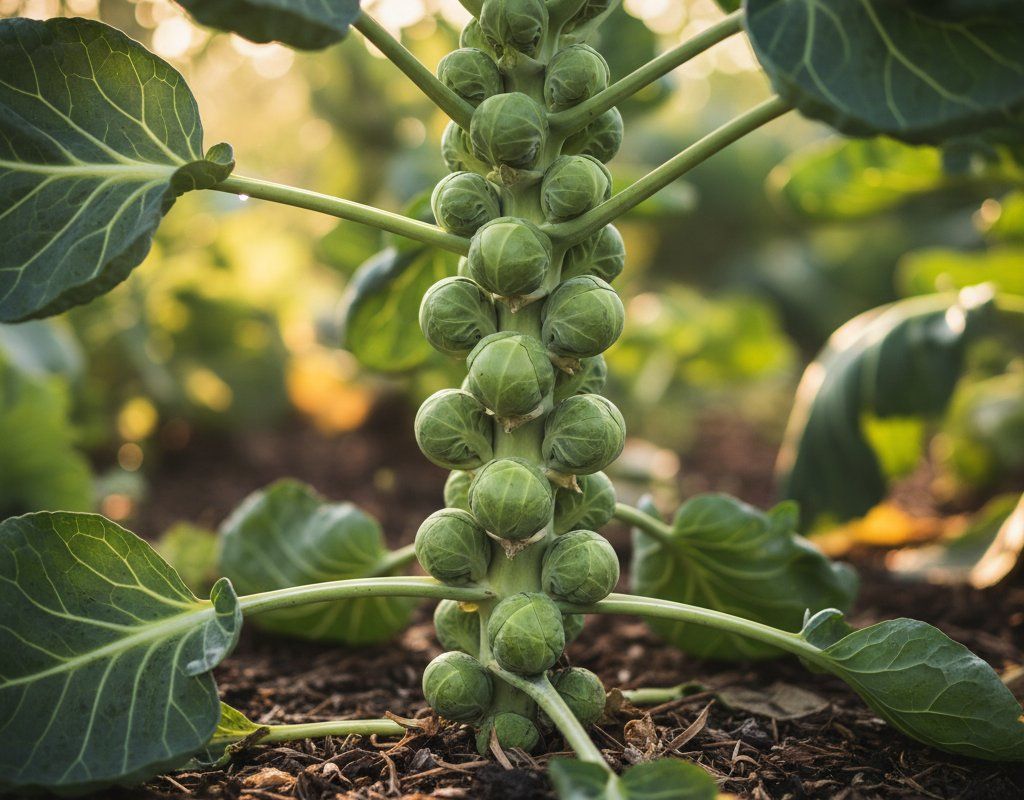
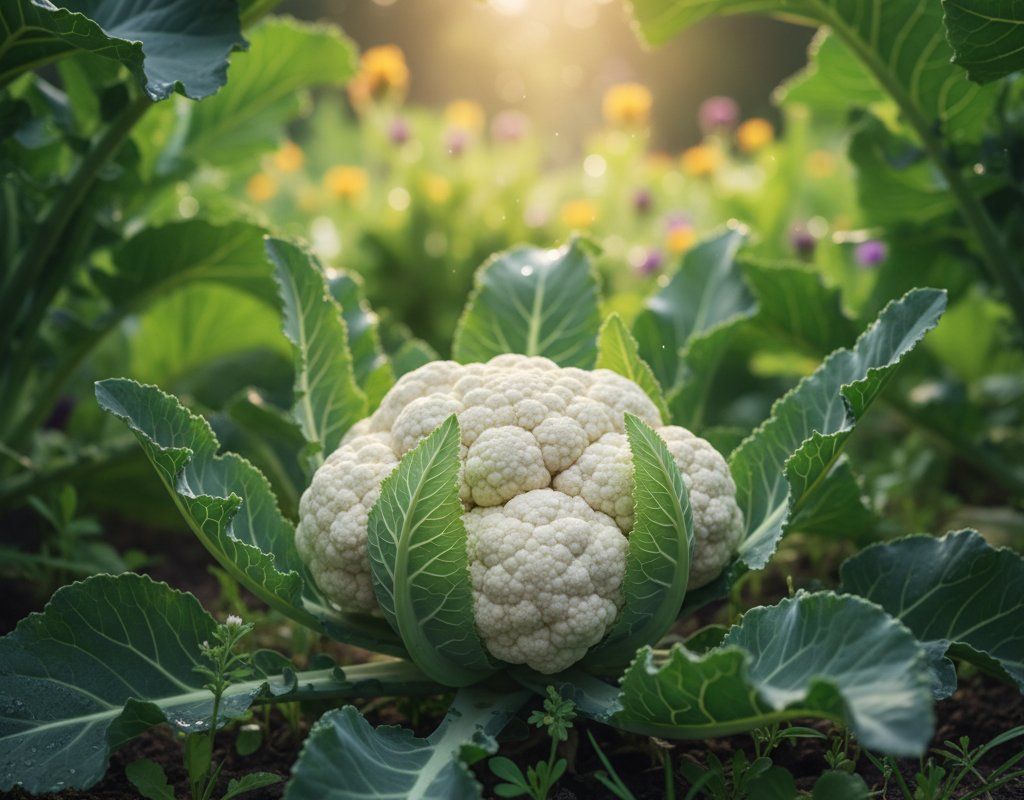
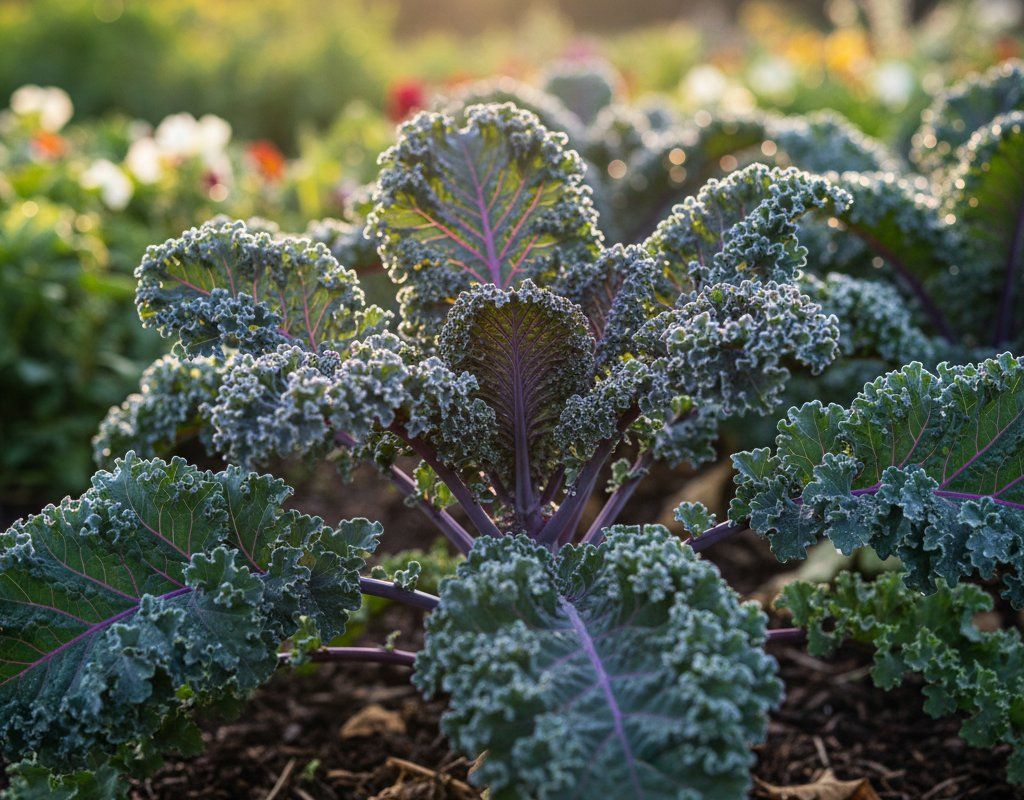
🥦Brassicas (6)


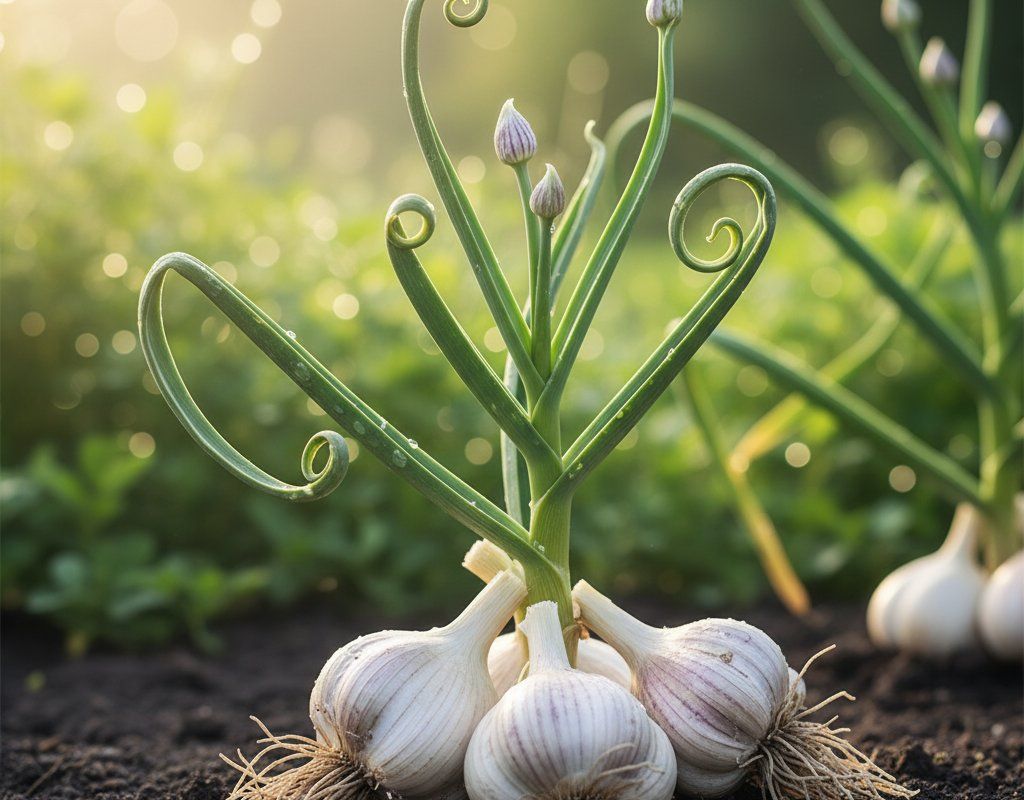
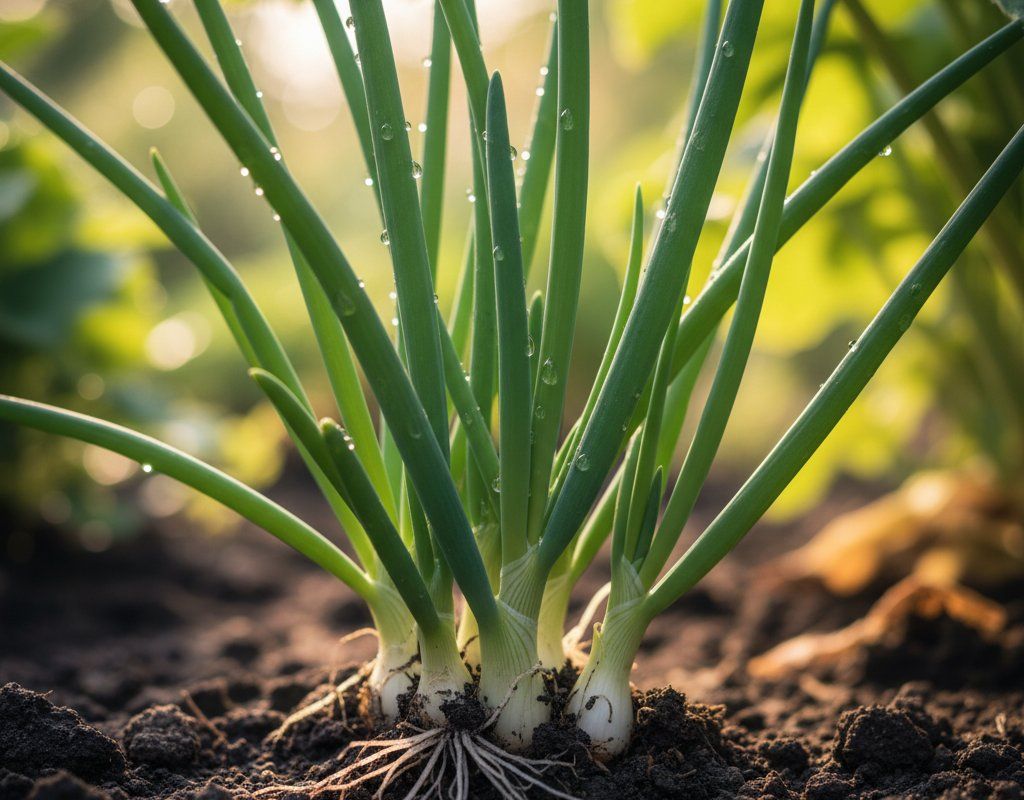
🧅Alliums (3)

🌽Grains (1)

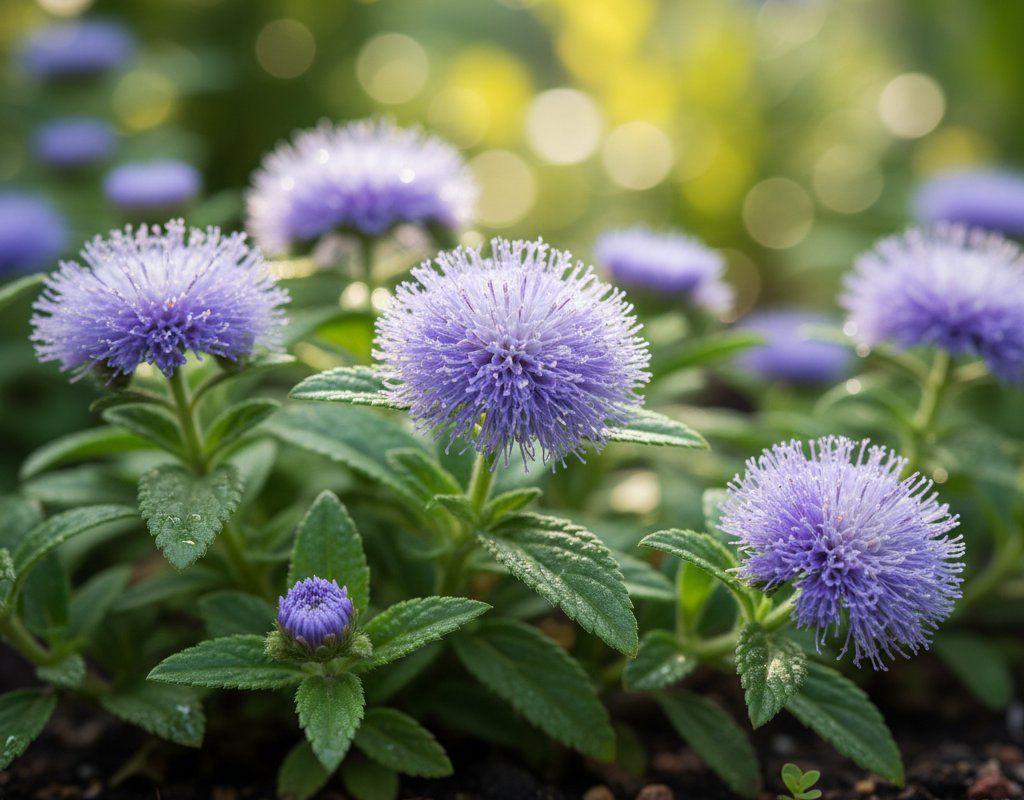
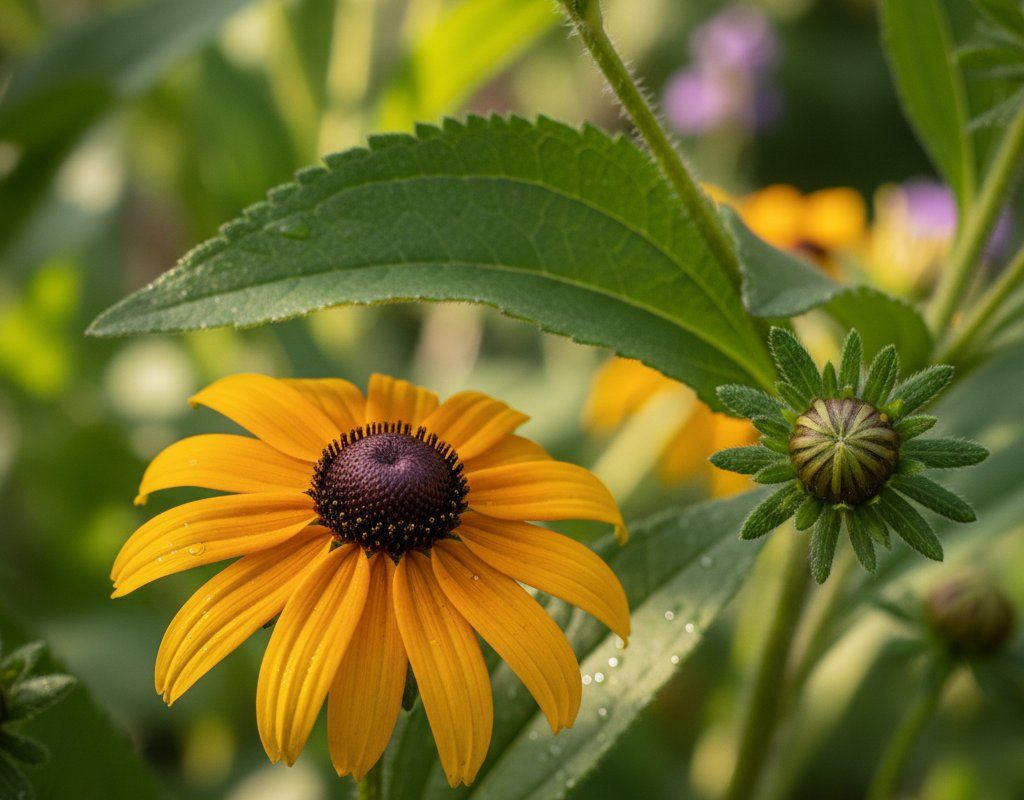
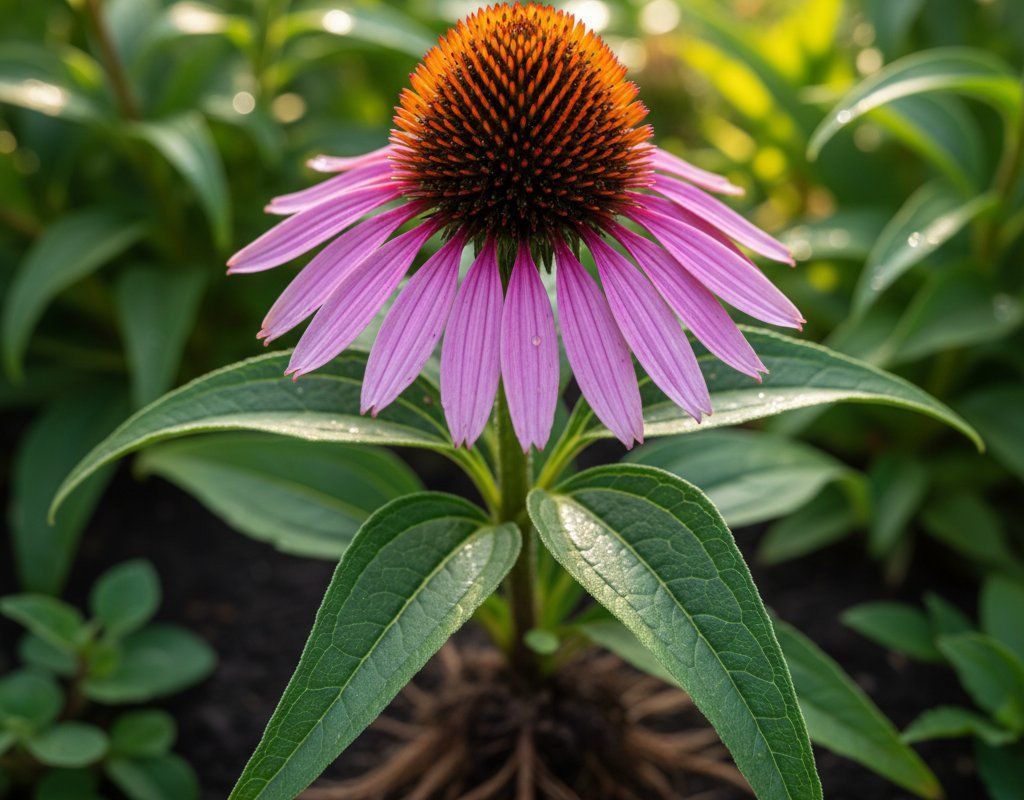
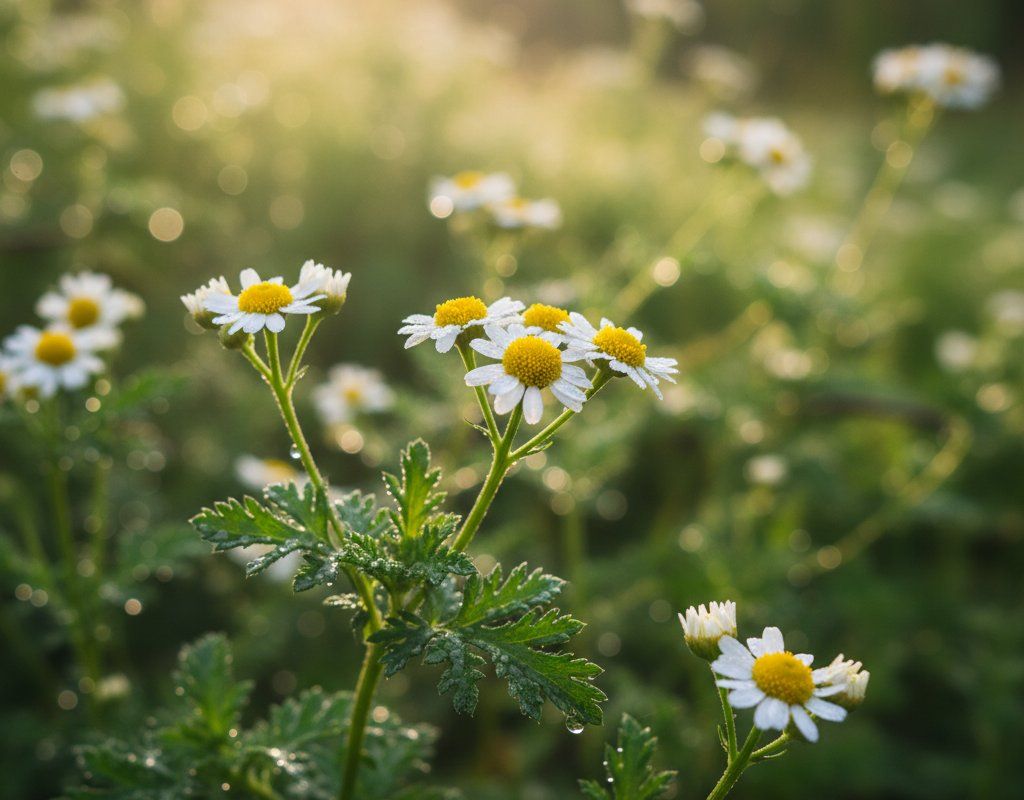
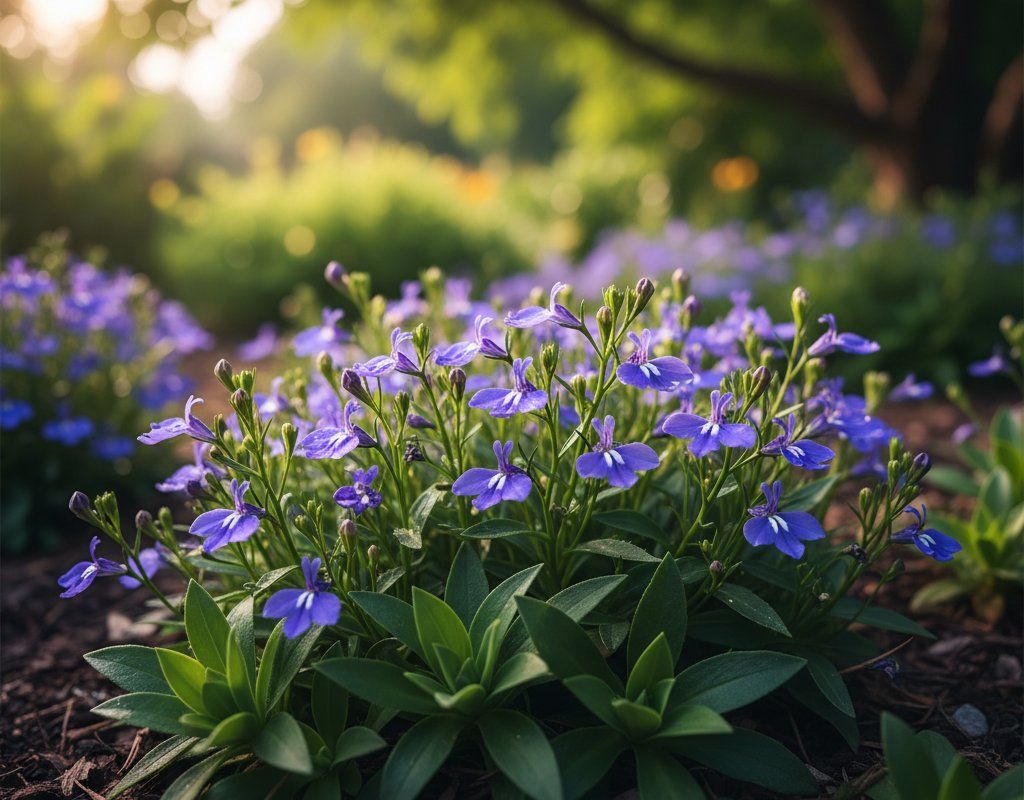
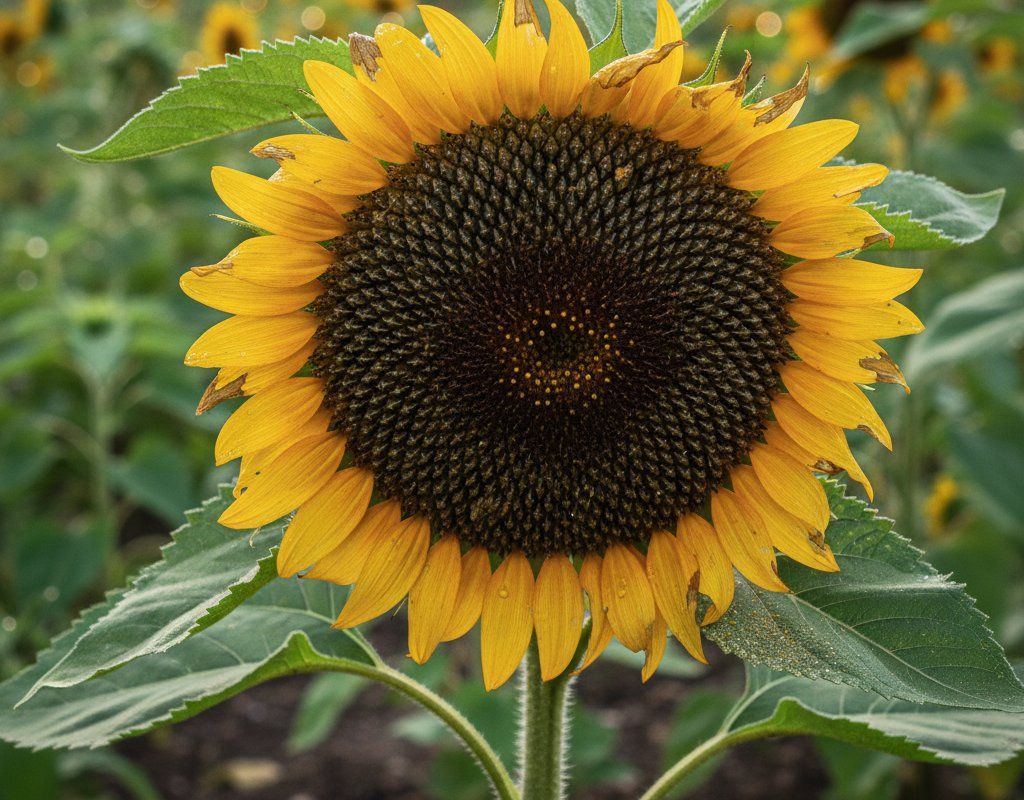
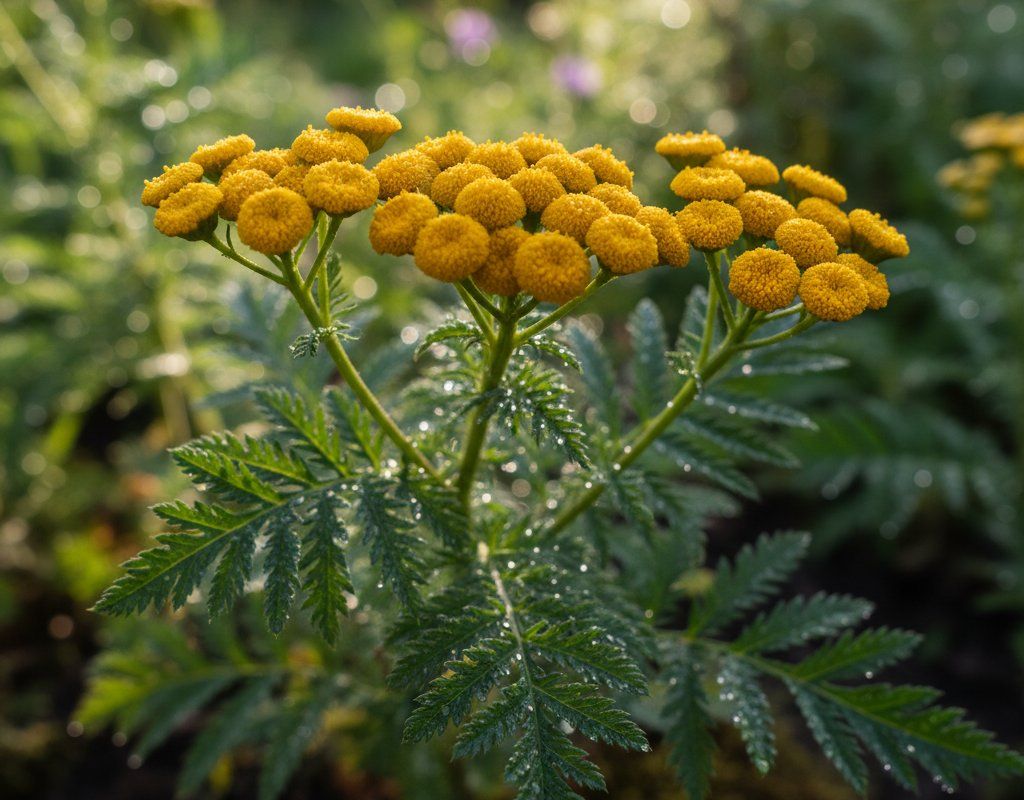
🌸Companion Flowers (20)













Month-by-Month Planting Calendar
What to do each month in your Zone 8A garden.
In January, Zone 8A gardeners should focus on seed catalogs, garden planning, and preparing indoor seed-starting spaces. Order your seeds early, especially for warm-season crops like tomatoes and peppers that you'll start indoors. Clean and organize your gardening tools, and begin mapping out your garden layout.
February is prime seed-starting time in Zone 8A. Begin indoor seedlings for tomatoes, peppers, and eggplants, using heating mats to encourage germination. Prepare your garden beds by adding compost and turning soil, and consider planting cool-season crops like lettuce and spinach.
March marks the transition to active gardening in Zone 8A. Direct sow cool-season vegetables like carrots, radishes, and peas. Start hardening off indoor seedlings and prepare to transplant them after the last frost, which typically occurs in mid-March.
April is a busy planting month in Zone 8A. Transplant tomato and pepper seedlings, direct sow beans and corn, and continue planting warm-season crops. Mulch your garden beds to retain moisture and suppress weeds during the approaching hot months.
In May, your garden will be in full swing. Plant heat-loving crops like cucumbers, squash, and melons. Monitor for early pest activity and begin regular fertilization of your vegetable plants. Install trellises and supports for climbing plants.
June brings intense heat, so focus on maintaining your garden's health. Water deeply and early in the morning, provide shade for sensitive plants, and harvest frequently to encourage continued production. Watch for signs of heat stress in your vegetables.
July is peak summer in Zone 8A, requiring careful garden management. Provide afternoon shade for heat-sensitive crops, mulch extensively, and water consistently. Harvest regularly and watch for potential pest increases during hot weather.
In August, continue managing heat and maintaining your garden's productivity. Keep plants well-watered, harvest frequently, and consider starting fall crops like broccoli and kale. Watch for signs of heat and pest stress in your vegetables.
September offers relief from summer heat and excellent planting opportunities. Begin your fall vegetable garden, planting greens, root vegetables, and brassicas. Remove spent summer crops and prepare beds for cool-season planting.
October is perfect for establishing cool-season crops in Zone 8A. Plant lettuce, spinach, and other greens. Clean up summer garden beds, add compost, and prepare for winter. Continue harvesting remaining warm-season crops.
November signals the wind-down of your gardening year. Plant garlic and winter cover crops, protect sensitive plants from potential light frosts, and begin planning next year's garden. Clean and store gardening tools.
In December, focus on garden planning and maintenance. Review this year's garden performance, order seeds for next season, and maintain any remaining winter crops. Repair garden infrastructure and prepare for the coming spring.
Common Challenges in Zone 8A (Gulf Coast)
Zone 8A offers about 226 frost-free days — a long, warm growing season. The main challenge is managing intense summer heat from June through September, when daytime highs regularly exceed 95°F and nighttime lows stay above 75°F.
These conditions shut down fruit set in tomatoes and peppers, stress cucurbits, and make cool-season crops impossible without shade structures. Disease pressure from heat and humidity is persistent: southern blight, bacterial wilt, and various fungal issues thrive in these conditions.
Fire ants, armyworms, and stinkbugs are common pests. Water management is critical during hot, dry stretches.
Season Extension Tips
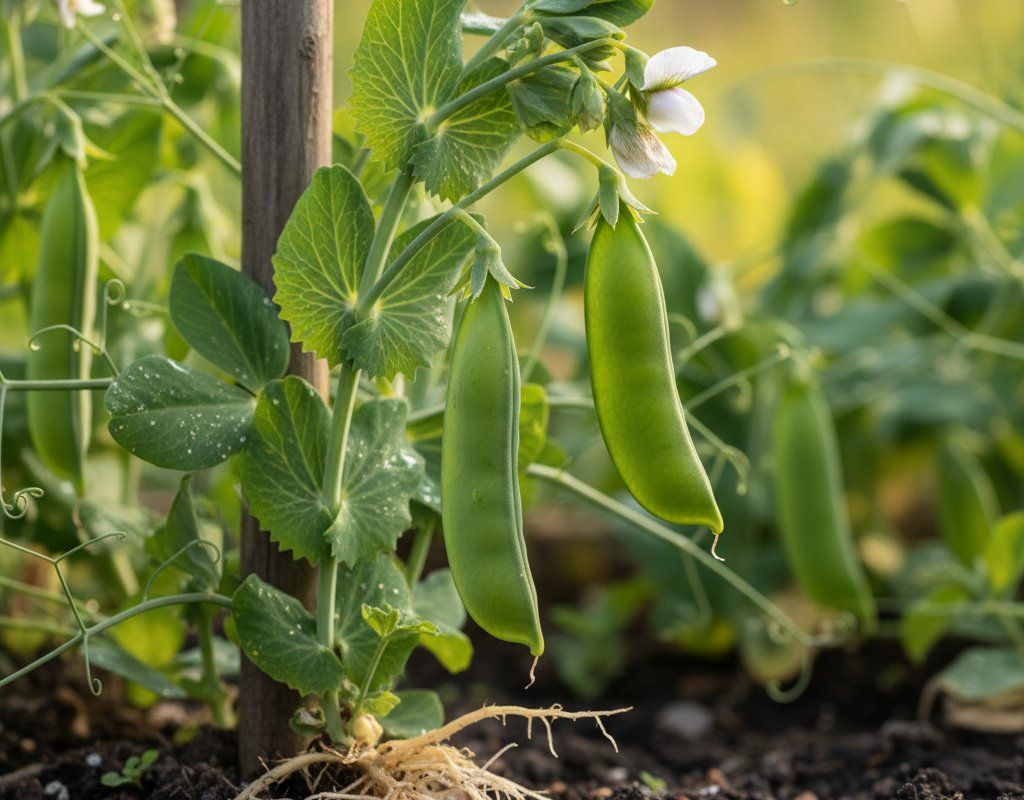
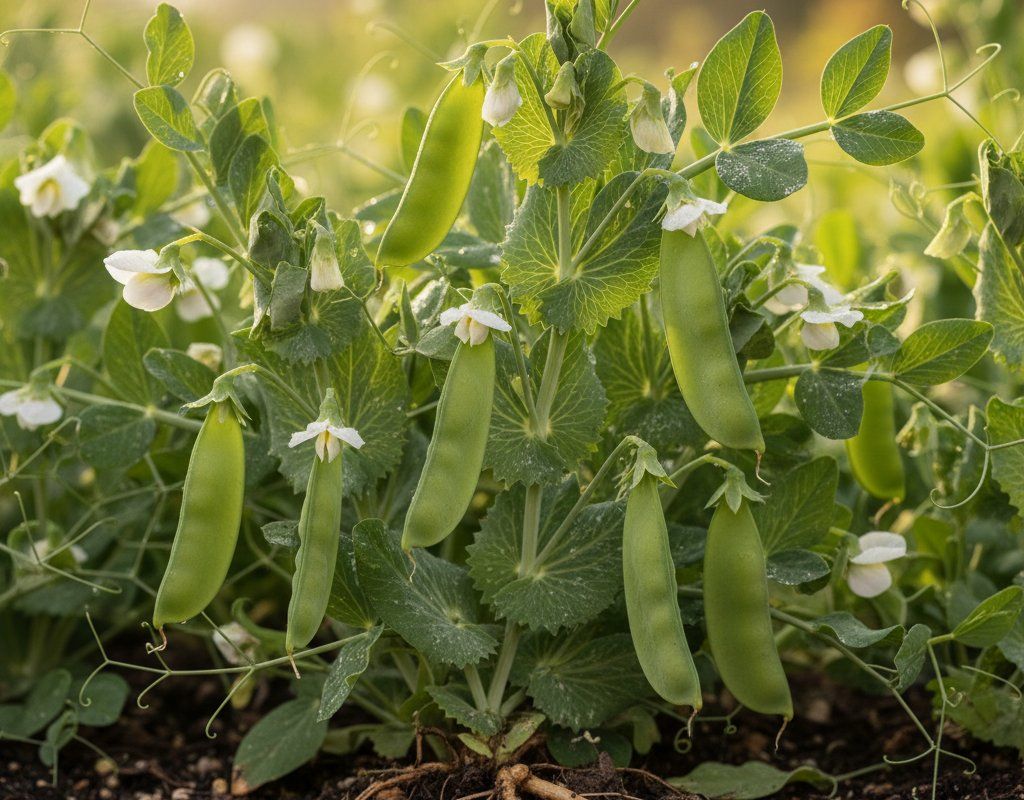
Ironically, season extension in Zone 8A is about surviving summer, not winter. Cool-season crops succeed from October through April — this is prime growing time for lettuce, broccoli, cabbage, spinach, peas, and root vegetables.
Start warm-season seeds indoors in January for early March transplanting (protect from any late February frost). Shade cloth (50-60%) over beds lets you grow lettuce and other greens weeks longer into spring and start fall crops earlier.
For the summer gap, consider heat-tolerant crops: okra, sweet potatoes, Southern peas (cowpeas), and yard-long beans thrive when everything else struggles.
Soil Preparation
Warm climates eat organic matter fast — plan on adding 3-4 inches of compost to beds twice a year (spring and fall). Cover cropping is essential, not optional.
A summer cover crop of sorghum-sudan grass or cowpeas prevents erosion, adds biomass, and shades the soil. Winter cover crops (crimson clover, Austrian winter peas) fix nitrogen.
Pine bark mulch or shredded hardwood helps retain moisture and moderate soil temperatures during summer. In sandy soils common in parts of Zone 8A, coir (coconut fiber) mixed into beds helps with water retention.
In heavy clay, add compost and expanded shale to improve drainage.