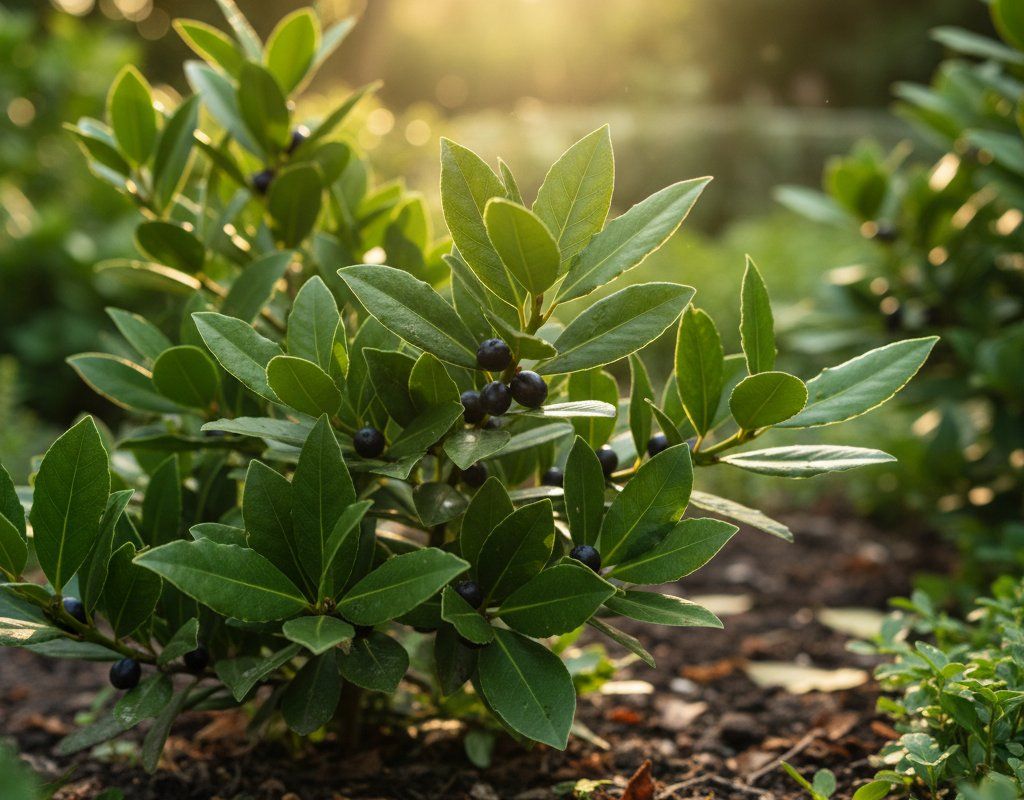
Bay Laurel in Zone 9B — Southern California
Laurus nobilis · Your Complete 2026 Planting Guide
Too Late for Bay Laurel
Not enough growing season left (need 379 days, only 296 remain)
📊 See the math
How to Plant Bay Laurel in Zone 9B — Southern California
Here are all your options for getting bay laurel in the ground, from the easiest method to more advanced approaches.
Buy Starts
RecommendedEarly to mid February
around February 8
Plant purchased starts after last frost (January 25).
Extremely slow from seed (years to reach usable size). Buy established plants.
Start Seeds Indoors
Works WellEarly to late November
around November 16
Then transplant: Early to mid February
Start seeds 12-14 weeks before transplanting outdoors.
Direct Sow Seeds
ChallengingDirect sowing is not typical for Bay Laurel.
Transplant Outdoors
Timing InfoEarly to mid February
around February 8
Can tolerate light frost, but wait for soil to be workable.
Timing is critical in your zone — don’t delay!
Overview
Bay Laurel is a fantastic addition to any Southern California garden. The fresh leaves add a unique depth to your cooking that you just can't get from dried, store-bought versions. Plus, being able to step outside and snip a few leaves for your next stew is incredibly satisfying.
While we face challenges like drought and the summer heat inland, Bay Laurel is surprisingly well-suited to our climate. Our long growing season – practically year-round – gives you plenty of time to get your plant established and producing flavorful leaves.
Starting Seeds Indoors
Starting Bay Laurel from seed indoors isn't the easiest route, as they're notoriously slow growers. You're better off buying an established plant, but if you're up for the challenge, go for it.
If you decide to start from seed, begin in early to late November, about 12 weeks before you'd want to transplant. Use seed trays with a good seed-starting mix and keep them consistently warm and well-lit. Bottom watering is a good way to avoid disturbing the tiny seeds. Remember, our very-early spring means you need to get a head start.
Transplanting Outdoors
Transplant your Bay Laurel seedling outdoors in early to mid February. Before planting, harden it off by gradually exposing it to outdoor conditions for about a week.
Space plants 48-96 inches apart to allow for their mature size. Even though our winters are mild, keep an eye on the forecast for any unexpected cold snaps that could damage young plants. Since they are so slow to grow from seed, you may consider purchasing an established plant from a nursery.
Watering Bay Laurel in Zone 9B (Southern California)
Once established, Bay Laurel is quite drought-tolerant, which is a huge plus given our water restrictions here in Southern California. During the cooler, wetter months, from late fall through early spring, you might not need to water at all, relying on rainfall.
In the heat of summer, especially if you're inland, water deeply about once a week, or when the top two inches of soil feel dry to the touch. Stick your finger in to check! Container plants will dry out faster and need more frequent watering. When you do water, aim for about an inch of water per week, focusing on the base of the plant to avoid fungal issues in our low-to-moderate humidity.
Signs of underwatering include wilting leaves, while yellowing leaves might indicate overwatering. A layer of mulch around the base helps retain moisture and keeps the soil cooler during those hot inland summers.
Pruning & Maintaining Bay Laurel
Bay Laurel requires minimal pruning. Primarily, you'll want to prune to maintain the shape and size you desire.
The best time to shape your Bay Laurel is in spring, after the worst of any potential cold weather has passed. You can prune quite heavily without harming the plant, but focus on removing any dead, damaged, or crossing branches. As we approach late December, just ensure that any major pruning is done well in advance of potential frost.
🧪Fertilizing Bay Laurel
Feeding Schedule
Organic Fertilizer Options
Harvest Time
You can start harvesting Bay Laurel leaves anytime after the first year, typically from early February through early January. The most flavorful leaves are the mature, dark green ones.
Harvest individual leaves as needed, snipping them off with clean shears or scissors. Regular harvesting encourages new growth and keeps your plant productive. Even as we approach the cooler months and the potential for a light frost in late December, you can continue to harvest leaves as needed.
Common Problems in Zone 9B (Southern California)
Here are a few common problems you might encounter with Bay Laurel in Southern California:
Scale Insects *What it looks like:* Small, brownish, shell-like bumps on the stems and leaves. *What causes it:* These sap-sucking insects thrive in warm, dry conditions, which are common during our long summers and Santa Ana wind events. *How to fix/prevent it:* Inspect your plant regularly. For minor infestations, wipe off the scale insects with a cotton swab dipped in rubbing alcohol. For heavier infestations, consider horticultural oil, applying it in the early morning or late evening to avoid burning the plant in the summer heat.
Cold Damage *What it looks like:* Browned or blackened leaves, especially on the tips of branches. *What causes it:* Bay Laurel is semi-hardy and can suffer damage if temperatures dip below freezing for extended periods, which is rare but possible in some inland areas during winter. *How to fix/prevent it:* If a frost is forecast, cover your plant with burlap or a blanket. Container plants can be moved to a more sheltered location.
Slow Growth *What it looks like:* Plant remains small and doesn't seem to put on much new growth year after year. *What causes it:* Bay Laurel is naturally a slow grower, but poor soil, insufficient watering, or lack of sunlight can exacerbate the problem. *How to fix/prevent it:* Ensure your plant is in well-draining soil and receiving adequate sunlight (at least 4-6 hours per day). Amend the soil with compost to improve its fertility.
Southern California Specific Challenges: Our hot, dry summers and occasional Santa Ana winds can stress Bay Laurel, making it more susceptible to pests and diseases. Regular watering and mulching can help mitigate these effects.
Best Companions for Bay Laurel
Plant these nearby for healthier Bay Laurel and better harvests.
View Full Companion Planting Chart →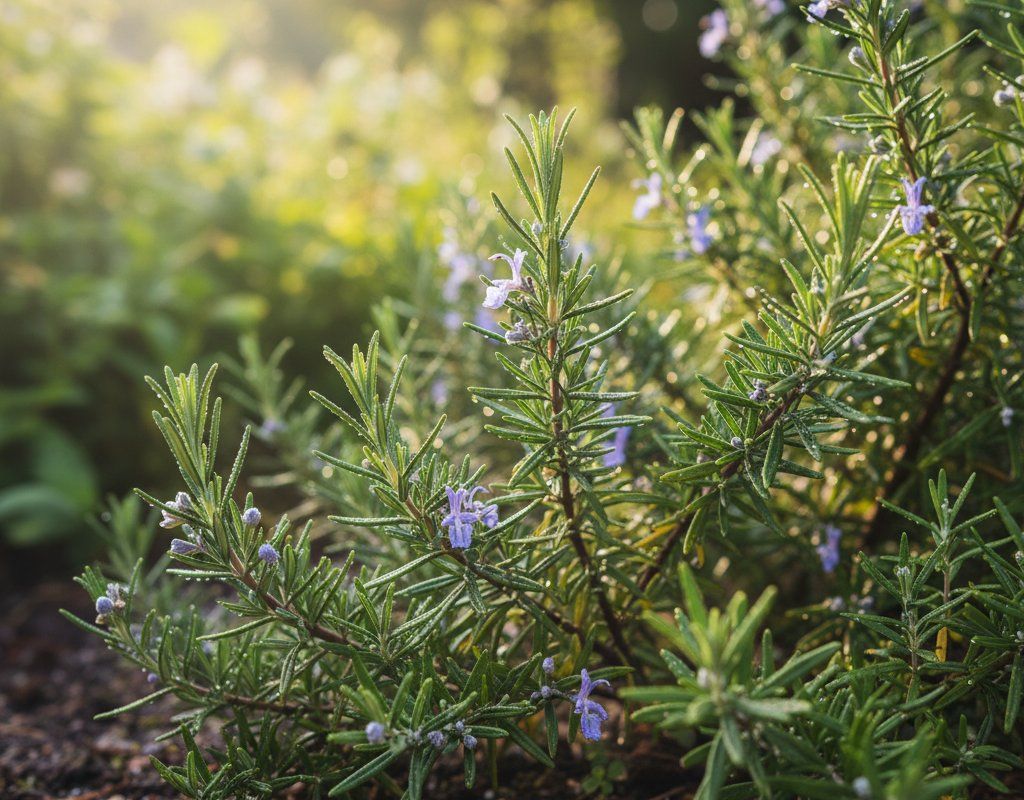
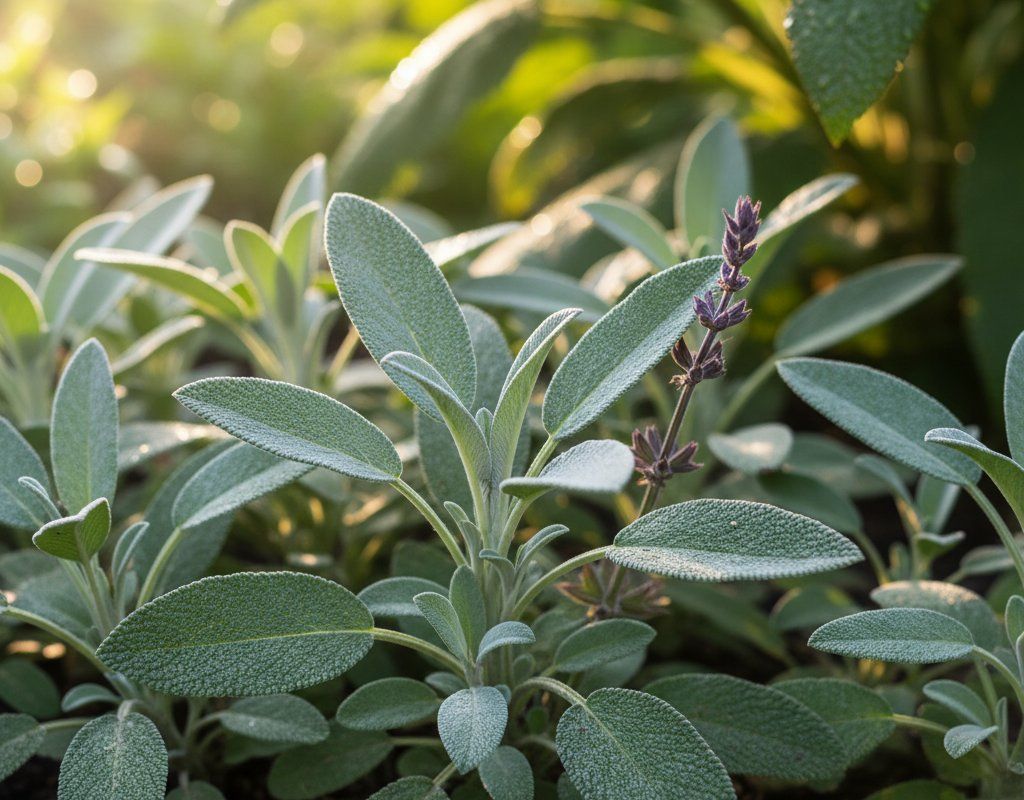
Companion Planting Details
Bay Laurel benefits from companion planting. Green beans are good companions because they are nitrogen fixers. Rosemary and sage are great choices, as they share similar water needs and attract beneficial insects that can help control pests. Avoid planting Bay Laurel near aggressive plants that might compete for water and nutrients, which is particularly important in our dry climate.
🌸Best Flowers to Plant with Bay Laurel
These flowers protect your Bay Laurel from pests and attract pollinators for better harvests.
For Pest Control

For Pollinators

Get a Reminder When It's Time to Plant
We'll email you when key planting windows open for your zone.