Gardening in Zone 9B — Southern California
Zone 9B is a gardener's paradise with an incredibly generous growing season stretching nearly 300 days. Your biggest advantage here is warmth - almost year-round sunshine means you can grow multiple crop cycles and experiment with heat-loving plants that struggle in cooler regions. Tomatoes, peppers, and eggplants thrive, and you can often harvest two or three rounds of many vegetables before other zones even start planting.
The trade-off for this long season is persistent pest pressure and intense summer heat that can stress plants. You'll need strategies like shade cloth, early morning watering, and selecting heat-tolerant varieties. Mulching becomes your best friend, helping retain soil moisture and regulate ground temperature during those scorching July and August afternoons.
Your gardening rhythm will feel different from other zones - you'll be planting cool-season crops in late fall and winter, while warm-season crops go in early. This unique timing allows incredible diversity and continuous production, making Zone 9B one of the most productive gardening environments in the United States.
✓ Regional Advantages
- • Year-round growing
- • Long warm season
- • Rarely freezes
- • Excellent for citrus and subtropicals
⚠ Regional Challenges
- • Drought
- • Water restrictions
- • Extreme heat inland
- • Santa Ana winds
- • Fire season
Southern California Climate Profile
Semi-arid climate with hot, dry summers and mild, occasionally wet winters
Best Plants for Zone 9B
103 plants thrive in Zone 9B's 334-day growing season. Click any plant for zone-specific planting dates.
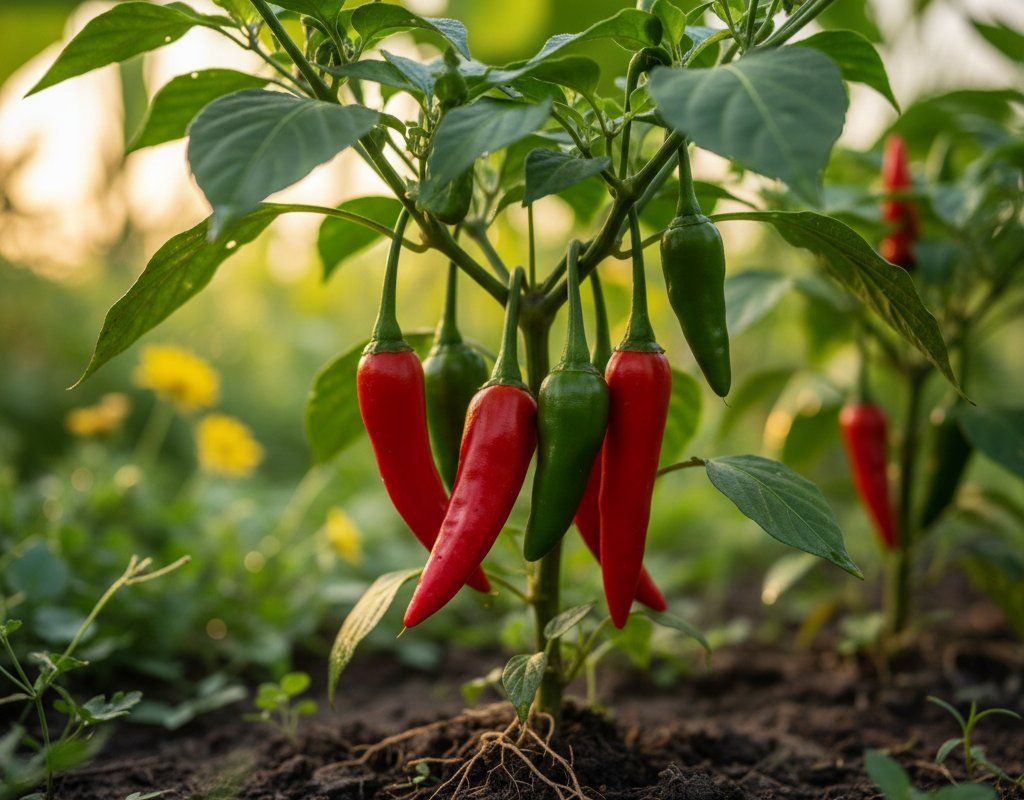
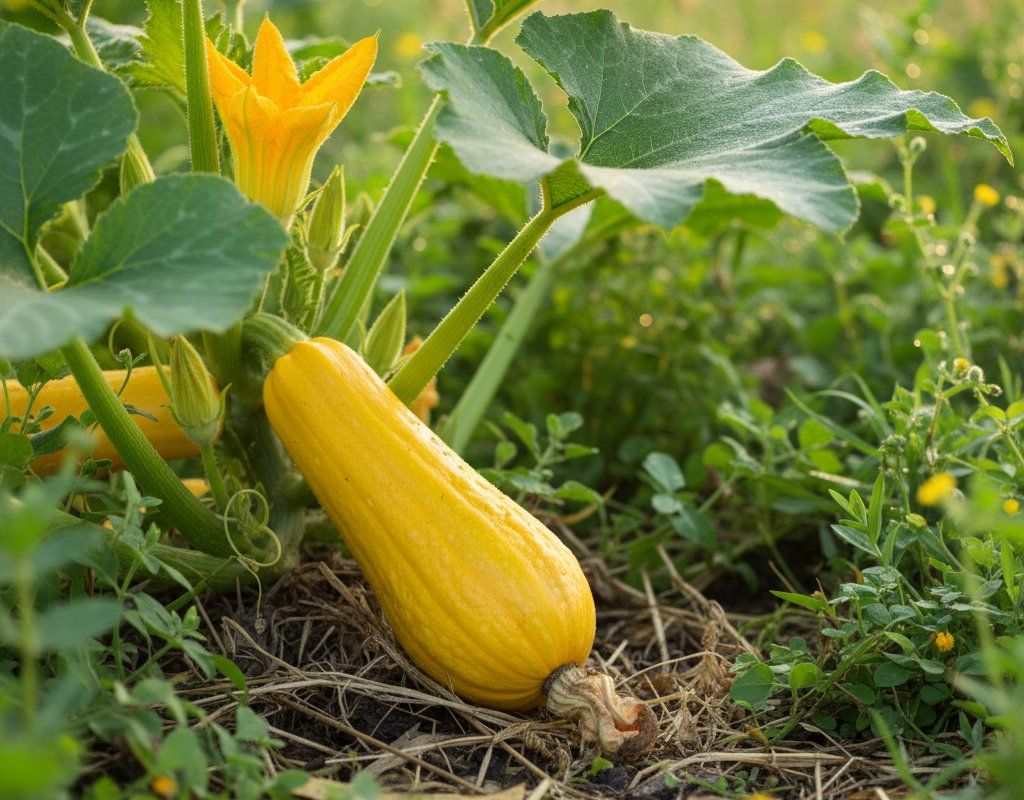
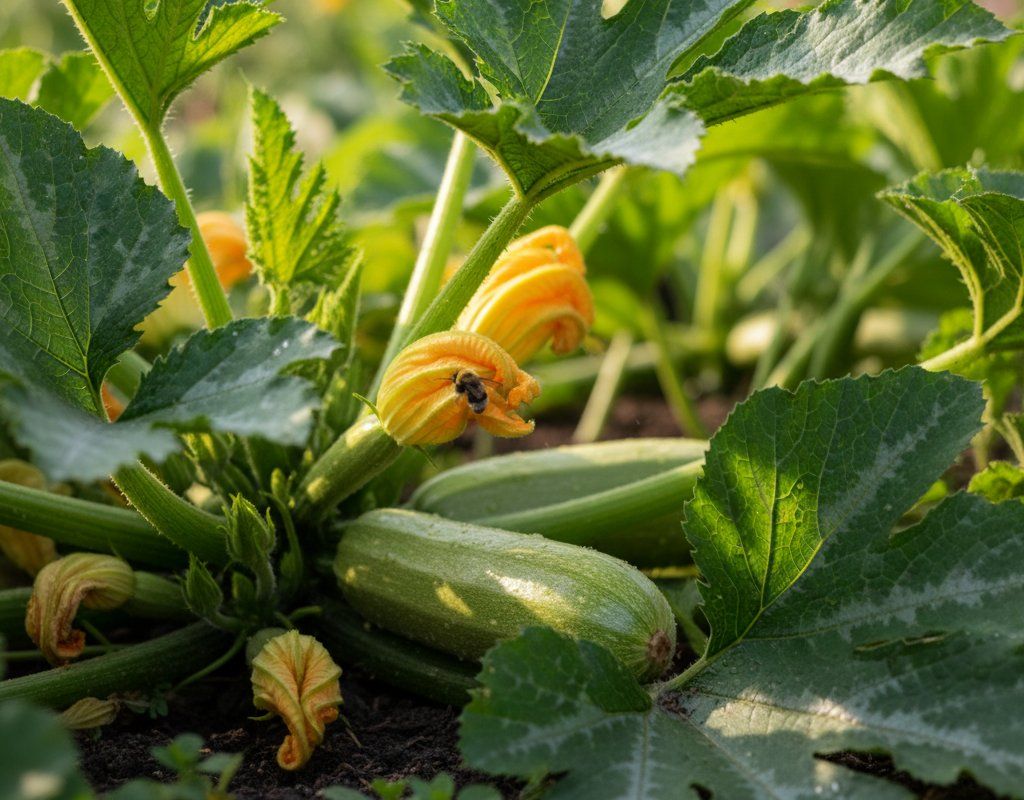
🍅Fruiting Vegetables (37)
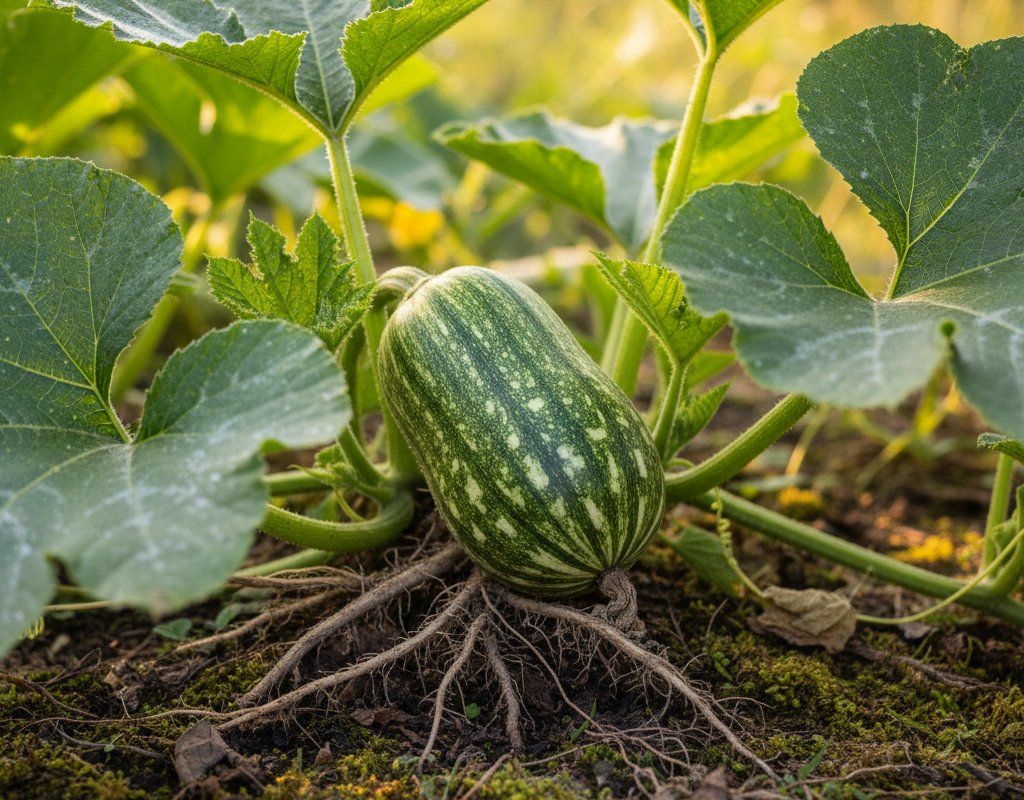
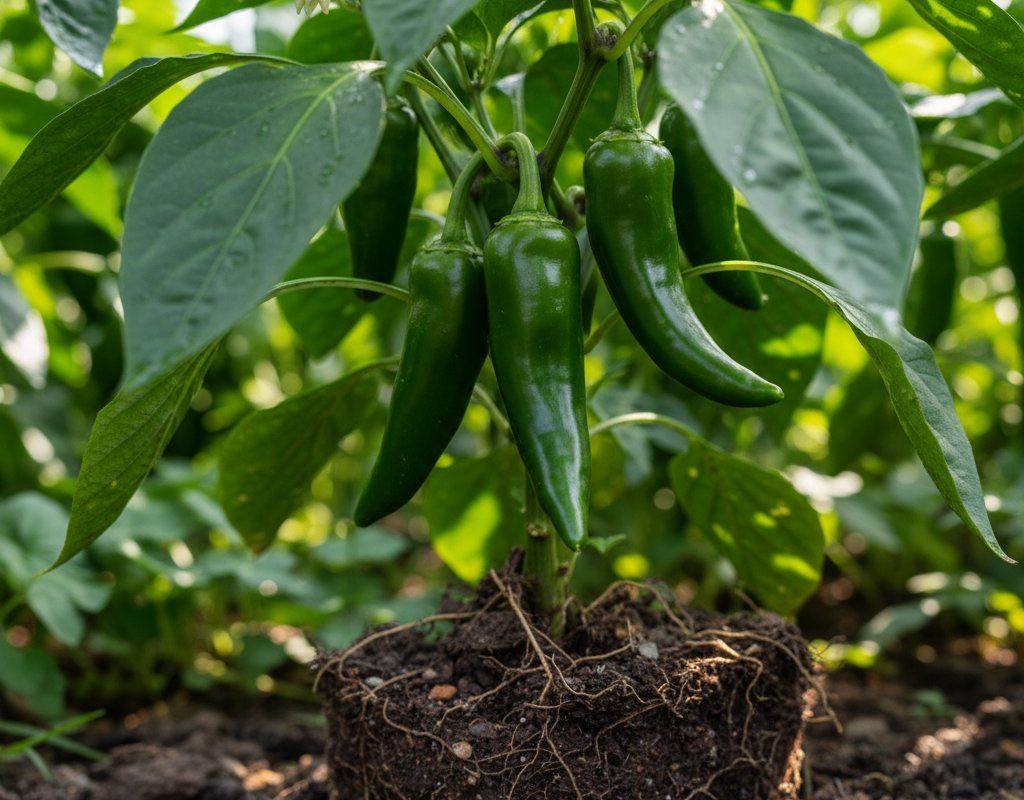
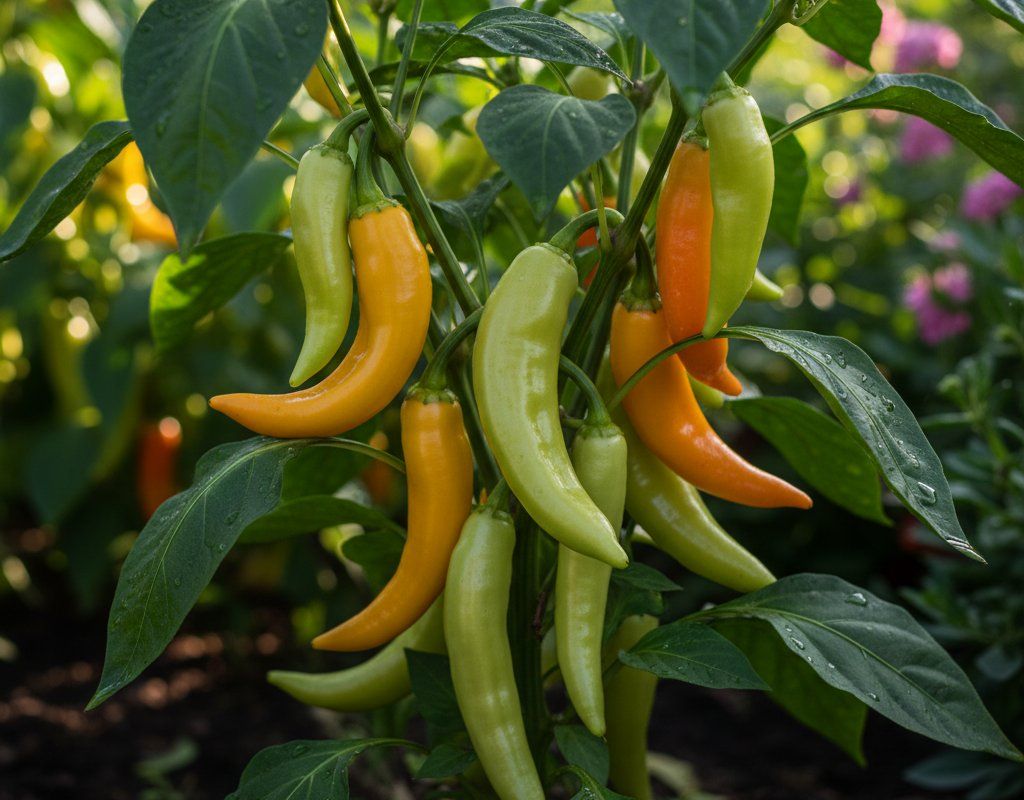
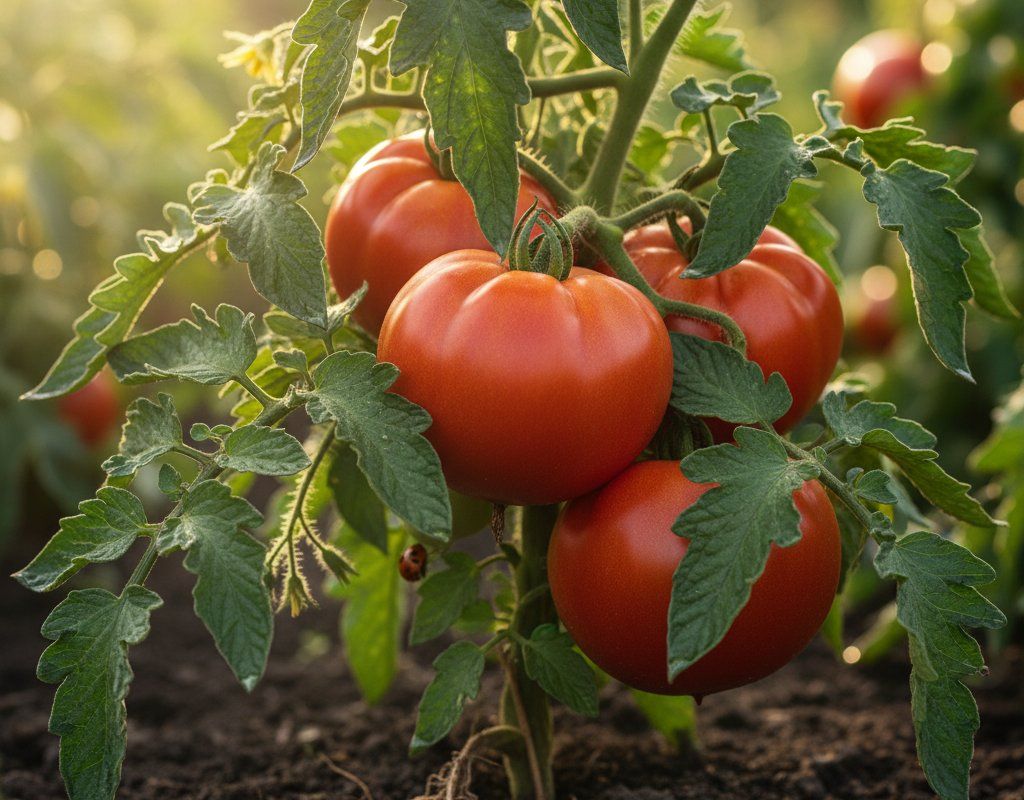
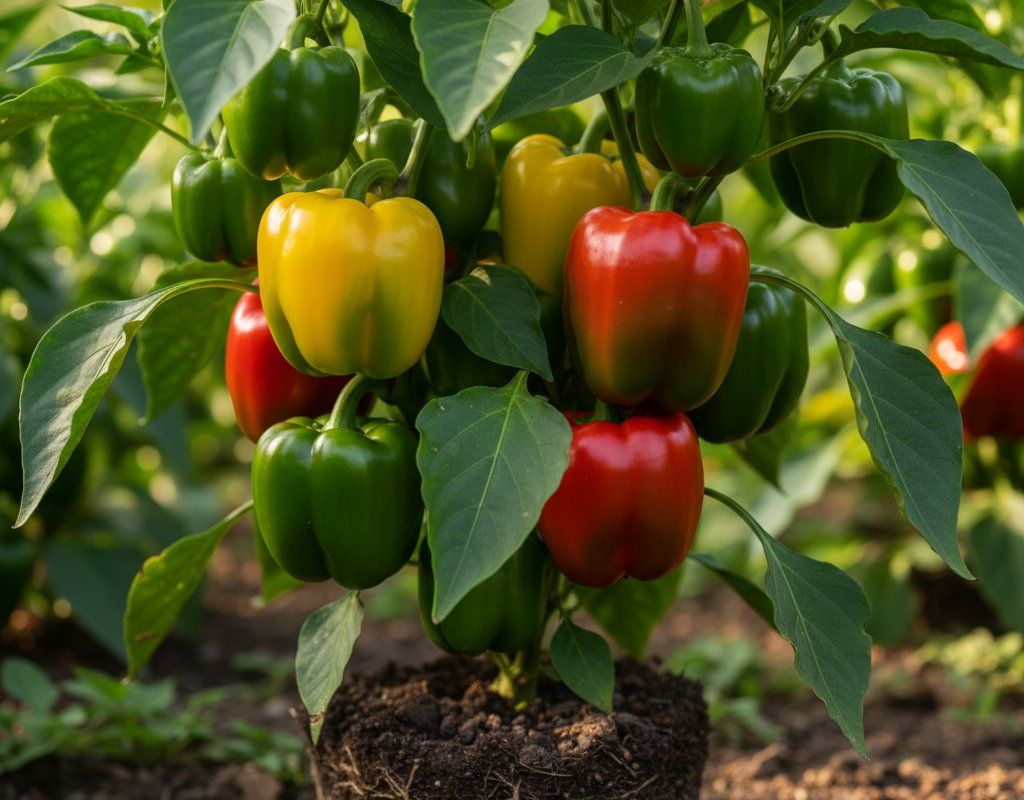
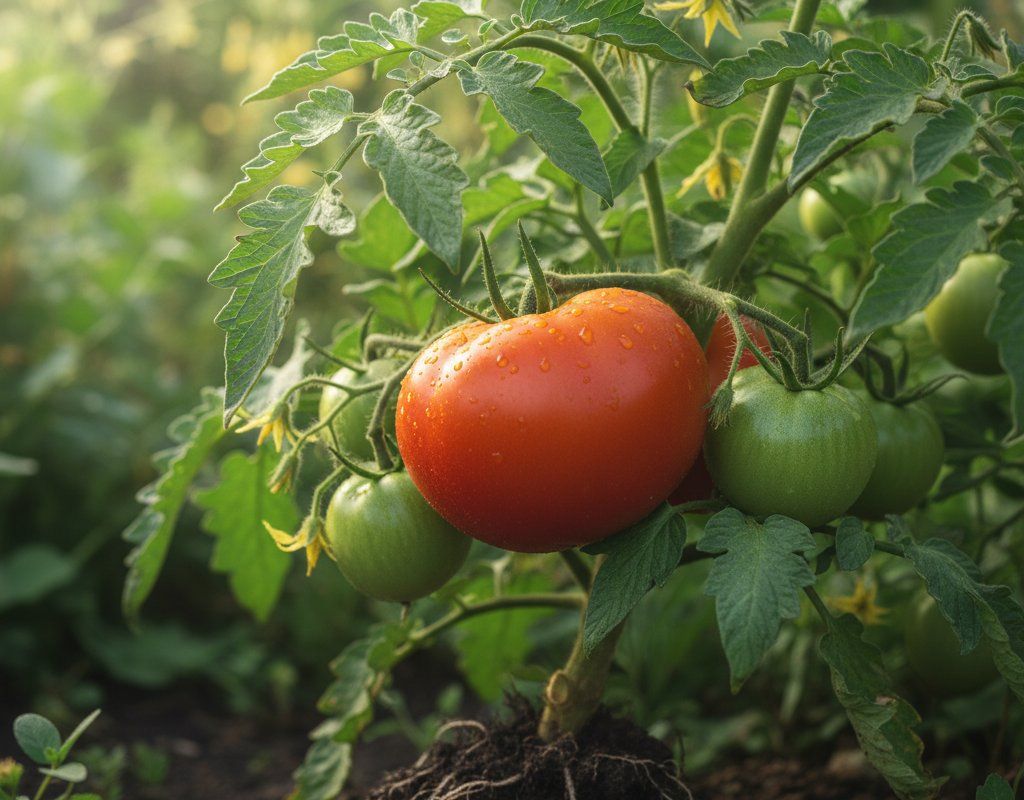
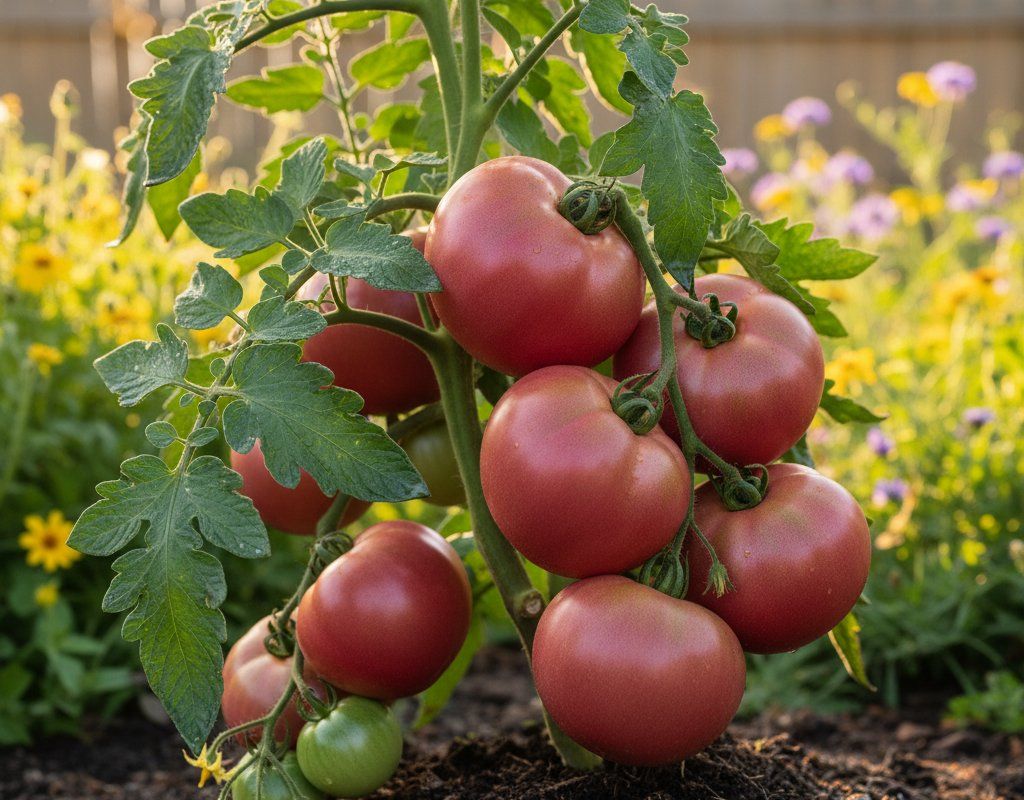
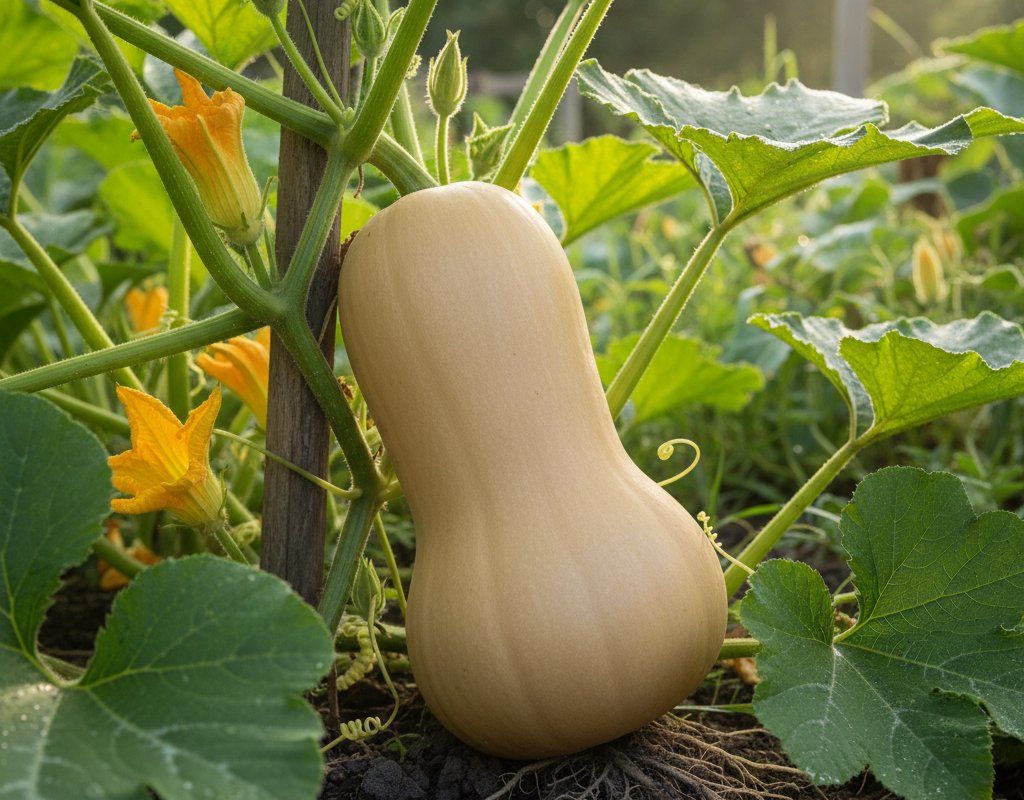
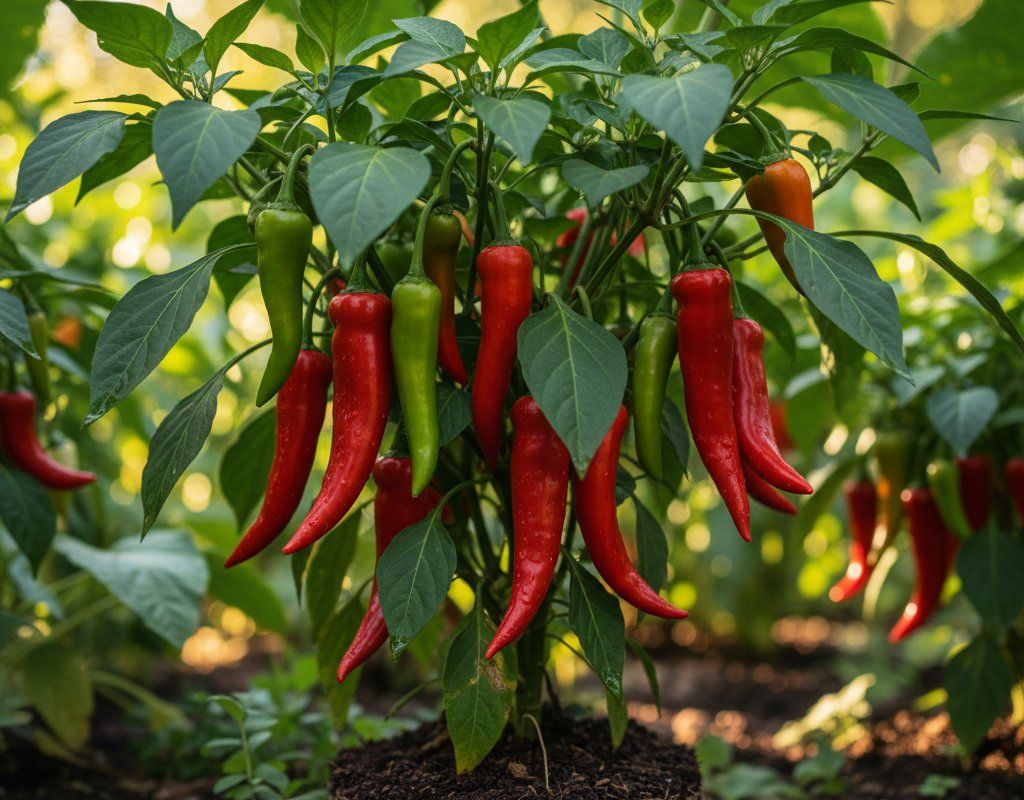
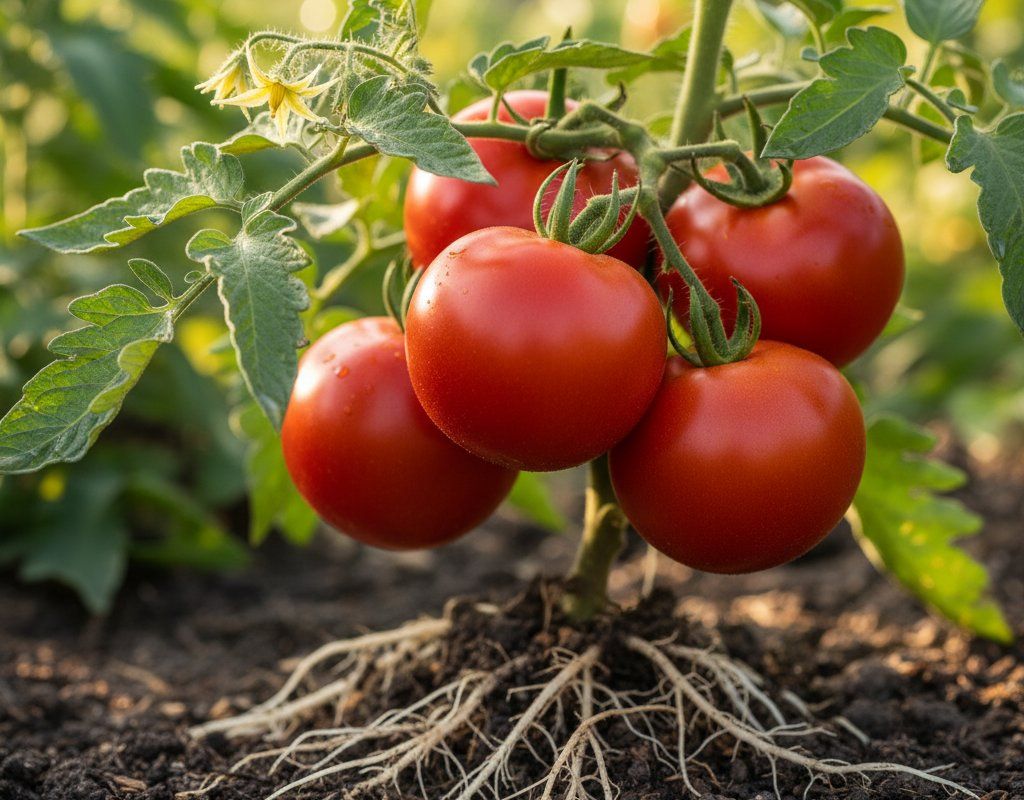

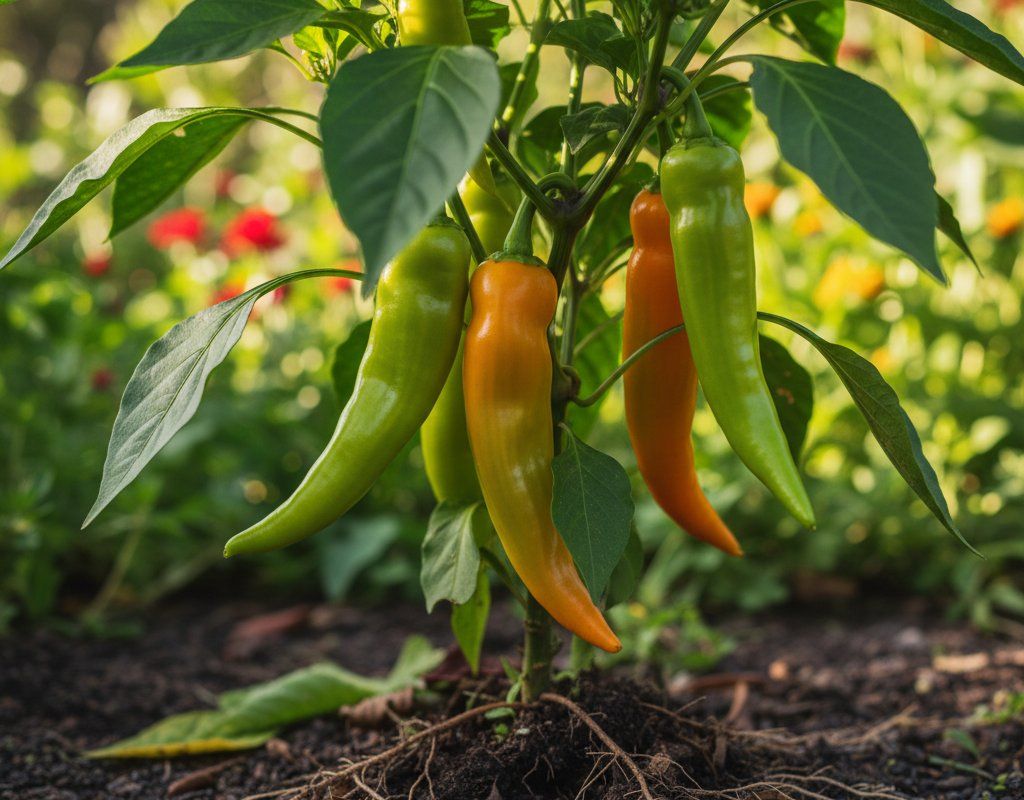
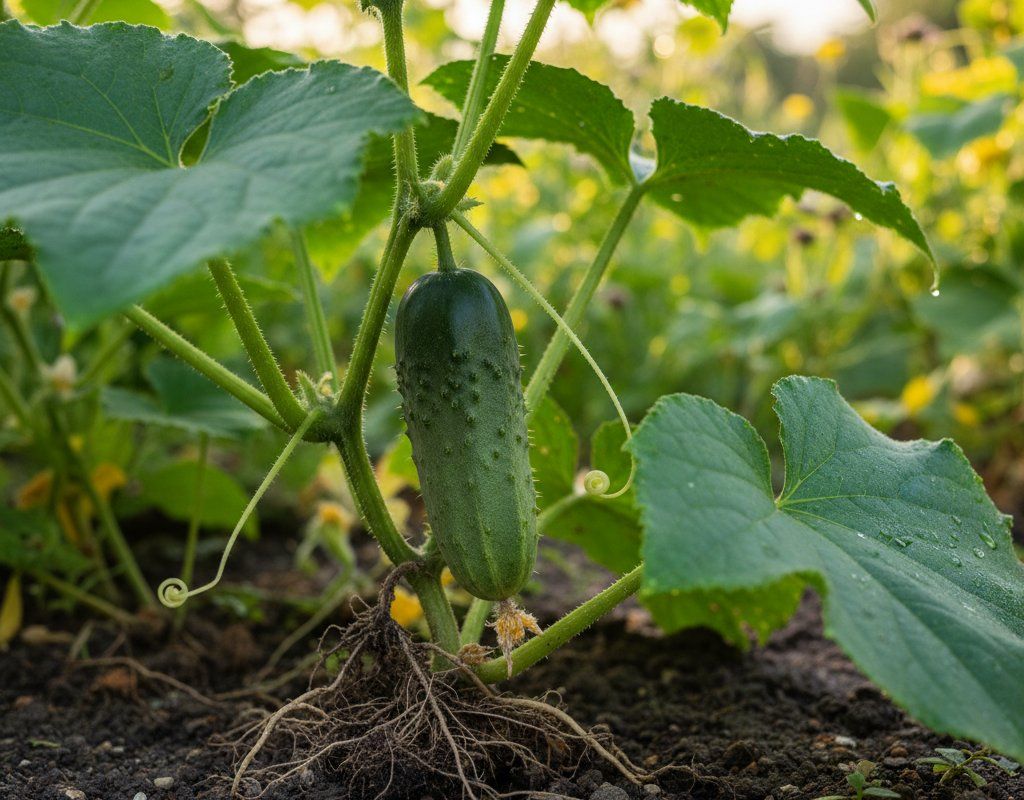
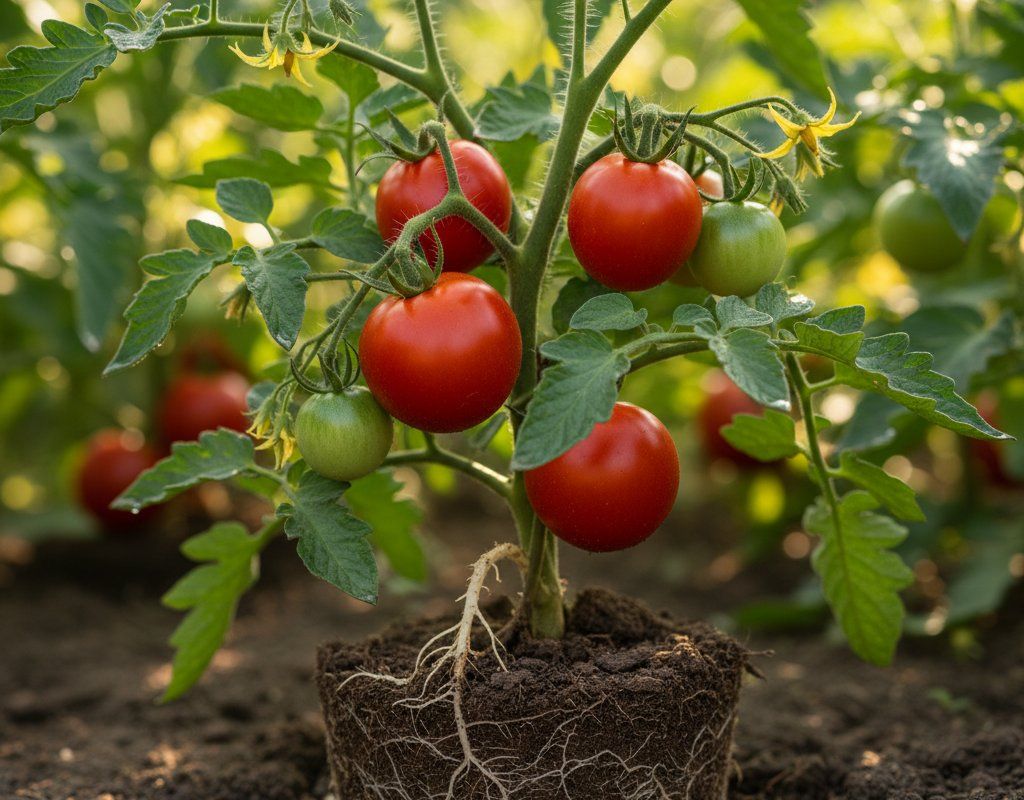
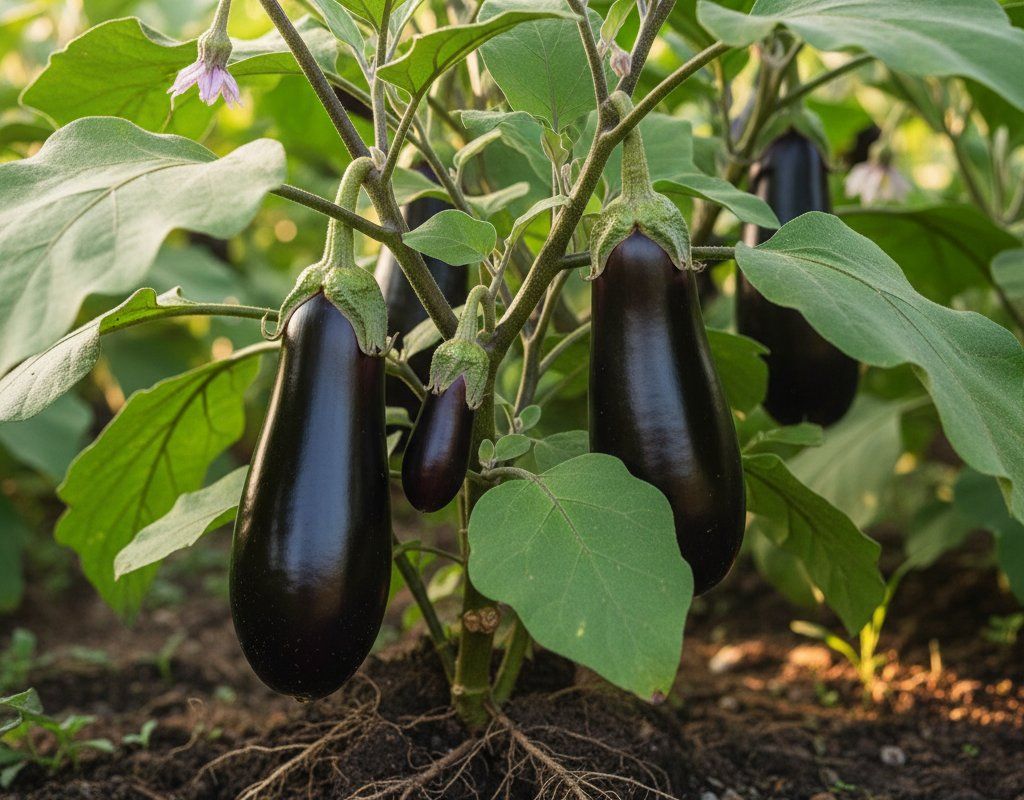

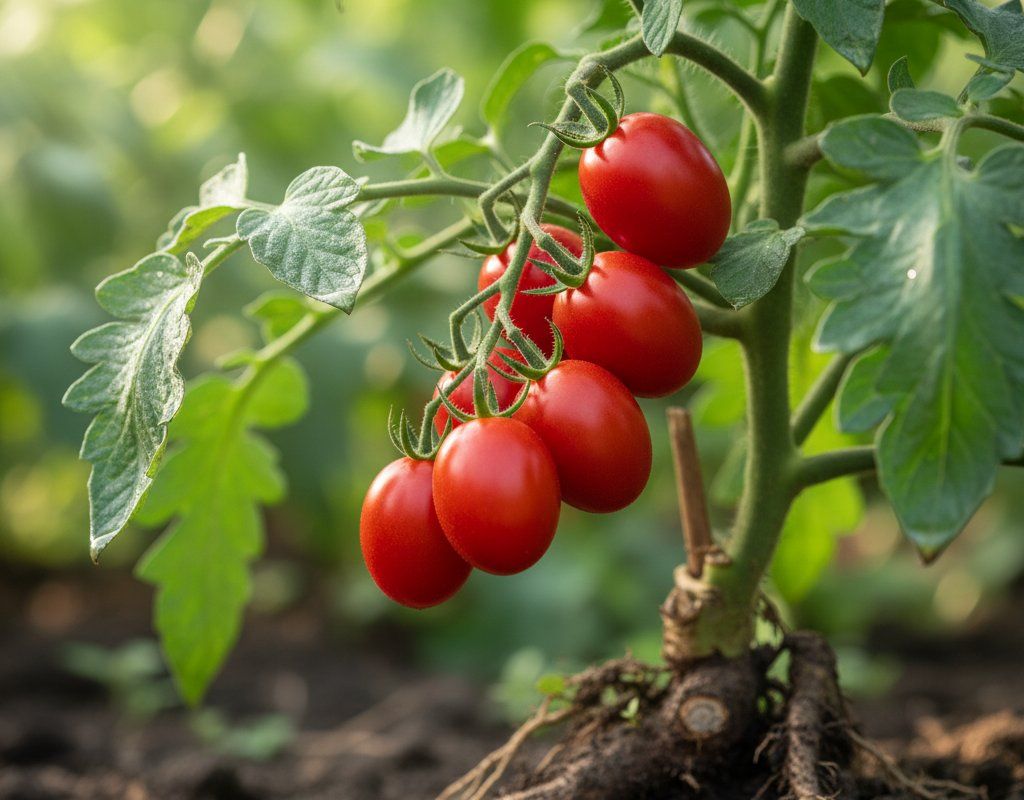
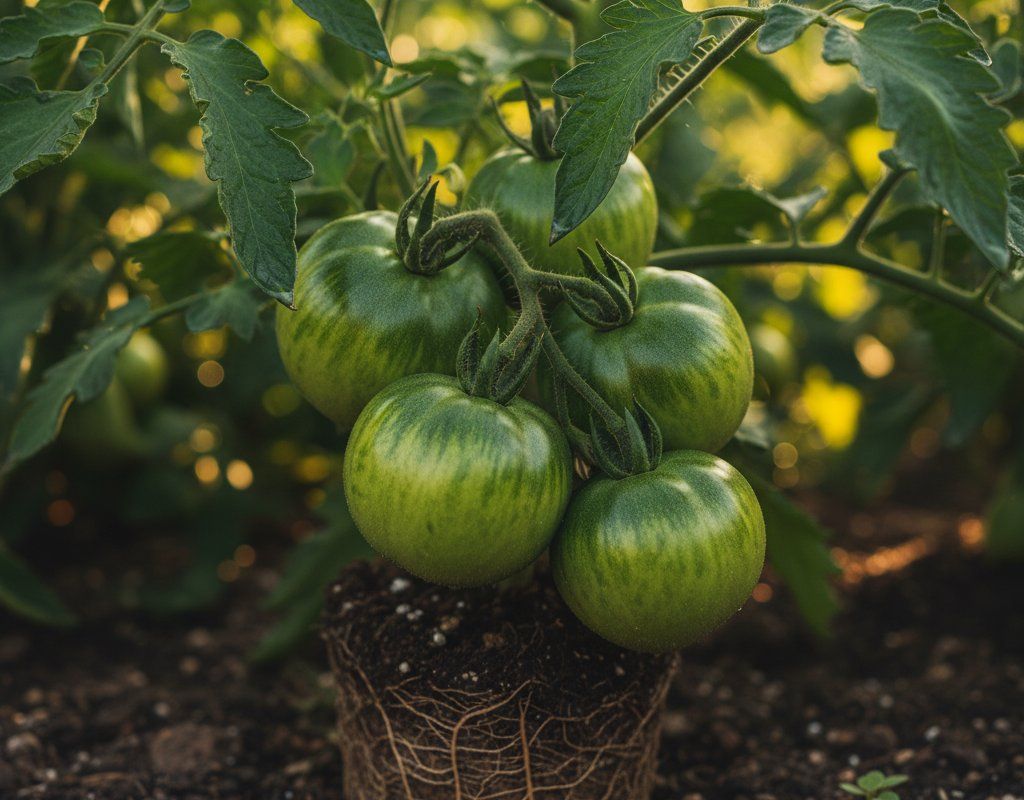
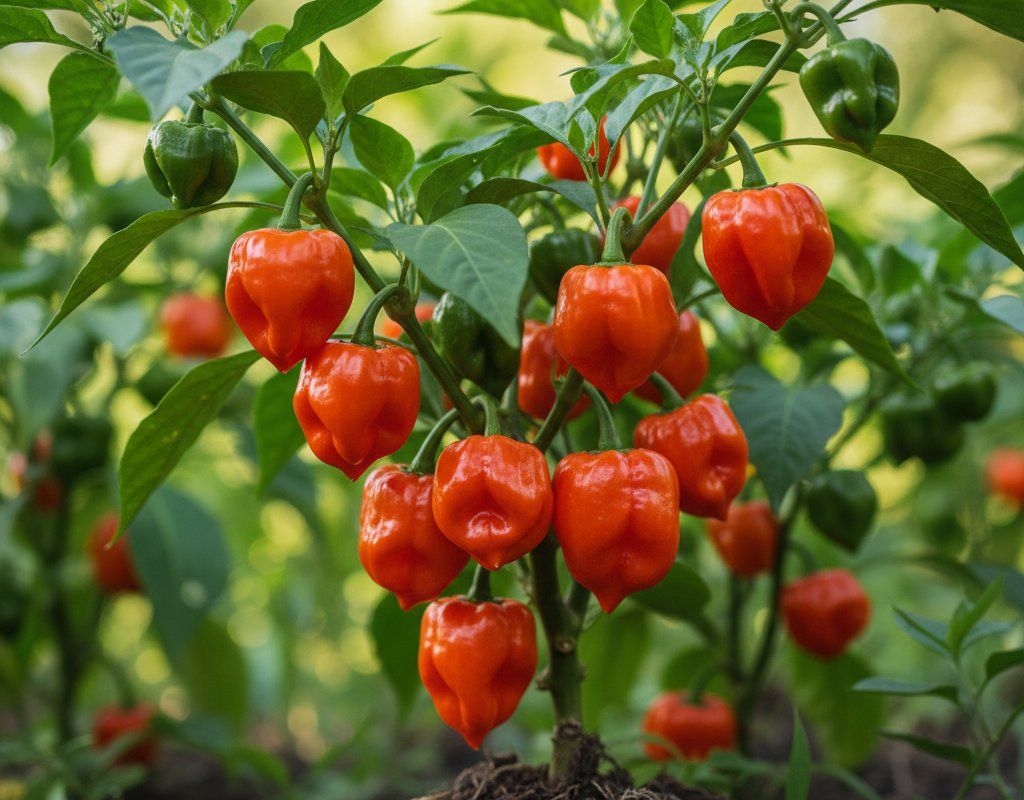
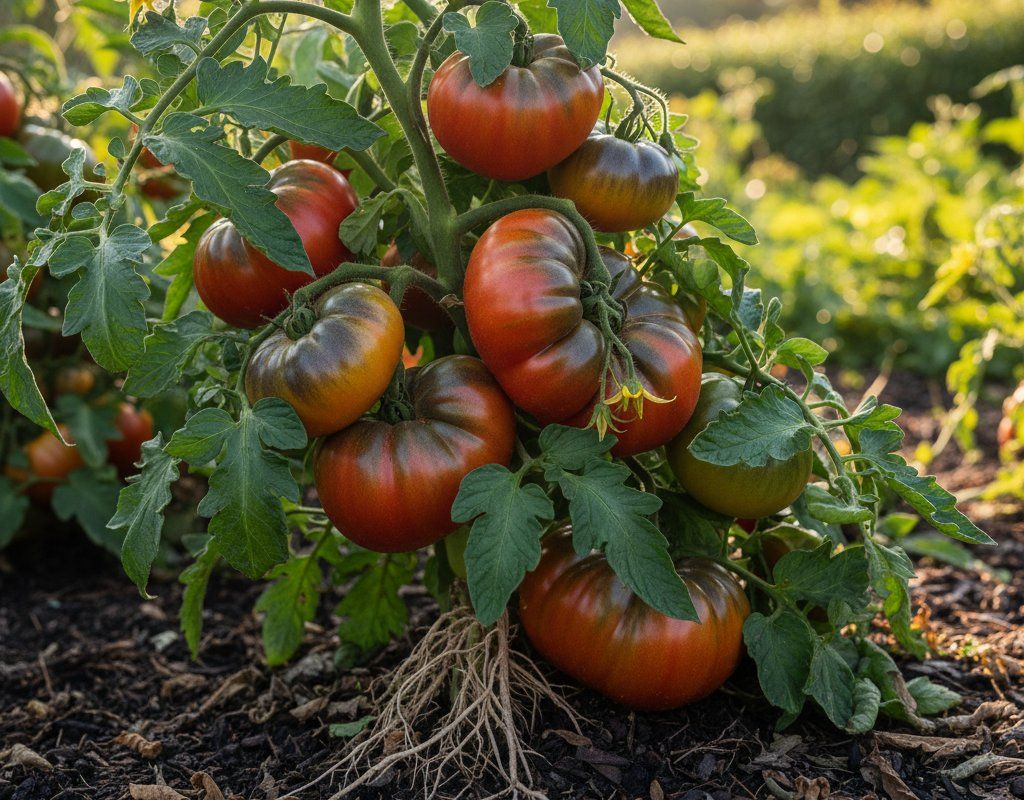
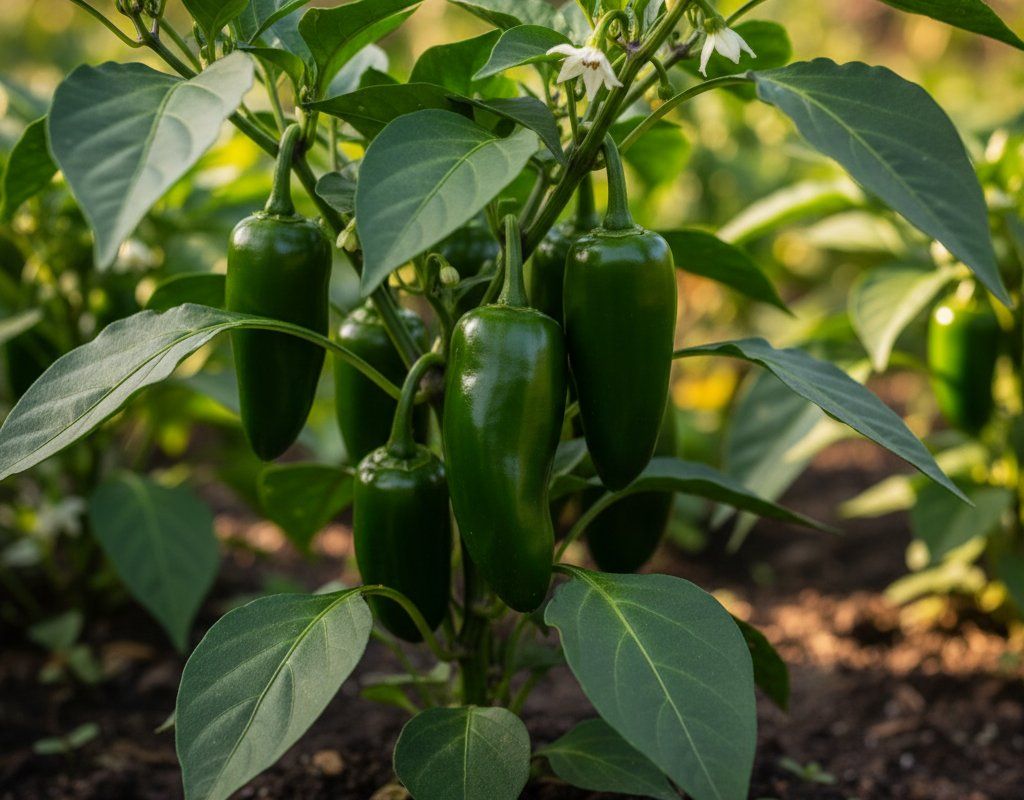

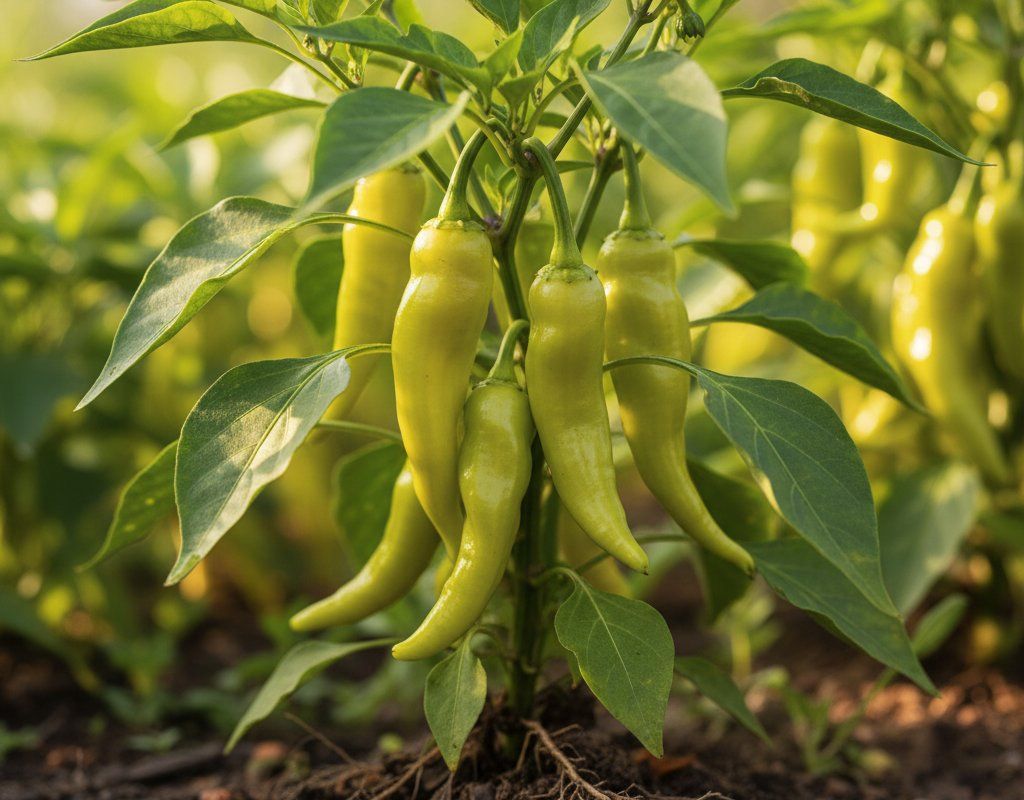
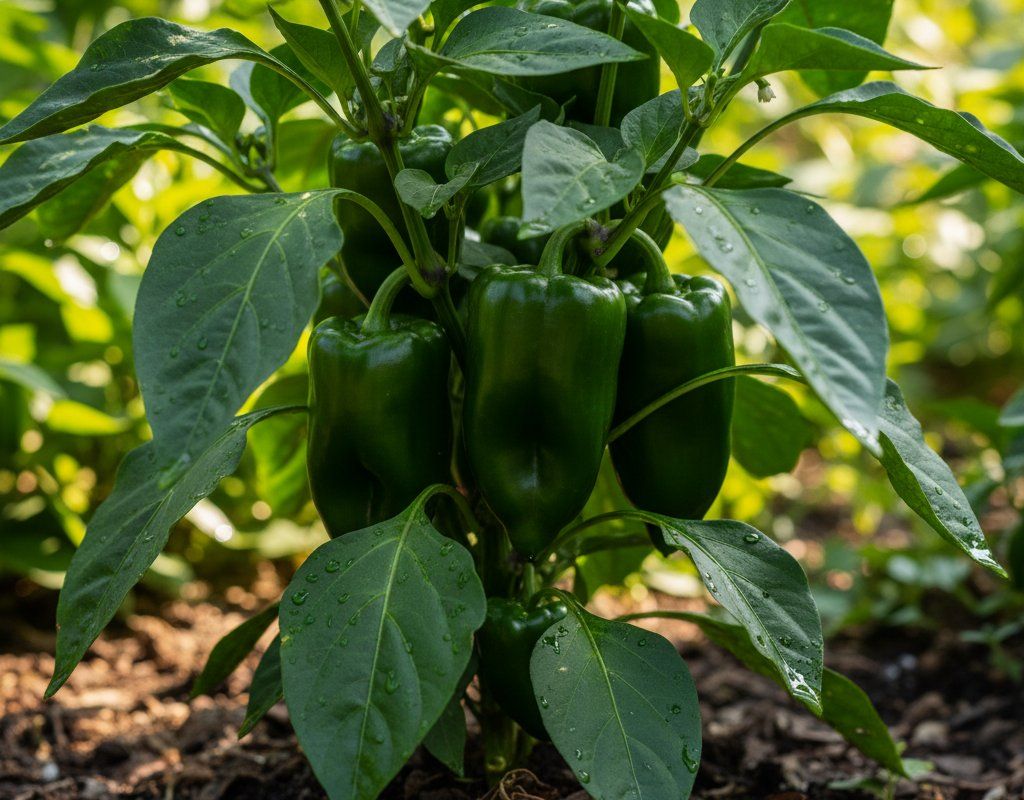

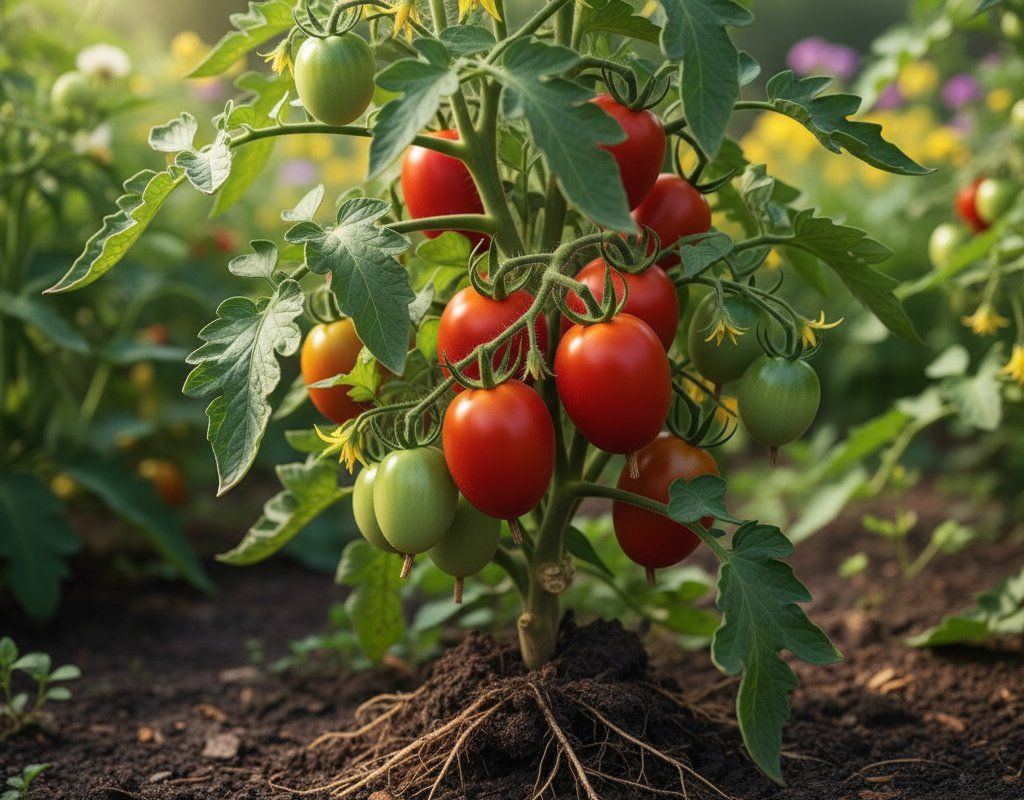
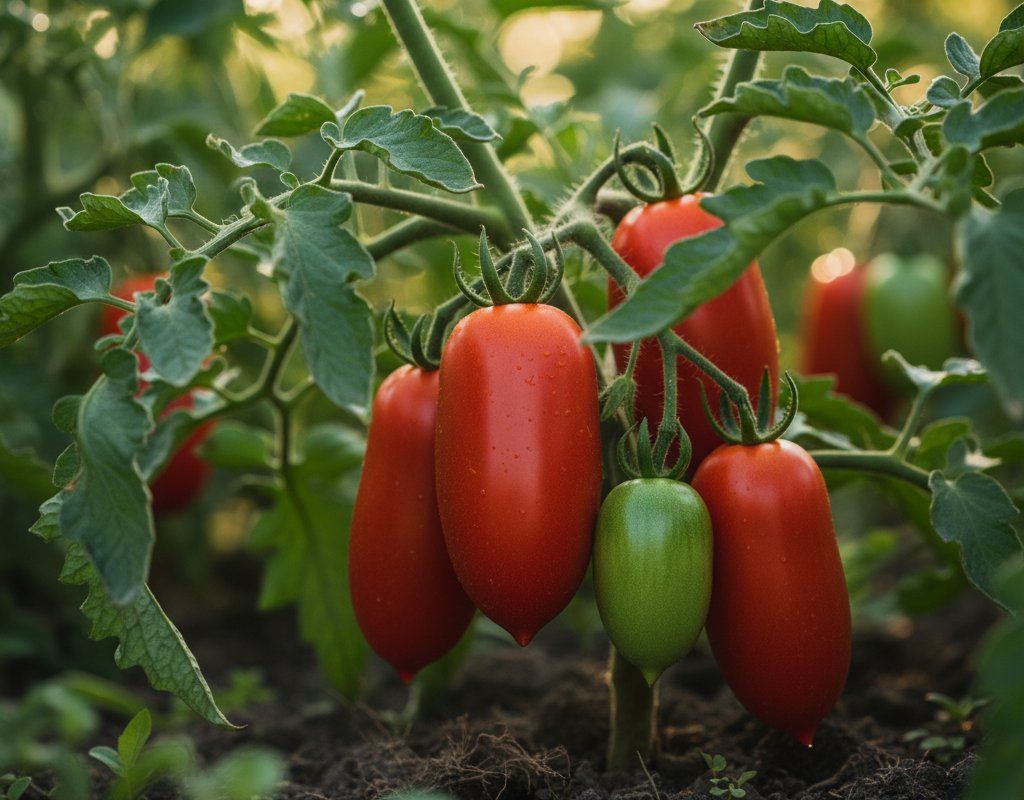
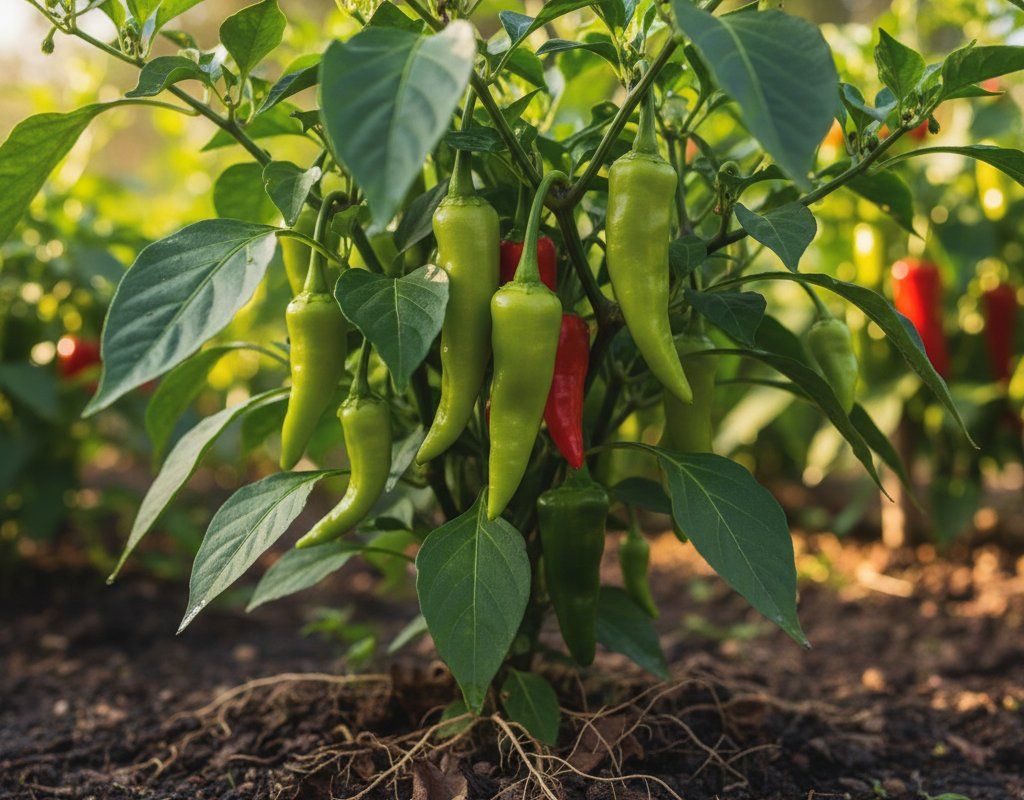
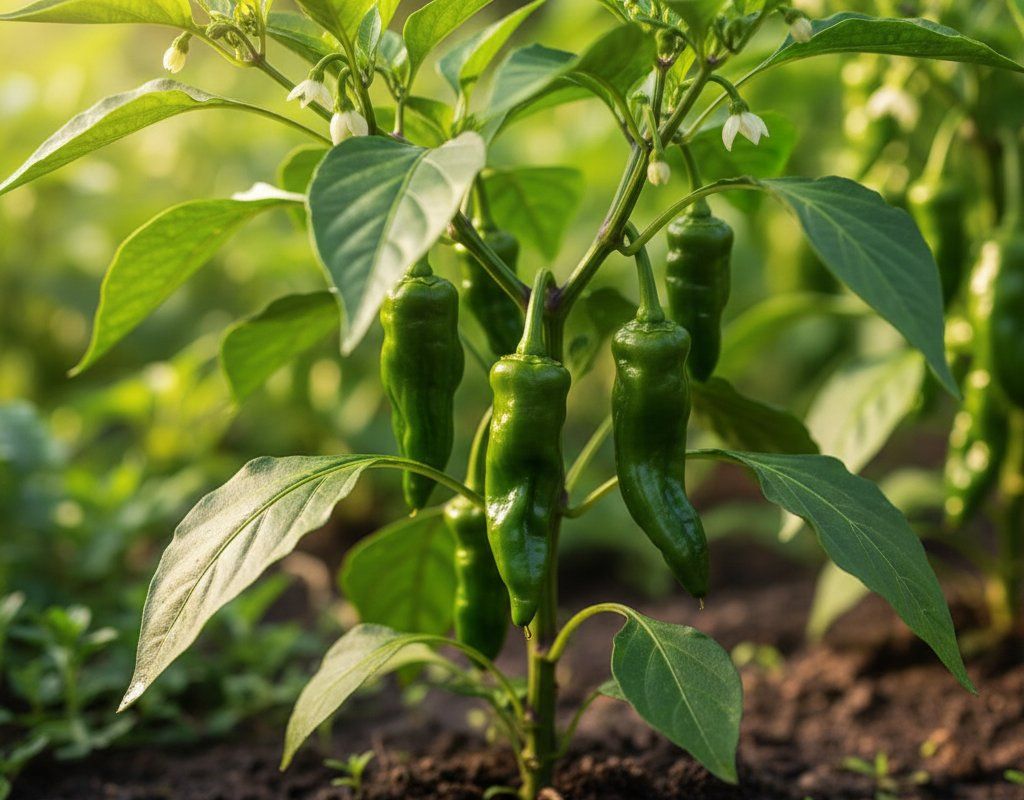
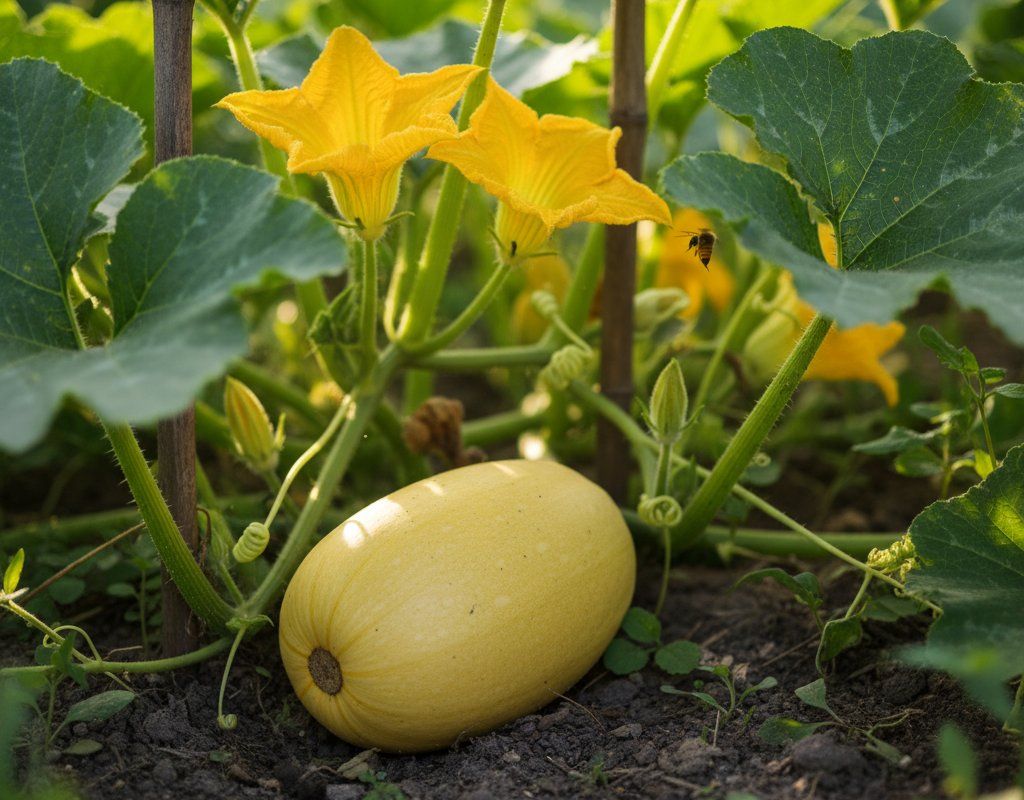

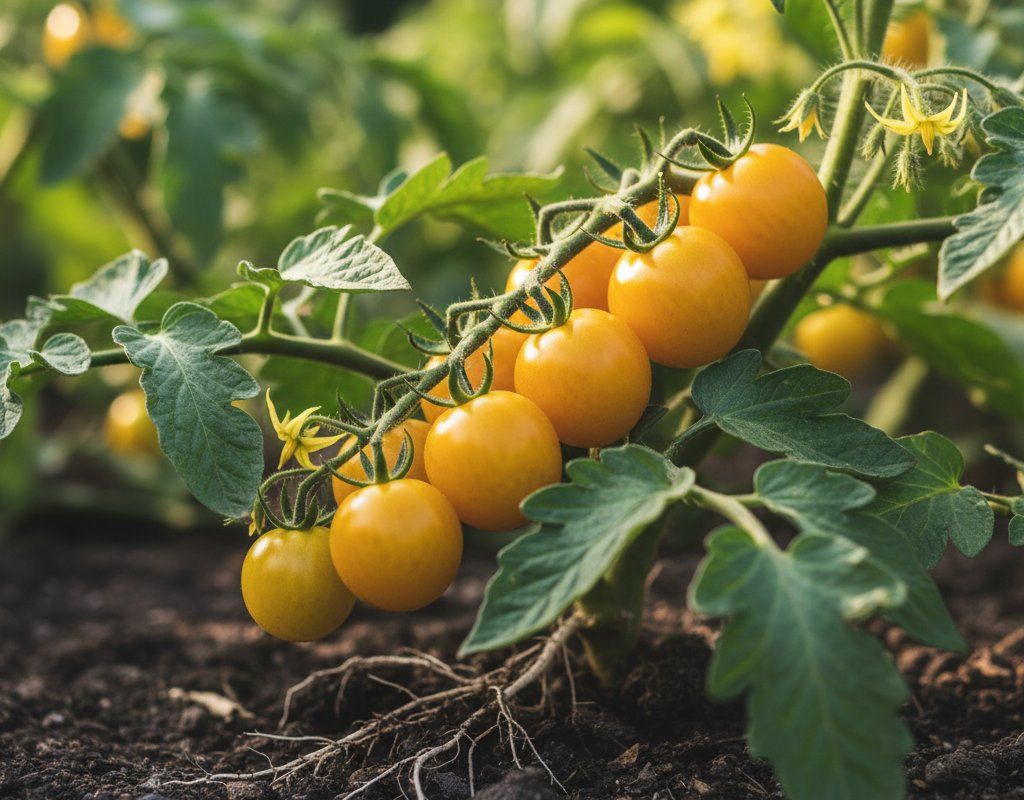
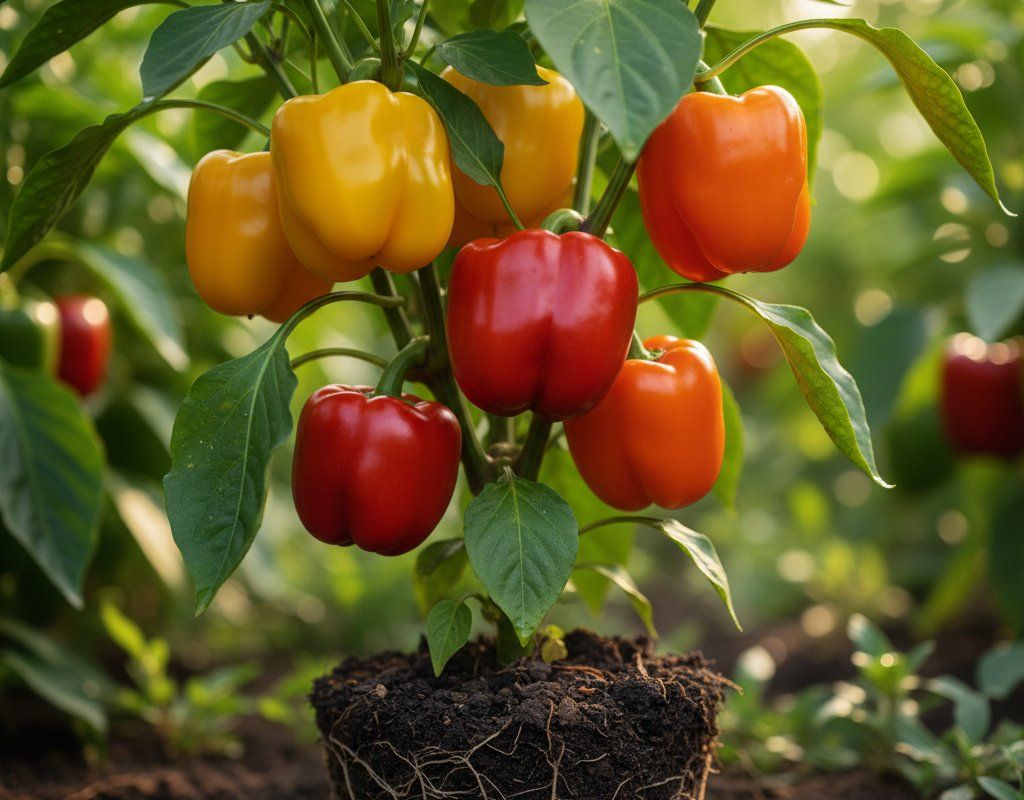

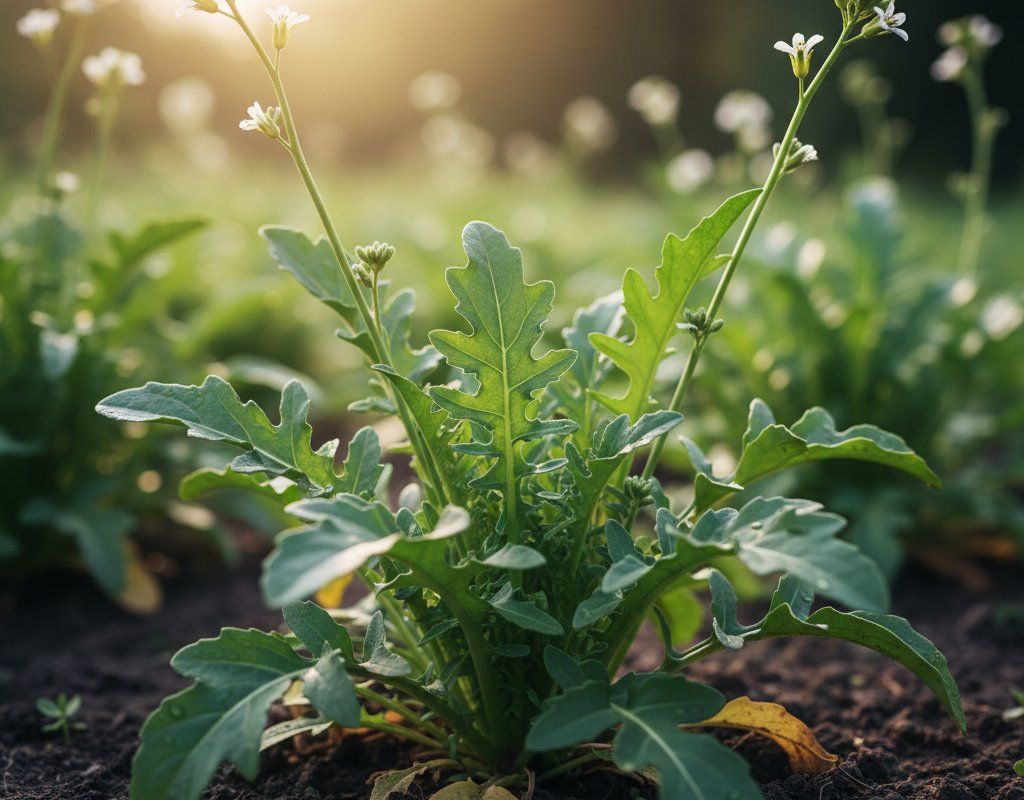
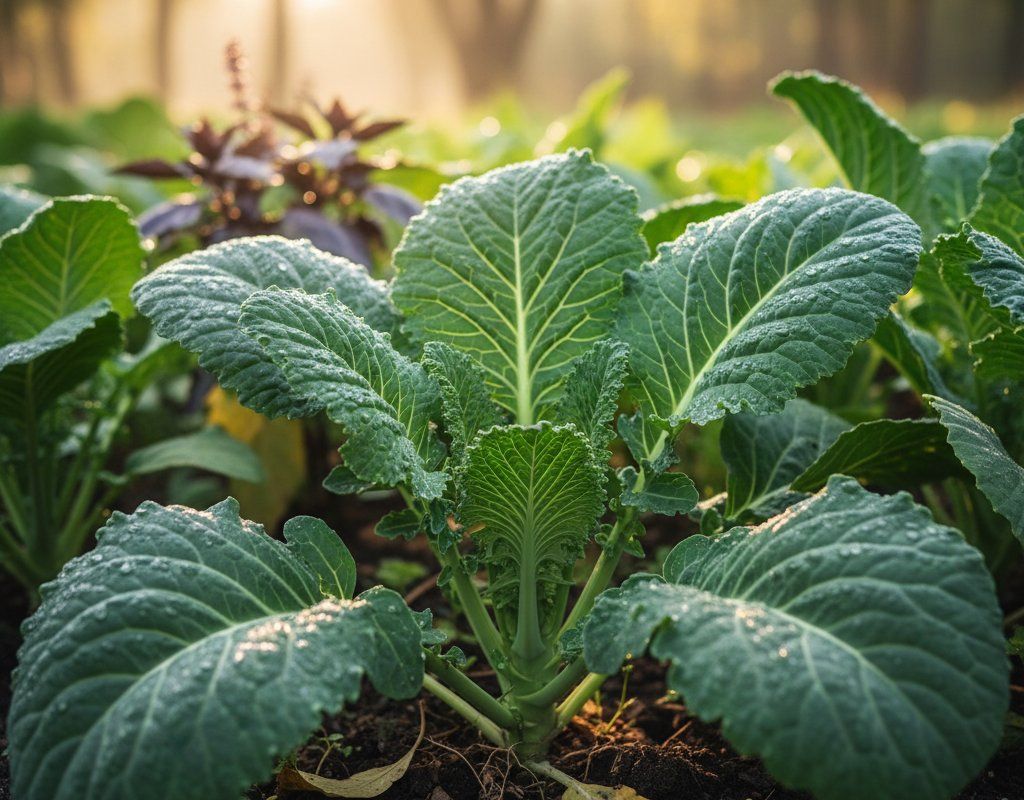
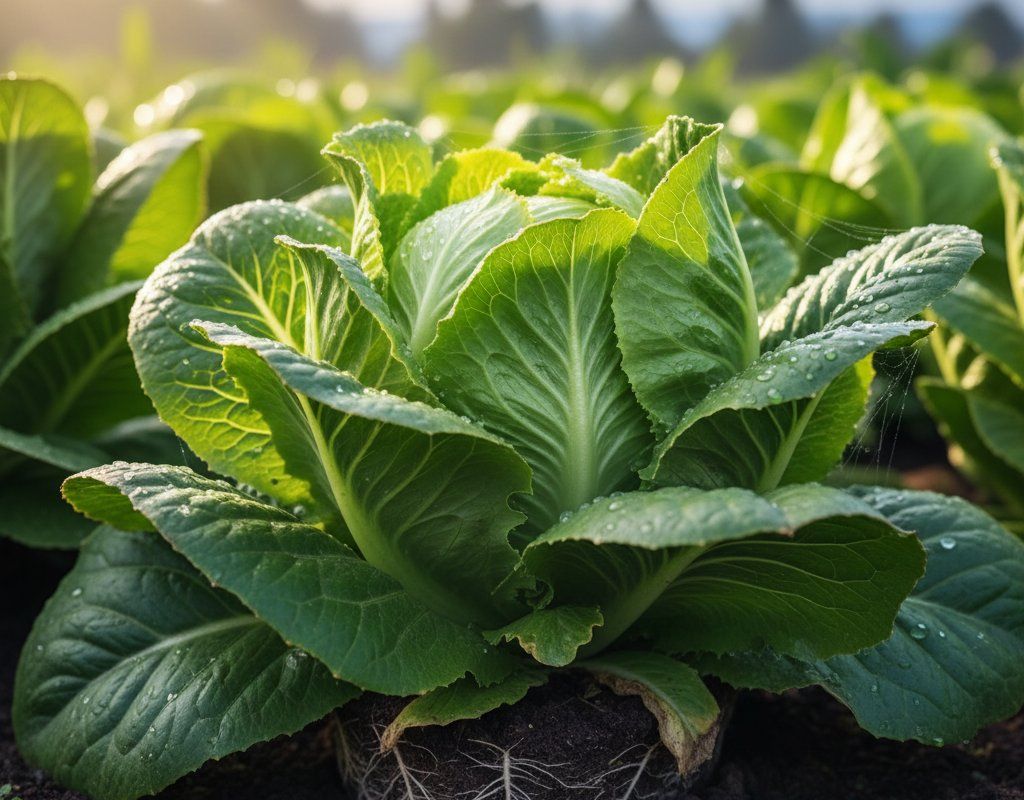
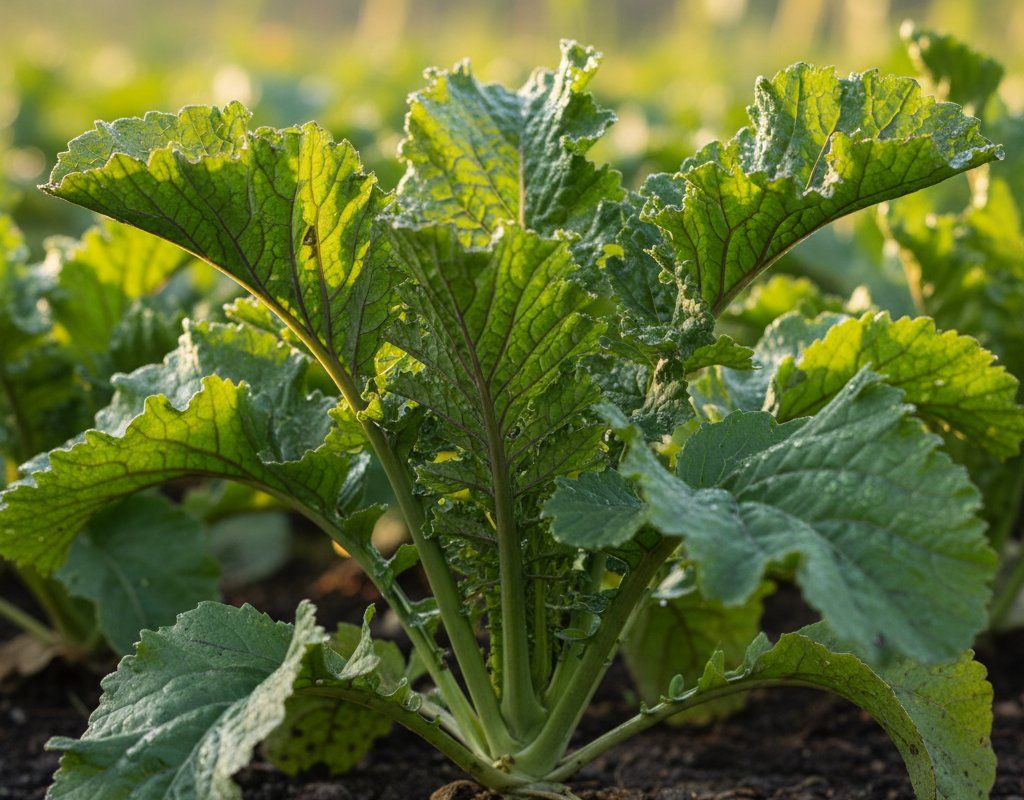
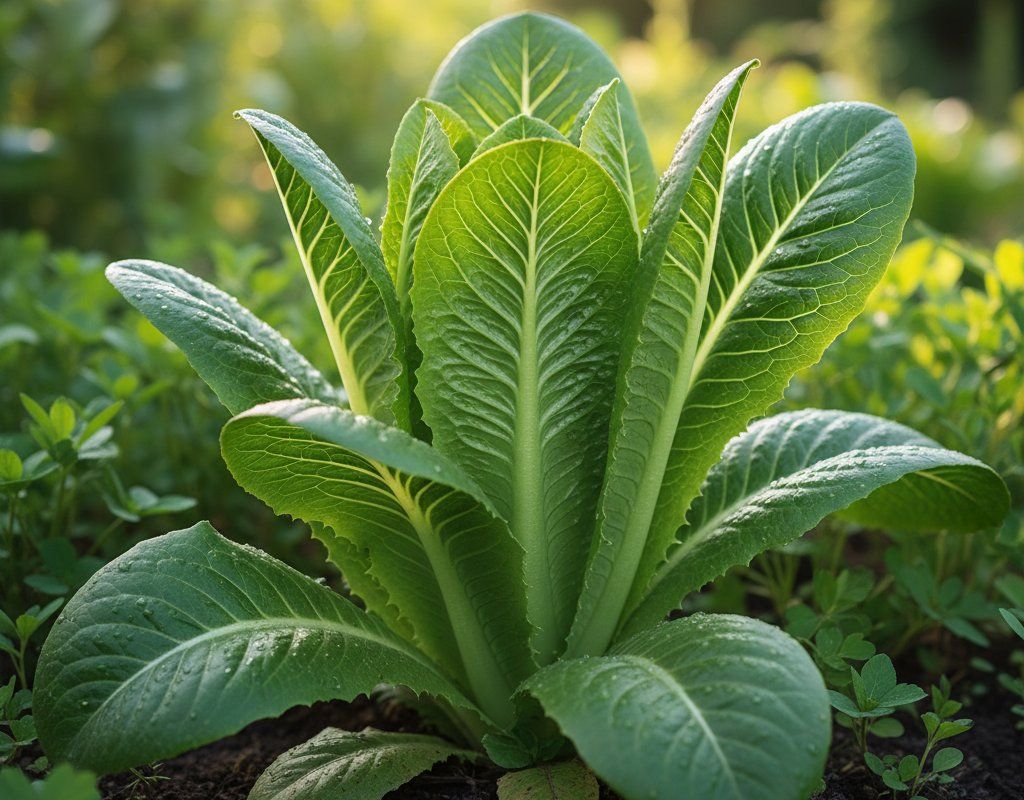
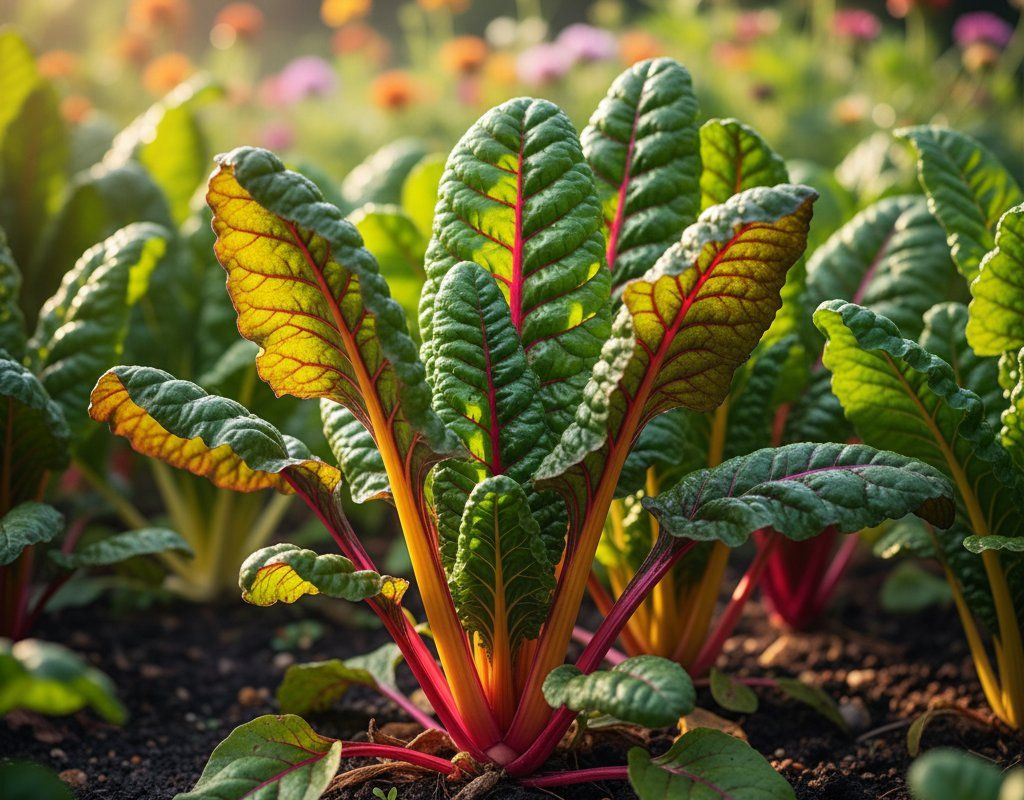
🥬Leafy Greens (9)



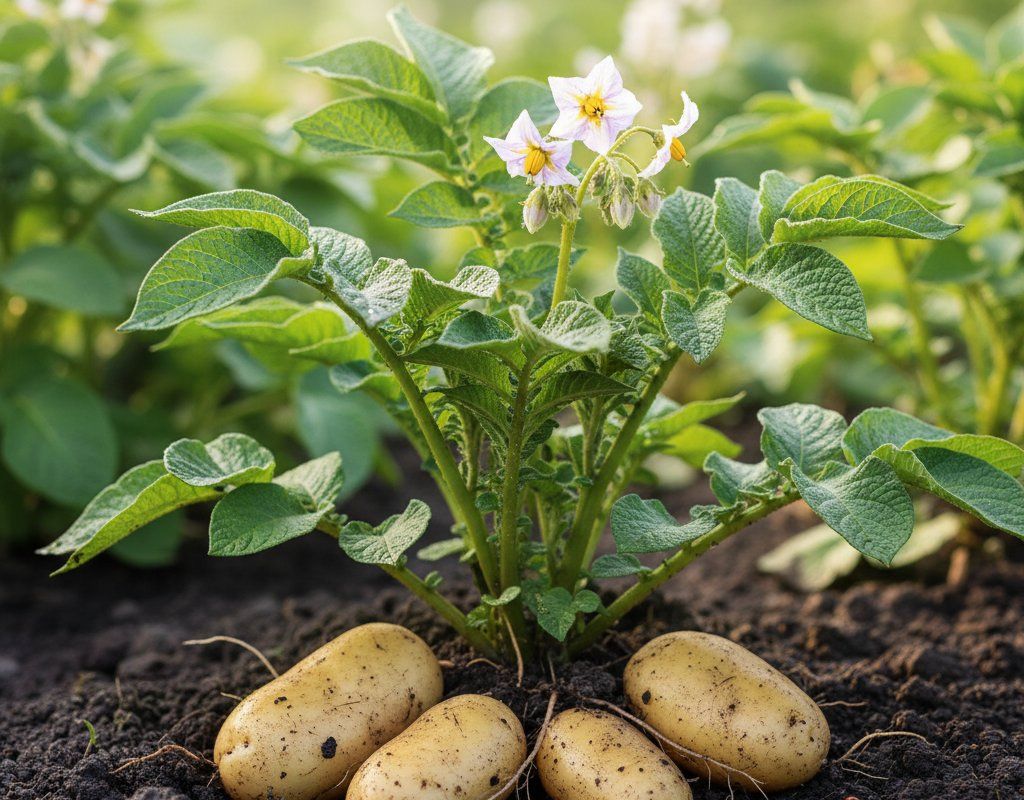
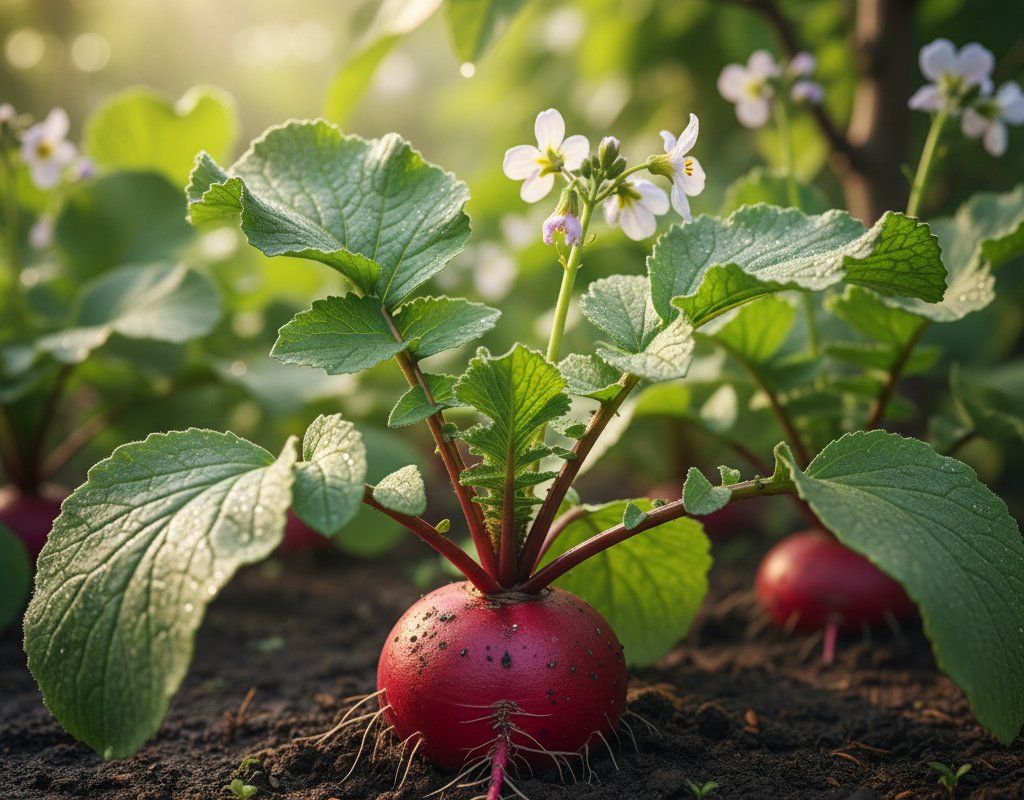
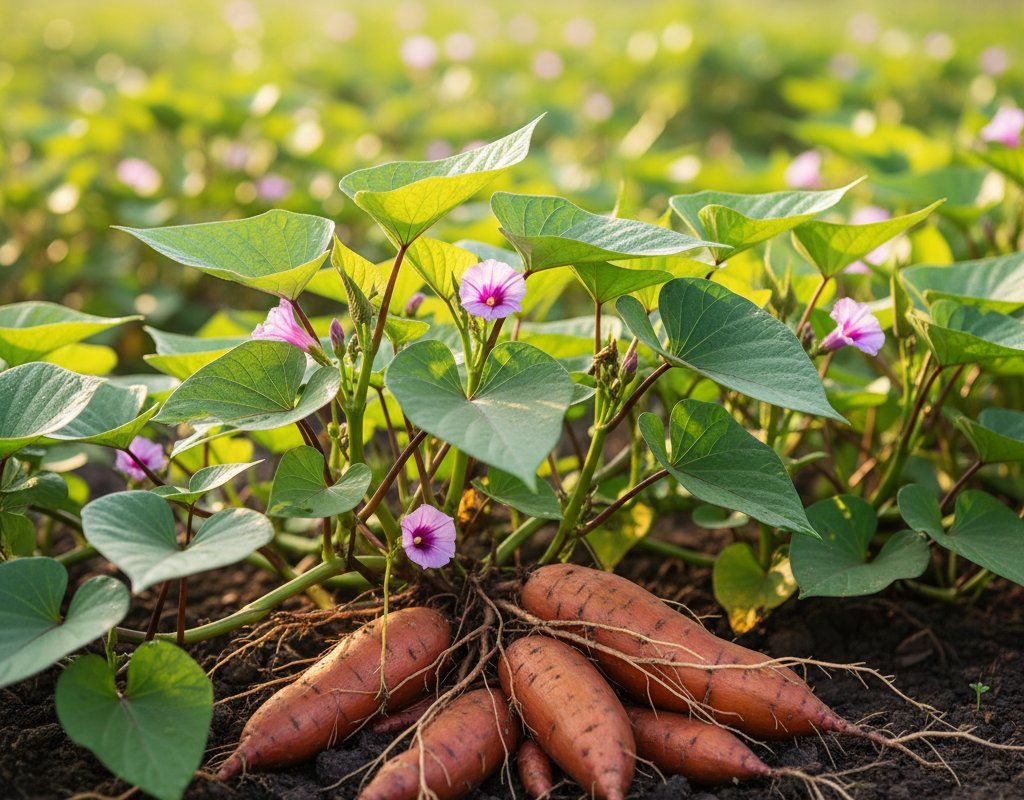
🥕Root Vegetables (5)


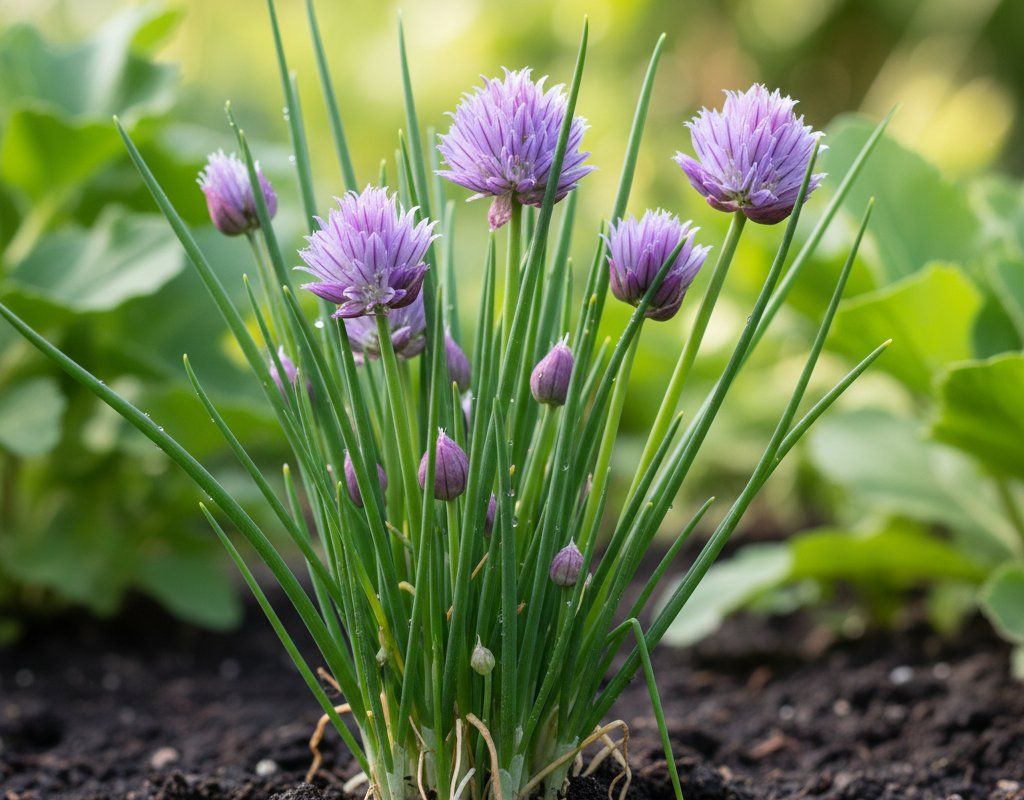
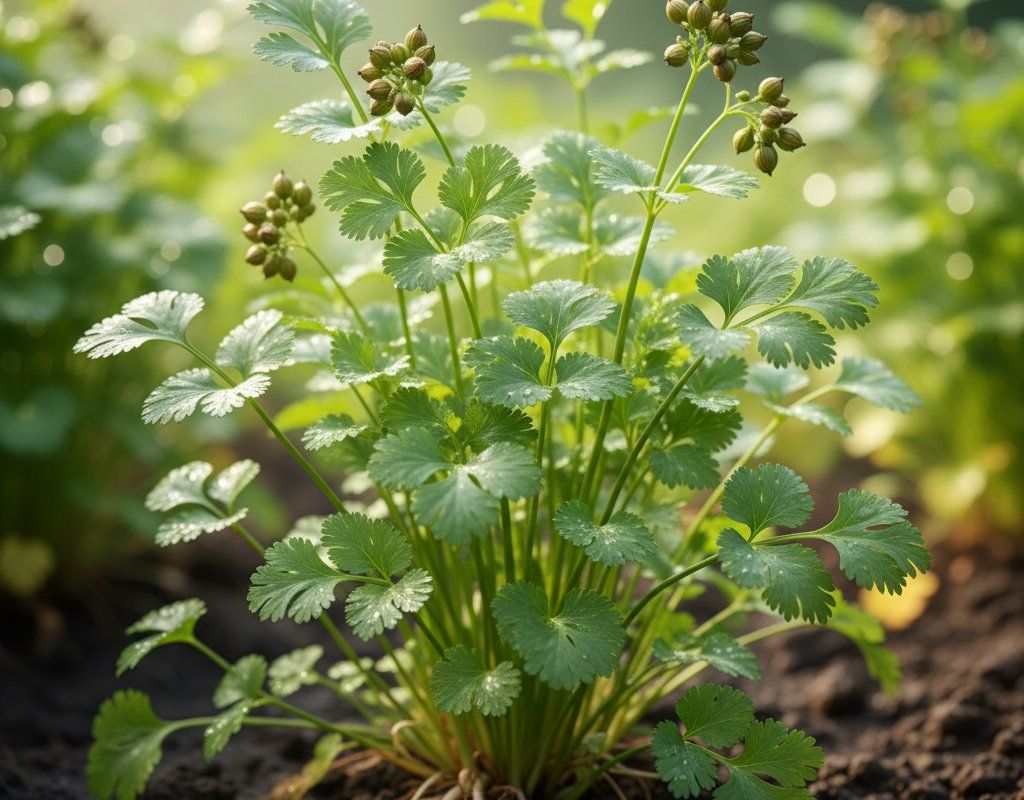
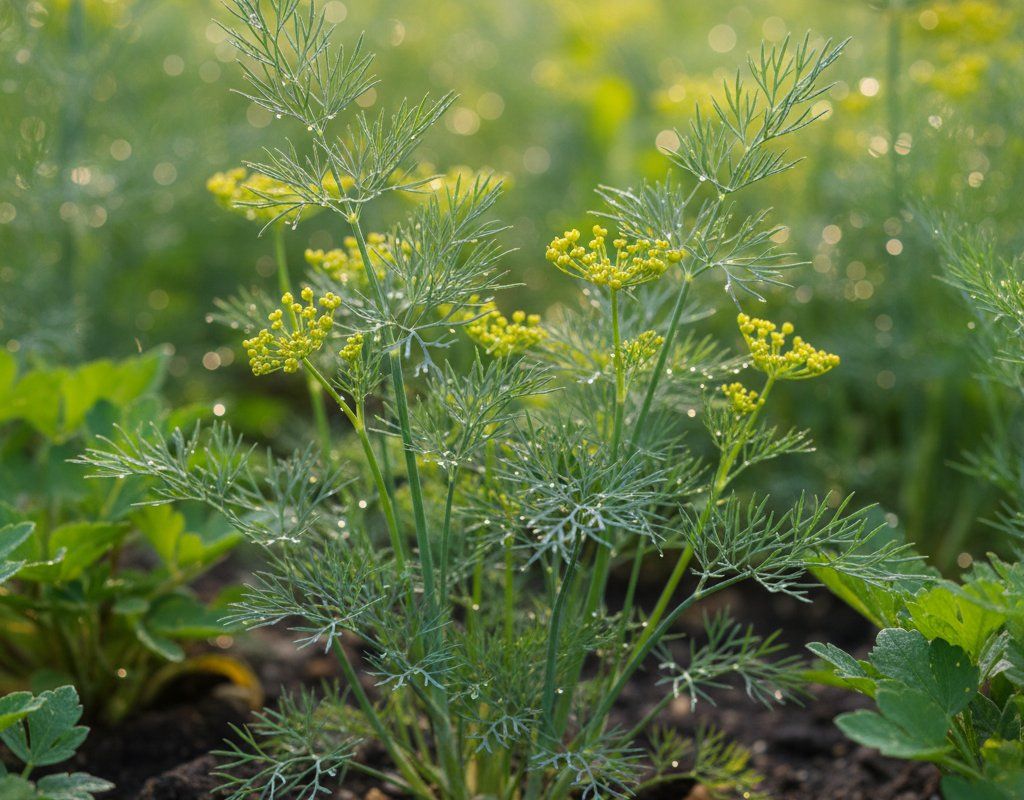
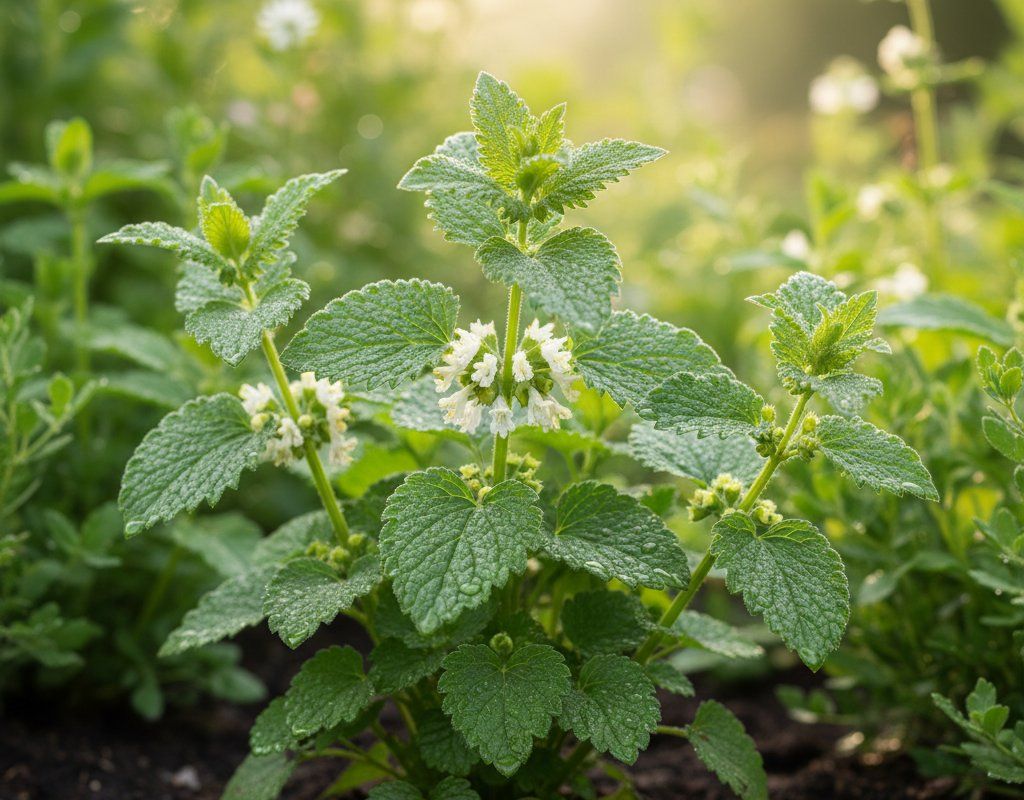
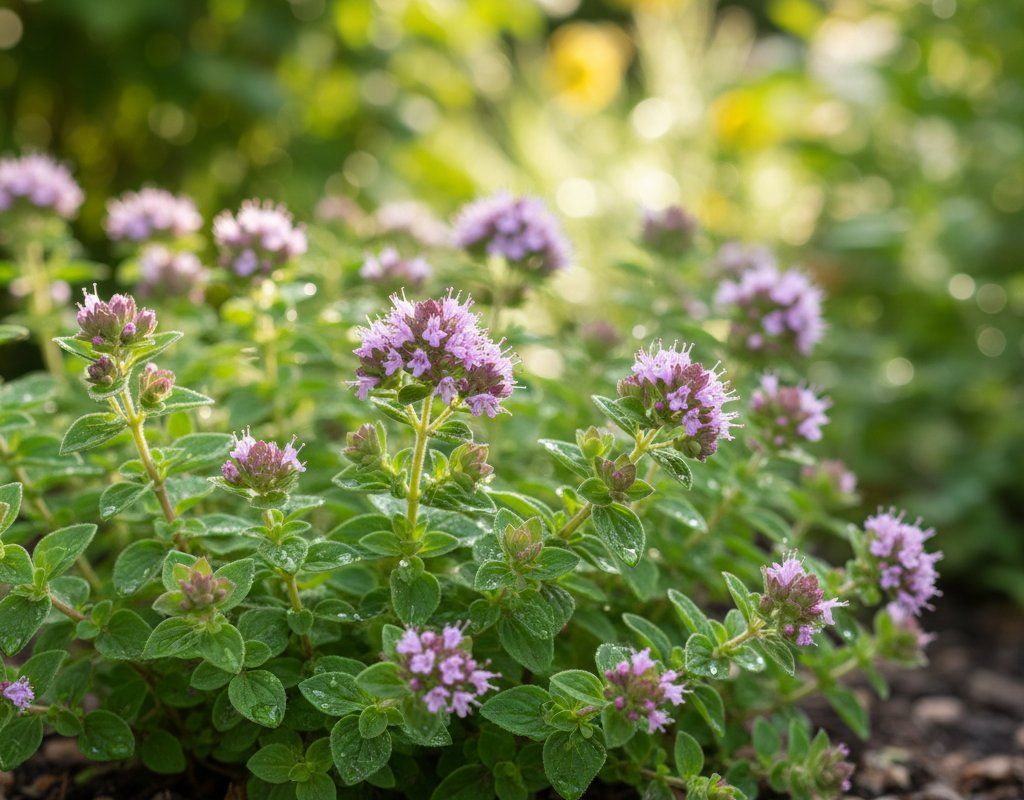
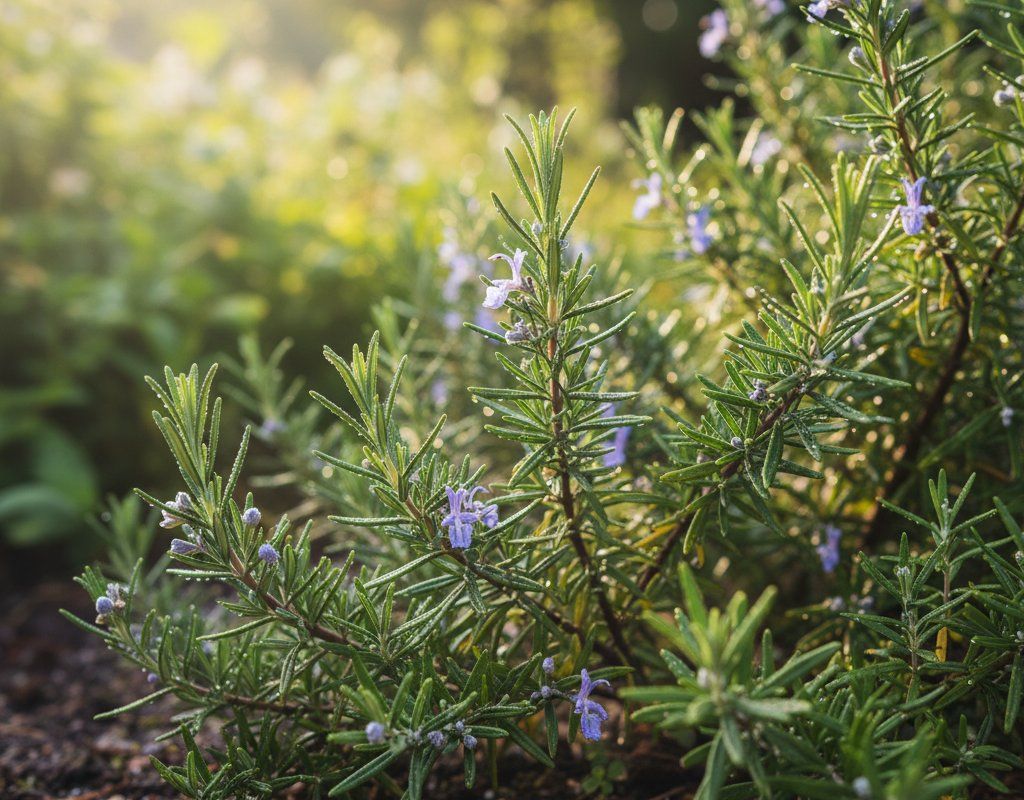
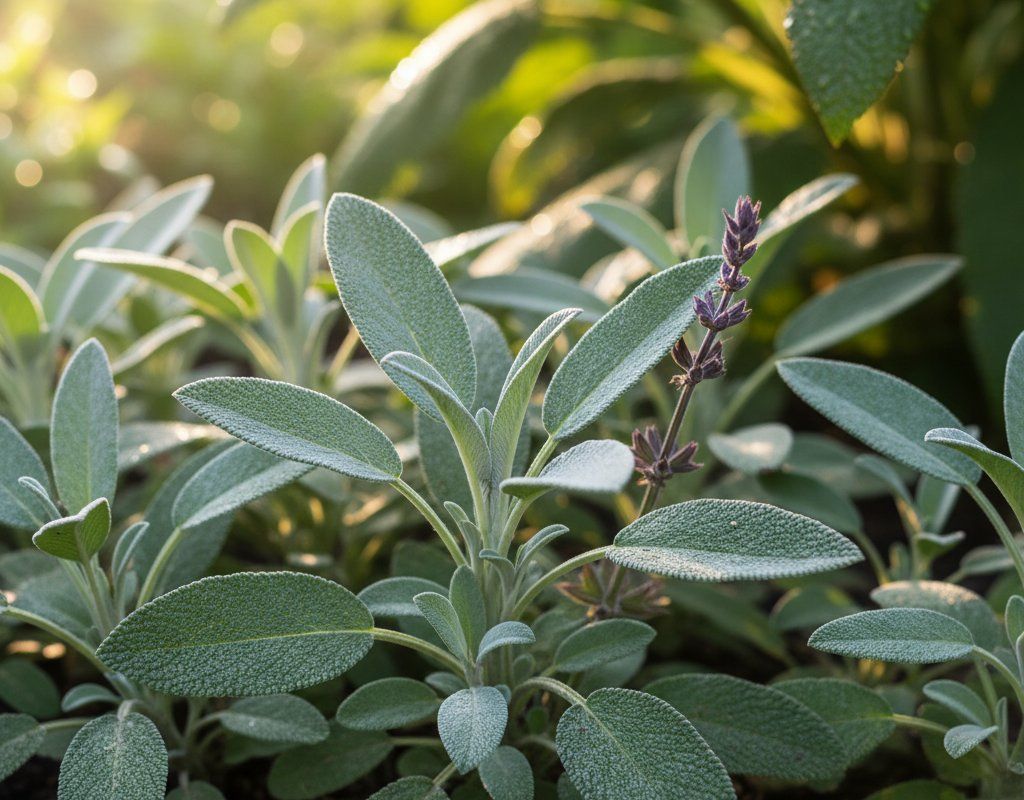
🌿Herbs (12)







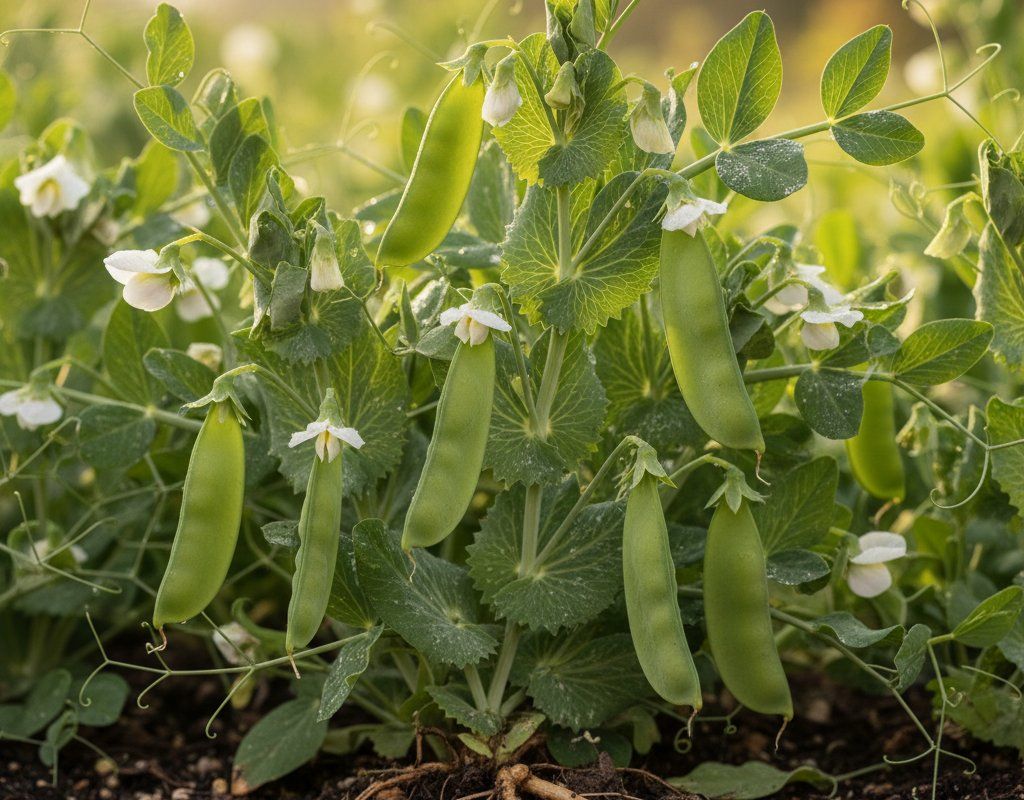
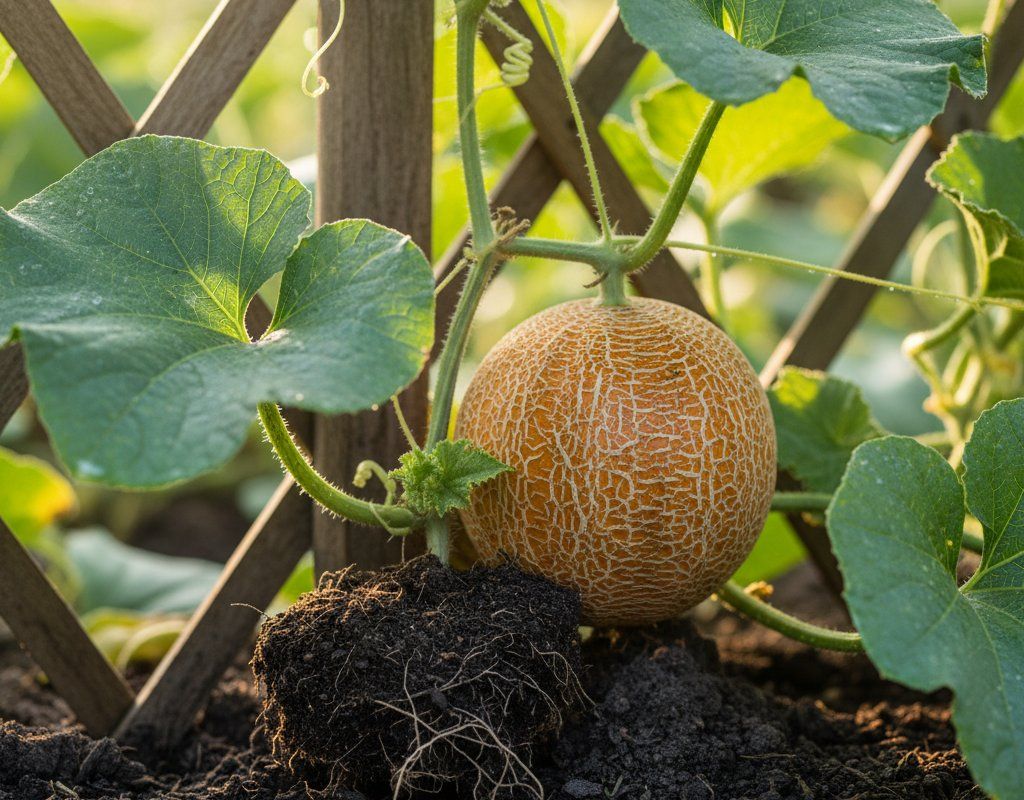
🍉Melons (2)
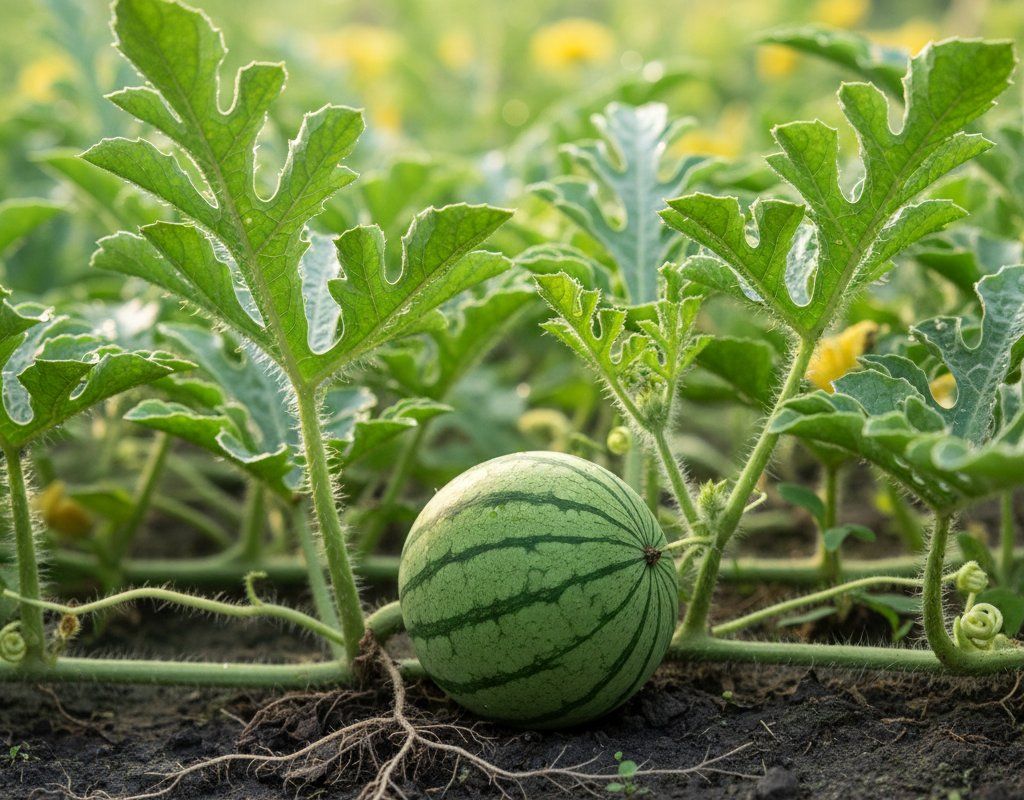
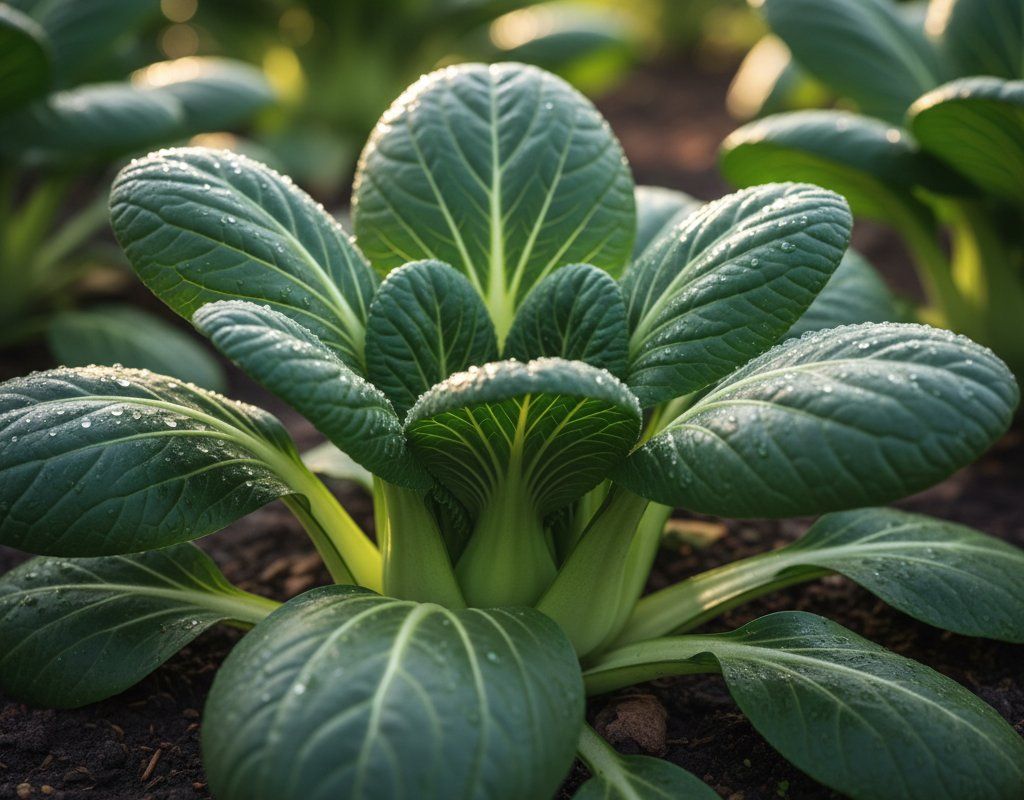
🥦Brassicas (6)

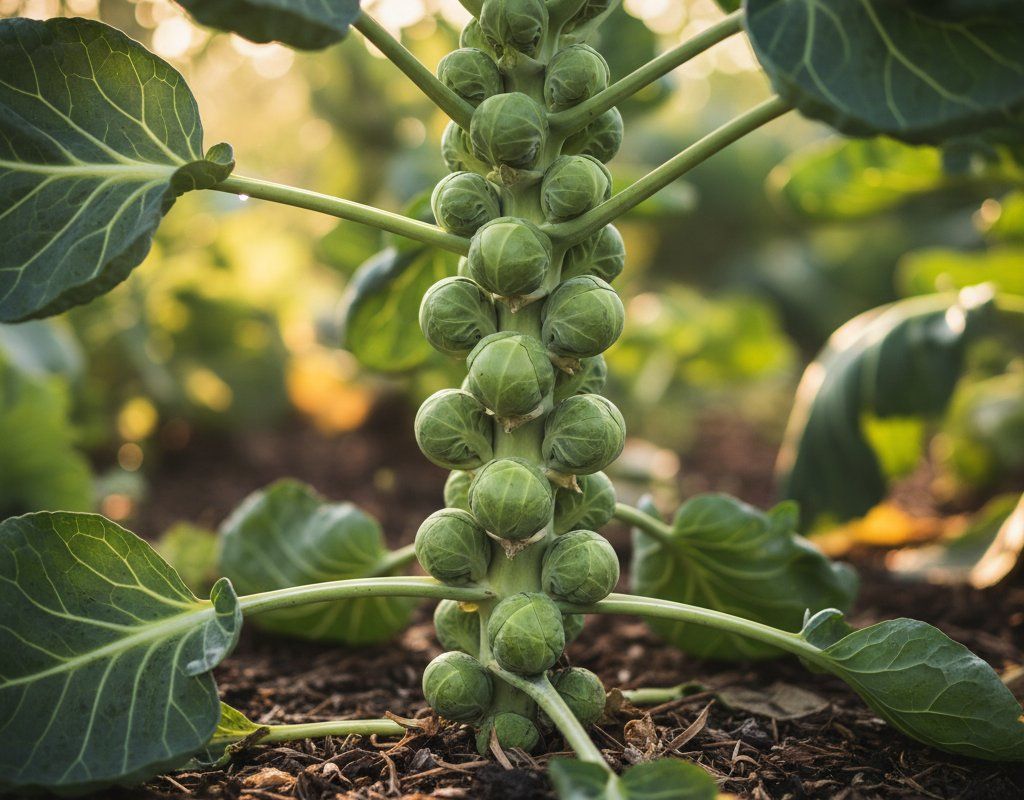

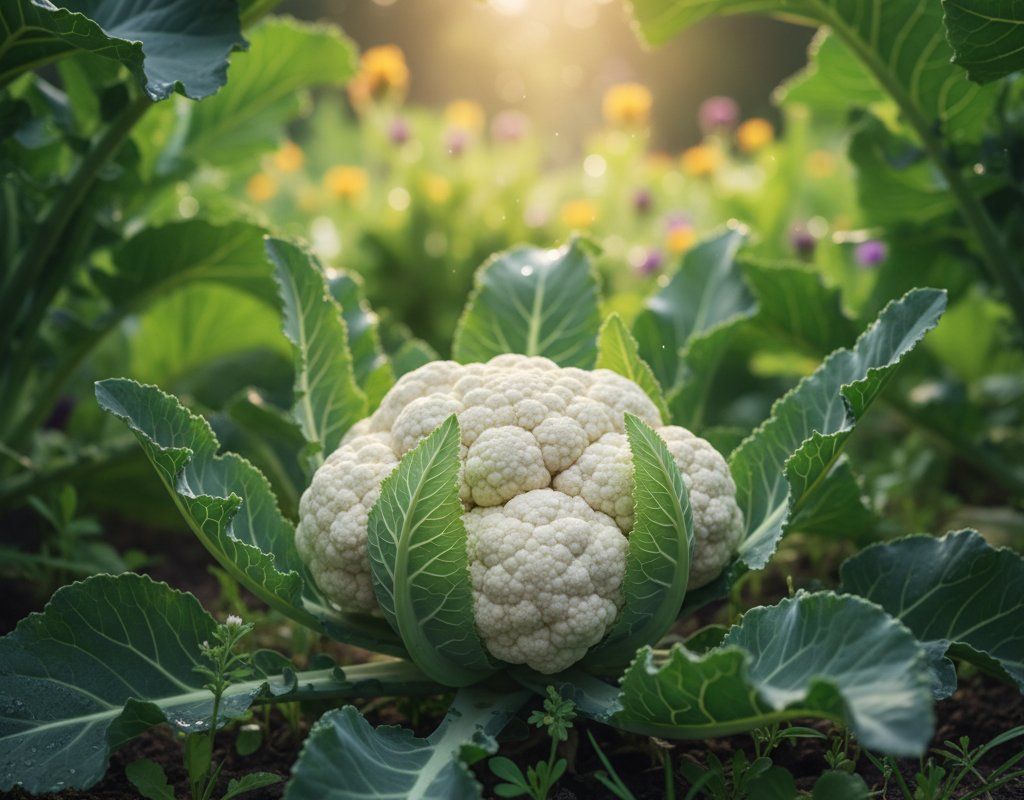
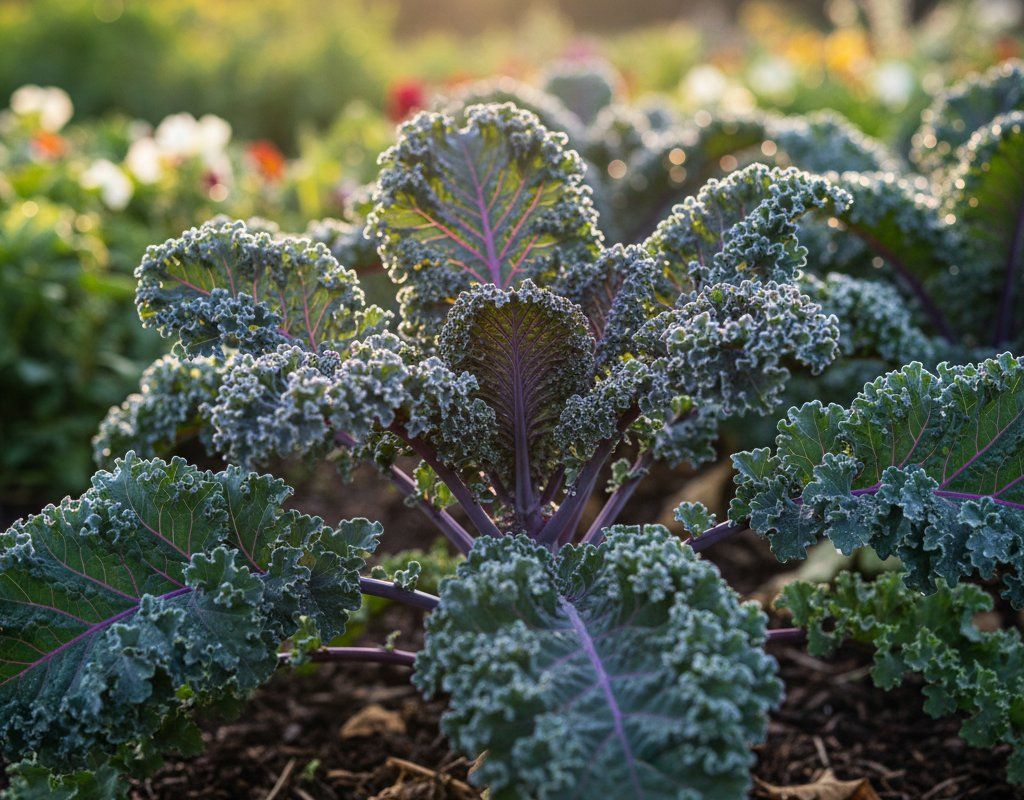
🧅Alliums (3)

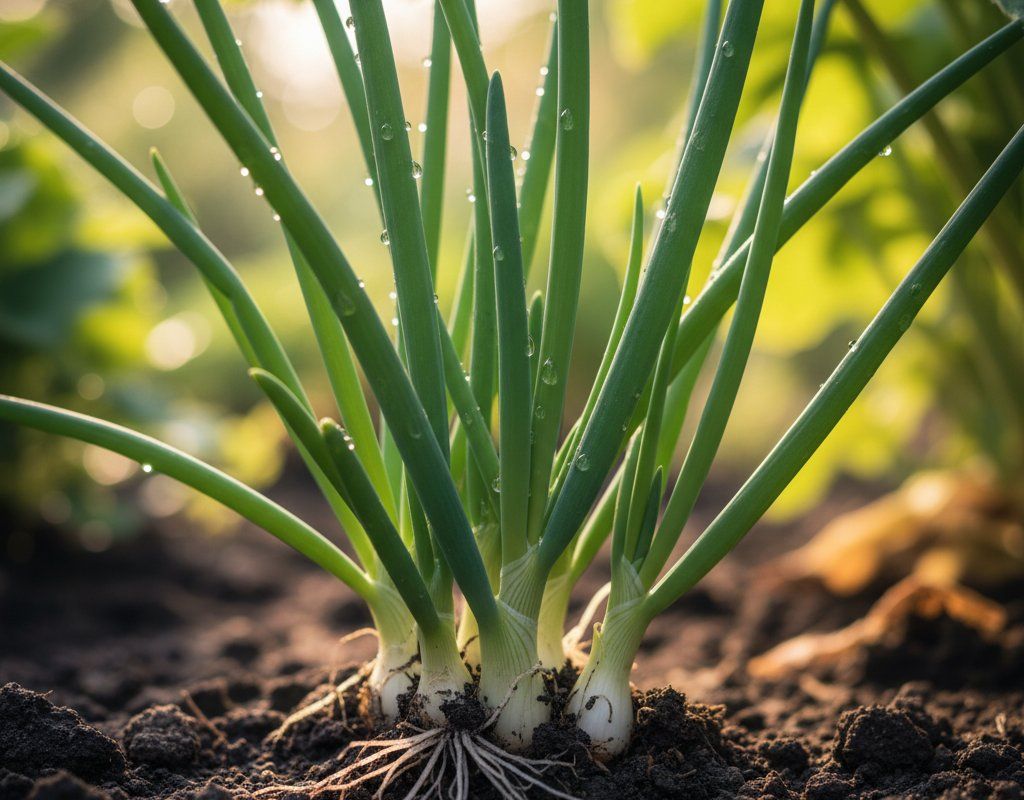

🌽Grains (1)

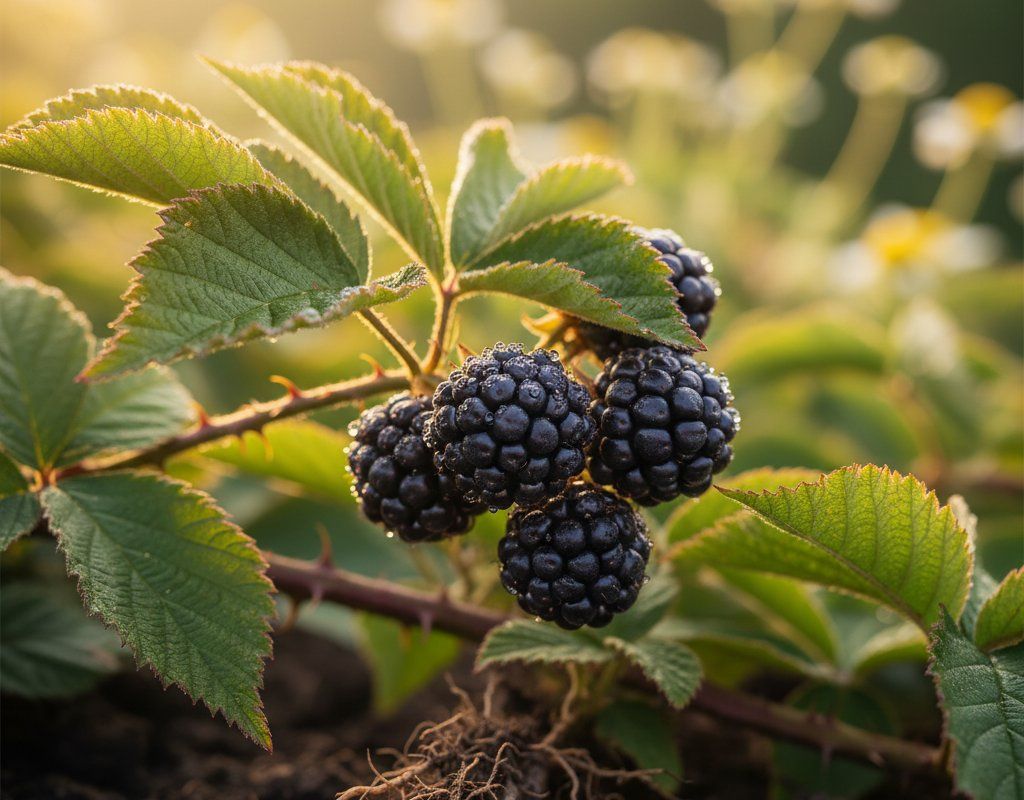
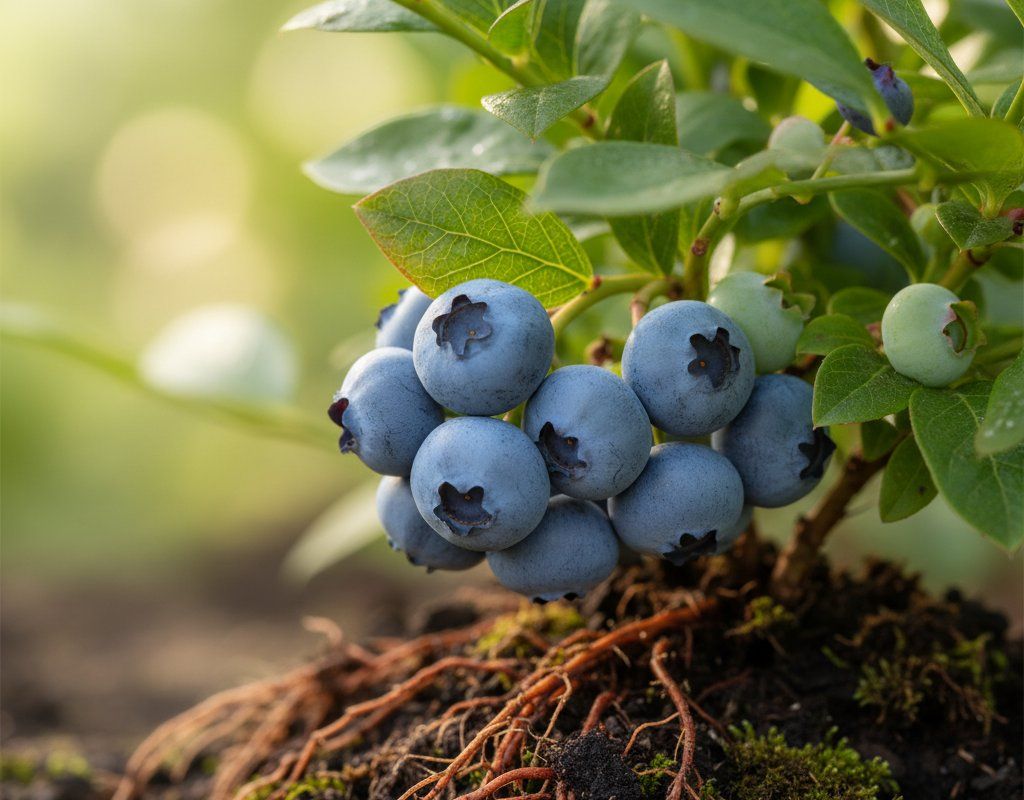
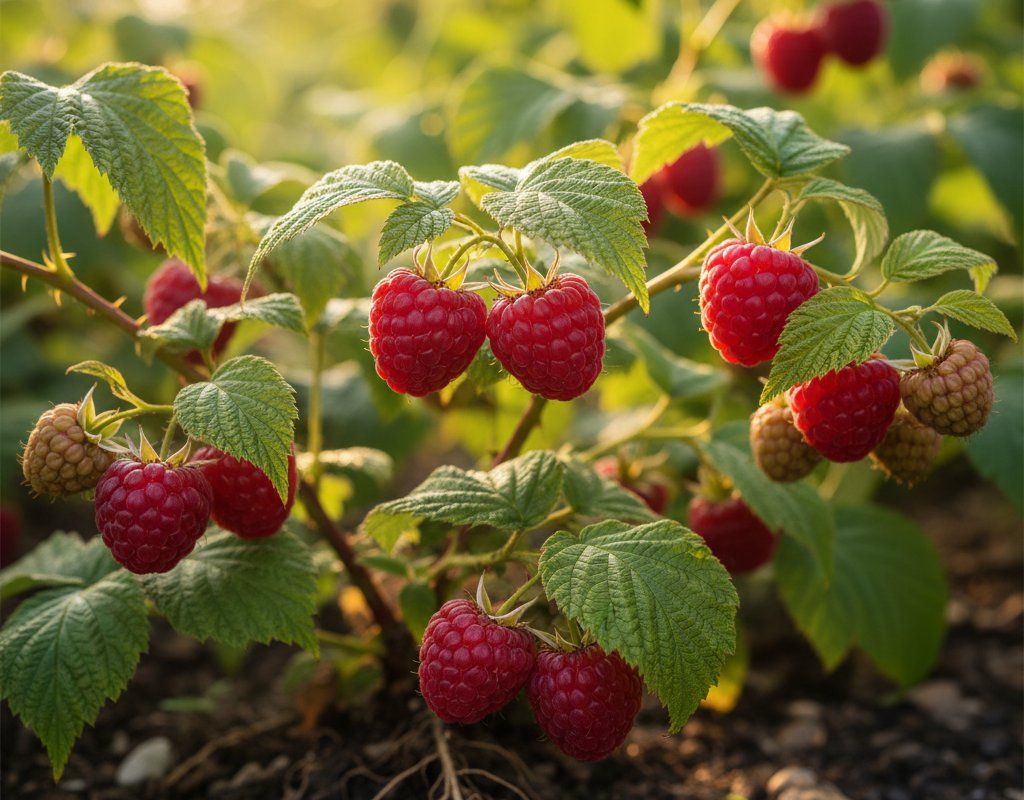
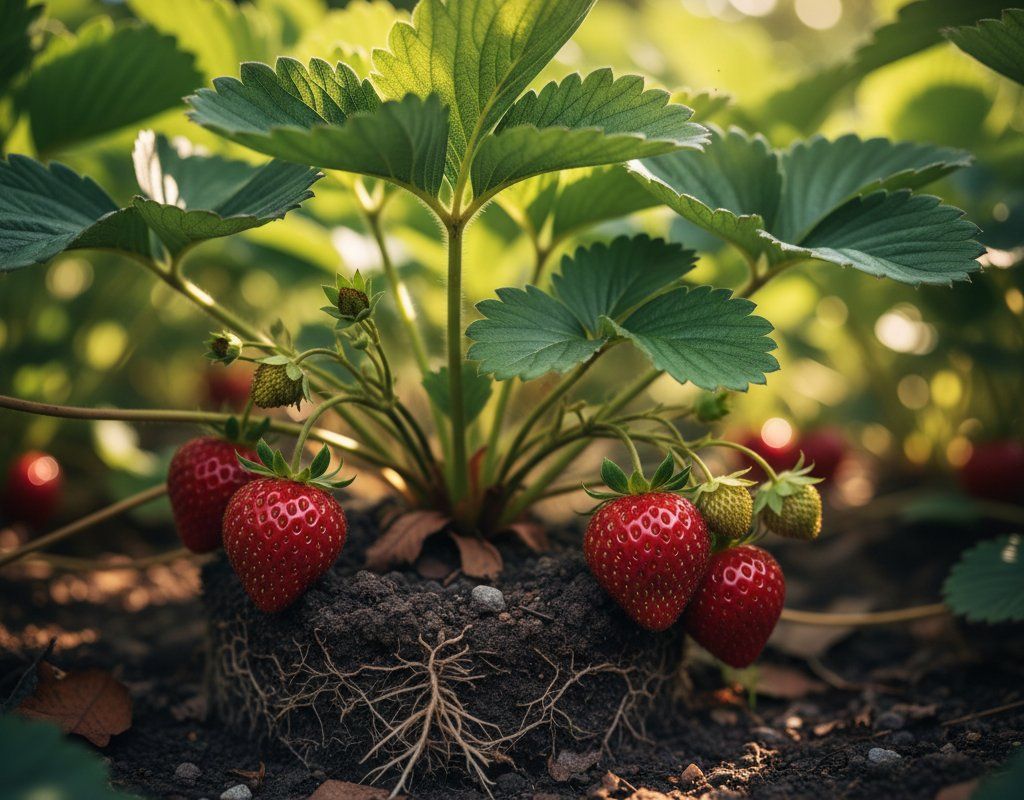
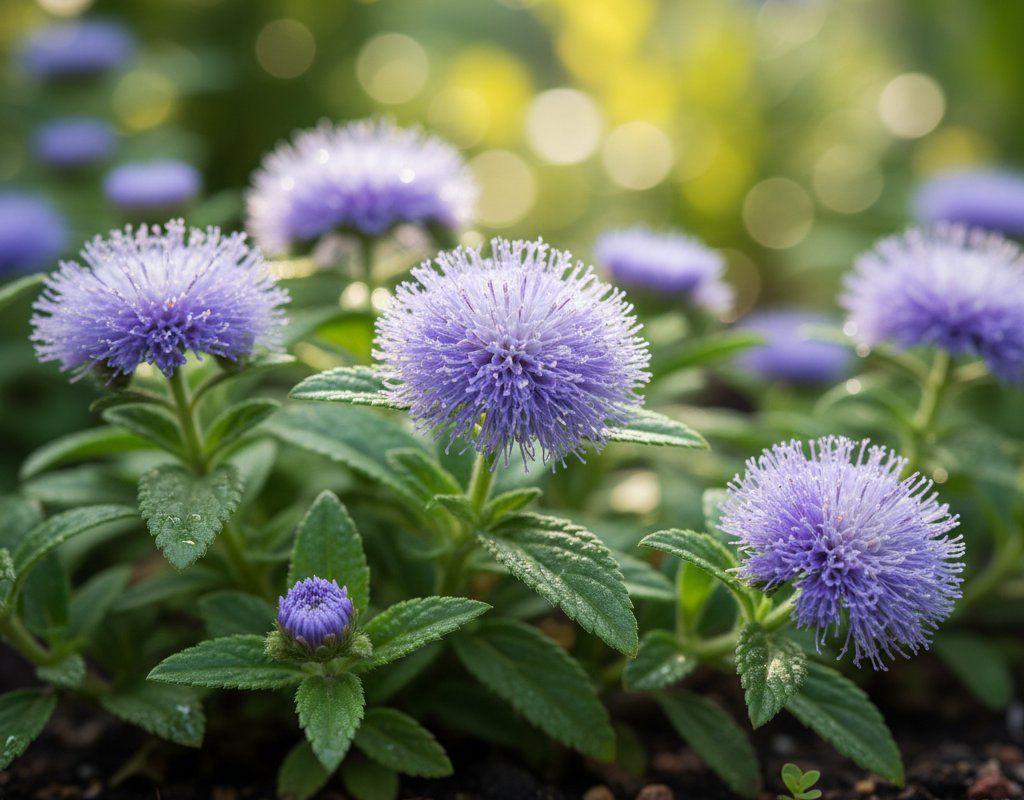
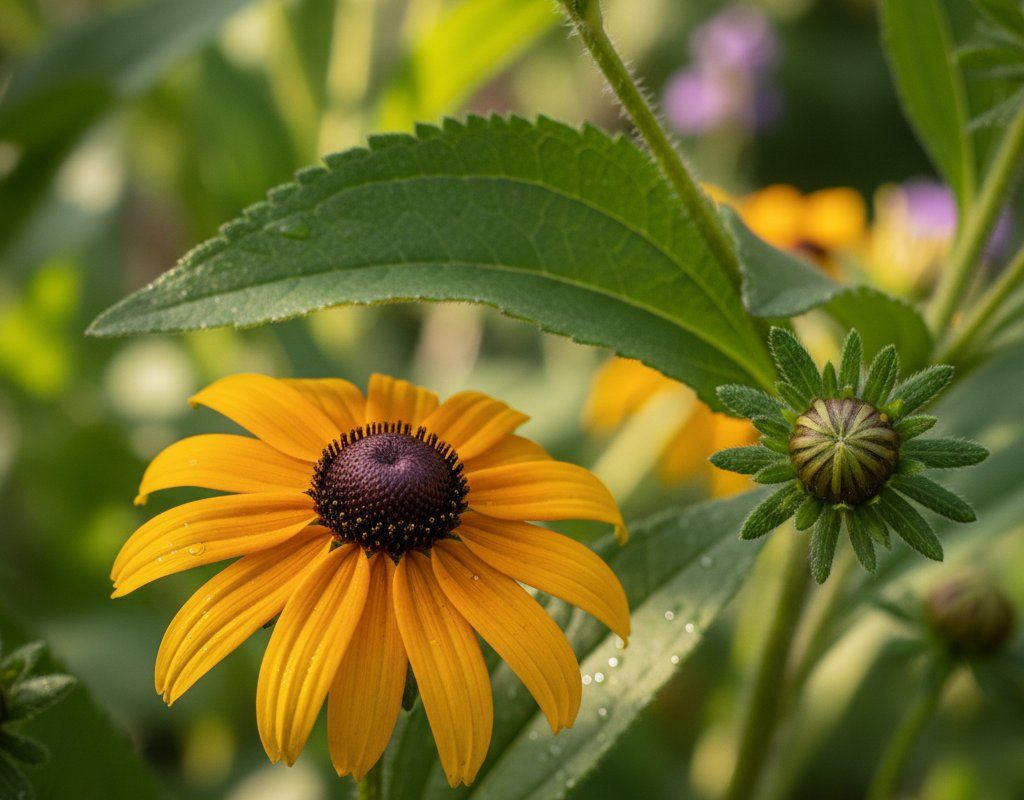
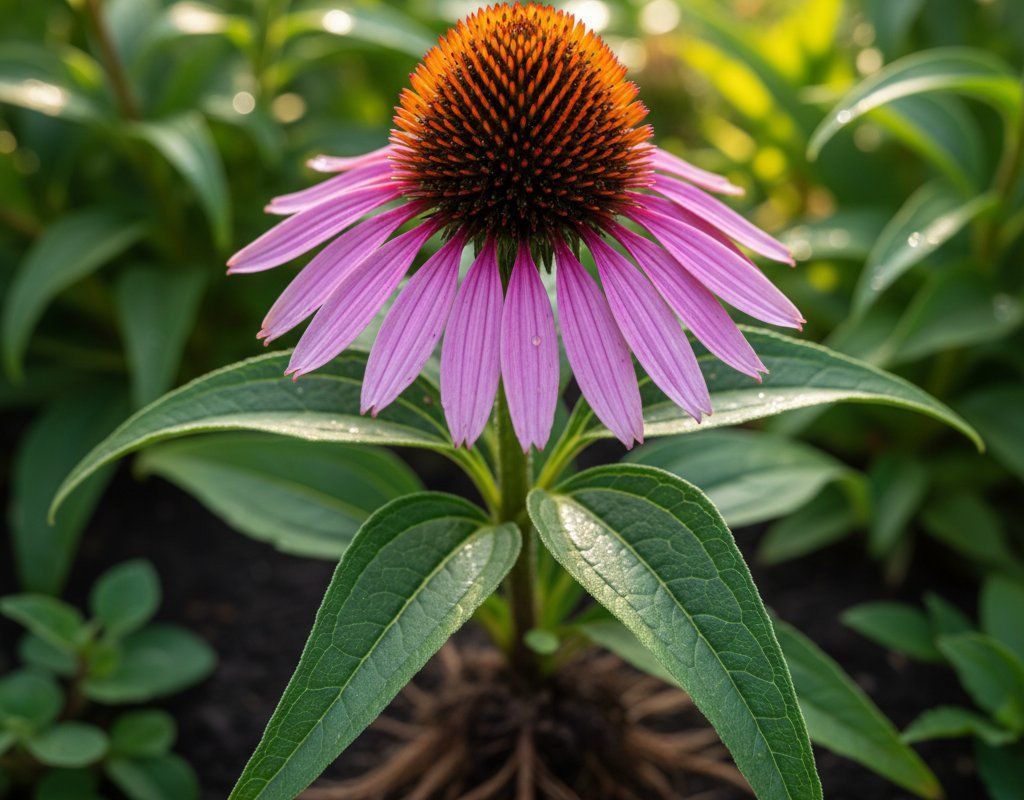
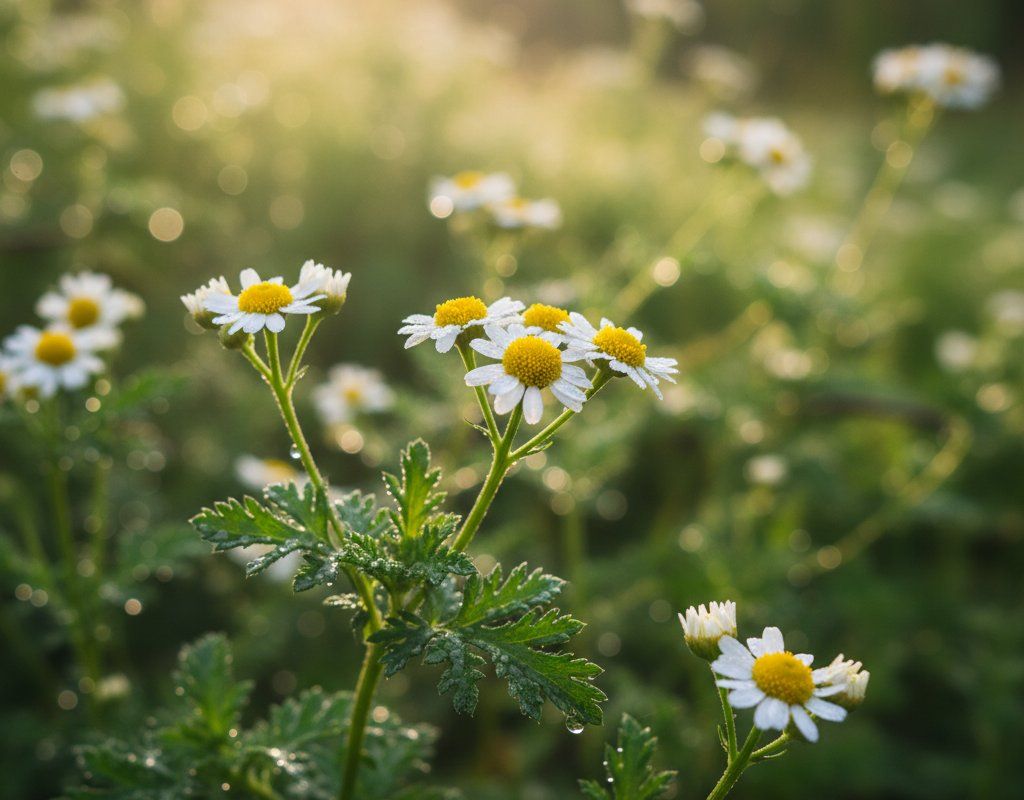
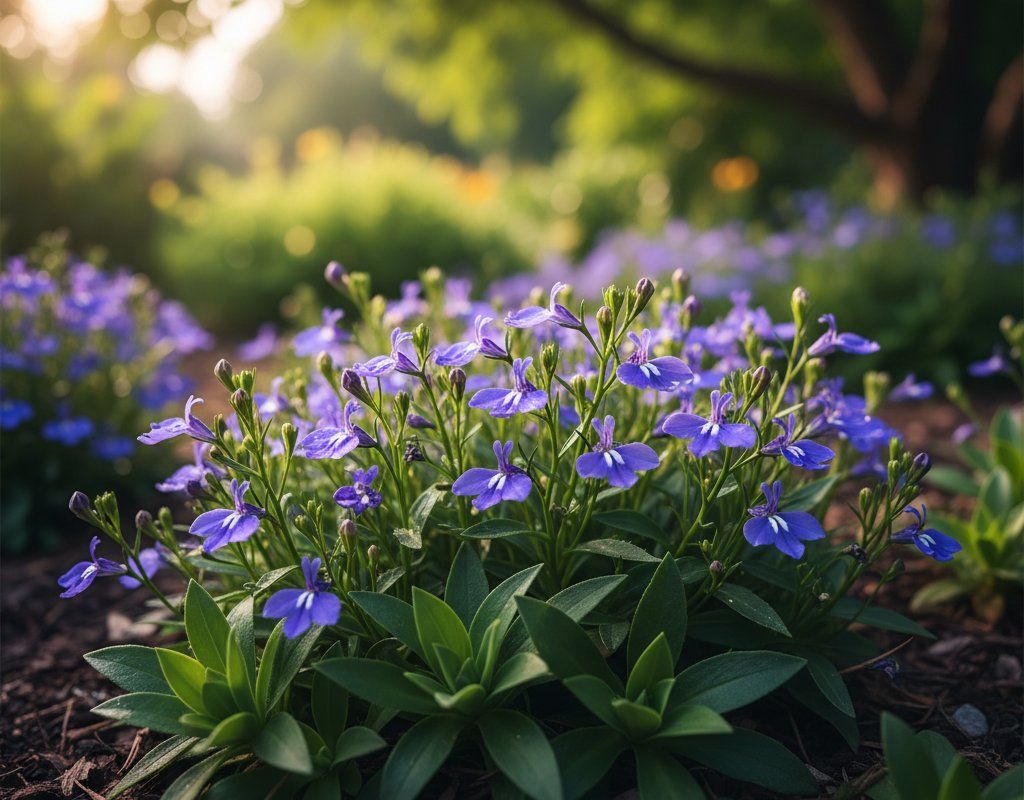
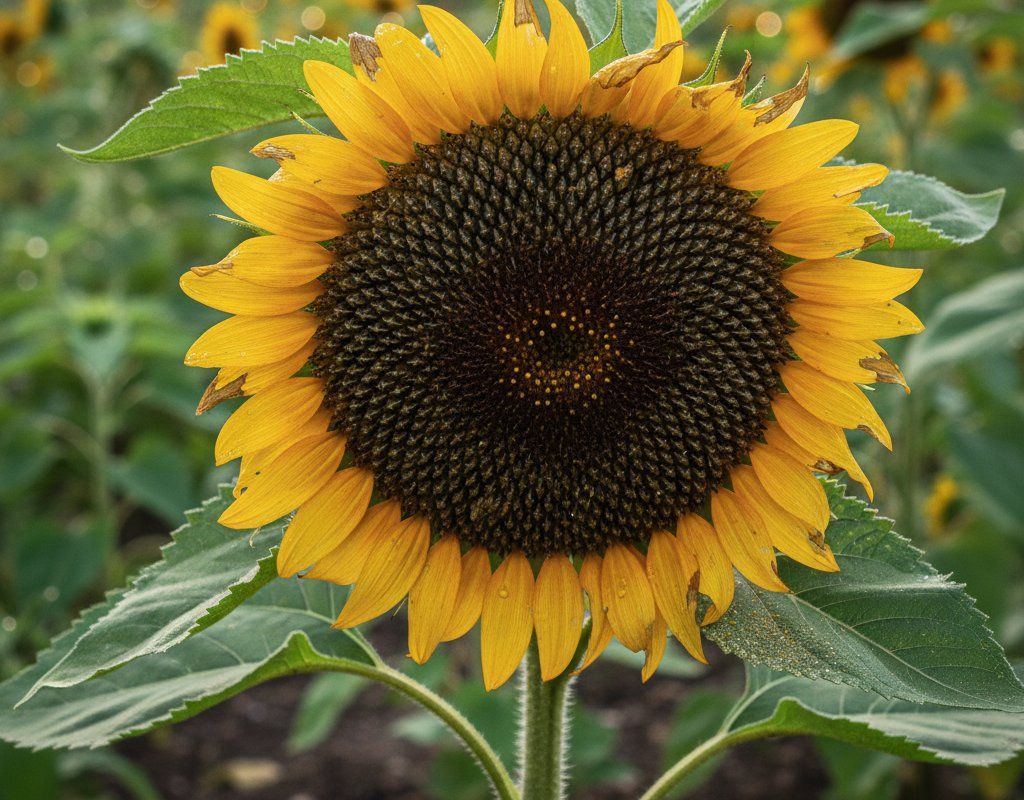
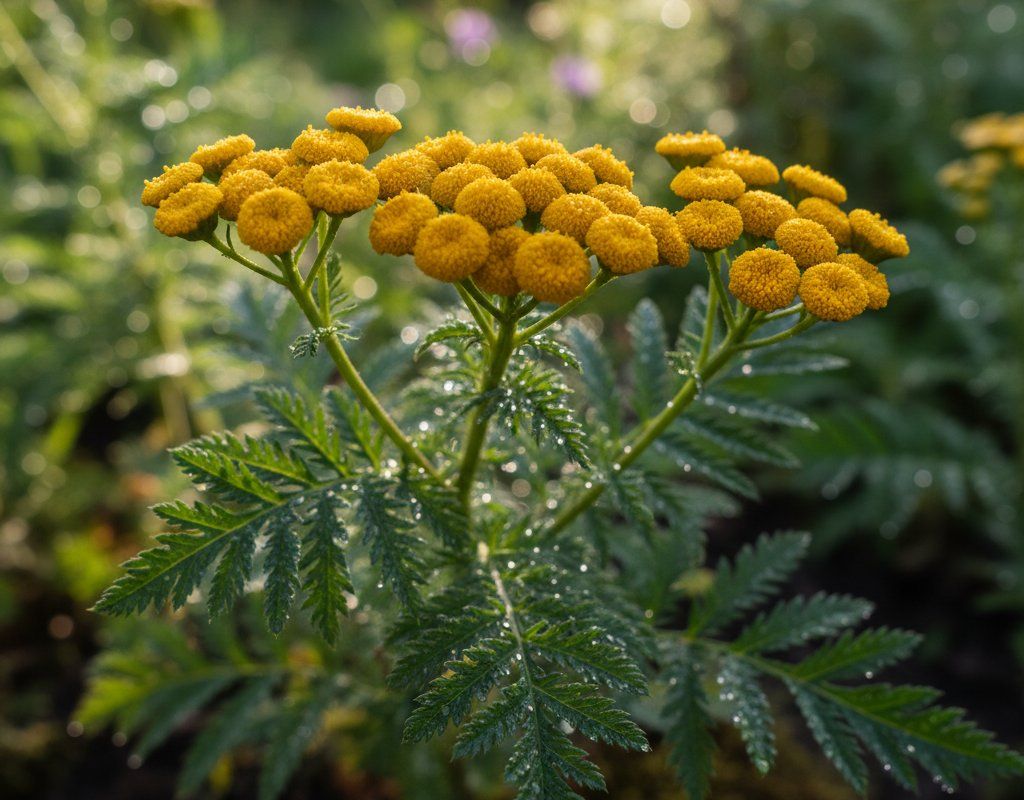
🌸Companion Flowers (20)













Month-by-Month Planting Calendar
What to do each month in your Zone 9B garden.
In January, you're preparing your spring garden beds, clearing winter debris and adding fresh compost to replenish soil nutrients. Start seeds indoors for tomatoes, peppers, and herbs to get a jump on the growing season. Check your irrigation systems and repair any winter damage before the heat arrives.
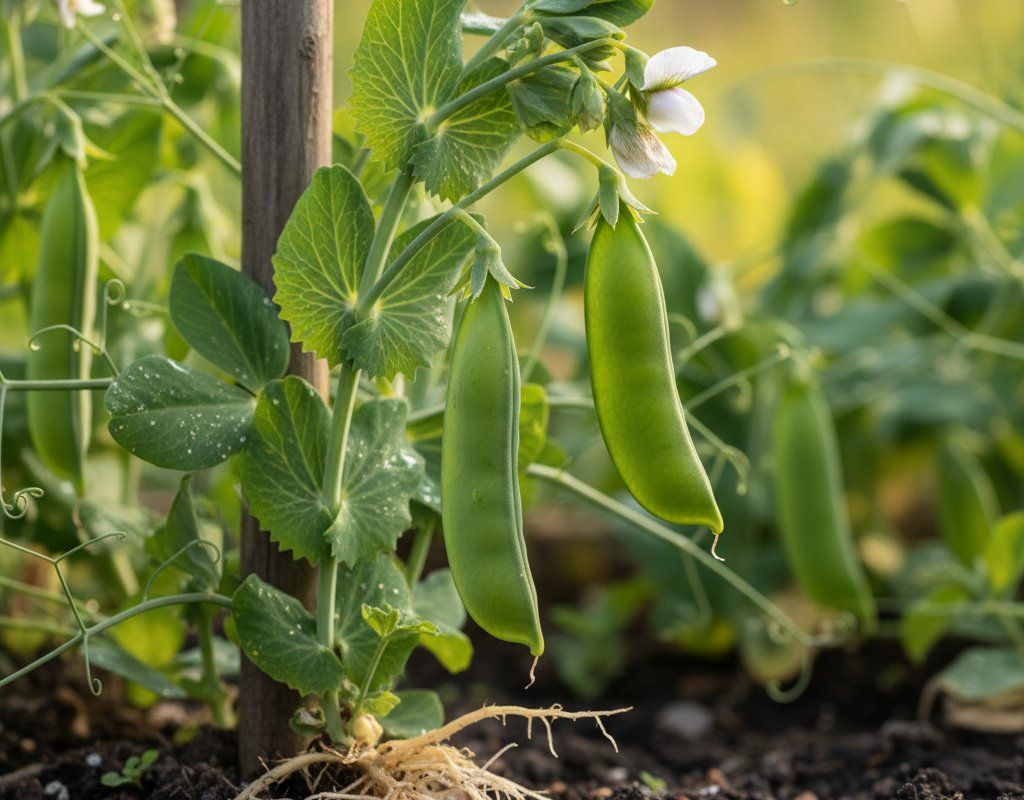
February is prime planting time for your cool-season crops like lettuce, spinach, and carrots. Direct sow these seeds and start your warm-season seedlings indoors. Begin preparing trellises and supports for climbing vegetables like beans and peas.
March signals the start of your primary planting season. Transplant those indoor seedlings into garden beds, focusing on tomatoes, peppers, and eggplants. Direct sow heat-loving crops like squash, cucumbers, and melons as soil temperatures warm.
In April, your garden kicks into high gear with most warm-season crops going into the ground. Maintain consistent moisture and start monitoring for early pest activity. Plant successive rounds of beans and quick-growing crops like radishes.
May brings intense heat, so provide afternoon shade for sensitive plants and mulch heavily to retain moisture. Continue planting heat-tolerant varieties and monitor for signs of heat stress. Start your summer herb garden with basil, cilantro, and dill.
June is peak summer gardening in Zone 9B. Focus on maintaining existing crops, providing extra water during extreme heat, and starting fall crop seedlings indoors. Watch for pest issues and use companion planting to naturally manage garden challenges.
July requires strategic gardening to manage extreme temperatures. Water deeply in early morning, use shade cloth, and focus on heat-resistant varieties. Start seeds for fall crops like broccoli and kale indoors where it's cooler.
August continues intense heat, so prioritize plant protection and consistent moisture. Begin preparing fall garden beds and start seeds for cool-season vegetables. Monitor for heat-stressed plants and be ready to provide extra care.
September offers a welcome temperature shift, perfect for planting fall and winter crops. Sow direct seeds for lettuce, spinach, and root vegetables. Begin cleaning up summer garden beds and preparing for cooler months.
October is ideal for establishing cool-season crops like kale, carrots, and beets. Remove spent summer plants and refresh garden beds with compost. Plant cover crops in areas not currently in production.
In November, focus on maintaining your fall and winter vegetable garden. Protect sensitive plants during occasional cold snaps and continue harvesting cool-season crops. Start planning your spring garden and ordering seeds.
December brings mild temperatures perfect for gardening. Continue harvesting winter vegetables, protect plants during rare frost events, and do maintenance on garden infrastructure. Review your gardening journal and plan next year's garden layout.
Common Challenges in Zone 9B (Southern California)
Zone 9B gives you about 294 frost-free days — nearly year-round growing potential. Year-round pest pressure is the defining challenge because insects never experience a killing freeze.
Whiteflies, aphids, spider mites, and thrips are constant companions. Fungal diseases thrive in warmth and humidity.
The intense summer heat (often 100-110°F) limits what you can grow from June through August. Many gardeners find that their best production happens from October through April — the opposite of northern growing calendars.
Water management and soil health require constant attention.
Season Extension Tips
Your 'season extension' strategy is really about filling the summer gap. Shade cloth (60-70%) is essential for any summer production.
Heat-adapted varieties of tomatoes (like 'Solar Fire' and 'Phoenix') set fruit at higher temperatures than standard varieties. Okra, sweet potatoes, Armenian cucumbers, and eggplant handle extreme heat well.
For the rare frost event (a few nights per year at most), a simple bedsheet or frost cloth draped over plants provides enough protection. The real opportunity is your incredible cool-season window: September through May gives you eight months of comfortable growing for greens, brassicas, root crops, peas, and herbs.
Soil Preparation
Soil building never stops in Zone 9B. Compost breaks down in 3-4 weeks during summer, so plan on adding it every time you turn over a bed.
Worm composting (vermicomposting) works particularly well here — red wigglers produce finished compost faster in warm conditions. If your native soil is sandy, incorporate coir and compost to improve water holding capacity.
If it's heavy clay or caliche, raised beds may be your best option. Mycorrhizal inoculant at planting time helps roots access water and nutrients more efficiently.
Mulch every bed — bare soil in Zone 9B can reach 140°F at the surface, killing roots and beneficial soil organisms.