
Green Beans in Zone 10B — Desert Southwest
Phaseolus vulgaris · Your Complete 2026 Planting Guide
Still Time to Sow!
The sowing window is still open for Green Beans.
Sow Seeds Soon
Beans have sensitive roots and grow quickly. Direct sow after frost.
How to Plant Green Beans in Zone 10B — Desert Southwest
Here are all your options for getting green beans in the ground, from the easiest method to more advanced approaches.
Direct Sow Seeds
RecommendedLate January through late October
around January 22
Consider succession planting every 2-3 weeks for continuous harvest.
Beans have sensitive roots and grow quickly. Direct sow after frost.
Buy Starts
Works WellLate January through mid February
around January 22
Plant purchased starts after last frost (January 15).
Start Seeds Indoors
ChallengingThis plant is typically not started indoors.
Transplant Outdoors
Timing InfoLate January through mid February
around January 22
Wait until nighttime temperatures stay above 50°F.
You have a nice window — no need to rush.
Overview
Green beans thrive in our Desert Southwest climate, giving you fresh, crisp pods through two distinct growing seasons. Unlike store-bought beans that travel thousands of miles, your homegrown varieties deliver exceptional flavor and that satisfying snap when perfectly picked. Bush beans work particularly well here since they produce concentrated harvests before our extreme heat hits, and they don't need support structures that can create additional heat stress in our intense sun.
While our arid climate and temperature swings present challenges for tender crops, green beans adapt well to desert gardening when you time plantings correctly. With our generous 349-day growing season, you can plant beans in late winter through early spring, take a summer break during the most brutal heat, then enjoy a productive fall harvest that extends well into winter.
Transplanting Outdoors
Though beans grow best from direct seeding, you can transplant seedlings during the narrow window from late January through mid-February. Start seeds indoors about 2-3 weeks before transplant time, using biodegradable pots since beans hate root disturbance.
Harden off transplants gradually over one week, starting with just morning sun exposure and building to full outdoor conditions. Our late January weather can swing from 70°F days to near-freezing nights, so watch forecasts carefully during this transition period.
Space transplants 4-6 inches apart in rows, planting at the same depth they were growing in containers. Water gently at the base to settle soil around roots, and be prepared to protect young plants if unexpected cold snaps threaten during our variable winter weather.
Direct Sowing
Direct sowing works best for beans in the Desert Southwest since they develop strong taproots and dislike transplant shock. Plant from late January through late October, avoiding only the peak summer months when soil temperatures exceed 90°F and seedlings struggle with heat stress.
Prepare your planting area by working compost into the soil and ensuring good drainage - our caliche layer can create waterlogged conditions that rot bean seeds. Wait until soil temperatures reach at least 60°F consistently, usually by late January in protected areas or early February in more exposed garden spots.
Sow seeds 1-2 inches deep and 4-6 inches apart, then water gently to maintain consistent moisture until germination in 7-10 days. In our alkaline desert soils, beans actually benefit from the higher pH, unlike many vegetables that struggle with our natural soil conditions.
Watering Green Beans in Zone 10B (Desert Southwest)
Beans need consistent moisture but can't tolerate our heavy clay soils staying waterlogged, especially during cooler winter months when evaporation rates drop significantly. Aim for about 1 inch of water weekly, adjusting for our intense summer heat or cooler winter periods.
Always water at soil level rather than overhead - our low humidity means wet foliage doesn't dry quickly in winter, creating perfect conditions for rust and other fungal diseases that spread rapidly in bean patches. Use drip irrigation or soaker hoses to deliver water directly to root zones while keeping leaves dry.
Check soil moisture using the finger test - stick your finger 2 inches into the soil near plants. If it's dry at that depth, it's time to water deeply. During our spring growing season, you'll likely need to water every 2-3 days, while winter beans may only need weekly irrigation.
Mulch around plants with 2-3 inches of wood chips or gravel mulch to conserve moisture and moderate soil temperatures. This becomes especially important as temperatures climb toward summer, helping extend your spring harvest and preparing soil for fall plantings when monsoon moisture provides some natural irrigation.
🧪Fertilizing Green Beans
Feeding Schedule
Organic Fertilizer Options
Harvest Time
Your first beans will be ready for picking about 55 days after planting, typically starting in mid-March for late January plantings and continuing through late December for fall crops. Look for pods that are firm, crisp, and about pencil-thick - they should snap cleanly when bent rather than being rubbery or tough.
Harvest every 2-3 days once production begins, picking pods before the seeds inside start bulging noticeably. This frequent picking encourages continued pod production and prevents plants from switching into seed-making mode, which stops new pod development.
Pick beans during cooler morning hours when possible, especially during our warmer months. Hold the stem steady with one hand while gently pulling pods with the other to avoid damaging branches or disturbing shallow bean roots in our sandy desert soils.
As temperatures drop toward our late December frost dates, harvest any remaining pods even if they're slightly immature - they'll still be tender and flavorful. Pull plants after the final harvest and compost the nitrogen-rich foliage, or leave roots in place since beans fix nitrogen that benefits following crops in your rotation.
Common Problems in Zone 10B (Desert Southwest)
Bean Beetles (Mexican Bean Beetle) Look for copper-colored beetles with black spots feeding on your bean leaves, creating a skeletonized appearance where only leaf veins remain. You'll also find clusters of yellow eggs on leaf undersides and spiny, yellow-orange larvae that cause similar damage. Our warm desert climate allows multiple generations per season, making this pest particularly troublesome here.
These beetles overwinter in garden debris and emerge when temperatures warm in late winter. Handpick adults and larvae daily during early morning when they're sluggish, and crush any yellow egg masses you find on leaf undersides. Row covers work well until plants flower, and neem oil applications every 7-10 days can control heavy infestations.
Rust Rusty orange, yellow, or brown pustules appear on leaf undersides and stems, causing leaves to yellow and drop prematurely. This fungal disease thrives during our monsoon season when humidity rises and moisture sits on leaves longer than usual in our typically arid climate.
Rust spreads rapidly through wind-borne spores, especially when you work among wet plants. Always water at soil level using drip irrigation, and space plants for good air circulation. Remove affected leaves immediately and apply copper fungicide if the problem spreads, but prevention through proper watering practices works better than treatment.
Mosaic Virus Infected plants show mottled yellow and green patterns on leaves, along with stunted, distorted growth and reduced pod production. This virus spreads through aphids, contaminated tools, and even handling infected plants, with no cure once your beans are infected.
Remove and destroy infected plants immediately - don't compost them. Control aphid populations using beneficial insects or insecticidal soap, and always wash hands and tools between plants. Our dry climate actually helps limit some virus transmission, but aphids can still move the disease quickly through bean plantings during cooler months when these pests are most active.
Desert Southwest Specific Challenges Our extreme summer heat creates additional stress that makes beans more susceptible to all these problems, while our alkaline soils can limit nutrient uptake needed for strong plant immune systems. However, our low humidity and intense UV light actually help reduce fungal disease pressure compared to more humid regions, making timing your plantings for cooler months your most effective pest and disease prevention strategy.
Best Companions for Green Beans
Plant these nearby for healthier Green Beans and better harvests.
View Full Companion Planting Chart →



Companion Planting Details
Plant beans alongside corn and squash for the classic "three sisters" combination that works well in desert conditions - corn provides afternoon shade for beans, while beans fix nitrogen that feeds heavy-feeding corn and squash. Carrots make excellent companions since their deep roots break through our hard caliche layer, improving drainage for shallow-rooted beans, plus carrots mature quickly between bean plantings.
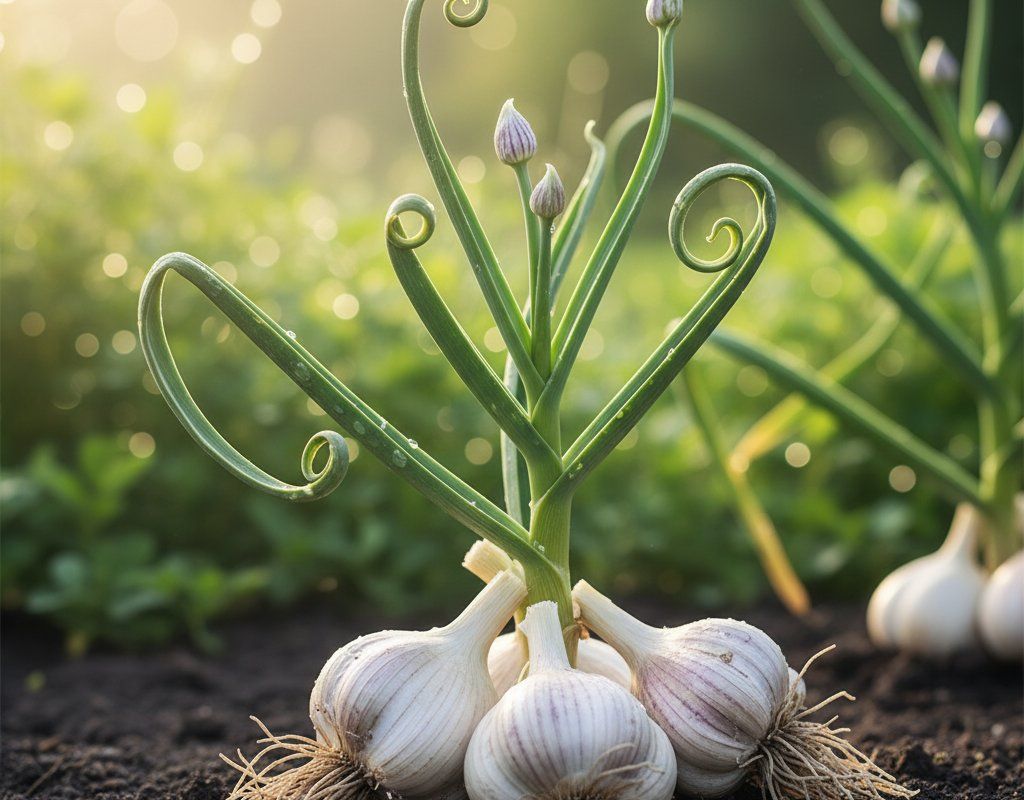
Celery planted nearby benefits from beans' nitrogen fixation while providing some wind protection during our gusty spring weather. However, avoid planting beans near onions, garlic, or fennel - these alliums can inhibit bean growth and nitrogen fixation, while fennel's strong oils may stunt bean development entirely. In our intense sun and heat, companion plants that provide light shade or wind protection offer more benefits than in milder climates.
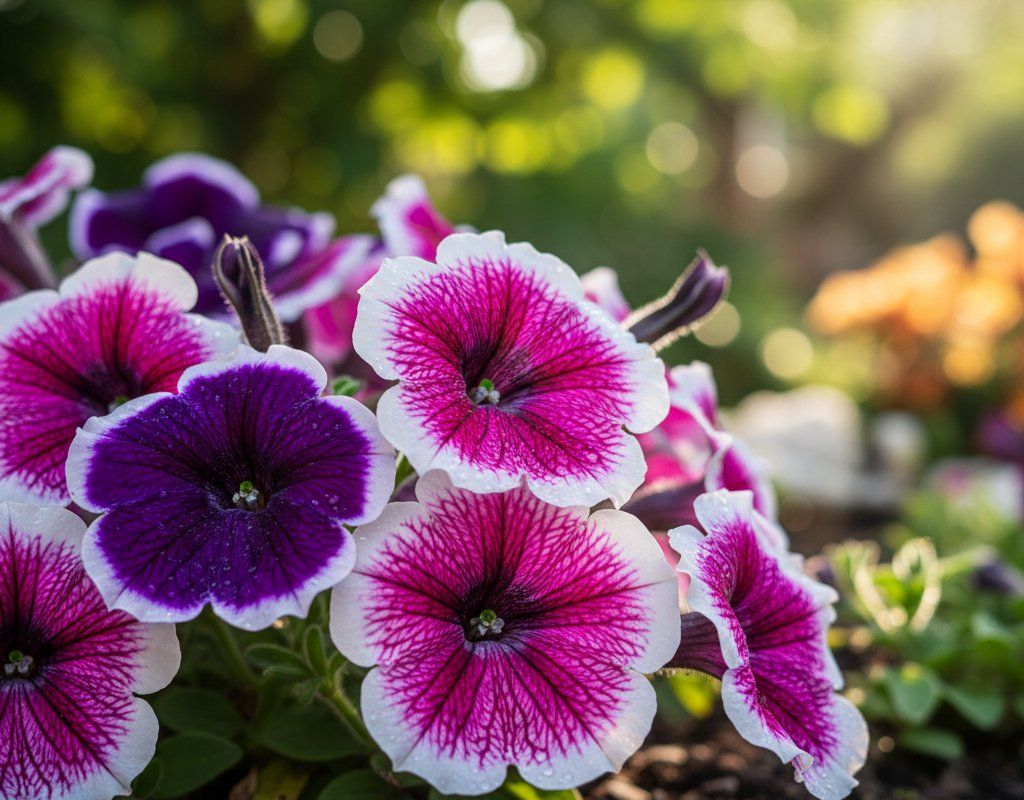
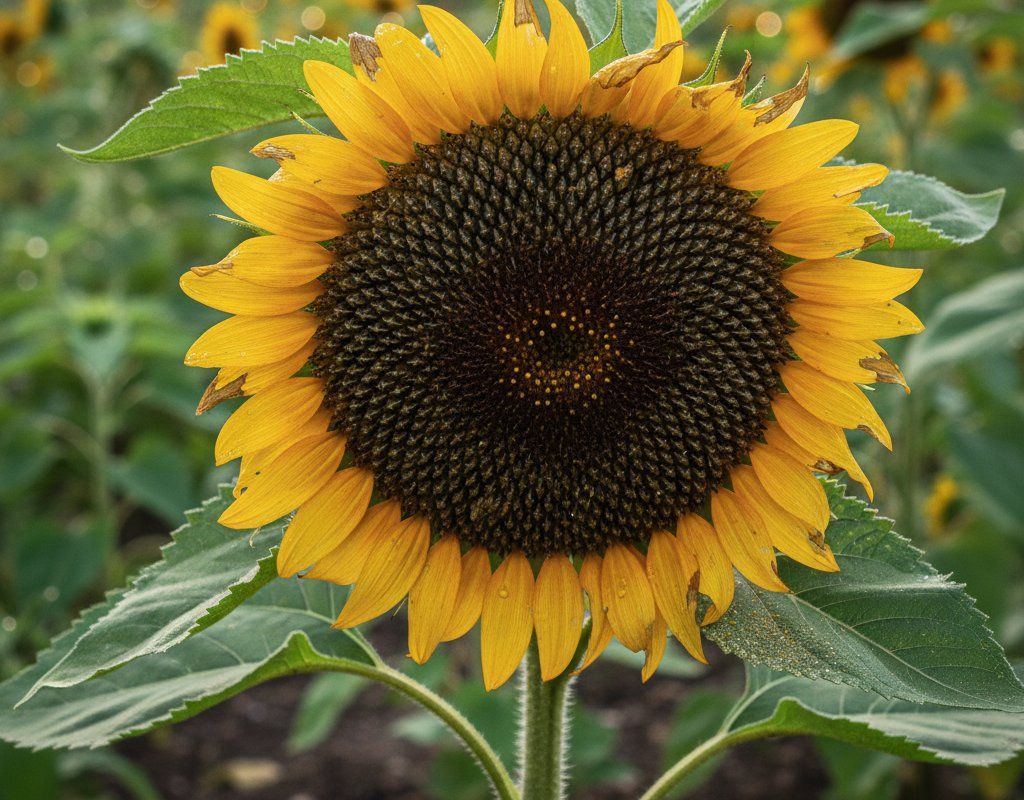
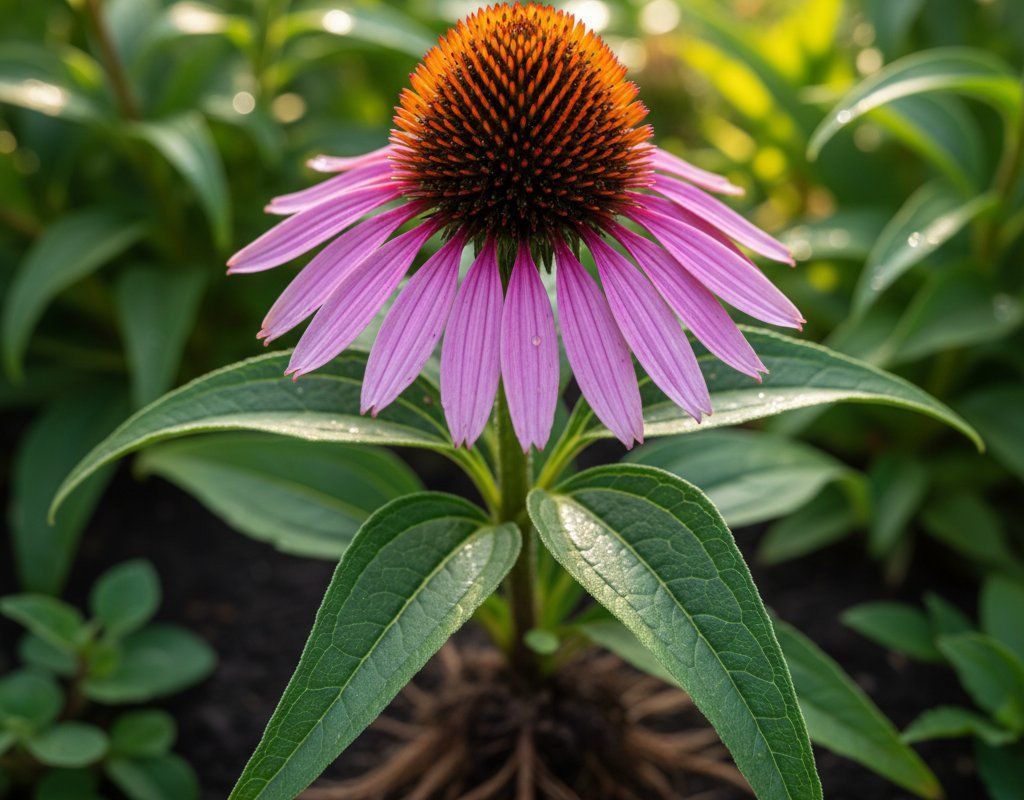
🌸Best Flowers to Plant with Green Beans
These flowers protect your Green Beans from pests and attract pollinators for better harvests.
For Pest Control





Get a Reminder When It's Time to Plant
We'll email you when key planting windows open for your zone.