
Green Beans in Zone 5B — Midwest
Phaseolus vulgaris · Your Complete 2026 Planting Guide
Planning Ahead — Great!
You’re ahead of the season. Here’s when to start.
Mark Your Calendar
How to Plant Green Beans in Zone 5B — Midwest
Here are all your options for getting green beans in the ground, from the easiest method to more advanced approaches.
Direct Sow Seeds
RecommendedEarly May through early August
around May 2
Consider succession planting every 2-3 weeks for continuous harvest.
Beans have sensitive roots and grow quickly. Direct sow after frost.
Buy Starts
Works WellEarly to late May
around May 2
Plant purchased starts after last frost (April 25).
Start Seeds Indoors
ChallengingThis plant is typically not started indoors.
Transplant Outdoors
Timing InfoEarly to late May
around May 2
Wait until nighttime temperatures stay above 50°F.
You have a nice window — no need to rush.
Overview
Green beans are one of the most rewarding crops you can grow here in the Midwest. Our fertile soil and reliable summer warmth create perfect conditions for tender, crisp beans that put grocery store varieties to shame. You'll get multiple harvests throughout our long growing season, and there's nothing quite like picking fresh beans on a warm July morning before the day heats up.
While our variable spring weather and occasional late frosts can make timing tricky, green beans are actually quite forgiving once you get past that initial planting window. With our 168-day growing season, you have plenty of time to get multiple plantings in and enjoy fresh beans from late June all the way through early October.
Transplanting Outdoors
Green beans don't transplant well due to their sensitive root systems, so this method isn't recommended for our region. If you do decide to start them indoors (perhaps to get a jump on the season), you can transplant seedlings outdoors from early to late May, but only after our soil has warmed and the danger of late frost has passed.
If you go this route, harden off your seedlings gradually over a week by placing them outside for increasing periods each day. Space transplants 4-6 inches apart in rows. Keep in mind that our variable spring weather can stress transplanted beans, and they often don't produce as well as direct-sown plants.
The key with transplants is waiting until nighttime temperatures consistently stay above 50°F. Even a brief cold snap in late May can set back transplanted beans significantly.
Direct Sowing
Direct sowing is absolutely the way to go with green beans in our Midwest climate. You can plant from early May through early August, giving you multiple succession plantings throughout the growing season. The key is waiting until soil temperature reaches at least 60°F - usually around the time we hit our last frost date in late April to early May.
Prepare your planting bed by working compost into our naturally fertile soil. Plant seeds 1-2 inches deep and space them 4-6 inches apart in rows. Our clay soil can be heavy, so if drainage is an issue in your garden, consider planting in slightly raised rows or adding some coarse compost to improve soil structure.
For continuous harvests, plant a new row every 2-3 weeks through mid-July. This succession planting works particularly well here because our long growing season gives you time for multiple crops, and it helps you avoid having all your beans ready at once during those busy summer weeks.
Watering Green Beans in Zone 5B (Midwest)
Green beans need consistent moisture but not soggy conditions - about 1 to 1.5 inches of water per week including rainfall. Here in the Midwest, our moderate-to-humid summers and regular rainfall often provide much of what beans need, but you'll still need to supplement during dry spells and summer heat waves.
Always water at the base of the plants rather than overhead. Our humid summer conditions create perfect breeding grounds for bean rust and other fungal diseases when foliage stays wet. Use soaker hoses or water by hand at soil level, preferably in the morning so any splashed water can dry quickly.
Check soil moisture by sticking your finger 2 inches deep near the base of plants. If it's dry at that depth, it's time to water. During our typical summer heat spells when temperatures hit the upper 80s, beans may need water every 2-3 days. Signs of underwatering include wilted leaves and poor pod development, while overwatering shows up as yellowing leaves and stunted growth.
Apply a 2-3 inch layer of organic mulch around plants to help retain moisture and reduce the need for frequent watering. Grass clippings or shredded leaves work well and break down to improve our soil over time.
🧪Fertilizing Green Beans
Feeding Schedule
Organic Fertilizer Options
Harvest Time
Your first green beans will be ready for harvest in late June through early July, about 55 days after planting. Look for pods that are firm, crisp, and about pencil-thick - they should snap cleanly when bent. The pods should still be smooth without visible seed bulges inside.
Harvest every 2-3 days once production starts, picking in the morning when pods are crisp and full of moisture. Use both hands - hold the stem with one hand and gently pull the pod with the other to avoid damaging the plant. Regular picking encourages continued production throughout our long growing season.
Keep harvesting until our first frost in early October. As the season winds down, you can let some pods mature fully for dried beans, but this will reduce fresh bean production. During late summer heat spells, pods may become tough quickly, so check plants daily during peak harvest time.
If you planted succession crops through mid-July, you'll have fresh beans right up until frost. The plants are quite productive in our climate, often yielding 3-4 pounds of beans per 10-foot row when properly maintained.
Common Problems in Zone 5B (Midwest)
Bean Beetles Watch for copper-colored beetles with black spots feeding on your bean leaves, leaving behind a skeletonized appearance where only the leaf veins remain. You'll also spot yellow-orange spiny larvae on the undersides of leaves. Our warm, humid summers provide ideal conditions for multiple generations of these pests.
Mexican bean beetles overwinter in garden debris and emerge when temperatures warm in late spring. Handpick adults and larvae in the morning when they're less active, and crush any yellow egg clusters you find on leaf undersides. Row covers work well until plants begin flowering, then remove them for pollination.
Rust This fungal disease appears as rusty orange or brown pustules on leaf undersides, eventually causing leaves to yellow and drop. Our moderate-to-humid summer conditions and frequent rainfall create perfect conditions for rust to develop and spread.
Rust spreads through wind-borne spores and thrives when leaves stay wet. Avoid overhead watering completely, improve air circulation by proper spacing, and never work among wet plants. Remove affected leaves immediately and apply copper or sulfur-based fungicide if the problem persists.
Mosaic Virus Infected plants show a distinctive mottled yellow and green pattern on leaves, along with stunted, distorted growth and reduced yields. Aphids spread this virus, and there's no cure once plants are infected.
Remove and destroy infected plants immediately - don't compost them. Control aphid populations with insecticidal soap or by encouraging beneficial insects. Always wash your hands and tools between plants, and avoid smoking around your bean plants as tobacco mosaic virus can transfer from cigarettes.
Midwest Specific Challenges Our moderate-to-hot summers with high humidity create ideal conditions for fungal diseases like rust, making proper air circulation and base watering critical. Summer heat spells can stress plants and make pods tough quickly, so harvest frequency becomes even more important during our hottest weeks in July and August.
Best Companions for Green Beans
Plant these nearby for healthier Green Beans and better harvests.
View Full Companion Planting Chart →



Companion Planting Details
Green beans work beautifully in the traditional "Three Sisters" planting with corn and squash - the corn provides natural support for climbing varieties while beans fix nitrogen that benefits both companion crops. Carrots and celery also make excellent neighbors, as carrots help break up clay soil while celery's strong scent may help deter some bean pests.
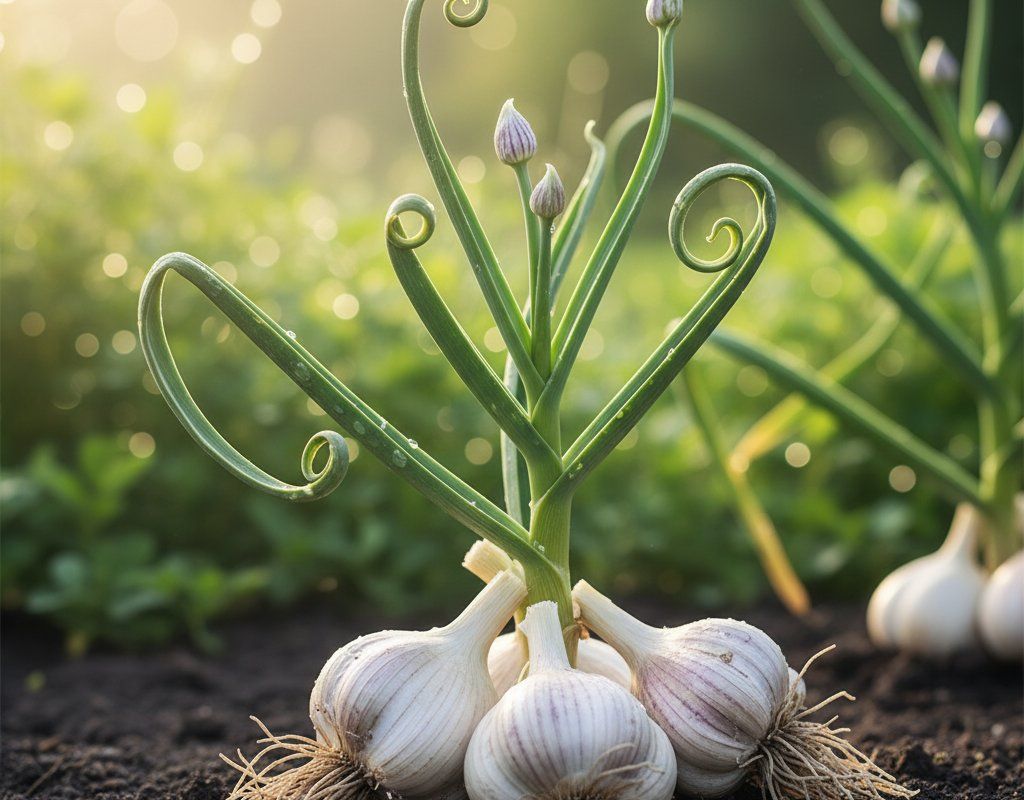
Avoid planting beans near onions, garlic, or fennel, as these plants can inhibit bean growth through natural compounds they release into the soil. In our Midwest climate where we're often trying to maximize space and deal with variable weather, stick with proven companions that support each other rather than compete for nutrients or space.
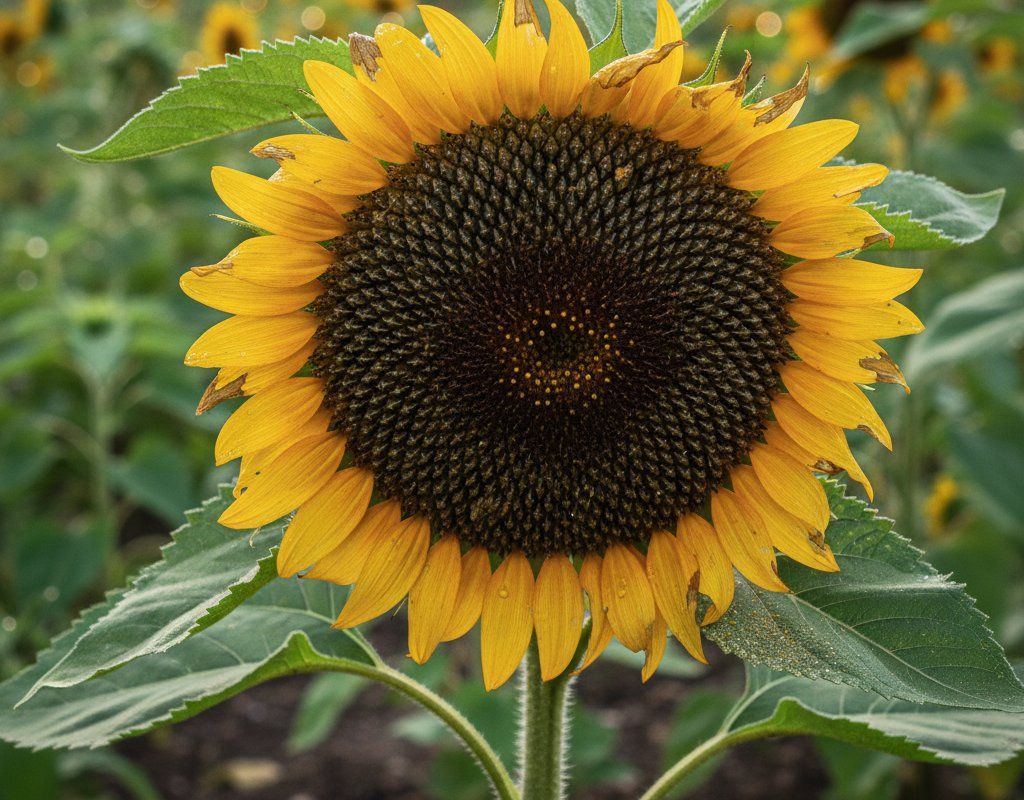
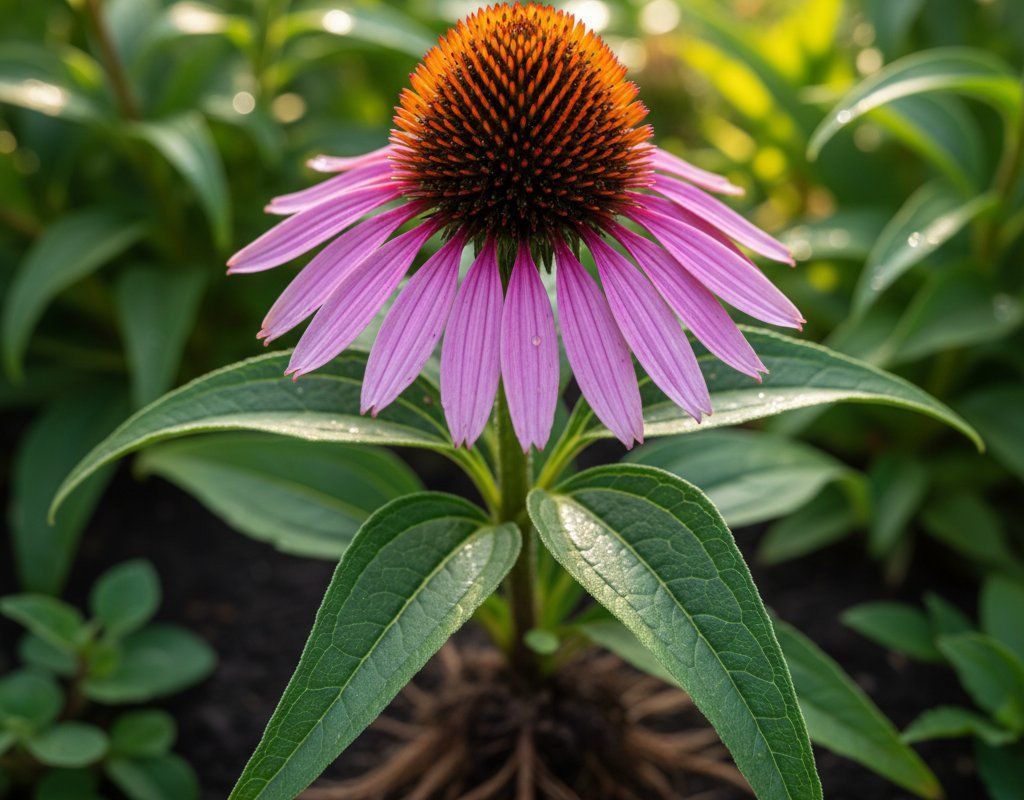
🌸Best Flowers to Plant with Green Beans
These flowers protect your Green Beans from pests and attract pollinators for better harvests.
For Pest Control






Get a Reminder When It's Time to Plant
We'll email you when key planting windows open for your zone.