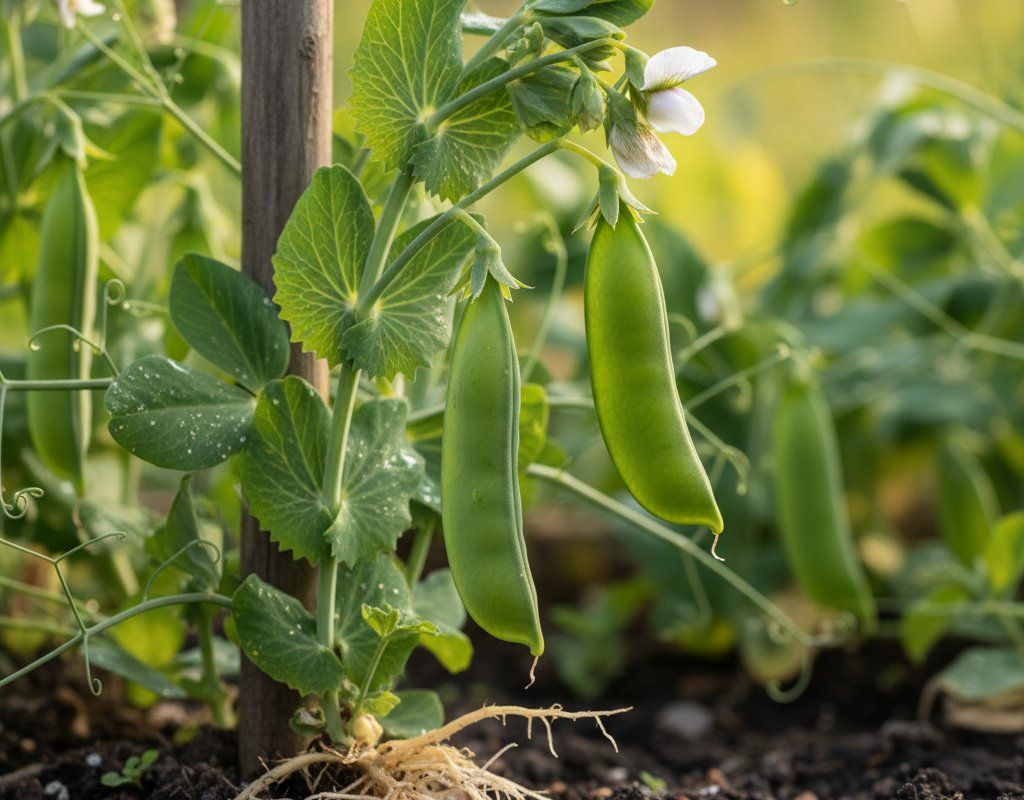
Snap Peas in Zone 5B — Midwest
Pisum sativum var. macrocarpon · Your Complete 2026 Planting Guide
Planning Ahead — Great!
You’re ahead of the season. Here’s when to start.
Mark Your Calendar
How to Plant Snap Peas in Zone 5B — Midwest
Here are all your options for getting snap peas in the ground, from the easiest method to more advanced approaches.
Direct Sow Seeds
RecommendedMid March through late July
around March 14
Consider succession planting every 2-3 weeks for continuous harvest.
Same as garden peas — direct sow in early spring.
Buy Starts
Works WellLate March through late April
around March 28
Plant purchased starts after last frost (April 25).
Start Seeds Indoors
ChallengingThis plant is typically not started indoors.
Transplant Outdoors
Timing InfoLate March through late April
around March 28
Can tolerate light frost, but wait for soil to be workable.
You have a nice window — no need to rush.
Fall Planting
Late July through late August
August 8 ideal · Direct sow for fall harvest
Plant a second crop in mid-summer for fall harvest. Snap Peas actually prefers the cooling temperatures of fall.
Overview
Snap peas are a real treat in the Midwest garden. The crisp, sweet pods are delicious raw, stir-fried, or added to salads, and they’re one of the first fresh veggies you can harvest in spring. There’s nothing quite like strolling through your garden on a warm summer evening, picking a handful of snap peas, and enjoying them right there.
Our Midwest weather can be unpredictable, with those late frosts and occasional summer heat spells. But with a little planning, you can easily work around these challenges and enjoy a bountiful harvest of snap peas during our 168-day growing season.
Transplanting Outdoors
You can transplant snap peas outdoors in late March through late April. Before you put them in the ground, you'll need to harden them off. Give them about a week of gradual exposure to the outdoors, starting with just a couple of hours a day in a sheltered spot.
When transplanting, space the seedlings 3-4 inches apart. Keep an eye on the weather forecast, because we often have some unexpected cold snaps that time of year. If a frost is predicted, cover your seedlings with a frost blanket or cloche.
Direct Sowing
Direct sowing is the recommended method for snap peas. You can start sowing in mid-March and continue through late July for a continuous harvest. Snap peas are just like garden peas, and they like to go in the ground early in the spring.
Before sowing, make sure your soil is well-drained and loose. Even though we have fertile soil here in the Midwest, it’s often heavy clay, so amend with compost if needed. Soil temps should be at least 45°F. Sow seeds 1 inch deep and 3-4 inches apart.
Watering Snap Peas in Zone 5B (Midwest)
Snap peas need consistent moisture to produce plump, sweet pods. While they're more tolerant of heat than shell peas, they still need regular watering, especially during our summer heat spells. A good rule of thumb is to give them about an inch of water per week.
Check the soil moisture by sticking your finger in about 2 inches deep. If it feels dry, it's time to water. Water at the base of the plants rather than overhead, especially given our moderate-to-humid conditions, to minimize fungal diseases.
During the wet-summer months, you might not need to water as often, but during drier periods, you'll need to increase the frequency. Signs of underwatering include wilting leaves and shriveled pods. Overwatering can lead to yellowing leaves and root rot. A layer of mulch, like straw or shredded leaves, will help retain moisture and keep the soil cool.
Supporting Your Snap Peas
Snap peas are vining plants and need support to climb. Install a trellis at planting time to give them something to grow on. A string trellis, chicken wire, or even some repurposed pea brush all work well.
Plan for a trellis that is 4-6 feet tall, as some varieties can get quite tall. As the plants grow, gently guide the tendrils towards the support to help them get started. Once they latch on, they'll take it from there.
🧪Fertilizing Snap Peas
Feeding Schedule
Organic Fertilizer Options
Harvest Time
You can expect your first harvest of snap peas starting in mid-May and continuing through mid-October, depending on when you planted. Snap peas are usually ready to harvest about 60 days after planting. Look for pods that are plump and crisp, with fully developed peas inside.
The best time to pick them is when they're young and tender. To harvest, gently snap the pods off the vine, being careful not to damage the plant. Regular harvesting encourages continued production.
As our first frost approaches in early October, harvest any remaining pods, even if they're not quite fully mature. They'll still be tasty!
Common Problems in Zone 5B (Midwest)
Here are some common problems you might encounter with snap peas in the Midwest:
Powdery Mildew
- What it looks like: White or grayish powdery coating on leaves, stems, and sometimes fruit. Leaves curl, yellow, and die. Reduces plant vigor.
- What causes it: Various fungi that thrive in warm days, cool nights, and moderate humidity. Dry leaf surfaces actually favor it (unlike most fungi).
- How to fix/prevent it: Improve air circulation through spacing and pruning. Remove affected leaves. Neem oil or potassium bicarbonate sprays help. Milk spray (1 part milk to 9 parts water) is surprisingly effective. Plant resistant varieties.
Pea Aphids
- What it looks like: Clusters of small, soft-bodied green insects on stems and leaves. Stunted growth, yellowing leaves, and sticky honeydew.
- What causes it: Pea aphids are attracted to stressed plants, especially during warm, humid weather.
- How to fix/prevent it: Knock aphids off plants with a strong stream of water. Introduce beneficial insects like ladybugs and lacewings. Insecticidal soap or neem oil can be used for heavy infestations.
Root Rot
- What it looks like: Yellowing leaves, stunted growth, and wilting, even with adequate watering. Roots are brown and mushy.
- What causes it: Fungi that thrive in waterlogged soil. Heavy clay soil and overwatering contribute to root rot.
- How to fix/prevent it: Improve soil drainage by amending with compost and planting in raised beds. Avoid overwatering. Use a fungicide if necessary.
Fusarium Wilt
- What it looks like: Wilting on one side of the plant first, then spreading. Yellow leaves starting on one side. Brown streaks in stem when cut open.
- What causes it: Soil-borne fungus (Fusarium oxysporum). Persists in soil for years. Enters through roots. Warm soil temperatures favor it.
- How to fix/prevent it: No cure once infected — remove and destroy the plant. Plant resistant varieties (look for 'F' on seed labels). Rotate crops on a 4-year cycle. Solarize soil in hot zones. Raise soil pH above 6.5.
Midwest Specific Challenges: Our moderate-to-hot heat and moderate-to-humid humidity can create ideal conditions for powdery mildew and aphids. Our wet-summer rainfall can also increase the risk of root rot, especially in heavy clay soils. Be sure to monitor your plants regularly and take preventative measures to minimize these problems.
Best Companions for Snap Peas
Plant these nearby for healthier Snap Peas and better harvests.
View Full Companion Planting Chart →
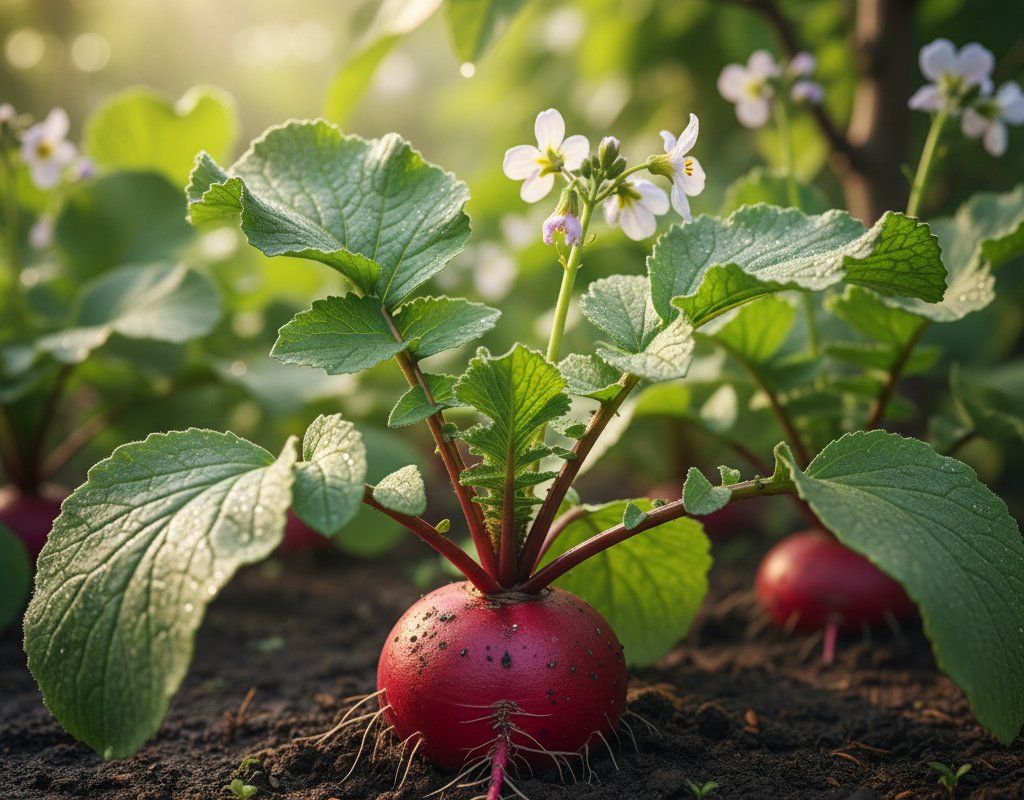





Companion Planting Details
Good companions for snap peas include carrots, radishes, cucumbers, corn, and lettuce. Carrots and radishes help break up the soil, making it easier for snap peas to grow. Cucumbers and corn provide natural trellises for the peas to climb. Lettuce helps to suppress weeds and keep the soil cool.
Avoid planting snap peas near onions or garlic. These plants can inhibit the growth of snap peas. It’s all about creating a supportive environment where everything thrives together in our Midwest gardens.
🌸Best Flowers to Plant with Snap Peas
These flowers protect your Snap Peas from pests and attract pollinators for better harvests.




Get a Reminder When It's Time to Plant
We'll email you when key planting windows open for your zone.